Best Car Tie Down Strap in USA 2026 Guide
February 22, 2026
Ratchet Straps with Flat Hooks in USA 2026
February 24, 2026What Are E-Track Straps and Why Are They Used for Cargo Security?
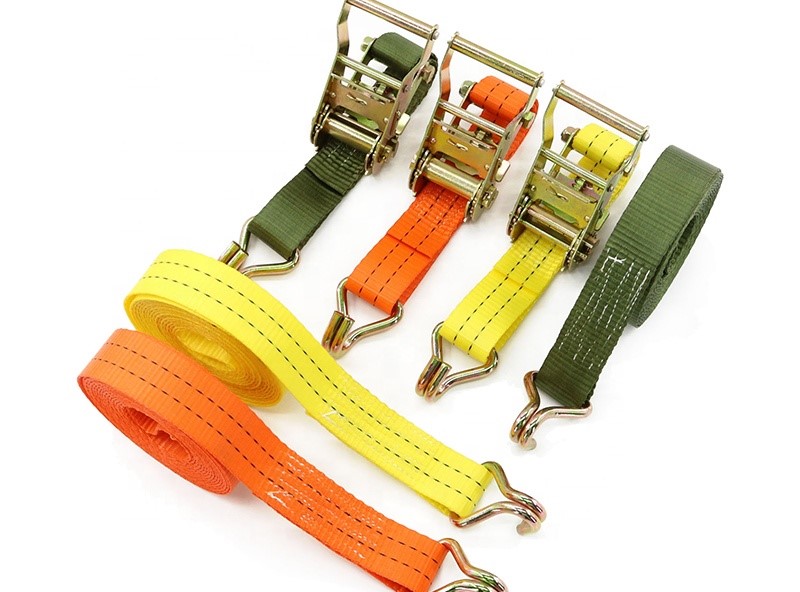
E-Track straps are cargo-securing tools used inside trucks, trailers, and cargo vans. They are designed to attach to E-Track rails, which are metal tracks installed on trailer walls or floors.
These straps help drivers secure heavy loads so that items do not move during transportation.
Key points about E-Track straps:
- They connect directly to E-Track slots
- Used in cargo trailers, box trucks, and vans
- Provide adjustable tension for different loads
- Help prevent cargo shifting during transport
- Common in logistics, moving services, and delivery trucks
When cargo is properly secured with E-Track straps, it reduces the risk of damage to goods and improves overall road safety.
How Do E-Track Straps Compare to Other Cargo Tie-Down Methods?
Different tie-down systems are used for cargo security, but they work differently depending on the vehicle and load type.
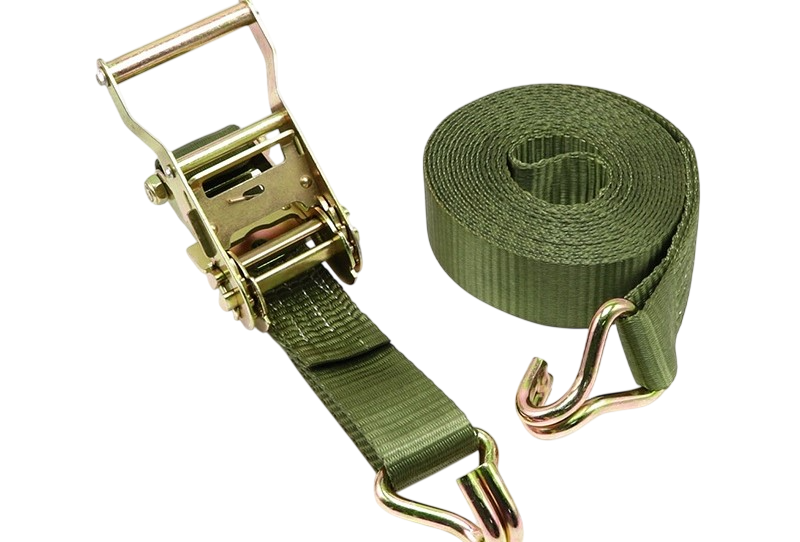
GO RHINO E Track Straps Ratchet vs Cam Buckle Comparison
Tie-Down Type | Best Use Case | Key Advantage |
E-Track Straps | Cargo trailers & vans | Quick attachment to track system |
Ratchet Straps | Flatbed trucks | High tension for heavy loads |
Rope Tie-Downs | Light cargo | Cheap and simple |
Cam Buckle Straps | Light transport loads | Fast adjustment |
Bungee Cords | Temporary cargo | Flexible and easy |
Chain Binders | Heavy equipment | Extremely strong |
Logistic Straps | Delivery trucks | Compatible with track systems |
Why many drivers prefer E-Track straps:
- Fast installation
- Adjustable positioning
- Works with multiple cargo sizes
- Strong holding power
What Are the Most Important Features of E-Track Straps?
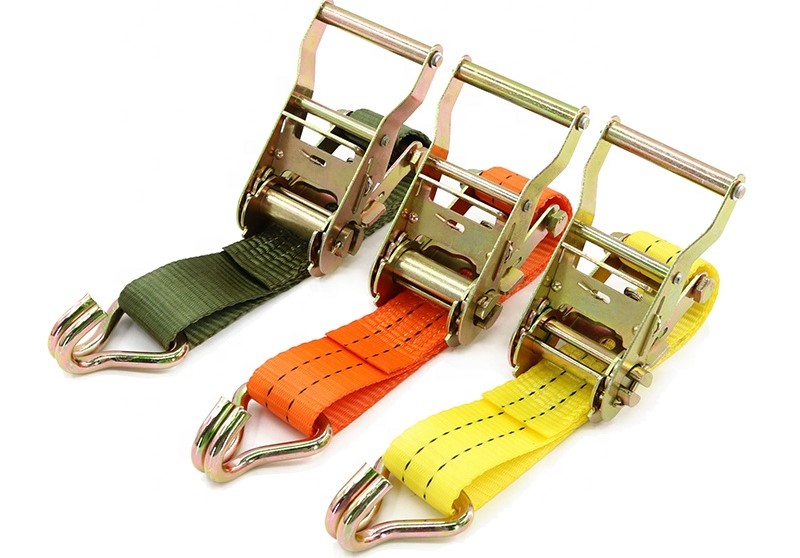
Below are some of the most important features drivers usually look for when choosing E-Track straps.
Feature | Why It Matters | Benefit |
Polyester Webbing | Strong material | Handles heavy loads |
Ratchet Mechanism | Tightens straps easily | Better cargo stability |
E-Track Fittings | Connect to track system | Quick installation |
Adjustable Length | Fits different cargo sizes | Flexible use |
High Load Capacity | Supports heavy items | Safe transport |
Weather Resistance | Works in rain or dust | Longer lifespan |
Reinforced Stitching | Strong connection points | Prevents strap damage |
These features help make E-Track straps reliable tools for cargo management.
How Do You Properly Install and Use E-Track Straps?
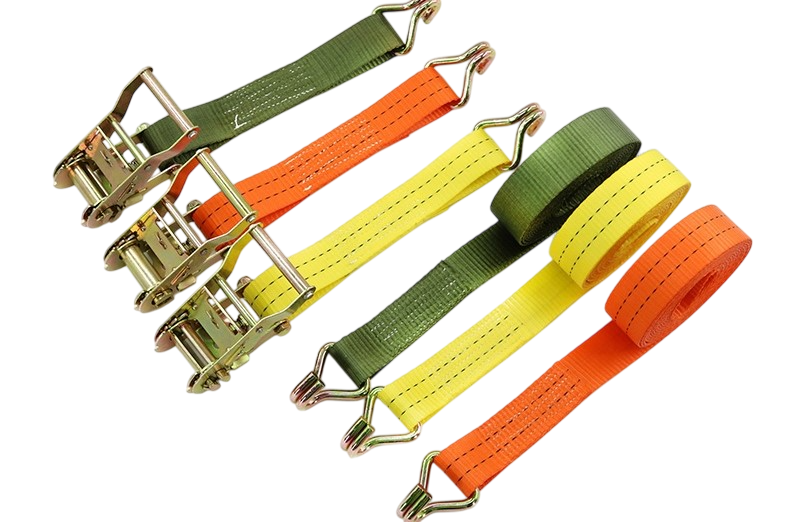
Installing E-Track straps is usually a simple process when the trailer already has an E-Track rail system.
Step-by-step guide:
- Locate the E-Track rail
- Check the wall or floor of the trailer
Â
- Identify available track slots
Â
- Attach the strap fitting
- Insert the fitting into the E-Track slot
Â
- Lock it in place by pressing it downward
Â
- Position the strap
- Place the strap over or around the cargo
Â
- Make sure the strap is not twisted
Â
- Tighten the ratchet
- Pull the strap through the ratchet
Â
- Pump the handle until the load is secure
Â
- Check the tension
- Make sure cargo does not move
Â
- Re-adjust if necessary
Â
Proper installation ensures cargo stays stable during transport.
What Real-World Experience Shows About Using E-Track Straps?
Many professional movers and delivery drivers rely on E-Track straps for daily cargo transport.
For example, a small logistics driver shared his experience in an online transport community. He regularly transports furniture and appliances inside a cargo trailer. Before installing an E-Track system, he used standard rope tie-downs.
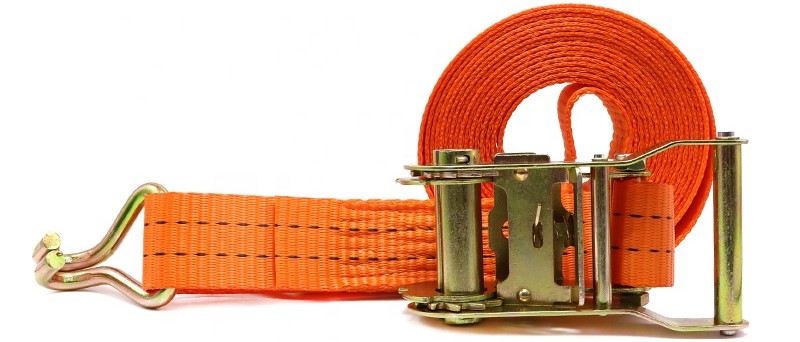
However, he noticed several problems:
- cargo shifting during sudden stops
- time-consuming tie-down process
- inconsistent tension
After installing E-Track rails and using compatible straps, he reported several improvements:
- faster loading and unloading
- stronger cargo stability
- easier strap adjustment
This type of feedback is common among drivers who frequently transport goods. Logistics professionals often recommend E-Track systems because they allow flexible strap positioning depending on cargo size and shape.
These real-world experiences demonstrate how E-Track straps can improve efficiency and cargo safety when used correctly.
What Common Problems Occur With E-Track Straps and How Can You Fix Them?
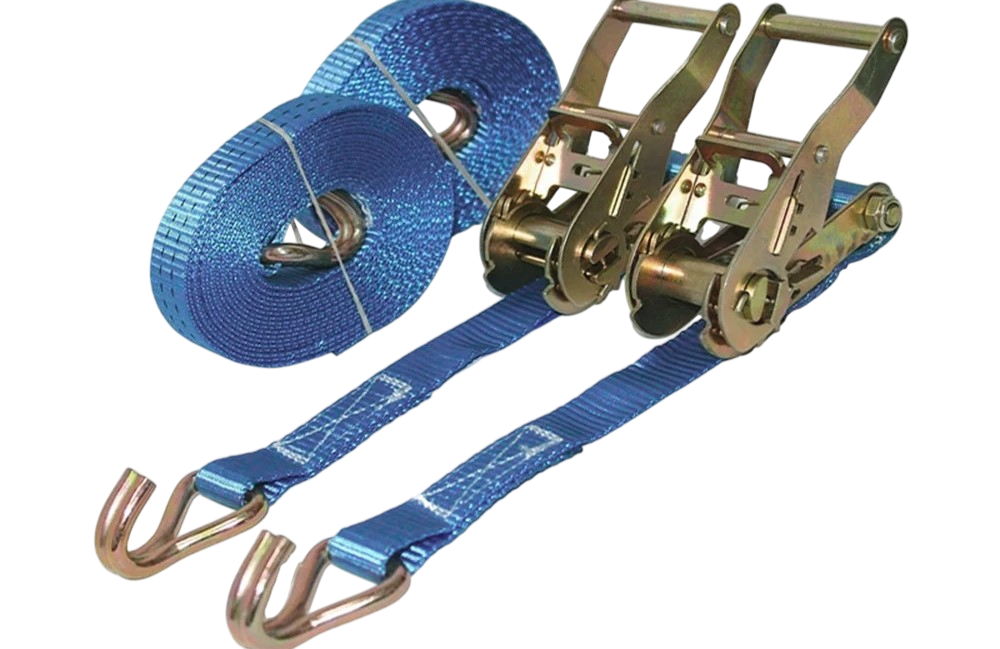
Even reliable cargo straps can develop issues over time.
Common problems and solutions:
Loose straps
- Cause: improper tightening
Â
- Solution: re-tighten using the ratchet
Â
Strap wear or fraying
- Cause: sharp cargo edges
Â
- Solution: use corner protectors
Â
Ratchet mechanism stuck
- Cause: dirt or rust
Â
- Solution: clean and apply lubricant
Â
Incorrect strap angle
- Cause: wrong attachment point
Â
- Solution: reposition strap on E-Track rail
Â
Overloaded strap
- Cause: exceeding load rating
Â
- Solution: use higher capacity straps
Â
Regular inspection helps maintain safe cargo transport.
Are E-Track Straps Only for Professional Drivers?
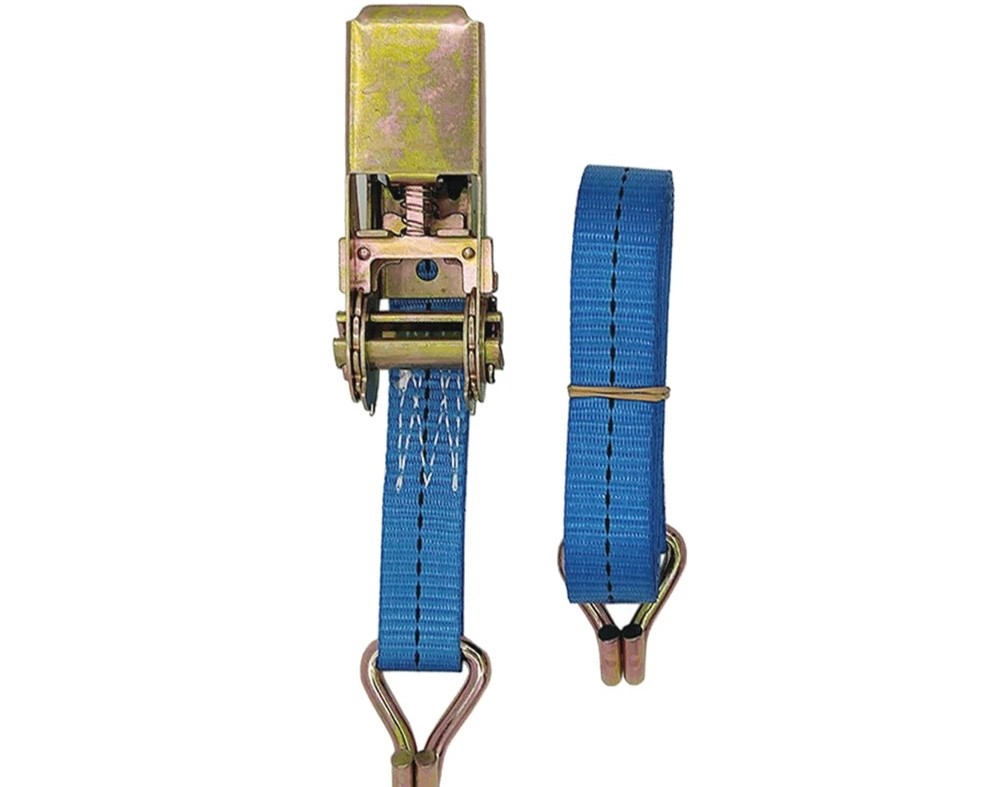
Some people think E-Track straps are only useful for commercial trucking companies. This is not always true.
Myth 1: Only professional drivers need them
Reality:
- Many DIY movers and trailer owners use them.
Myth 2: They are difficult to install
Reality:
- Most straps snap directly into E-Track rails.
Myth 3: They are expensive
Reality:
- Basic sets are relatively affordable compared to cargo damage costs.
Myth 4: Only heavy cargo requires them
Reality:
- Even medium loads benefit from secure tie-downs.
Understanding these myths helps users make better cargo safety decisions.
What Should You Look for Before Buying E-Track Straps?
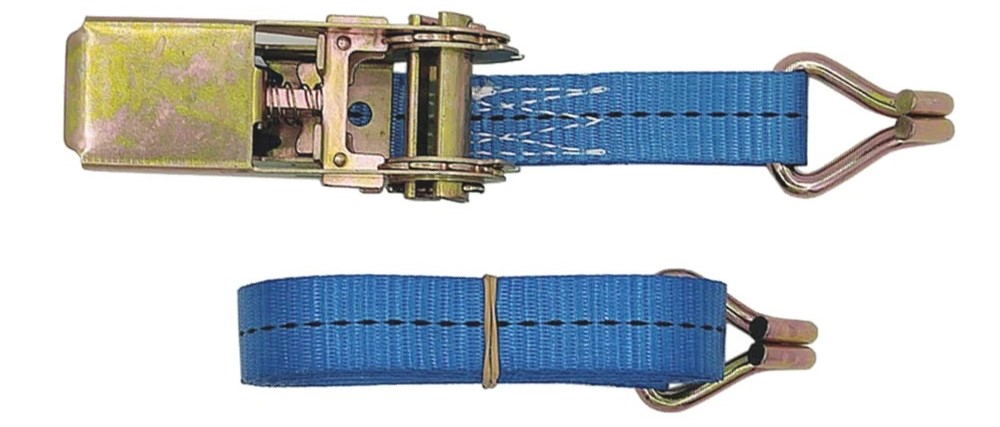
Before buying E-Track straps, it is important to evaluate several factors to ensure compatibility and safety.
Key buying factors:
Load capacity
- Choose straps with enough working load limit.
Strap material
- Polyester webbing is commonly used for durability.
Length of strap
- Longer straps provide more flexibility.
Ratchet quality
- Smooth ratchet mechanisms improve tightening.
Compatibility
Ensure the strap fittings match the E-Track system.
10 Pros of E Track Straps
- Multiple precise anchor points: Snap into E-Track rails anywhere for perfect positioning without guesswork.
- High break strength: Often rated 4,000–6,000+ lbs, ideal for heavy machinery, vehicles, or pallets.
- Reusable & durable: Heavy-duty polyester webbing withstands repeated use across many hauls.
- Versatile configurations: Supports criss-cross, over-wheel, or angled setups for odd-shaped loads.
- Strong ratchet options: Provide high, locked-in tension that resists loosening on long trips.
- Quick cam buckle variants: Fast hand-tightening for lighter or fragile cargo without over-tension risk.
- Compatible with accessories: Works seamlessly with corner protectors, O-rings, and bars for enhanced setups.
- FMCSA compliance friendly: Labeled WLL helps meet DOT rules when used correctly.
- Cost-effective per use: Long lifespan reduces replacement frequency compared to single-use straps.
- Wide availability: Easy to source in various lengths (12–20 ft common) and styles in the USA.
10 Cons of E Track Straps
- Require installed E-Track rails: Useless without pre-mounted rails, adding upfront cost and effort.
- Potential for over-tightening: Ratchet versions can damage soft cargo (e.g., furniture) if cranked too hard.
- Webbing can fray over time: Sharp edges or abrasion wear down material faster without protectors.
- Fittings may jam in dirty tracks: Debris buildup in rails causes sticking or difficult insertion/removal.
- Limited slot capacity: Individual fittings often cap at ~2,000–3,000 lbs WLL per point (lower than some alternatives).
- Excess tail flapping: Loose webbing ends create noise and drag at highway speeds if not tucked.
- Slower setup than hooks: Snapping fittings + tensioning takes longer than simple J-hook or rope methods.
- Rust risk on hardware: Non-galvanized fittings corrode in wet/salty conditions over time.
- Not ideal for very light loads: Overkill (and bulkier) compared to bungees or small cam straps.
- Uneven tension risk: Mixing old/new or different brands leads to shifting during vibration-heavy drives.
These points highlight the practical trade-offs when choosing E Track straps for secure hauling in 2026.
GO RHINO ratchet E Track straps deliver higher, more precise tension through repeated cranking, making them ideal for heavy or long-distance loads that need maximum hold against vibration. In contrast, cam buckle versions offer quicker hand-tightening and gentle release, which suits lighter or fragile cargo where speed matters more than extreme tension. Both styles feature durable webbing and secure spring E-fittings for reliable performance in trailers and trucks.
The right length depends on your trailer size and cargo type. Shorter 12-foot straps work well for compact setups or side-to-side securing, while 16- or 20-foot options provide extra reach for larger loads or vehicles. GO RHINO follows industry color standards (yellow for 12 ft, gray for 16 ft, blue for 20 ft) so you can quickly identify lengths at a glance. Measure your typical haul paths to avoid excess slack that could flap or loosen.
No, GO RHINO E Track straps require properly mounted E-Track rails (horizontal or vertical) to snap the spring fittings securely into place. Without rails, the straps cannot attach reliably and lose their advantage over traditional tie-downs. If your trailer lacks rails, consider adding GO RHINO-compatible sections for versatile, adjustable anchor points.
Yes, GO RHINO E Track straps excel at vehicle securement when used with at least four straps in a criss-cross or wheel-over pattern, combined with proper angles to resist forward, rearward, and side movement. Their high break strength and labeled working load limits help meet FMCSA guidelines for safe transport. Always add edge protectors over sharp frame areas to prevent webbing damage.
Replace GO RHINO E Track straps immediately if you notice any cuts, frays, burns, chemical exposure, or stiff/brittle webbing, regardless of age. Even without visible damage, plan to inspect and retire them after 3–5 years of regular heavy use due to gradual UV degradation and wear. Consistent cleaning and dry storage can extend their reliable lifespan significantly.
Absolutely GO RHINO E Track straps are fully compatible with both horizontal (floor/wall) and vertical (side) rails, as the spring E-fittings snap into standard slots either way. This flexibility lets you create secure setups for different cargo orientations. Just make sure rails are rated for your load and installed securely to handle forces.
If a GO RHINO ratchet strap feels stuck or won’t tension, first remove all slack by hand-pulling the webbing through the mechanism before cranking. Check for twists, debris in the ratchet, or over-cranking from previous use; release fully and re-thread if needed. A light silicone spray on moving parts (after cleaning) keeps the action smooth for future hauls.
While possible, mixing brands is not recommended because different webbing stretch rates and hardware tolerances can cause uneven tension during transit, leading to loosening or shifting. For best results and consistent hold, use matching GO RHINO straps across the load. This makes sure predictable performance and easier compliance checks.
GO RHINO E Track straps feature UV- and abrasion-resistant polyester webbing plus corrosion-protected hardware, so they handle rain, sun, and road conditions well during use. However, always store them dry, out of direct sunlight, and loosely coiled to prevent mildew or accelerated breakdown. Proper care keeps them performing reliably season after season.
The number depends on cargo weight, length, and shape FMCSA requires at least one per 10 feet of length plus extras for heavier items, but most pros use 4–8 straps for balanced securement on typical loads. Start with four corners for stability, then add more for odd shapes or high-value freight. Always verify your total aggregate working load limit exceeds half the cargo weight for safety.
Final Conclusion
Are E-Track Straps a Reliable Cargo Securing Solution?
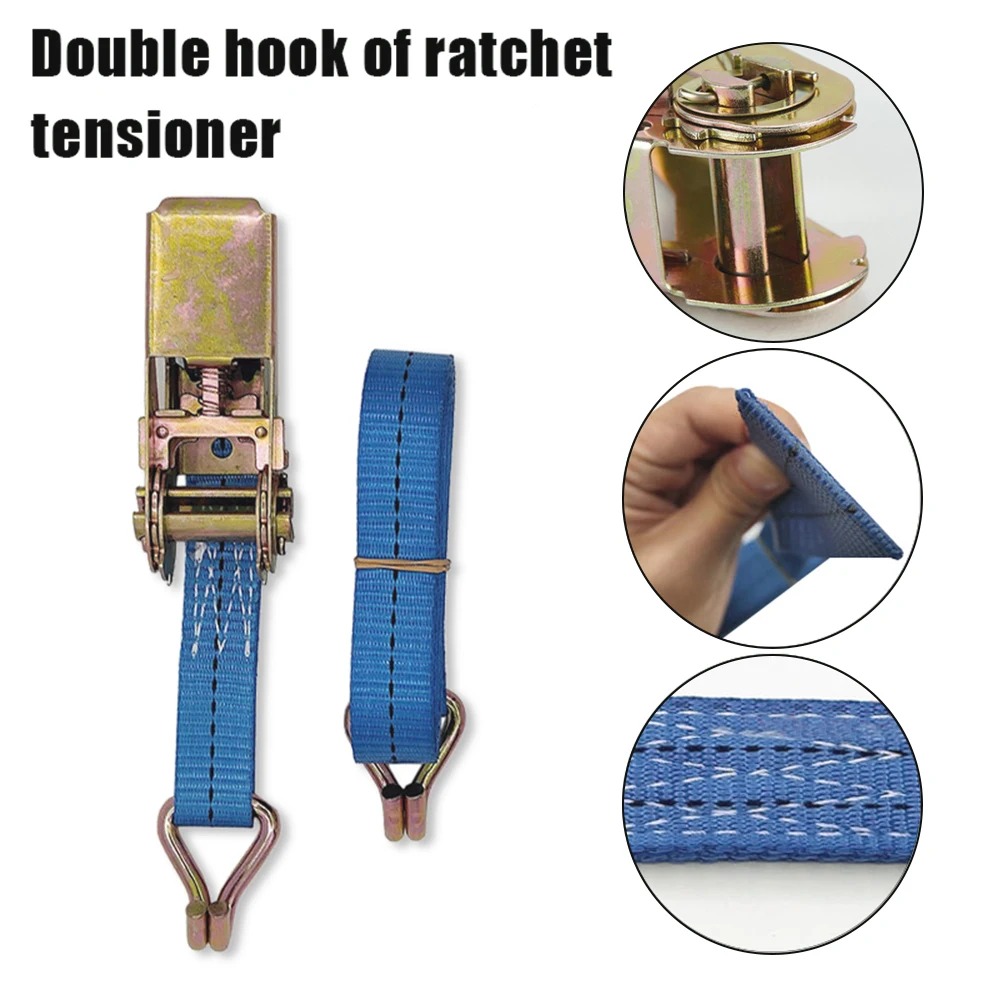
E-Track straps are widely used tools for securing cargo in trailers, trucks, and delivery vehicles. Their compatibility with E-Track rail systems allows drivers to position straps exactly where they are needed.
Compared to traditional tie-down methods, they offer better flexibility, quicker installation, and reliable cargo stability.
For drivers, movers, or trailer owners who frequently transport goods, E-Track straps can be a practical and effective solution for improving cargo safety and transport efficiency.