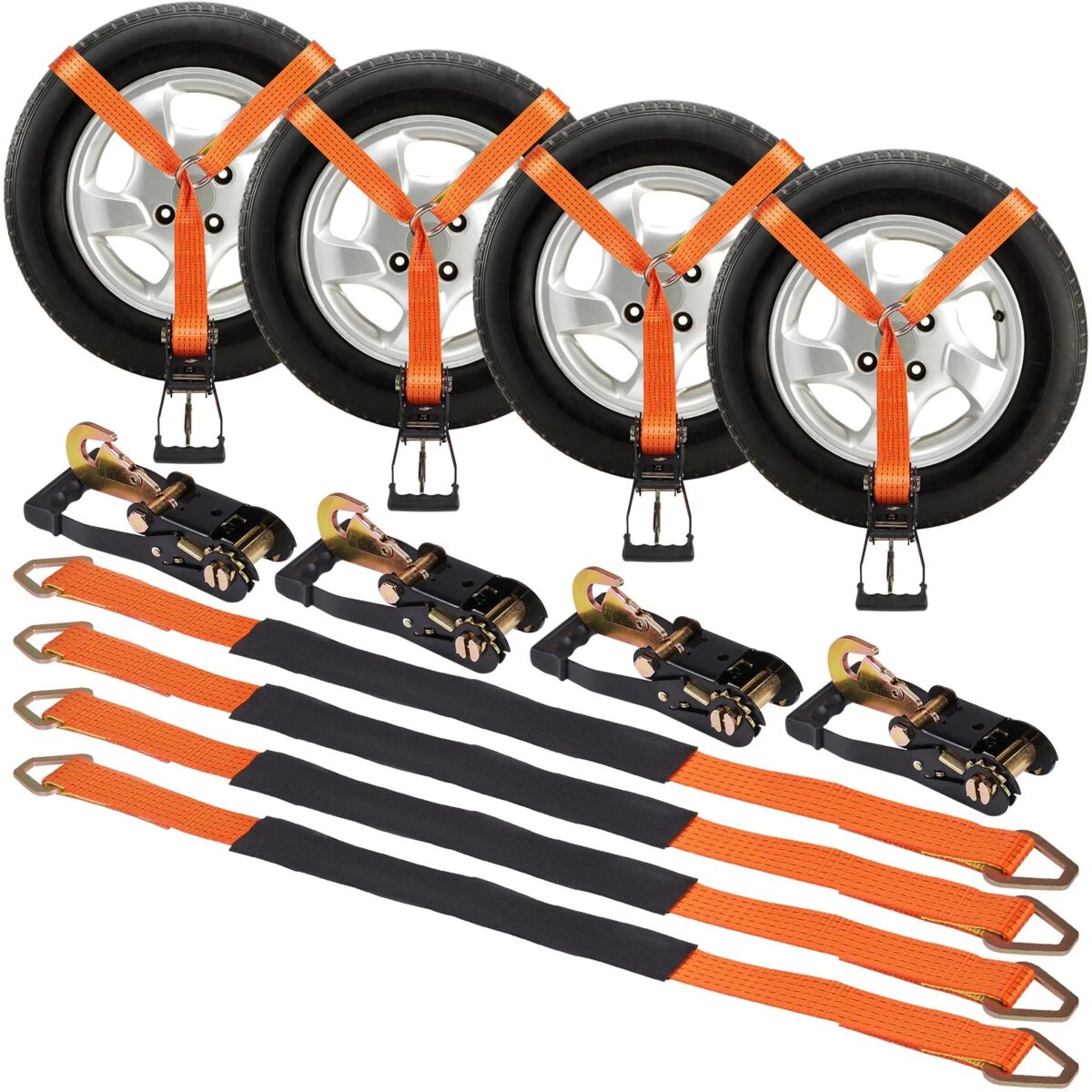

Cam Buckle Straps in USA 2026 Best from GO RHINO
February 21, 2026
Complete Guide E Track Straps in USA 2026
February 22, 2026How Do Car Tie Down Straps Compare to Other Vehicle Securing Methods?
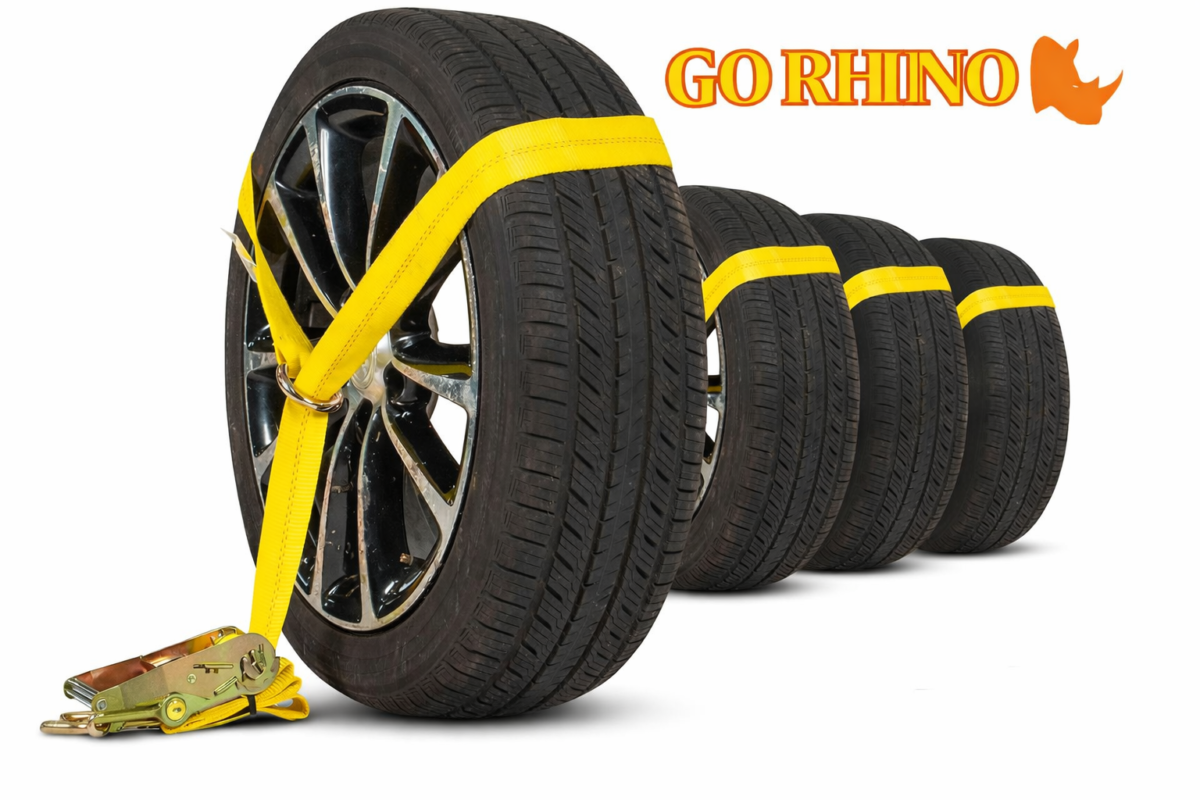
Different methods are used to secure vehicles during transportation. Each option has advantages depending on the type of trailer and the weight of the vehicle.
Method | Main Feature | Best Use Case |
Tie Down Straps | Flexible polyester straps with ratchet tension | Securing cars on trailers |
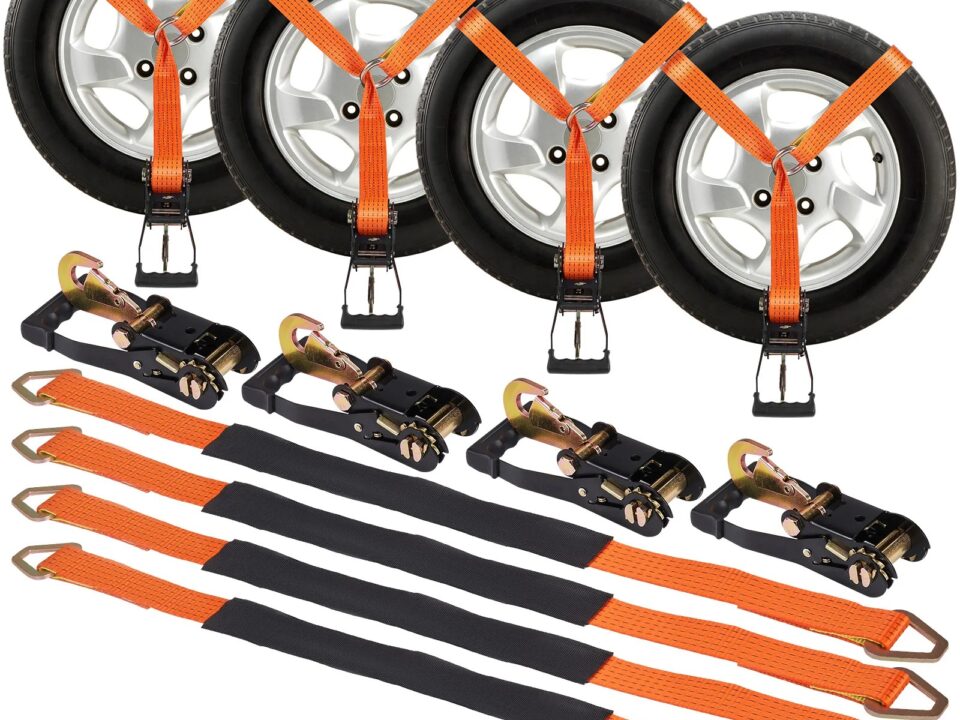
Wheel Nets | Straps that wrap around the tire | Transport trailers |
Chains | Heavy metal chains with binders | Heavy equipment |
Axle Straps | Loop straps around vehicle axles | Extra securing support |
Tow Straps | Designed mainly for towing | Emergency vehicle recovery |
Wheel Chocks | Blocks placed behind tires | Parking and loading stability |
Soft Loop Straps | Protective loops to avoid scratches | Securing delicate parts |
Tie down straps remain one of the most commonly used options because they are easy to adjust and compatible with many trailer setups.
What Are the Most Useful Types of Car Tie Down Straps?
There are several types of tie down straps available, each designed for different transportation needs.
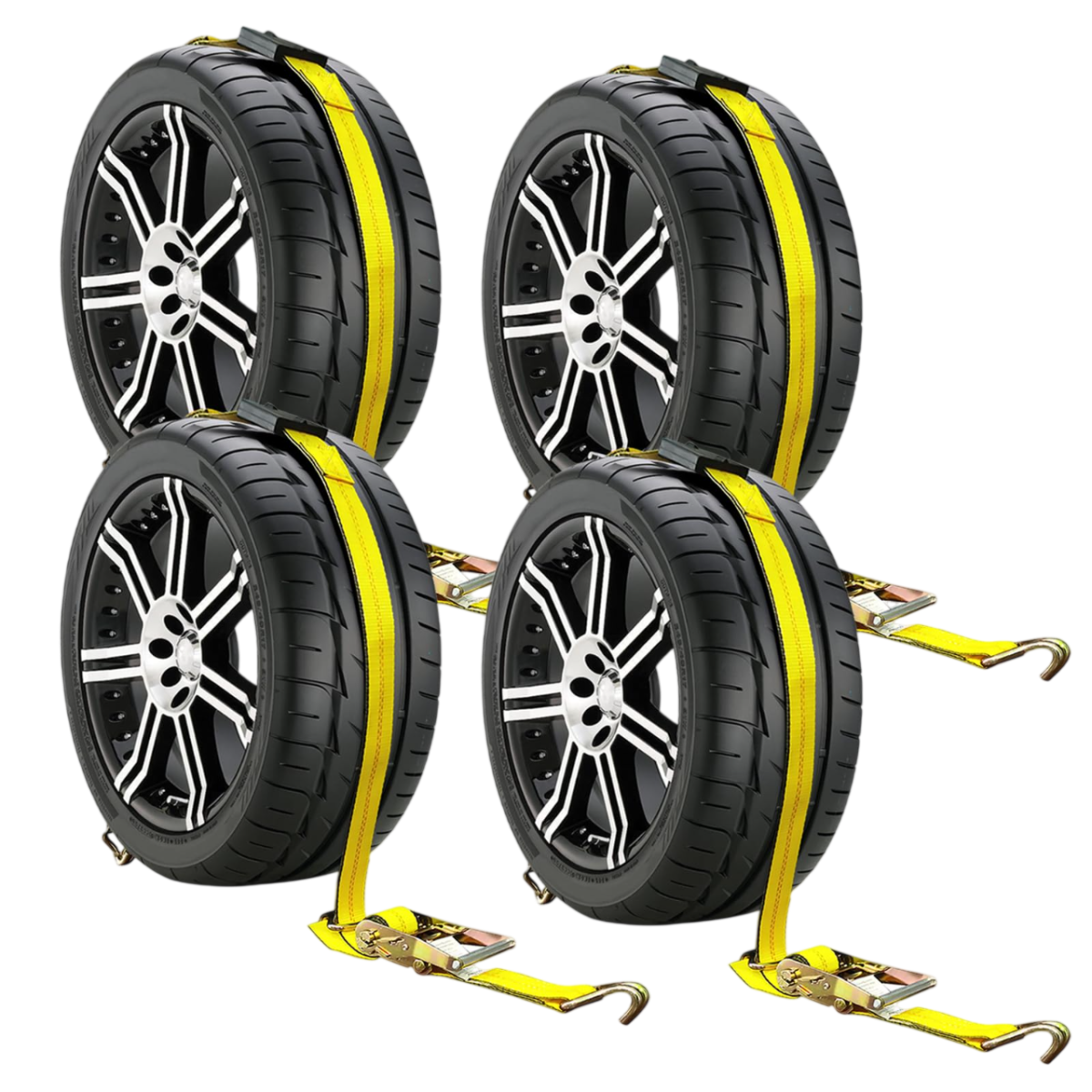
2026 Car Tie Down Straps Comparison Table
Strap Type | Key Feature | Typical Use |
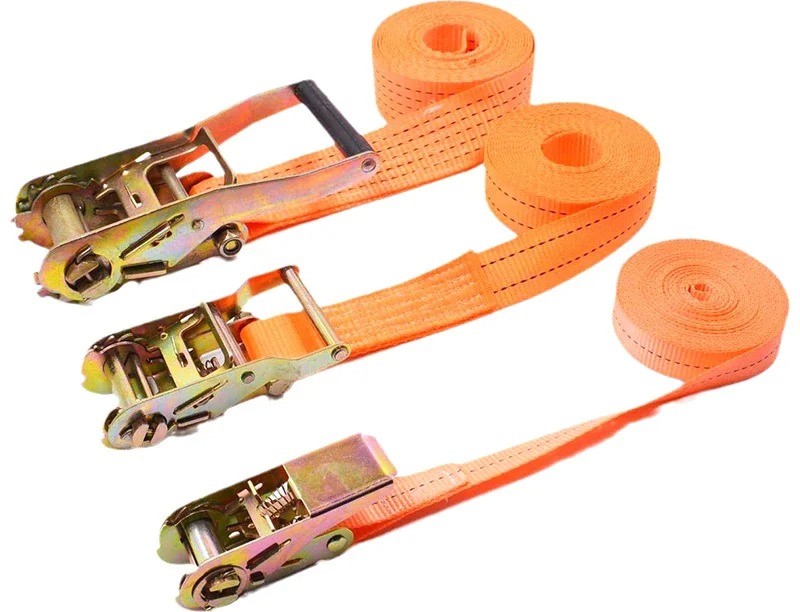
Ratchet Tie Down Straps | Mechanical ratchet tightening | Vehicle transport |
Cam Buckle Straps | Quick release buckle | Light cargo |
Wheel Tie Down Straps | Wrap around tires | Car trailers |
Axle Straps | Loop around axle | Additional support |
Recovery Straps | Stretchable heavy-duty strap | Vehicle recovery |
Soft Loop Straps | Prevent scratches | Motorcycle or car parts |
Heavy Duty Straps | High load capacity | Large vehicles |
Choosing the correct type depends on vehicle size, trailer type, and transport conditions.
How Can You Properly Use Car Tie Down Straps?
Using tie down straps correctly is essential for safe vehicle transportation.
Follow these steps for proper installation:
- Position the Vehicle Correctly
Ensure the car is centered on the trailer to maintain balance. - Attach Straps to Strong Anchor Points
Use trailer anchor points designed for heavy loads. - Secure Around Tires or Axles
Wheel straps are commonly wrapped around the tire for stability. - Tighten the Ratchet Mechanism
Pull the strap and tighten it using the ratchet until it is firm. - Check Strap Alignment
Ensure straps are straight and not twisted. - Test Stability
Shake the vehicle slightly to confirm it is secure. - Inspect Before Driving
Always double-check all straps before starting the journey.
Correct installation significantly reduces the risk of movement during transport.
What Real Experience Shows About Using Tie Down Straps?
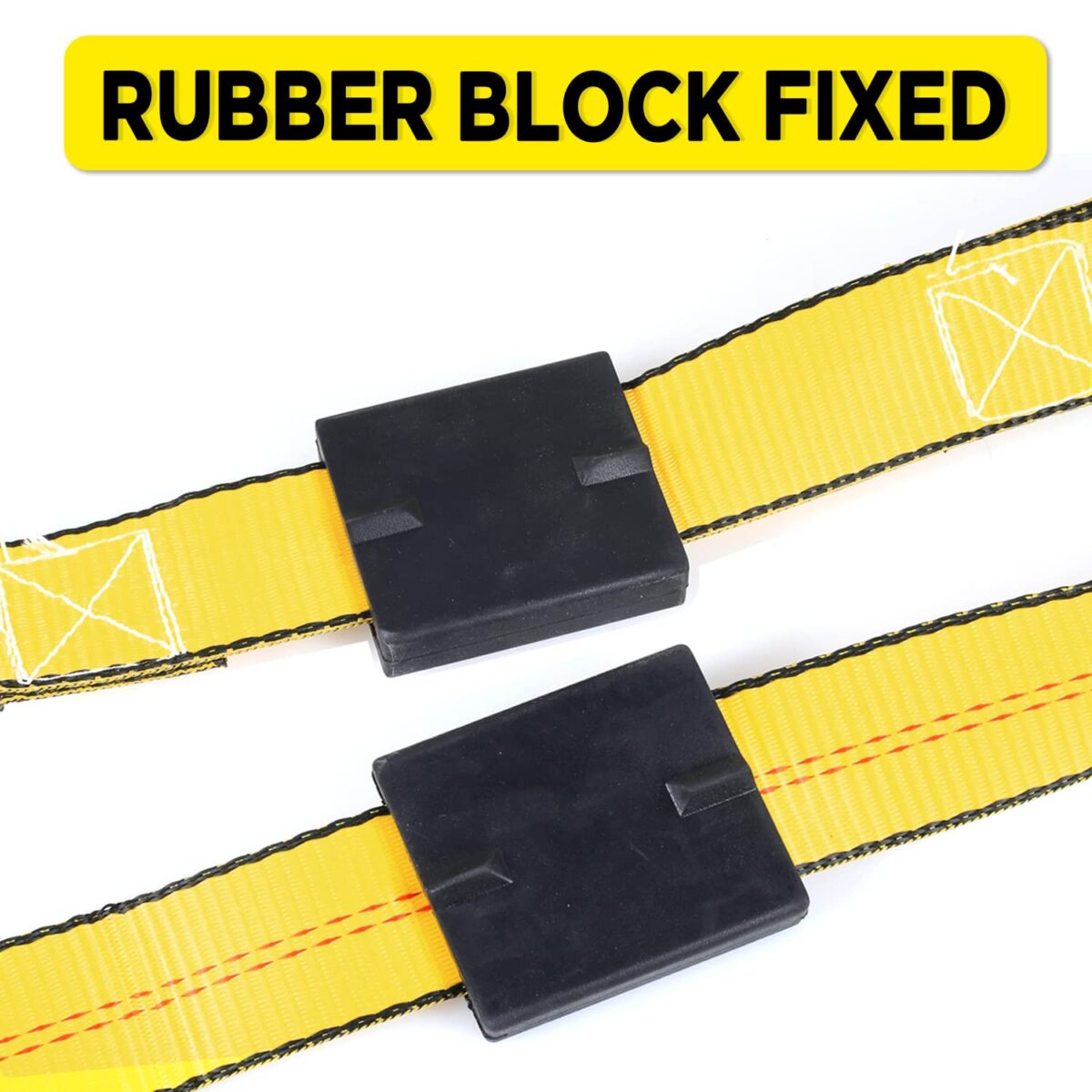
In many vehicle transport communities and trailer owner discussions, tie down straps are considered one of the most reliable ways to secure a car during transportation.
For example, several trailer owners report that wheel-based tie down systems work especially well for long-distance transport because they allow the vehicle’s suspension to move naturally while still keeping the car firmly in place.
One trailer user shared that switching from basic rope securing methods to heavy-duty ratchet straps improved safety significantly during highway transport. The vehicle remained stable even during sudden braking or rough road conditions.
Transport professionals also recommend inspecting straps regularly and choosing straps rated higher than the vehicle’s weight. This practice helps prevent failures caused by excessive load stress.
Real user experiences highlight three key lessons:
- High-quality straps improve safety during transport
• Proper installation matters as much as strap quality
• Regular inspection prevents equipment failure
These insights show why tie down straps are widely trusted by vehicle transport professionals.
What Common Problems Occur With Car Tie Down Straps and How Can You Fix Them?
Even durable straps can experience issues if they are used incorrectly or exposed to harsh conditions.
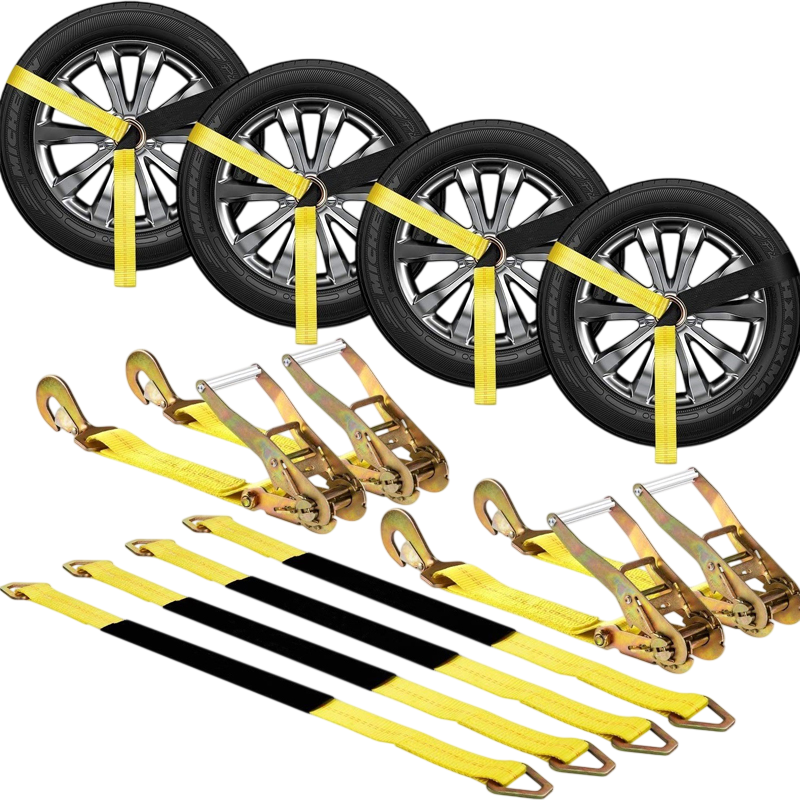
Common problems include:
- Loose Straps
Solution: Re-tighten ratchets and check tension after driving a short distance. - Frayed Webbing
Solution: Replace damaged straps immediately. - Rusty Ratchet Mechanism
Solution: Clean and lubricate the ratchet system regularly. - Strap Twisting
Solution: Ensure the strap lies flat during installation. - Improper Anchor Points
Solution: Use only certified trailer anchor points. - Overloading
Solution: Always check the working load limit before use.
Regular inspection and maintenance can extend the lifespan of tie down straps.
Are There Any Myths About Car Tie Down Straps?
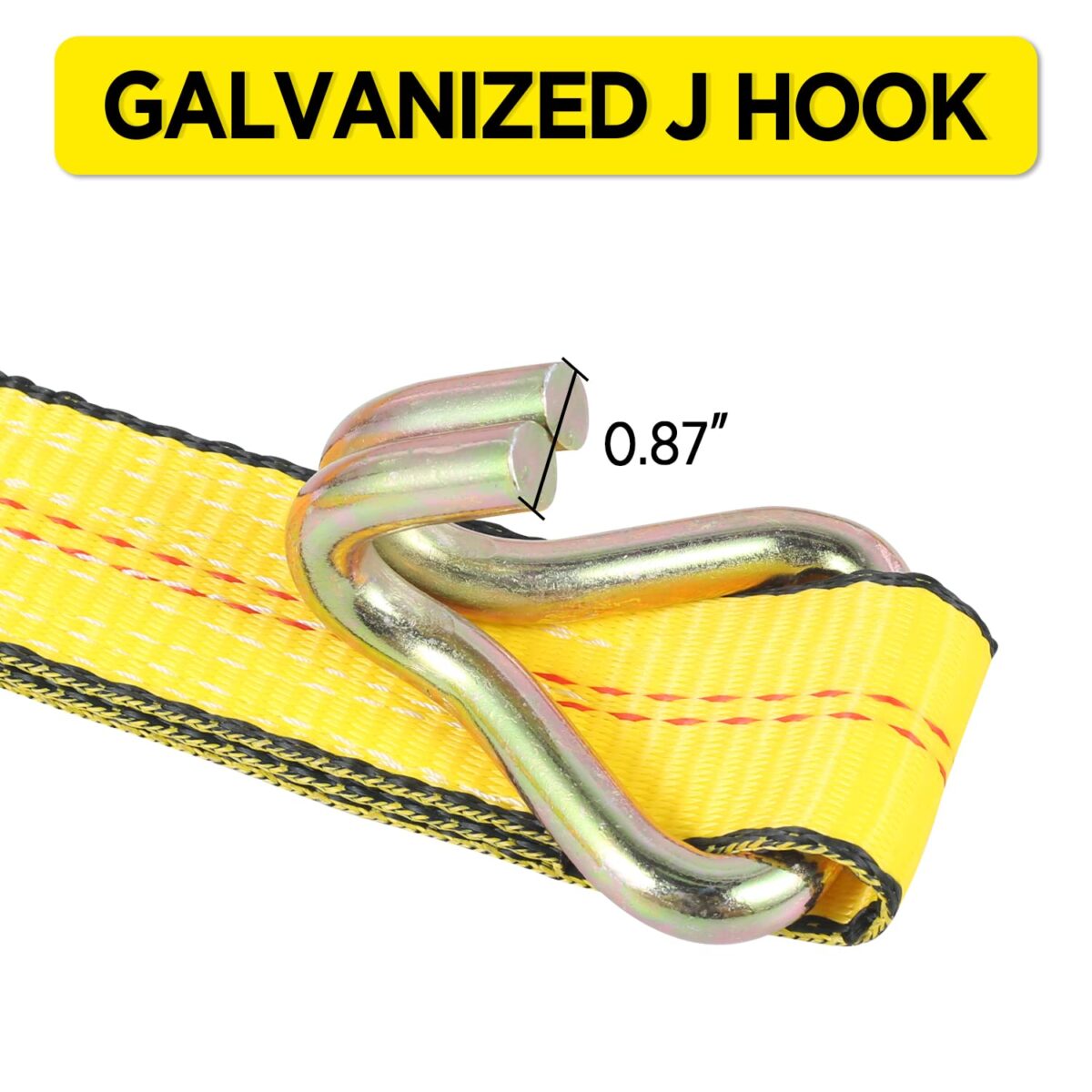
There are several misconceptions about tie down straps that can lead to unsafe usage.
Common myths include:
- Myth: Any strap can secure a car
Fact: Only heavy-duty rated straps should be used. - Myth: Chains are always stronger
Fact: Quality straps can handle heavy loads safely. - Myth: One strap is enough
Fact: Most vehicles require at least four tie downs. - Myth: Tightening once is enough
Fact: Straps should be checked during the trip. - Myth: Old straps still work fine
Fact: Worn straps can fail under tension.
Understanding these myths helps users avoid common mistakes.
What Should You Consider Before Buying Car Tie Down Straps?
Choosing the right tie down straps requires careful evaluation of several factors.
Important buying considerations include:
- Working Load Limit (WLL)
The strap should support more weight than the vehicle being transported. - Material Quality
Polyester straps are preferred due to durability and low stretch. - Ratchet Mechanism Strength
Heavy-duty ratchets allow better tightening. - Hook Type
Flat hooks or snap hooks provide secure attachment. - Length of Strap
Ensure the strap is long enough for your trailer setup. - Weather Resistance
UV-resistant straps last longer outdoors.
10 Pros of Car Tie Down Straps
- Provide precise, adjustable tension without over-tightening, reducing risk of vehicle damage.
- Lightweight and easy to handle compared to chains, simplifying setup for solo users.
- Non-marring materials (with proper padding) protect paint, rims, and frames during contact.
- High break strength (often 5,000–10,000 lbs per strap) handles most passenger vehicles securely.
- Versatile end fittings (J-hooks, flat hooks, soft loops) fit various trailer anchor points.
- Resistant to rust and corrosion, unlike metal chains, for long-term outdoor storage.
- Quiet operation, no clanking noise during transport on highways.
- Compliant with DOT/FMCSA standards when properly rated and used.
- Affordable compared to specialized wheel nets or permanent tie-down hardware.
- Compact storage when coiled, fitting easily in truck beds or toolboxes.
10 Cons of Car Tie Down Straps
- Can loosen slightly from vibration or wheel rotation on long drives, requiring periodic re-checks.
- Susceptible to UV degradation and abrasion over time if not stored properly.
- Lower working load limit than chains, limiting use for extremely heavy or oversized loads.
- Risk of pinching fingers or hands during ratcheting if not operated carefully.
- Excess webbing tails can flap in the wind, creating noise or potential snags.
- Improper threading or twisting reduces effective strength significantly.
- May stretch minimally under sustained dynamic forces, unlike rigid chains.
- Require more time to thread and tension compared to quick wheel nets or over-tire designs.
- Edges can fray on sharp trailer corners without added protectors.
- Not ideal for frequent professional use where speed of setup is critical (retractables often preferred instead).
These points focus on practical performance aspects for vehicle hauling balancing security, ease, and durability in real-world 2026 conditions.
Frequently Asked Questions About GO RHINO Car Tie Down Straps
Ratchet tie down straps use a mechanical ratchet handle to apply high, controlled tension, making them ideal for heavy vehicles and long-distance hauls where maximum security is needed. Cam buckle straps rely on a simpler lever system and provide lighter, quicker tension, which suits smaller loads or short trips but offers less holding power under dynamic forces. For most car transport needs in 2026, ratchet-style straps like GO RHINO’s deliver superior reliability and load control.
Yes, high-quality ratchet tie down straps work effectively on both open trailers and enclosed carriers, as long as the trailer has secure, rated anchor points. The key is choosing straps with versatile hook options and adequate length to reach D-rings or E-track without awkward angles. GO RHINO straps are designed with flexibility in mind, so they adapt well to different trailer setups while maintaining strong, even tension.
Inspect the webbing for any signs of discoloration, stiffness, or surface cracking, which can indicate UV or moisture damage even when stored indoors. Check the ratchet mechanism for smooth operation and the hooks for rust or deformation. If everything looks and functions normally with no visible wear, the straps remain safe GO RHINO recommends a quick visual and functional check before every use to confirm readiness.
Absolutely GO RHINO ratchet straps are strong enough to handle the heavier curb weight and higher center of gravity typical of many EVs. Their soft-loop protectors and coated hooks help prevent damage to battery trays, underbody panels, or delicate wheel finishes. The high working load limits make sure secure transport whether you’re hauling a Tesla, Rivian, or similar model across state lines.
Stiffness often comes from road grime, salt buildup, or lack of lubrication in the moving parts. Gently clean the mechanism with a damp cloth and mild soap, then apply a light spray of dry silicone lubricant to the pivot points and pawl. Avoid oil-based products, as they attract dirt after this simple maintenance, GO RHINO ratchets typically return to smooth, effortless operation.
Extreme sun in southern states accelerates UV breakdown, while northern winter salt and ice can cause abrasion or corrosion on hardware. Humid coastal areas may encourage mildew if straps are stored wet. GO RHINO straps use advanced UV-resistant and weatherproof coatings on the webbing and protective finishes on metal parts, helping them withstand varied climates longer than standard options.
Minor surface abrasion can sometimes be monitored, but any cut, tear, burn, or stitching failure in the webbing makes the strap unsafe and non-repairable according to industry standards. Hardware damage like bent hooks or worn ratchet gears also requires full replacement. For safety and DOT compliance, GO RHINO advises replacing any compromised strap rather than attempting DIY fixes.
Storage bags protect straps from dirt, sunlight, and tangling when not in use, extending their lifespan significantly. They also keep your truck bed or garage organized and make it easier to transport a complete set. GO RHINO includes heavy-duty, zippered storage bags with every kit so you can keep your straps clean, dry, and ready for the next haul without extra purchases.
Using only two straps is not recommended for safe vehicle transport, as it fails to adequately control forward, rearward, and side-to-side movement during braking, acceleration, or turns. Federal guidelines and best practices require at least four independent tie downs for automobiles to distribute forces evenly. GO RHINO kits are built around the four-strap standard to make sure full stability and compliance.
GO RHINO offers competitive pricing while delivering comparable or better durability, thoughtful protective features, and user-friendly design elements. Many premium competitors charge significantly more for similar break strengths and hook styles. By focusing on value without cutting corners on quality, GO RHINO provides excellent performance at a price that makes upgrading your hauling setup affordable for both occasional and frequent users in 2026.
Final Conclusion
Are Car Tie Down Straps Necessary for Safe Vehicle Transport?
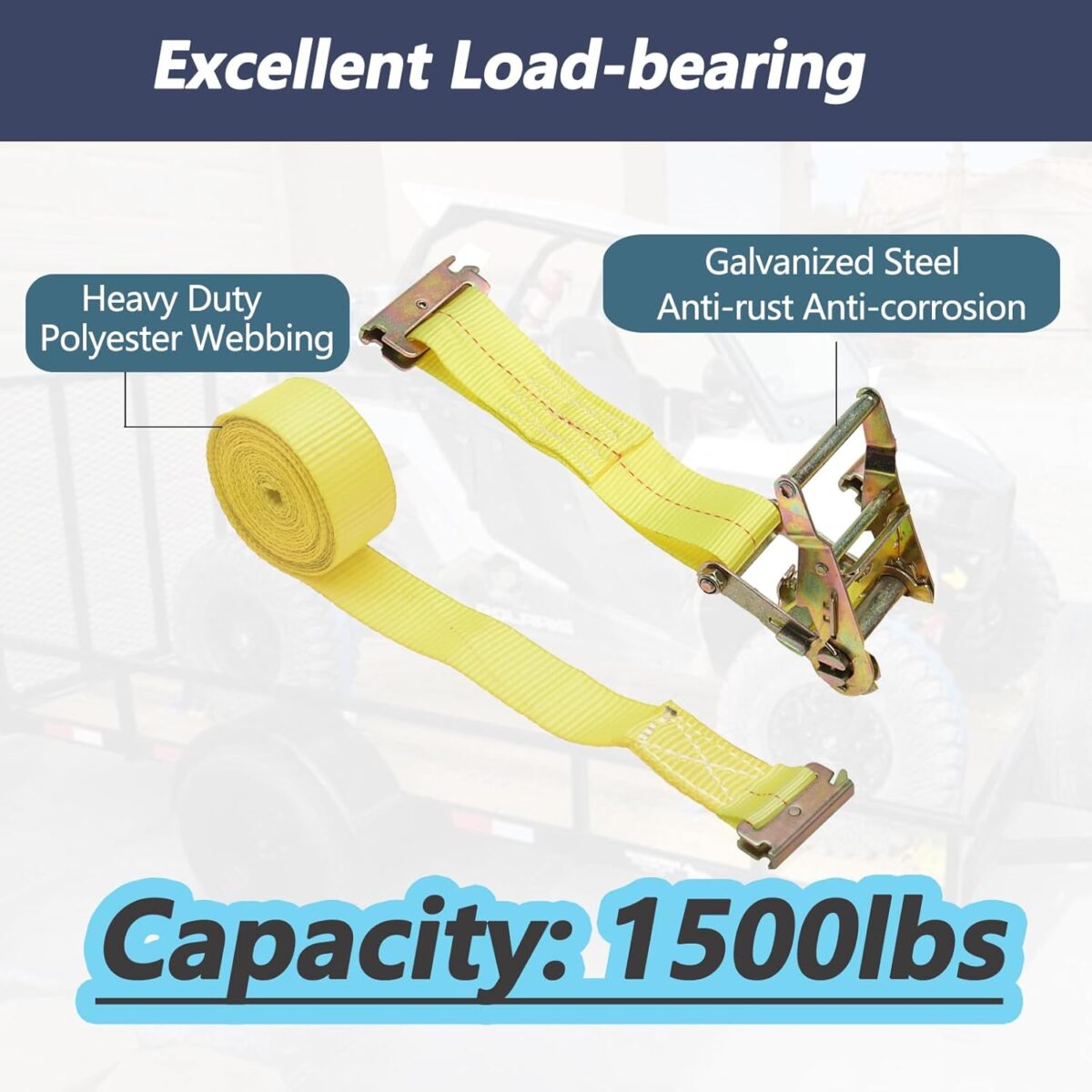
Car tie down straps are essential tools for anyone transporting vehicles using trailers or flatbeds. They provide a secure and adjustable way to keep vehicles stable during transit.
When used correctly, high-quality straps can prevent movement, protect the transported vehicle, and improve road safety. Choosing durable straps, installing them properly, and inspecting them regularly ensures reliable performance.
For vehicle owners, transport companies, and trailer users, investing in strong tie down straps is a practical step toward safer transportation.