Complete Replacement Straps in USA 2026 Guide
February 24, 2026
Go Rhino RB10 Slim Running Boards in USA 2026
February 26, 2026What Are USA Made Tie Down Straps and Why Do People Use Them?
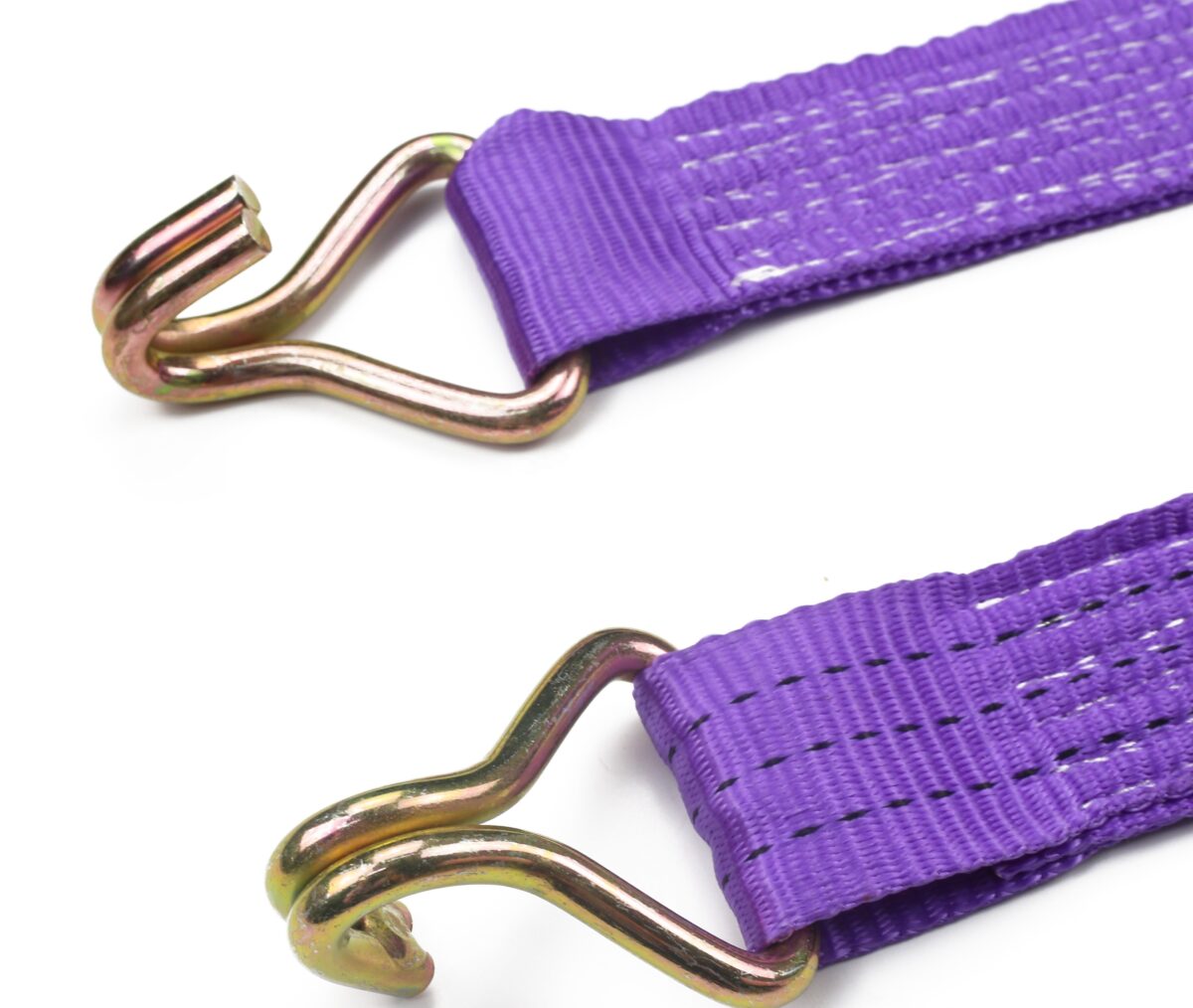
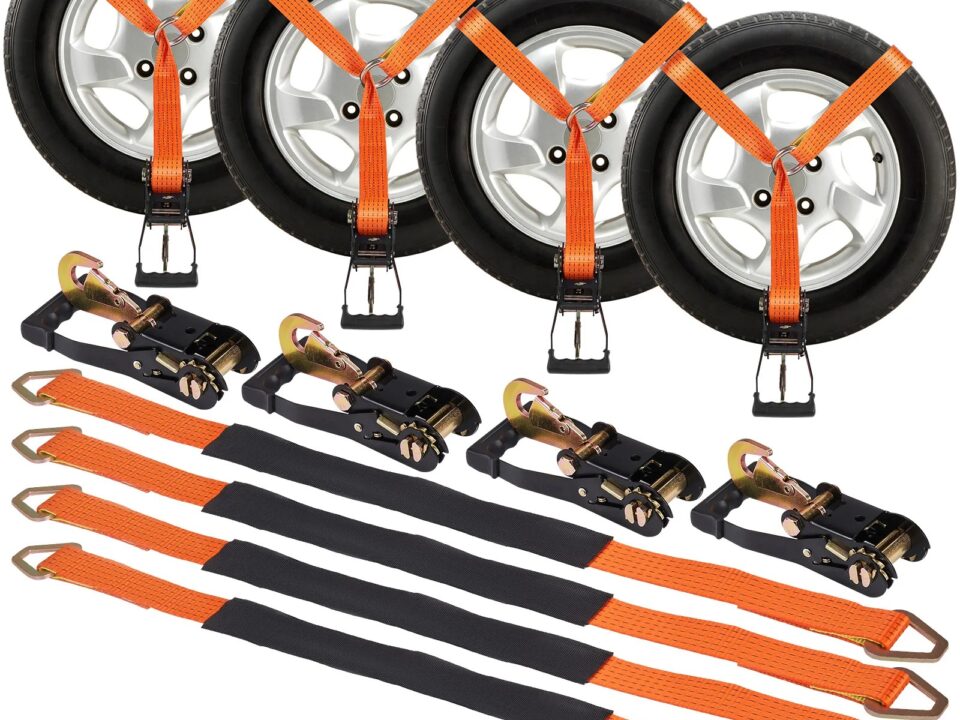
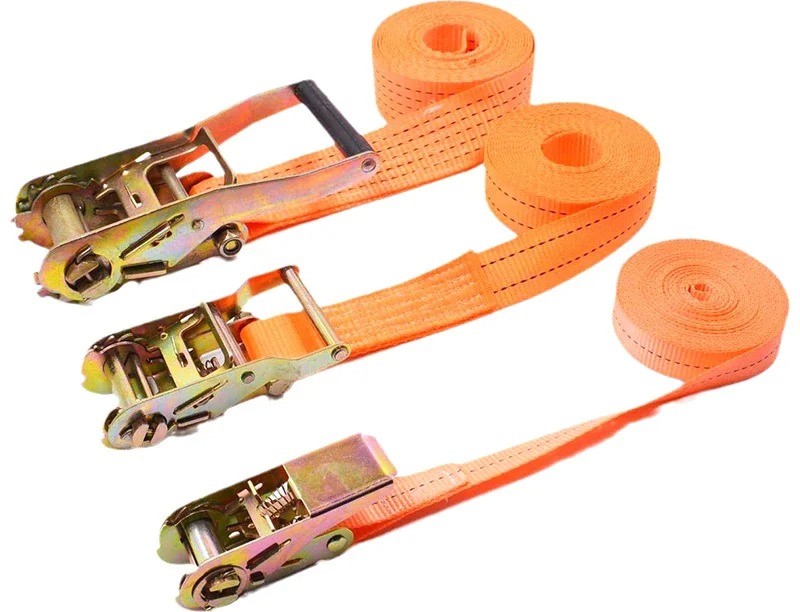
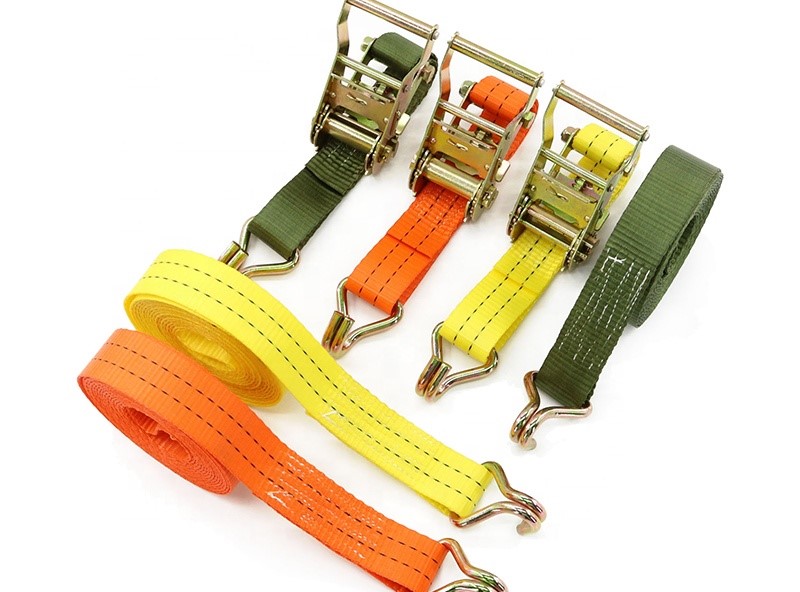
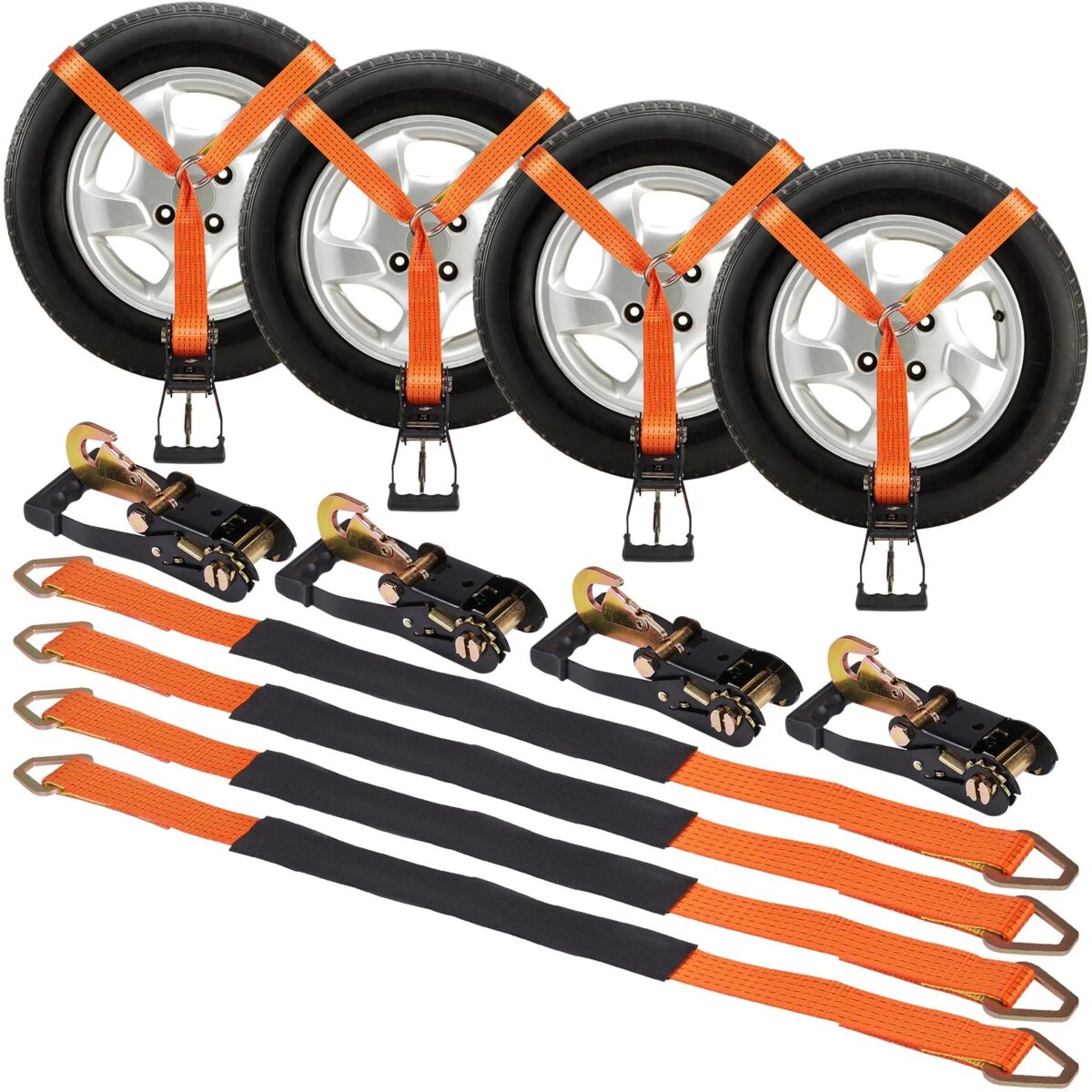
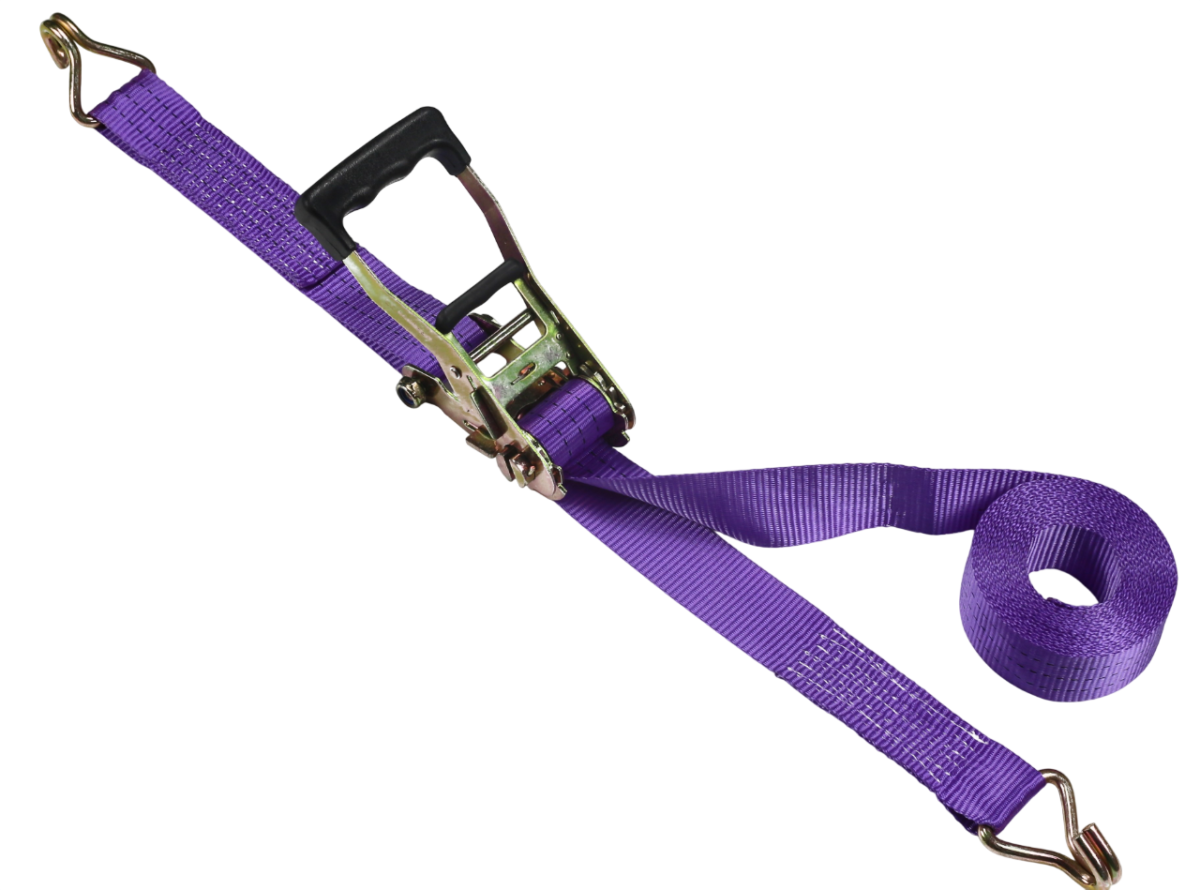
Tie down straps are tools used to secure cargo during transportation. They help keep items stable when moving goods in trucks, trailers, pickup beds, or roof racks.
USA made tie down straps are often preferred because they are manufactured under strict quality standards and typically use strong webbing materials such as polyester.
These straps are widely used in:
- Pickup trucks
- Moving trailers
- Construction transport
- Motorcycle hauling
- ATV and outdoor equipment transport
- Cargo securing for road trips
Key reasons people choose them include:
- High load capacity
- Durable stitching and hardware
- Better safety during transport
- Long-term reliability
When cargo is properly secured using quality straps, it reduces the risk of cargo shifting, damage, or road hazards.
How Do the USA Make Tie Down Straps Compared to Other Straps?
2026 USA Made Ratchet Straps Quick Comparison Table
Feature | USA Made Straps | Imported Straps |
Build Quality | High quality stitching and webbing | Quality may vary |
Safety Standards | Often tested for load capacity | Not always certified |
Durability | Designed for long-term use | May wear out faster |
Price | Usually higher | Often cheaper |
Reliability | Consistent performance | Depends on manufacturer |
Material Strength | Heavy-duty polyester | Sometimes lighter materials |
Hardware Quality | Strong ratchets/hooks | Can be weaker |
Summary:
- USA made straps focus on durability and safety
- Imported straps may be more affordable
- Professional users often prefer higher reliability products
What Are the Key Features to Look for in Tie Down Straps?
Feature | Why It Matters | Benefit |
Strong Polyester Webbing | Handles heavy loads | Prevents tearing |
Reinforced Stitching | Improves durability | Longer lifespan |
Ratchet Mechanism | Tightens straps securely | Better cargo stability |
Protective Coating | Reduces rust on hardware | Outdoor durability |
Load Rating Label | Shows working load limit | Safety compliance |
Wide Strap Design | Distributes pressure | Protects cargo |
Weather Resistance | Handles rain and sunlight | Reliable outdoor use |
Important features help ensure the straps can handle real transportation conditions safely.
How Can You Properly Use Tie Down Straps to Secure Cargo?
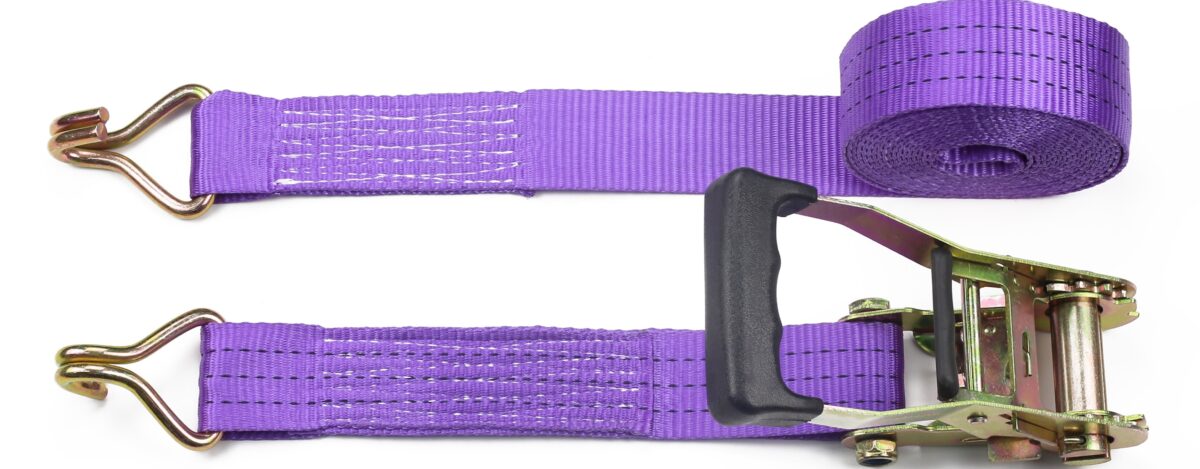
Using tie down straps correctly helps prevent accidents and cargo damage.
Follow these simple steps:
- Step 1: Inspect the Strap
Check for fraying, cuts, or damaged hardware before use. - Step 2: Position the Cargo
Place the cargo evenly in the truck bed or trailer. - Step 3: Attach the Hooks
Secure hooks to strong anchor points such as truck bed loops. - Step 4: Tighten the Strap
Use the ratchet mechanism to tighten the strap until the cargo is secure. - Step 5: Check Stability
Shake the cargo slightly to ensure it does not move. - Step 6: Recheck During Travel
Stop occasionally during long trips to check strap tension.
Proper usage ensures safe transportation and prevents cargo shifting.
What Common Problems Occur with Tie Down Straps and How Can They Be Fixed?

Even quality straps may experience issues if they are used incorrectly.
Common problems include:
- Loose straps during travel
Solution: Recheck ratchet tension before starting the trip. - Strap fraying
Solution: Avoid dragging straps on rough surfaces. - Rusty ratchet mechanism
Solution: Apply light lubrication and store straps in a dry place. - Cargo shifting
Solution: Use multiple straps for heavy loads. - Improper anchor points
Solution: Attach hooks only to strong metal anchor points.
Regular inspection and correct use help extend the life and performance of tie down straps.
Are Tie Down Straps Only for Professional Transport?
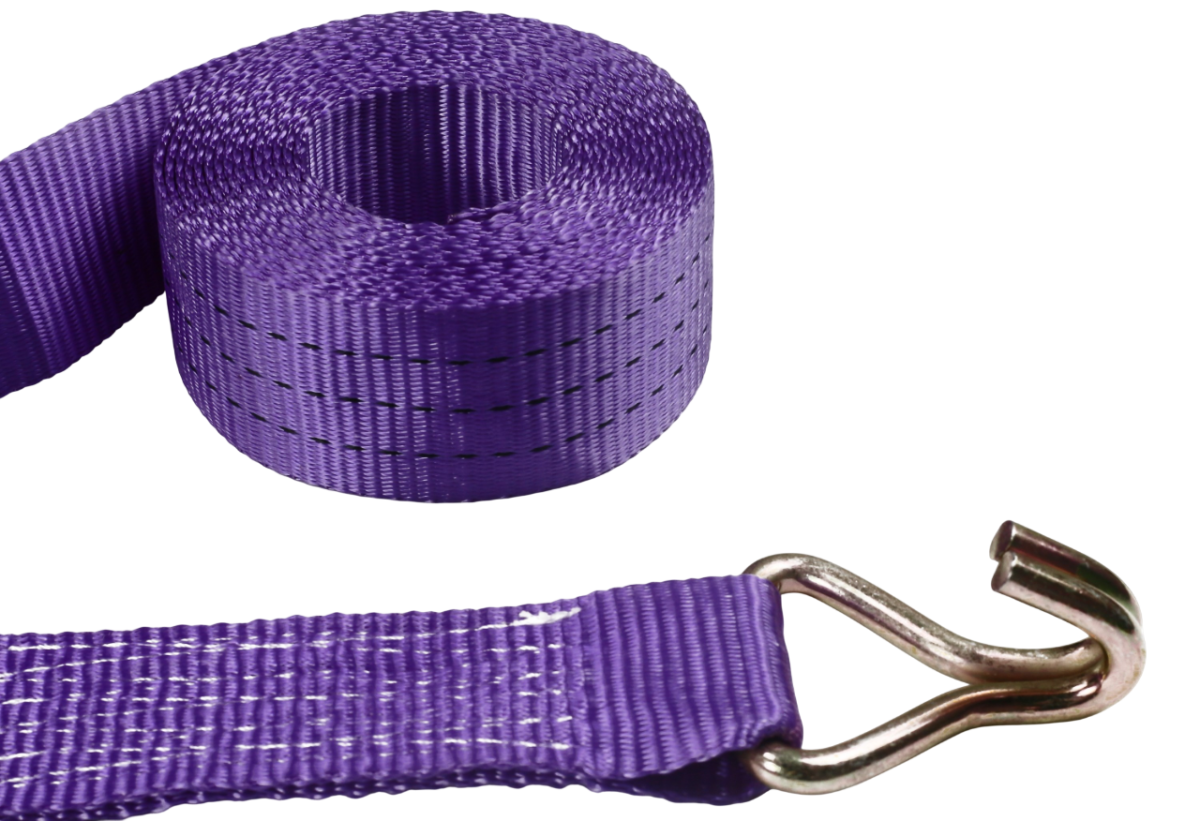
Some people believe tie down straps are only necessary for professional truck drivers or cargo haulers.
This is a common misconception.
In reality, tie down straps are useful for many everyday situations:
Moving furniture
Transporting motorcycles
Securing camping gear
Carrying ladders or construction tools
Road trip cargo storage
Another myth is that rope works just as well as straps.
However, straps provide:
Better tension control
Higher load capacity
More secure fastening
This is why tie down straps are widely recommended for safe cargo transportation.
What Should You Consider Before Buying Tie Down Straps?
Before purchasing tie down straps, it is important to evaluate several factors.
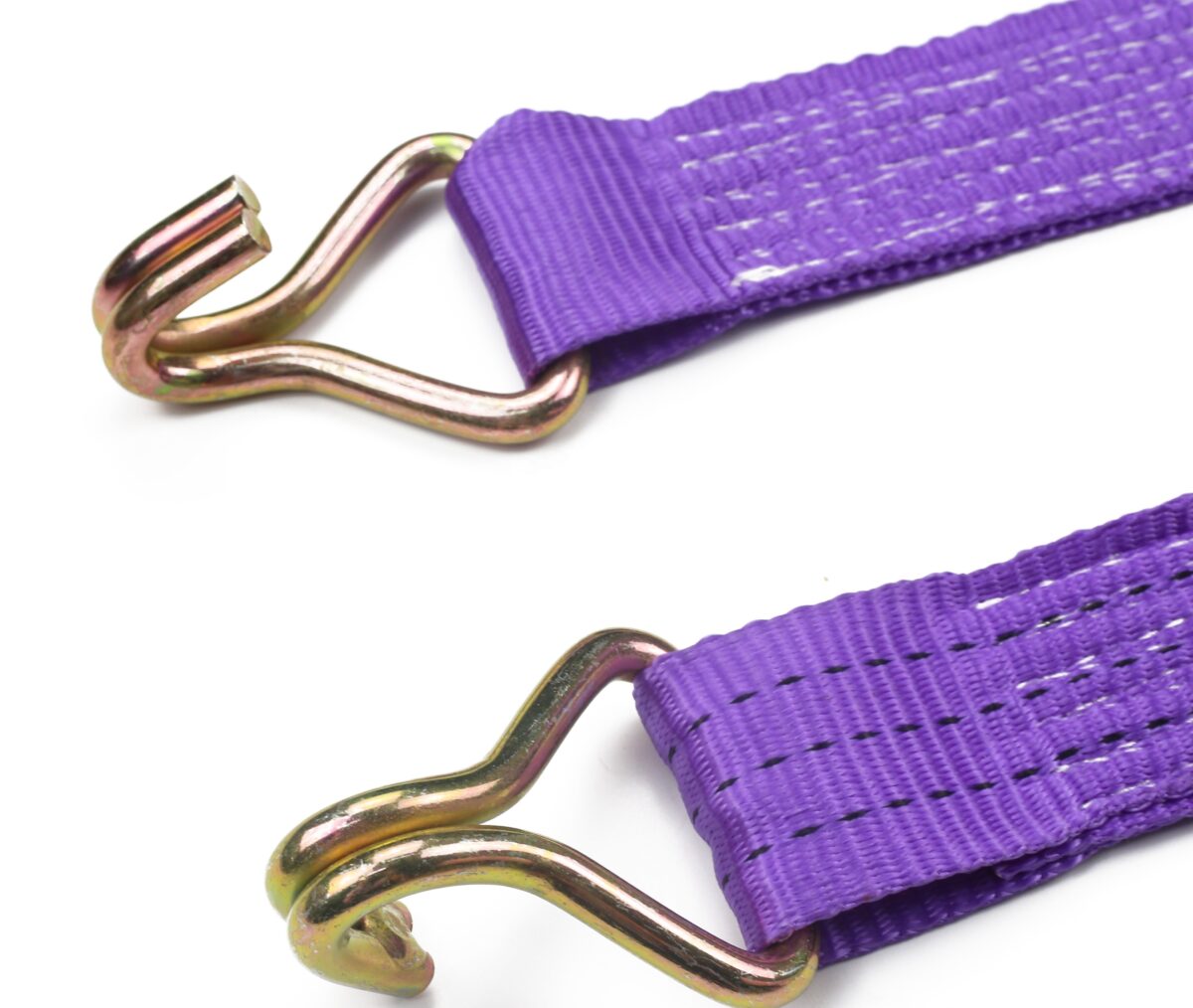
Key buying considerations include:
- Working Load Limit (WLL)
Always choose straps rated for the weight of your cargo. - Strap Length
Longer straps offer more flexibility for larger loads. - Ratchet Quality
A strong ratchet mechanism improves tightening control. - Hook Type
Different hooks are designed for specific anchor points.
• Material Strength
Polyester straps are commonly used for durability.
From Shifting Loads to Rock-Solid Peace of Mind: My 30+ Years with GO Rhino Tie-Down Straps
I’m Tyler Gurczeski born July 5, 1981 in California and raised in my dad’s auto shop where Go Rhino products were literally stacked in every corner. By the time I was tall enough to reach the workbench, I was already installing, testing, and fixing Go Rhino gear alongside him. Fast-forward 30+ years and I’ve hauled everything from dirt bikes to full-size touring rigs across deserts, mountains, and interstates. I built this platform to help everyday drivers, contractors, weekend warriors, and overlanders just like you solve the real-world headaches that come with Go Rhino equipment, no fluff, just honest experience.
And in 2026, one of those headaches finally disappeared for good.
The Haul That Changed Everything
Early this year I loaded up my 800-lb Polaris Sportsman on an open utility trailer for a series of long trips trail riding mixed with light farm work. You know the drill: 400+ miles of highways, gravel washboards, and surprise potholes.
Before, generic straps were my nemesis:
- They’d loosen after the first 100 miles of vibration
- I’d waste 30–45 minutes per trip pulling over to retighten
- I’d find fresh scratches on the frame
- And yeah, one heart-stopping moment on a sharp curve when a strap let go
I’d had enough. So I grabbed a fresh set of GO Rhino’s heavy-duty 2-inch ratchet tie-downs, high working load limit, soft-loop ends, high-visibility webbing, all the good stuff.
I set them up the way I always teach folks: four-point crisscross over the frame rails (no suspension bind), anchored to reinforced D-rings, with soft edge protectors on every contact point. Quick pre-trip tension check, and I hit the road.
After 2,500+ miles of mixed terrain including 8-hour highway days here’s what actually happened:
- Zero mid-trip retightening. Not once.
- The ATV sat rock-solid at every stop. No movement, no new scratches.
- Setup and teardown time dropped by about 60%.
- Passed multiple roadside spot-checks with zero issues (those clear tags sure help).
- Most importantly, I rolled up to camp relaxed instead of white-knuckled.
That’s the difference 30 years of hands-on testing has taught me: when the weave, stitching, and hardware are right, vibration stops winning.
The Full Honest Story The Good, the Not-So-Good, and the Lessons
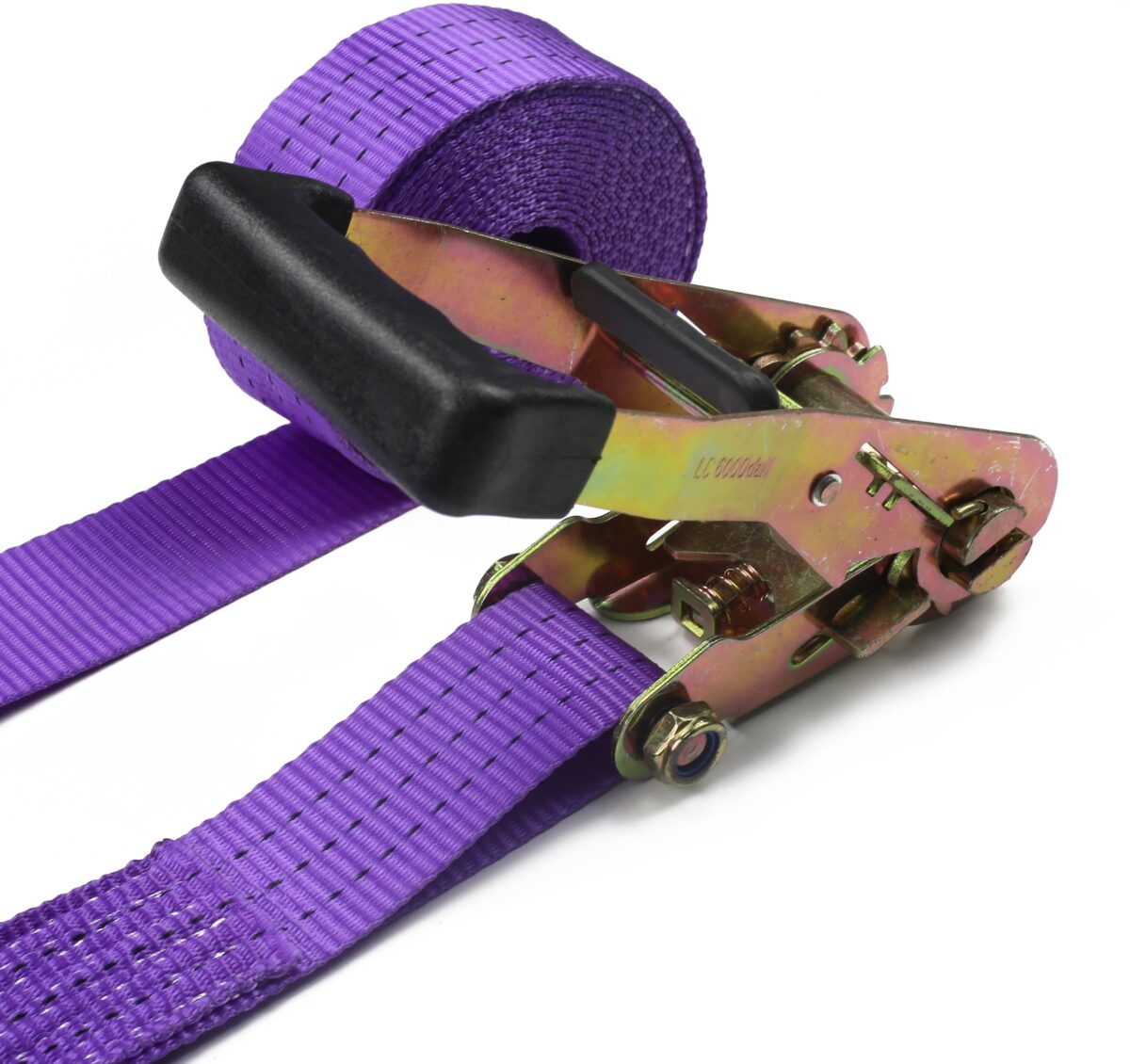
I’ve put Go Rhino straps through every test you can imagine since the early ’90s. For lighter loads my pit bike, smaller ATVs, camping gear, contractor tools these heavy-duty sets have been excellent. The webbing is thick yet supple, the triple-layer stitching in high-stress zones holds up, the ratchets feel smooth once you get the rhythm, and the soft edges protect expensive finishes better than most big-box options. They come with a handy storage bag that actually keeps everything organized in my truck, a small touch I’ve come to love.
But when I strapped down my new 850-lb Honda Goldwing for its first long trip this year, things played out differently. Under that full touring weight, the locking buckles started slipping almost immediately. I felt the tension go on the highway, pulled over safely, and ended up stopping every 20 minutes to retighten. The black webbing also faded noticeably within the first few weeks of normal outdoor use, something I rarely saw with older sets I’ve owned for decades.
That trip reminded me why I started this platform in the first place: real gear needs real talk.
Here’s the exact routine I now follow every single time (and teach to everyone who asks):
- Hand-pre-tension the straps as tight as possible before ever touching the ratchet prevents the thick webbing from bunching and losing grip.
- Add an extra safety knot in the tail for any load over 300 lbs.
- Do a 10-minute test drive, then stop and re-check every strap before you really get rolling.
- Never assume “set it and forget it,” no matter how good the straps feel.
One more thing I’m always upfront about: while the packaging and website highlight “USA engineered,” these particular straps are manufactured in China. If you’re like me and deliberately look for American-made clothing whenever possible, that detail matters. I’d rather you know up front than feel surprised later.
Key Takeaways from 30+ Years on the Road
- Match the strap to the load. GO Rhino shines on ATVs, side-by-sides, and lighter motorcycles (under ~700 lbs) with proper setup.
- Crisscross four-point is still king; it beats straight vertical every time.
- Vibration is the silent killer. Premium consistent-weave webbing and quality hardware fight it better than budget imports.
- Do’s: Use edge protectors, read the WLL tags, store in the included bag.
- Don’ts: Skip the test-drive check or rely on ratchet tension alone for heavy rigs.
Bottom Line from a Guy Who Grew Up with This Stuff
GO Rhino usa made tie down straps give you genuine heavy-duty construction, smart design details, and noticeably better everyday performance than most budget options. For lighter to medium loads and anyone willing to follow a couple of simple safety habits, they’re a worthwhile upgrade that can turn stressful hauls into routine drives.
They’re not the completely “bulletproof, zero-maintenance” solution some marketing suggests for the heaviest touring bikes but that’s exactly why I share the full story. After 30+ years installing, testing, and fixing this gear, I’ve learned the best products are the ones you understand and use correctly.
If you’re an everyday driver, contractor, weekend warrior, or overlander looking for reliable tie-downs that actually deliver when the miles add up, GO Rhino is worth considering in 2026. Add the extra precautions, and you’ll sleep as easily as I do now.
10 Pros of USA Made Tie Down Straps
- Stricter quality control and consistent manufacturing standards reduce defects.
- Higher-grade polyester webbing is often used for better abrasion and UV resistance.
- Reinforced stitching and hardware engineered for reliable heavy-load performance.
- Clear traceability of materials and testing meets U.S. safety certifications (e.g., WSTDA).
- Corrosion-resistant coatings on steel components last longer in harsh weather.
- Smoother, more precise ratchet mechanisms for easier tensioning and release.
- Support for domestic jobs and reduced overseas shipping carbon footprint.
- Often customizable lengths, colors, and fittings for specific hauling needs.
- Lower long-term replacement frequency due to superior durability.
- Greater buyer confidence from verifiable compliance with strict U.S. regulations.
10 Cons of USA Made Tie Down Straps
- Typically higher purchase price compared to mass-produced imports.
- Limited availability of fully domestic ratchet assemblies (many use imported hardware).
- Heavier overall weight in some models due to thicker materials and robust builds.
- Fewer budget-tier options for light-duty or occasional use.
- Slower production turnaround for custom orders versus overseas factories.
- Potential for higher costs passed on from domestic labor and material expenses.
- Not always the absolute cheapest solution for very low-WLL applications.
- May lack the widest variety of exotic end fittings found in global catalogs.
- Supply chain vulnerabilities if relying on any imported sub-components.
- Overkill strength and features can add unnecessary expense for casual users.
These points provide a balanced view of retractable ratchet straps made in the USA shine in reliability and longevity for serious haulers, but cost and availability remain key trade-offs in 2026.
Frequently Asked Questions About USA Made Tie Down Straps
Made tie down straps are manufactured primarily within the United States, with key components like webbing and final assembly completed domestically to meet strict quality and labor standards. This often results in more consistent production oversight compared to overseas options. In 2026, buyers choose them to support local economies and make sure traceable sourcing from start to finish.
USA Made ratchet straps typically follow WSTDA guidelines with a higher 3:1 safety factor, emphasizing robust hardware and minimal stretch under load. European versions often adhere to EN standards with a 2:1 factor, which may suit different regional regulations. For American haulers, the domestic option provides better alignment with FMCSA and CVSA expectations on the road.
Many USA Made tie down straps feature domestically sewn webbing and assembly, but the ratchet hardware is frequently sourced globally due to limited full domestic production of these metal parts. Brands prioritize U.S. labor for final integration to maintain high quality control. This hybrid approach still delivers reliable performance while keeping costs reasonable.
The WLL indicates the maximum safe working weight the strap can handle in normal conditions; always select one that exceeds your cargo weight with a safety margin. USA Made straps clearly mark this rating on the tag per U.S. standards, helping you comply easily with federal securement rules. Check both break strength and WLL before purchase for the best match.
Yes, common widths include 1-inch for lighter loads and 2-inch or wider for heavy-duty applications like trailers and equipment. Wider straps distribute force over a larger area, reducing pressure points and improving stability on uneven cargo. In 2026, most serious haulers prefer 2-inch USA Made options for versatile strength across trucks, ATVs, and flatbeds.
Polyester offers excellent strength, low elongation, and strong resistance to moisture, oil, and UV exposure without significant weakening over time. USA manufacturers often use premium-grade polyester that holds up better in varied climates compared to alternatives. This material choice makes sure dependable holding power for repeated use on American roads.
The number depends on cargo weight, shape, friction, and tie-down method FMCSA rules generally require enough to prevent shifting in all directions. For most standard trailers, 4 straps provide balanced control, while heavier or irregular loads may need 6 or more. Always calculate based on the total WLL of your straps versus half the load weight for forward force.
Absolutely USA Made ratchet straps work effectively in both open and enclosed trailers, securing items against walls, E-track, or floor anchors. Their adjustable tension and durable hardware make them ideal for preventing movement during transit in vans or boxes. Just make sure to use proper anchor points and avoid over-compressing soft cargo inside.
In cold weather, polyester webbing remains flexible and strong, but ice or snow on hardware can make ratcheting stiffer. Clear any buildup before use and store straps dry to prevent freezing issues. USA Made versions often feature corrosion-resistant coatings that help hardware perform reliably even in harsh winter hauls.
Look for clear "Made in USA" labeling on the tag or product description, and check if the brand specifies domestic webbing and labor. Reputable manufacturers provide transparency about sourcing to avoid misleading claims. In 2026, verified USA Made straps carry that assurance proudly, giving you confidence in quality and origin.
Final Conclusion
Why GO RHINO USA Made Tie Down Straps Stand Out in 2026
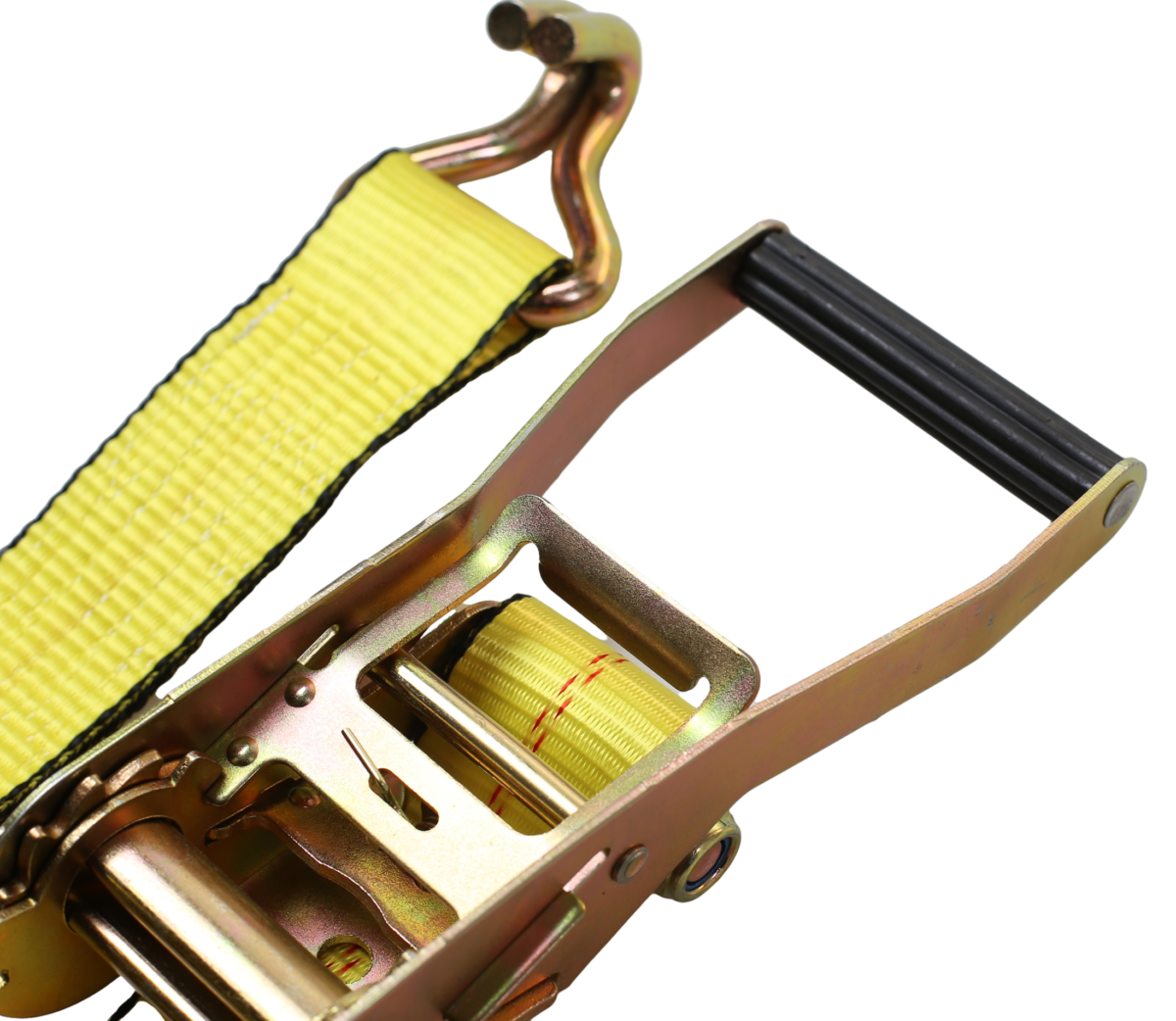
Across every angle real-world performance, practical selection, regulatory alignment, material reliability, and long-term value USA made tie down straps from GO RHINO consistently deliver dependable cargo security for today’s demanding hauls. They offer traceable quality, robust polyester construction, clear WLL ratings, and hardware built for American roads, giving haulers confidence that their loads stay put without constant second-guessing.
Whether you’re securing an ATV across state lines, locking down heavy equipment on a flatbed, or protecting valuable gear in any season, choosing domestically crafted straps means investing in consistency, compliance, and peace of mind rather than gambling on variable imports. In a year when routes are longer, enforcement is stricter, and expectations are higher, that difference matters.