
Cam Buckle Straps in USA 2026 Best from GO RHINO
February 21, 2026
Complete Guide E Track Straps in USA 2026
February 22, 2026Why Choose GO RHINO Car Tie Down Straps in 2026?
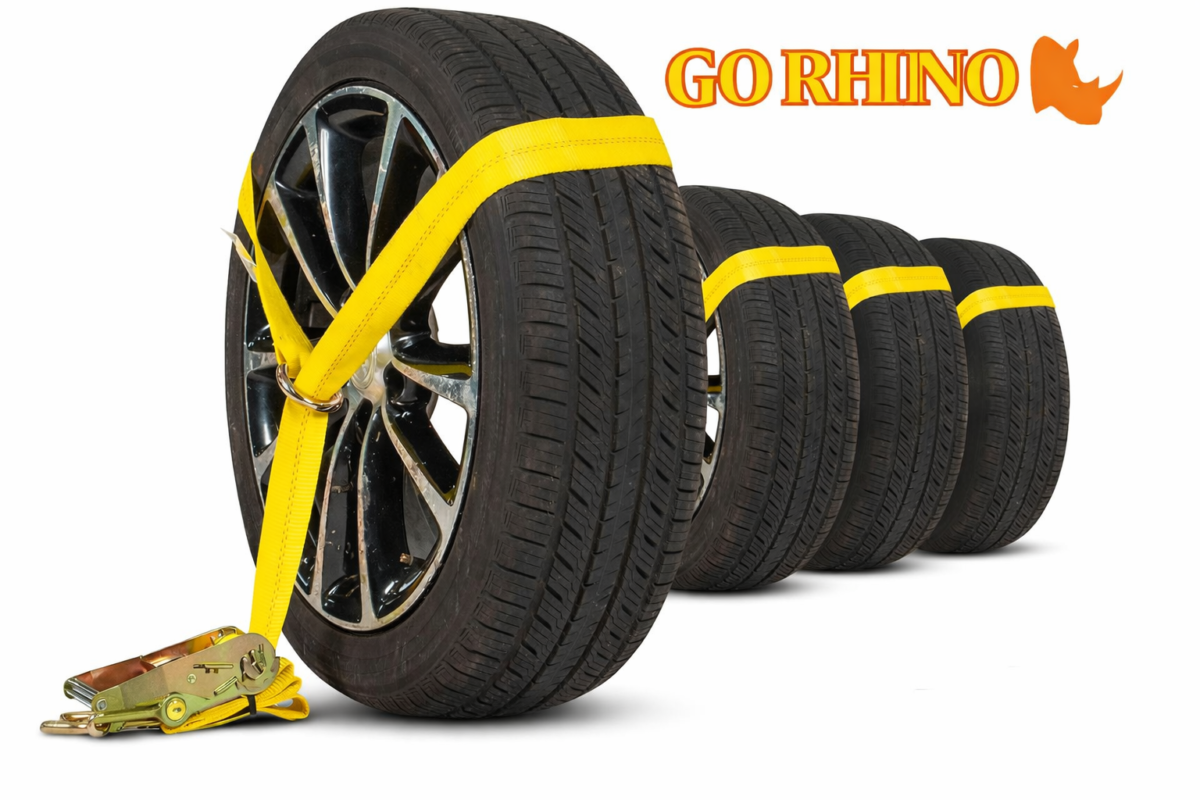
In 2026, safe vehicle hauling remains a top priority across the USA. With stricter FMCSA and DOT guidelines emphasizing load security, high-quality car tie down straps prevent shifts, damage, and roadside issues.
GO RHINO delivers durable, USA-tested solutions trusted by haulers nationwide.
- Built for cars, trucks, trailers, and auto transport
- High break strength and working load limits (WLL)
- Weather-resistant materials for long-term use
- Easy-to-use designs with secure hooks and ratchets
Top Features to Look for in Car Tie Down Straps 2026
Wondering what makes the best car tie down strap stand out this year?
Retractable Options
Self-retracting models for quick setup and no tangles
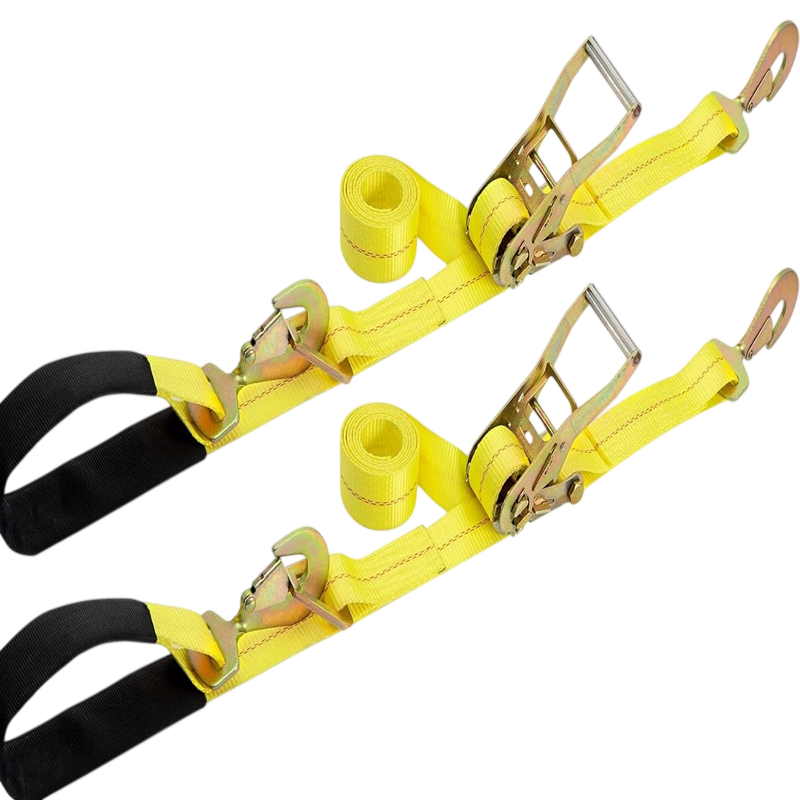
GO RHINO Heavy-Duty 2″ Vehicle Tie Down Kit Our Top Pick
GO RHINO’s heavy-duty car tie down straps lead the pack for 2026.
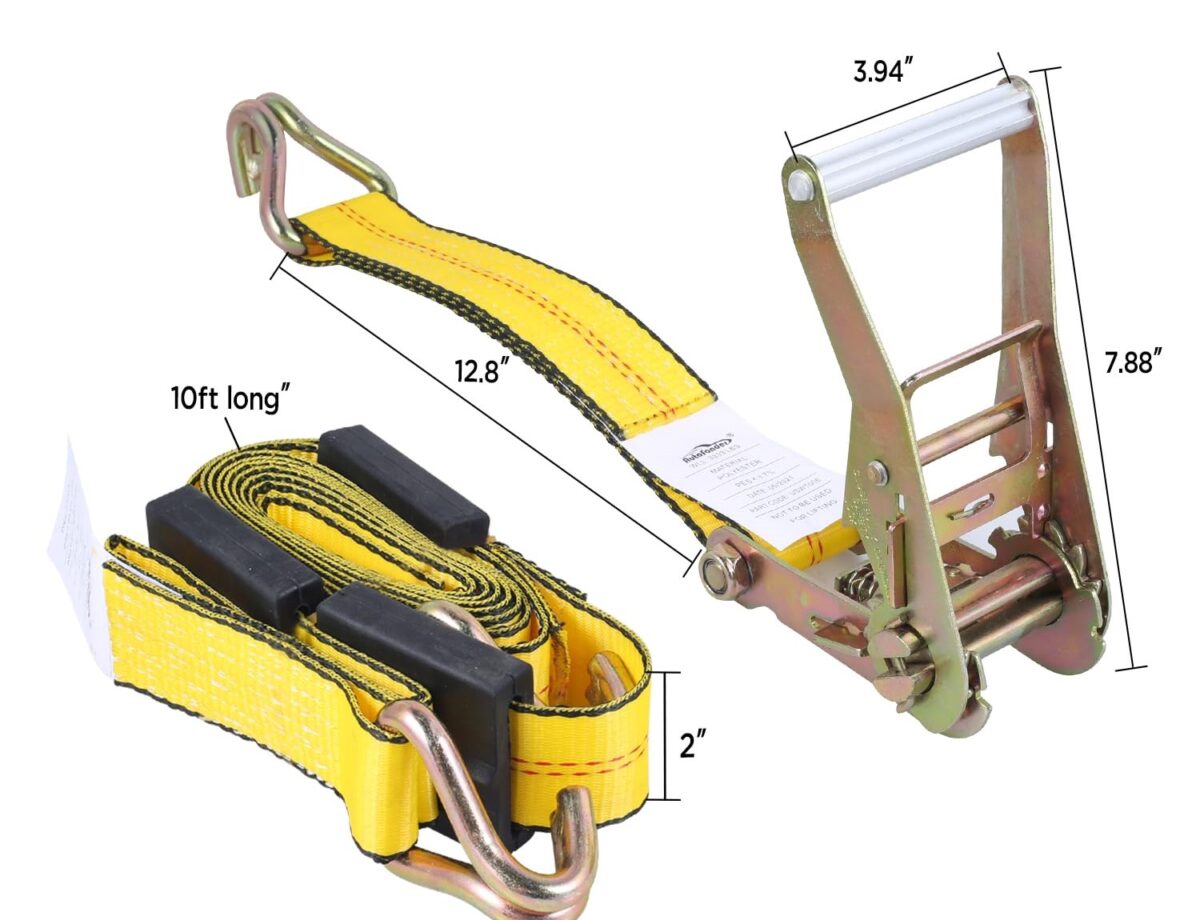
- 2-inch wide premium webbing
- Up to 10,000 lb break strength per strap
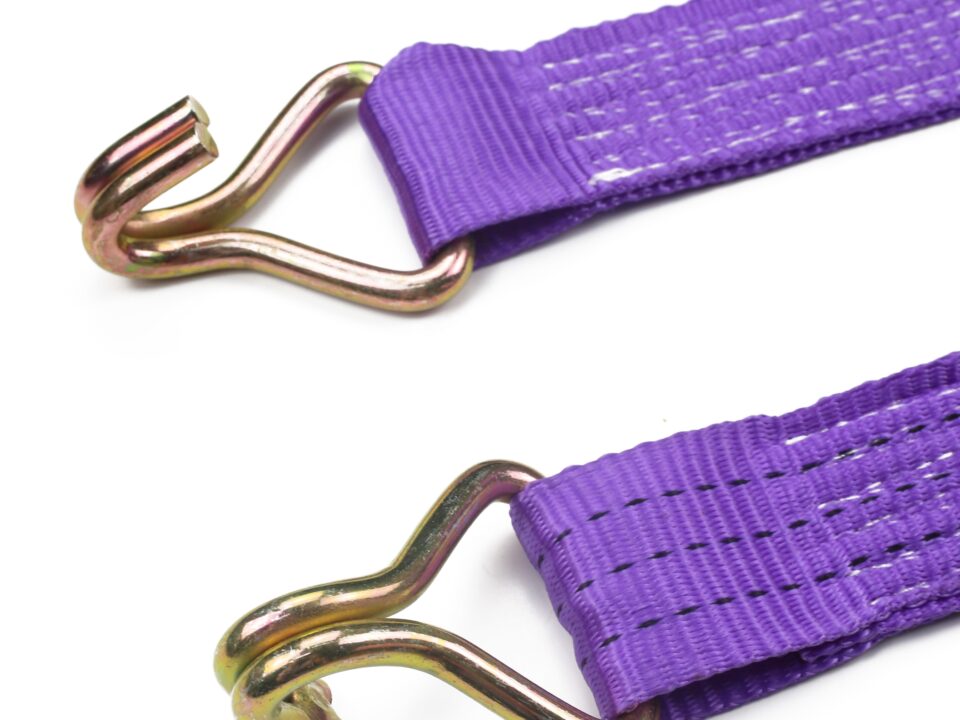
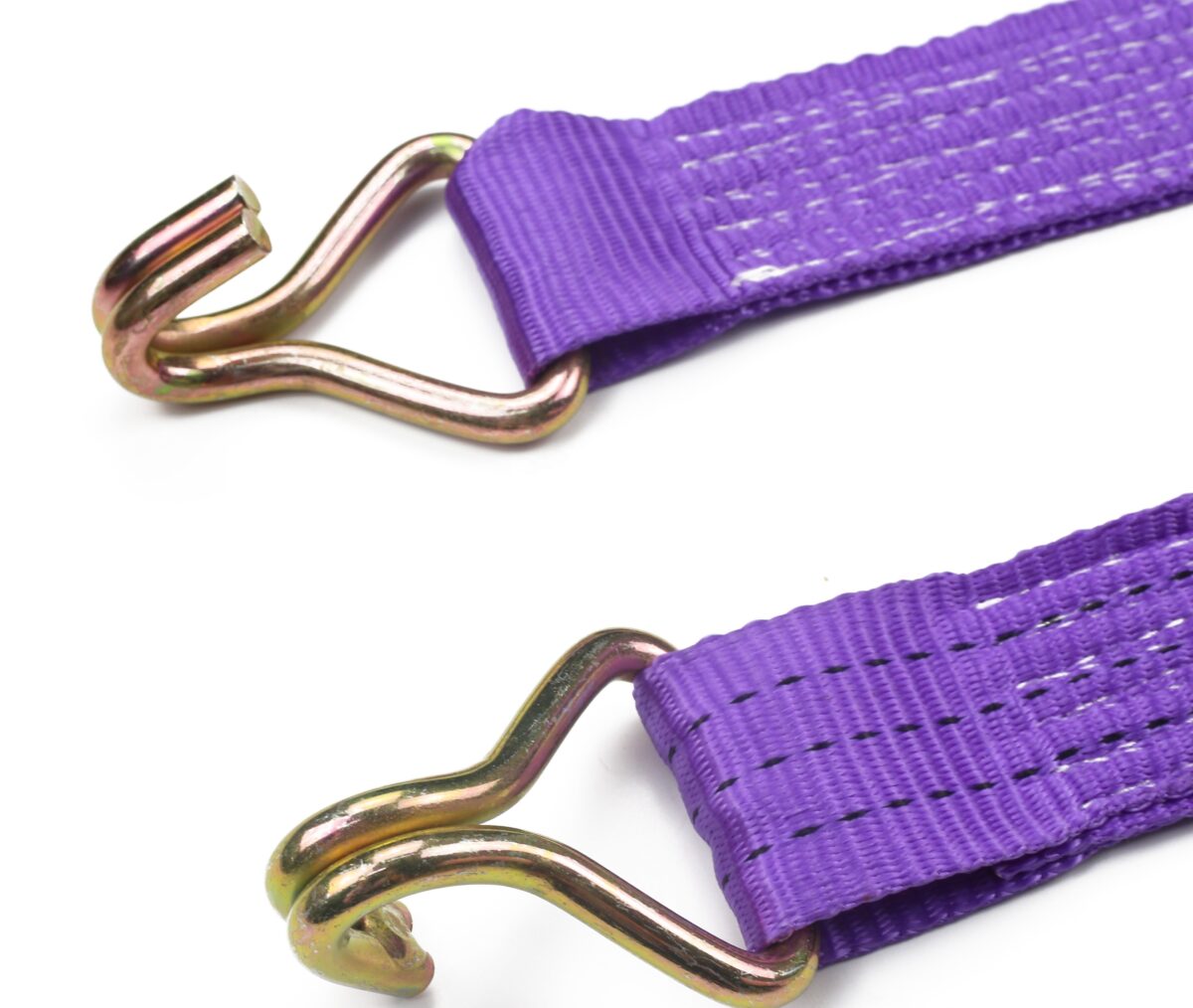
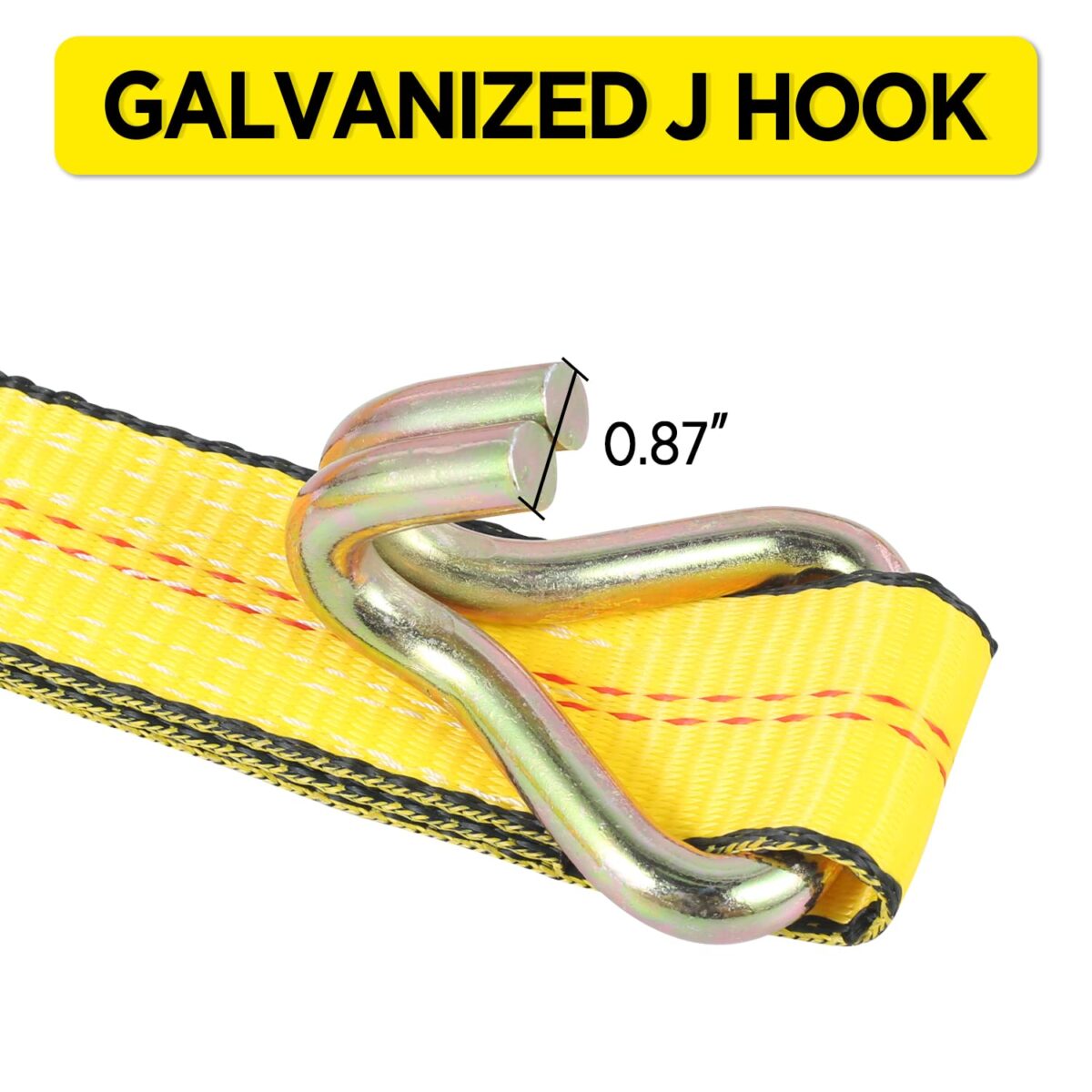
- Secure J-hooks or snap hooks with protective coatings
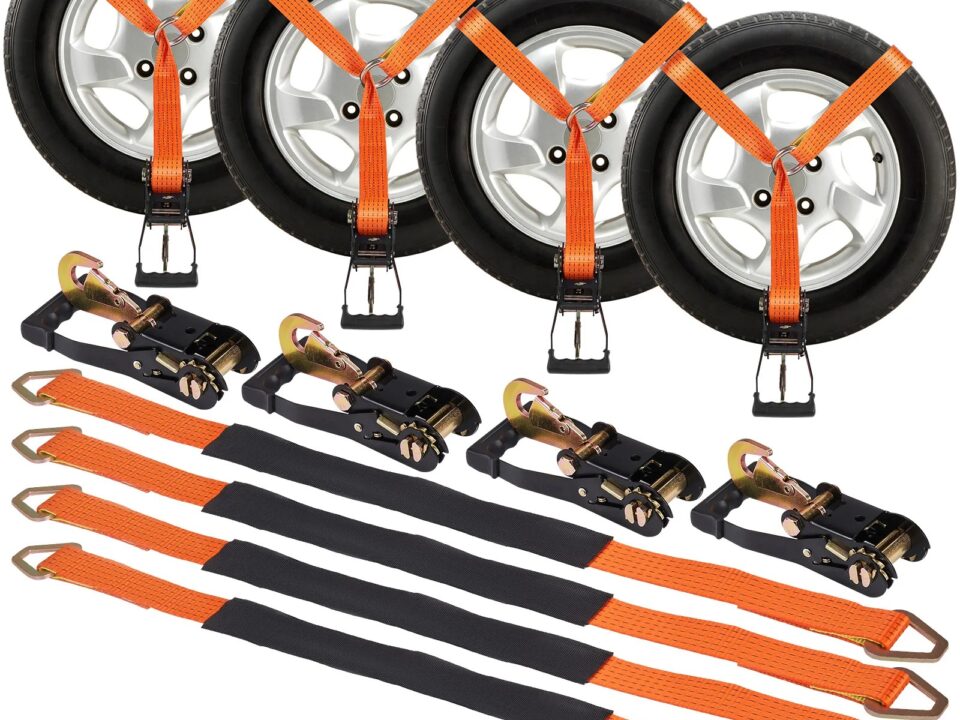
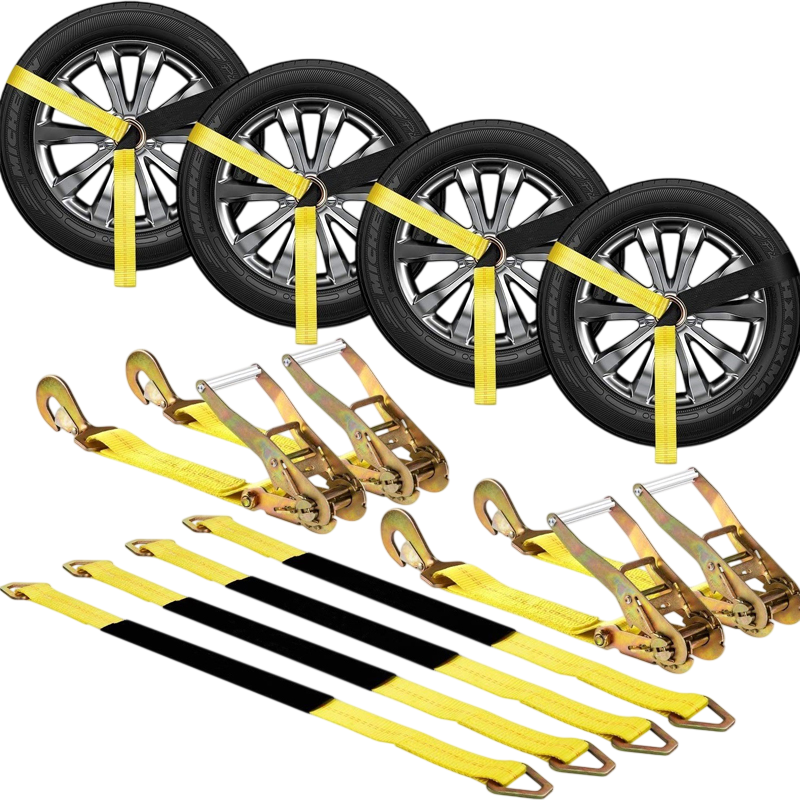
- 4-pack kits with ratchet handles and storage bag
- Ideal for towing, trailers, flatbeds, and enclosed carriers
These straps keep your car rock-solid during highway hauls or off-road adventures.
How to Properly Use Car Tie Down Straps for Maximum Safety
Follow these steps for secure transport:
- Inspect straps for wear, cuts, or fraying before each use
- Position straps at strong points (axles, frames, or wheels)
- Use at least four straps in a cross pattern
- Tighten ratchets evenly avoid over-tightening on painted surfaces
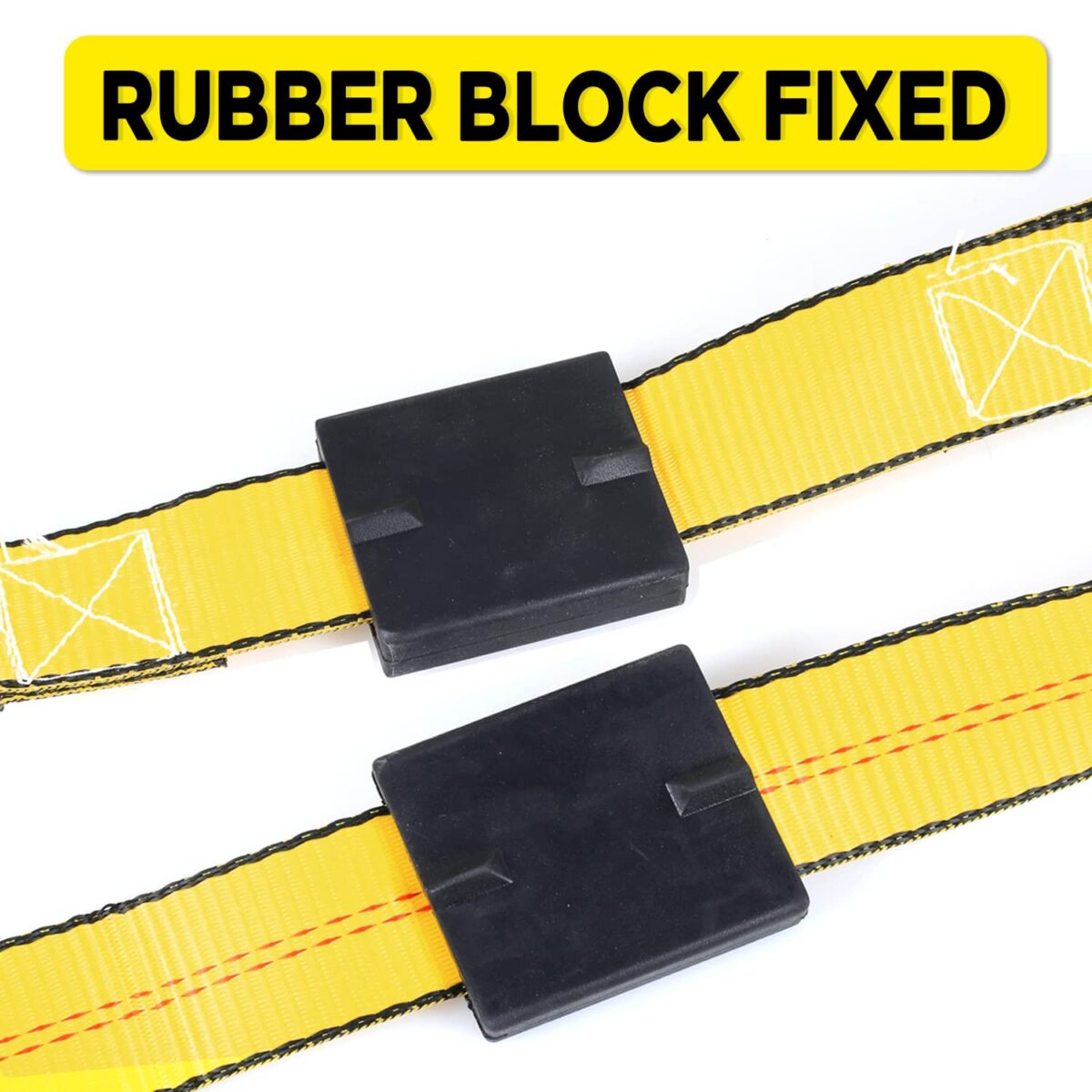
- Add soft loops or axle straps to prevent scratches
- Check tension after the first few miles
Pro tip: Replace straps every 1–2 years or after heavy use for peak performance.
2026 Trends in Car Tie Down Straps in the USA
Safety regulations drive innovation:
- Increased demand for retractable and self-tensioning designs
- Focus on higher WLL ratings to meet evolving FMCSA rules
- Eco-friendly, UV-resistant materials gaining popularity
- Bundled kits with multiple hooks and extensions for versatility
GO RHINO stays ahead with reliable, compliant products built for American roads.
GO RHINO vs Top Competitors
Best Car Tie Down Straps Comparison 2026
Choosing the right car tie down strap in 2026 means balancing strength, ease, and real-world reliability for safe vehicle transport across the USA. With updated DOT/FMCSA focus on secure loads, compare leading options side-by-side.
GO RHINO stands out for haulers who want heavy-duty performance without hassle.
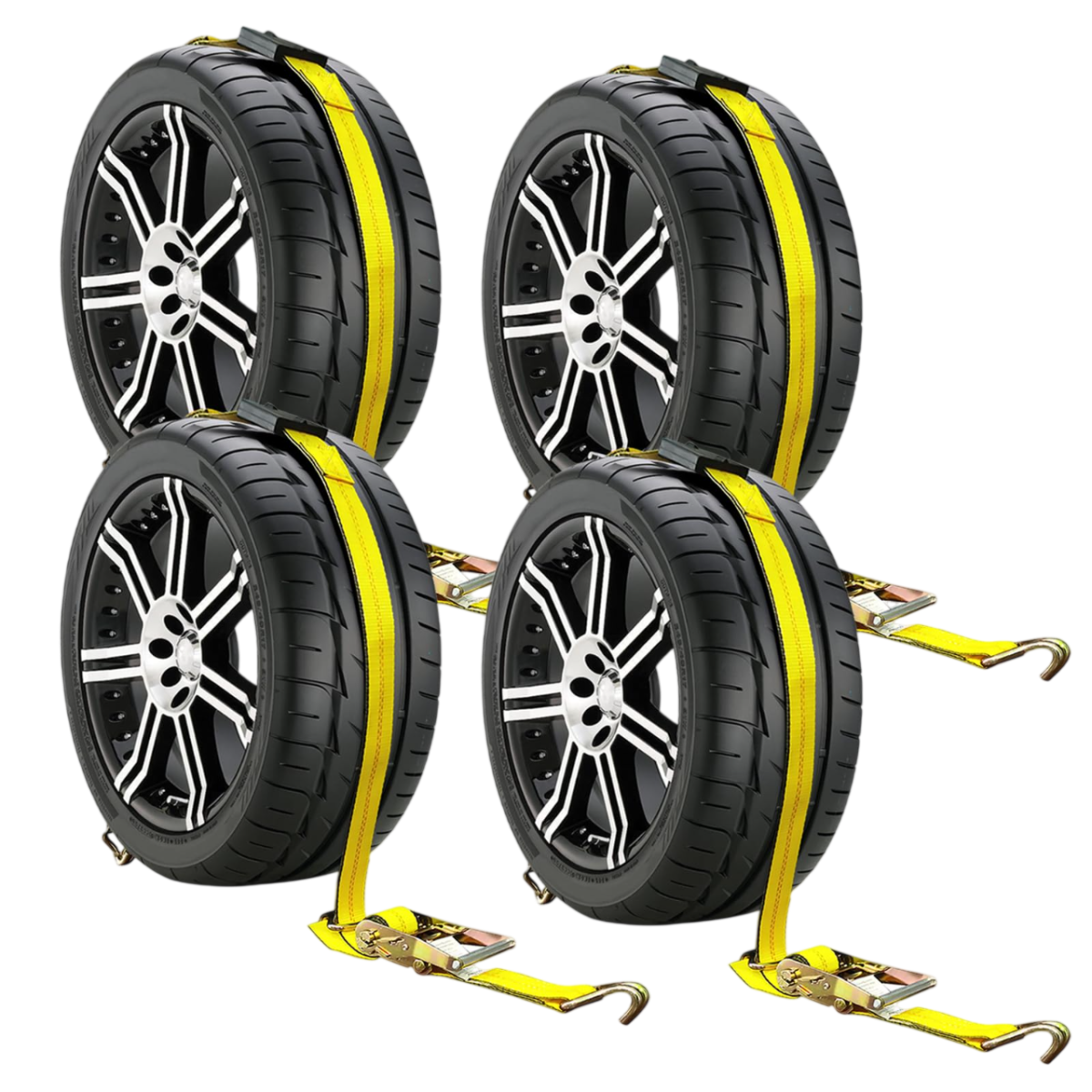
2026 Car Tie Down Straps Comparison Table
Feature | GO RHINO Heavy-Duty 2″ Kit | Rhino USA (Popular Competitor) |
Break Strength | Up to 10,000 lbs per strap | ~5,000–10,000 lbs |
Working Load Limit | High (ideal for full-size vehicles) | Medium-High |
Hook & Protection | Coated J-hooks + anti-scratch sleeves | Standard J/S-hooks |
Ease of Use | Smooth ratchet + padded handles | Good ratchet |
Best For | Professional auto transport & trailers | Mixed use, off-road |
2026 Standout | Lifetime durability focus | Retractable options popular |
Why GO RHINO Wins for Most USA Drivers in 2026
- Superior load capacity handles modern SUVs, trucks, and classics securely
- Thoughtful extras like scratch protection keep your vehicle’s finish pristine
- Built for frequent use fewer replacements needed over time
- Trusted performance on highways, flatbeds, and enclosed carriers
10 Must-Have Features in the Best Car Tie Down Straps for USA Haulers in 2026
Hauling a vehicle in 2026? With rising fuel costs, longer interstate runs, and stricter load-security checks, the right car tie down straps make the difference between peace of mind and costly surprises.
Wondering what separates average straps from elite performers this year? Here are the 10 standout features top USA drivers demand and why GO RHINO builds them all in.
Quick Comparison: Key 2026 Must-Haves at a Glance
Feature | Why It Matters in 2026 | GO RHINO Advantage |
High-visibility webbing | Spot issues fast in low light / rain | Bright, reflective threads |
Self-locking ratchet mechanism | Prevents accidental release on bumps | Secure-click design |
Integrated soft-loop protection | Zero frame or rim scratches | Built-in padded sleeves |
Extended UV & weather resistance | Lasts through extreme sun / storms | Advanced polymer coating |
Quick-release tension relief | Faster, safer unloading | Ergonomic lever |
Compact storage pouch included | Keeps truck bed organized | Heavy-duty zippered bag |
Color-coded strap sets | Quick setup in cross pattern | Matched 4-pack colors |
Reinforced stitching zones | Handles vibration stress longer | Double-box stitching |
Adjustable length versatility | Fits sedans to lifted trucks | 8–15 ft flexible range |
DOT / FMCSA compliance label | Passes roadside inspections easily | Clearly marked & certified |
Journey Towards Success
Why These Features Matter More in 2026
Time savings
Faster setup and breakdown = more jobs or quicker weekend hauls.
GO RHINO straps combine every one of these must-haves so you get professional-grade security without the premium price tag.
Searching for the best car tie down straps in USA 2026 that check all the boxes? GO RHINO delivers modern hauling confidence mile after mile.
How to Tie Down a Car on a Trailer Safely in 2026 GO RHINO Step-by-Step Guide
Planning a road trip, track day, or cross-country move in 2026? Properly securing your vehicle to a trailer prevents shifts, damage, and expensive surprises. With updated DOT emphasis on secure loads, mastering this skill keeps you compliant and confident.
GO RHINO's reliable car tie down straps make the process straightforward here's exactly how to do it right.
Quick Reference: Trailer Tie-Down Setup Essentials (2026)
Step Focus | Key Action | Why It Matters |
Load Positioning | Center vehicle, 60% weight forward | Balanced towing, no sway |
Attachment Points | Use axles or control arms (unsprung) | Protects suspension, stays secure |
Strap Pattern | 4 straps in forward/down angles | Handles braking & acceleration |
Step-by-Step: How to Secure Your Car with Ratchet Tie Down Straps
Follow these simple steps for rock-solid transport:
- Position the Vehicle Drive or winch your car onto the trailer. Center it side-to-side with about 60% of the weight ahead of the axle for stable towing.
- Choose Secure Anchor Points Select unsprung spots: front and rear axles, lower control arms, or wheel hubs. Avoid frames, bumpers, or suspension parts that move.
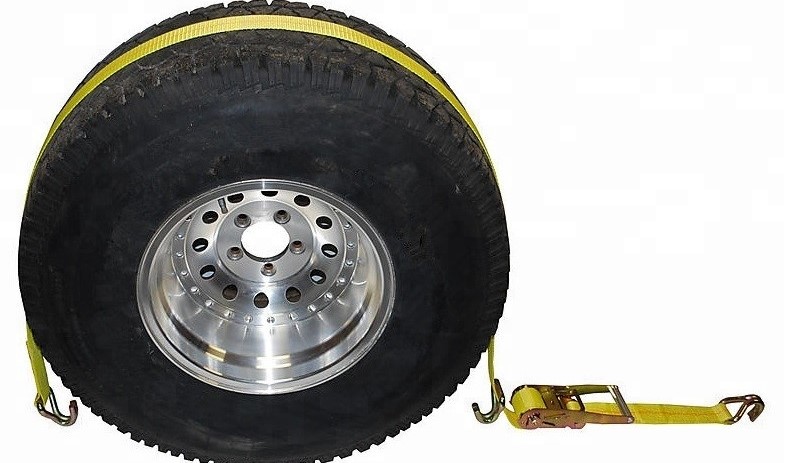
- Attach Protection First Place axle straps or soft loops around chosen points to shield paint, rims, and components from direct contact.
- Route the Straps Run GO RHINO ratchet straps from vehicle anchors straight (or slightly angled forward) to trailer D-rings or slots. Keep paths direct, no sharp bends.
- Create the Pattern Use four straps total: two front, two rear. Angle them downward and slightly forward to counter braking forces. Avoid full crosses unless your trailer setup requires it.
- Tighten Evenly Pull out slack by hand, then ratchet in short pumps. Tighten until snug firm but not deforming tires or suspension. Alternate sides for even pressure.
- Final Safety Checks Tug each strap hard. Shake the vehicle side-to-side. Make sure no twists, no contact with exhaust/hot parts, and all hooks locked.
Quick tip: After 10–20 miles, stop and re-check tension vibration can settle straps slightly.
Common Pitfalls to Avoid in 2026 (And How GO RHINO Helps)
- Skipping unsprung points → causes strap stretch or failure
- Uneven tightening → leads to shifting during stops
- Ignoring forward angle → poor braking control
GO RHINO straps feature smooth ratchets and protective coatings so you get even tension fast with zero damage.
Understanding
DOT & FMCSA Rules for Car Tie Down Straps in USA 2026 Stay Compliant with GO RHINO
Transporting vehicles across state lines in 2026? DOT and FMCSA cargo securement rules (49 CFR Part 393) remain the gold standard and enforcement is tighter than ever. Fines for non-compliant car tie down straps can hit thousands, plus downtime and potential vehicle damage.
GO RHINO helps everyday haulers and pros meet these federal requirements easily while protecting your ride.
Key FMCSA Requirements for Vehicle Tie Downs (2026 Snapshot)
Requirement | Details for Cars/Light Vehicles (<10,000 lbs) | Why It Matters in 2026 |
Minimum Tie Downs | At least 4 independent tiedowns | Prevents shifting during braking/turns |
Attachment Focus | Unsprung points (axles, control arms) preferred | Avoids suspension strain or failure |
Working Load Limit (WLL) | Combined WLL ≥ 50% of vehicle weight | Make sure straps handle dynamic forces |
What the Rules Really Mean for Auto Transport in 2026
FMCSA §393.120 specifically covers automobiles, light trucks, and vans:
- Secure with wheel chocks, blocking, or tiedowns to stop forward, rearward, and side-to-side movement
- No knots allowed in straps repairs must follow manufacturer standards
- Devices must resist loosening from vibration or road shock
- Straps/chains rated per WSTDA or equivalent standards for synthetic webbing
Question haulers ask most: Are my current car tie down straps still DOT-compliant in 2026? If they’re undamaged, properly rated, and used correctly yes. But edge wear, UV fade, or improper angles can trigger roadside violations.
Why Premium Straps Make Compliance Easier
- Higher-quality webbing holds WLL longer under repeated stress and weather exposure
- Built-in edge protection reduces abrasion risks flagged in CVSA inspections
- Clear labeling (break strength, WLL, date) speeds up DOT checks
- Consistent performance avoids “close enough” setups that fail under load
In 2026, with ongoing harmonization talks (US-Canada-Mexico) and focus on preventing load-related crashes, reliable straps aren’t optional; they’re smart insurance.
Searching for car tie down straps that meet FMCSA rules USA 2026? GO RHINO designs every strap with compliance in mind: strong, labeled, and built to last through inspections and long hauls.
Common Mistakes to Avoid
When Using Car Tie Down Straps in 2026 + Expert Tips & Checklists GO RHINO Guide
Securing your car for transport in 2026? One wrong move like a bad angle or overlooked detail can turn a smooth haul into a nightmare of shifting loads or damage. Most issues stem from small, avoidable errors.
GO RHINO shares the top mistakes haulers make (and how to dodge them) plus expert tips and checklists to keep every trip rock-solid.
Top Common Mistakes to Avoid (2026 Edition)
Mistake | What Happens If You Do It | Quick Fix to Avoid It |
Leaving excess webbing loose | Wind catches tail, causes flapping/noise or snags | Pull all slack through ratchet before final tighten |
Using twisted or knotted straps | Reduces strength dramatically, risks failure | Always keep webbing flat, no knots allowed |
Hooking to weak/unrated points | Hooks pull out or anchors fail under load | Stick to strong trailer D-rings or rated slots only |
Uneven ratcheting (one side first) | Vehicle pulls sideways, tension imbalance | Alternate sides in small increments |
Skipping re-check after start | Vibration settles straps, creates dangerous slack | Re-tension after first 10–20 miles |
Expert Tips from Pro
Haulers for Flawless Car Tie Downs
Angle for success
Aim straps slightly forward (downward angle) to counter braking forces—never straight vertical.
Listen for clicks
Good ratchets give clear, even clicks when tightening jerky or silent means check threading or mechanism.
Match length wisely
Use straps long enough for straight pulls; too-short forces awkward angles or crossing (which weakens hold).
Double-check symmetry
Step back and view from multiple angles: vehicle should sit level, straps mirror each other perfectly.
Protect contact points
Add rubber corner guards on trailer edges even if straps have padding—extra layer stops hidden abrasion.
Pro insight: In 2026, with more varied trailers (enclosed vs open) and heavier vehicles, symmetry and forward angle matter more than ever small imbalances amplify over long interstate runs.
Ready-to-Use Pre-Haul Checklist for Car Tie Down Straps
Print this or save to your phone run through it every time:
- Straps undamaged? (No cuts, fraying, burns, or faded labels)
- WLL matches or exceeds vehicle weight needs? (Combined ≥50% curb weight)
- Hooks/ratchets clean, rust-free, and moving smoothly?
- Attachment points strong and rated on trailers?
- Straps flat, no twists/knots, excess webbing pulled through?
- Four straps minimum, angled forward/downward symmetrically?
- Initial tension even, vehicle level and centered?
- Plan to re-check after a short drive?
Wondering how to avoid the most common car tie down strap mistakes in USA 2026? Follow these expert tips and checklists paired with GO RHINO’s reliable, high-performance straps and you’ll haul like a pro with zero surprises.
Problem & Solution
Common Car Tie Down Strap Failures in 2026 GO RHINO Fixes Them Fast
Dealing with a shifting car mid-haul or a sudden strap slip on the highway? These scary moments often trace back to fixable strap problems that catch even experienced drivers off guard in 2026's high-traffic, variable-road conditions.
GO RHINO turns frustrating failures into reliable performance. Here are the top problems haulers face and straightforward solutions to keep your vehicle locked down tight.
Problem vs Solution Table: Car Tie Down Straps 2026
Problem | Root Cause | GO RHINO Solution |
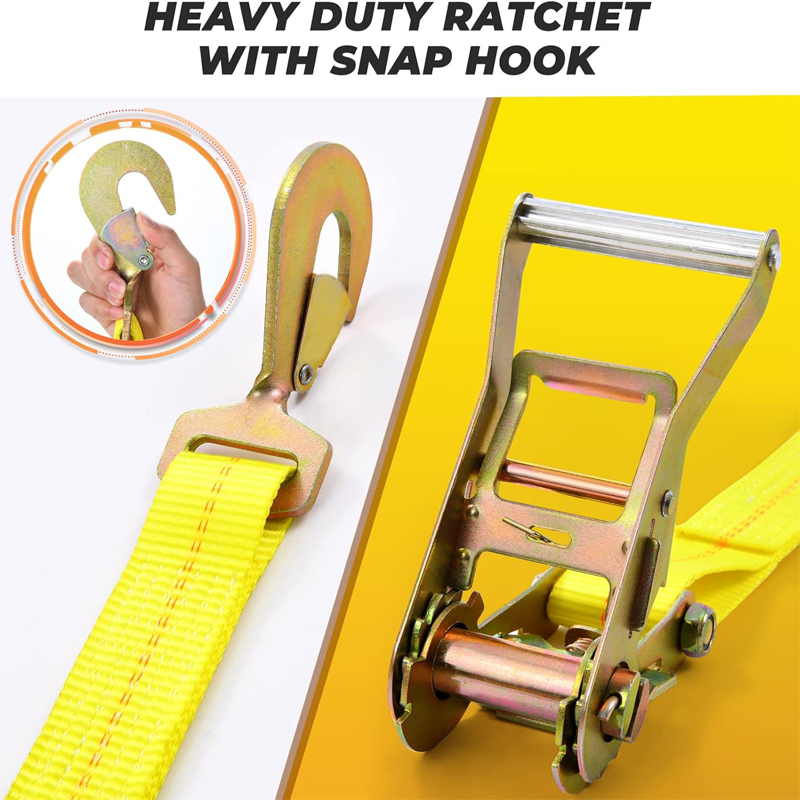
Strap slips or unravels during drive | Improper threading leaves minimal wraps on spool | Precision-spool ratchet make sure 3+ full wraps for grip |
Hardware bends or deforms under load | Low-quality hooks/ratchets fatigue quickly | Heavy-duty, reinforced steel hardware with anti-bend design |
Sudden loosening on rough roads | Internal spring or pawl wear from vibration | Durable, high-tension internal components resist fatigue |
Strap weakens at fold points | Repeated sharp creases from poor routing | Flexible, edge-reinforced webbing reduces crease stress |
Why These Problems Hit Harder in 2026
- Increased highway speeds & traffic: More stop-go and wind exposure amplify any threading or hardware weakness, turning minor slips into major shifts.
- Heavier modern vehicles: EVs and large SUVs demand consistent hold; subpar components reach failure faster under sustained dynamic loads.
- Trailer diversity: Mixed flatbed, enclosed, and low-profile trailers create varying angles and stresses cheap hardware can’t adapt without deforming.
- Cumulative wear factor: Frequent short hauls build hidden fatigue in springs/pawls, leading to surprise loosening on longer trips.
Key takeaway: Many failures aren’t from weak webbing alone, hardware and threading are often the hidden weak links. Premium design addresses them upfront.
Wondering how to stop car tie down strap slippage or hardware failure in USA 2026? GO RHINO prioritizes spool grip, robust metal parts, and vibration-resistant internals so problems stay solved, not just patched.
From White-Knuckle Hauls to Total Peace of Mind
My 30+ Years of Real-World Testing with GO RHINO Tie-Down Straps
I literally grew up inside my dad’s auto shop, surrounded by Go Rhino truck accessories before I could even drive. From the time I was a kid tightening bolts after school to today that’s more than 30 years of installing, testing, fixing, and yes, sometimes breaking every piece of Go Rhino gear that rolls through the door.
I built this platform for everyday drivers, contractors, weekend warriors, and overlanders just like you so you don’t have to learn the hard way the way I did. And nothing proves that more than what happened on one of my own long hauls in early 2026.
In early 2026 I needed to move my prized 2022 Ford Mustang GT from Dallas to a big car show in Colorado 800+ miles of interstate, mountain passes, rain, wind, and the kind of constant vibration that turns good straps into loose spaghetti. I’d been there before with cheaper gear: straps that loosened after 100 miles, hooks that slipped on tight turns, and arriving with fresh scuffs on the frame and zero desire to ever do it again.
This time I grabbed my GO RHINO 2" heavy-duty ratchet straps, the ones with coated J-hooks and soft-loop protectors and the difference was night and day.
What actually happened on that 800-mile run
- The coated hooks and soft loops went on in seconds with zero contact against the rims or paint.
- The smooth ratchet action and secure spool grip kept perfect, even tension across all four points. I did my usual 20-mile check… and never touched them again the entire trip.
- The UV-resistant webbing and reinforced stitching laughed at the rain, high-altitude winds, and endless road vibration. When I unloaded at the show, the straps still looked brand-new and the Mustang rolled off ready to shine, no adjustments, no scuffs, no drama.
For the first time in decades I drove 800 miles and didn’t worry once. That’s the kind of peace of mind I want every single one of you to have.
My time-tested 5-step loading routine (the exact one I’ve used for years)
After hauling ATVs, UTVs, and light vehicles across the country for more than 30 years, this sequence has become automatic:
- Position the vehicle and run the strap under the axle or frame never through suspension components.
- Hook one end securely, feed the free end through the ratchet, and clip it back to itself.
- Pull out all slack and ratchet down with firm, even pressure.
- Double-check tension on all four corners before you roll.
- After the first 30 minutes on the road, always stop and re-tighten. Heat and vibration will settle everything this single habit has saved me more times than I can count.
The honest truth from someone who’s broken more gear than most people own
These GO RHINO straps are noticeably stronger, more versatile, and integrate perfectly with my existing Go Rhino bed rack and trailer setup. The 10,000 lb break strength and 3,333 lb working load limit give me real confidence at highway speeds. The bright yellow color makes them easy to spot at dusk, and the sliding protective sleeve stops rubbing damage cold.
That said, I’m not here to sugarcoat it. On one long Texas run I noticed a small retaining pin had bent (exactly the kind of hardware hiccup other serious haulers have reported). The included carry bag also didn’t survive rough treatment. These are real-world durability notes when you’re as hard on gear as I am.
But here’s the thing: even with those minor observations, these straps are dramatically better than the cheap 1-inch stuff I used in my early days. The pros far outweigh the cons especially when you’re responsible for thousands of dollars of equipment crossing state lines.
Key takeaways from 30+ years in the shop and on the road
- Quality isn’t about the highest break-strength number on the tag, it’s about consistent hold under real dynamic loads and the “settling” effect that ruins lesser straps.
- Always inspect hardware before every single load. Thirty seconds can prevent hours of headache.
- Protect every contact point with soft loops or sleeves your paint and rims will thank you for years.
- Treat the carry bag as storage only, not for tossing around in the truck bed.
- Re-tighten after 30 minutes. Write it on your checklist if you have to, it’s that important.
Bottom line
If you haul regularly whether it’s weekend toys, work trucks, or overland rigs, heavy-duty GO RHINO tie-down straps are absolutely worth it. I still use mine every single week, and I’d buy another set tomorrow (maybe with a spare hardware kit, just in case).
I’ve spent my entire life helping people solve exactly these kinds of problems with Go Rhino products, and that’s why I built this platform. So you can spend less time worrying about your gear and more time enjoying the journey.
10 Pros of Car Tie Down Straps
- Provide precise, adjustable tension without over-tightening, reducing risk of vehicle damage.
- Lightweight and easy to handle compared to chains, simplifying setup for solo users.
- Non-marring materials (with proper padding) protect paint, rims, and frames during contact.
- High break strength (often 5,000–10,000 lbs per strap) handles most passenger vehicles securely.
- Versatile end fittings (J-hooks, flat hooks, soft loops) fit various trailer anchor points.
- Resistant to rust and corrosion, unlike metal chains, for long-term outdoor storage.
- Quiet operation, no clanking noise during transport on highways.
- Compliant with DOT/FMCSA standards when properly rated and used.
- Affordable compared to specialized wheel nets or permanent tie-down hardware.
- Compact storage when coiled, fitting easily in truck beds or toolboxes.
10 Cons of Car Tie Down Straps
- Can loosen slightly from vibration or wheel rotation on long drives, requiring periodic re-checks.
- Susceptible to UV degradation and abrasion over time if not stored properly.
- Lower working load limit than chains, limiting use for extremely heavy or oversized loads.
- Risk of pinching fingers or hands during ratcheting if not operated carefully.
- Excess webbing tails can flap in the wind, creating noise or potential snags.
- Improper threading or twisting reduces effective strength significantly.
- May stretch minimally under sustained dynamic forces, unlike rigid chains.
- Require more time to thread and tension compared to quick wheel nets or over-tire designs.
- Edges can fray on sharp trailer corners without added protectors.
- Not ideal for frequent professional use where speed of setup is critical (retractables often preferred instead).
These points focus on practical performance aspects for vehicle hauling balancing security, ease, and durability in real-world 2026 conditions.
Frequently Asked Questions About GO RHINO Car Tie Down Straps
Ratchet tie down straps use a mechanical ratchet handle to apply high, controlled tension, making them ideal for heavy vehicles and long-distance hauls where maximum security is needed. Cam buckle straps rely on a simpler lever system and provide lighter, quicker tension, which suits smaller loads or short trips but offers less holding power under dynamic forces. For most car transport needs in 2026, ratchet-style straps like GO RHINO’s deliver superior reliability and load control.
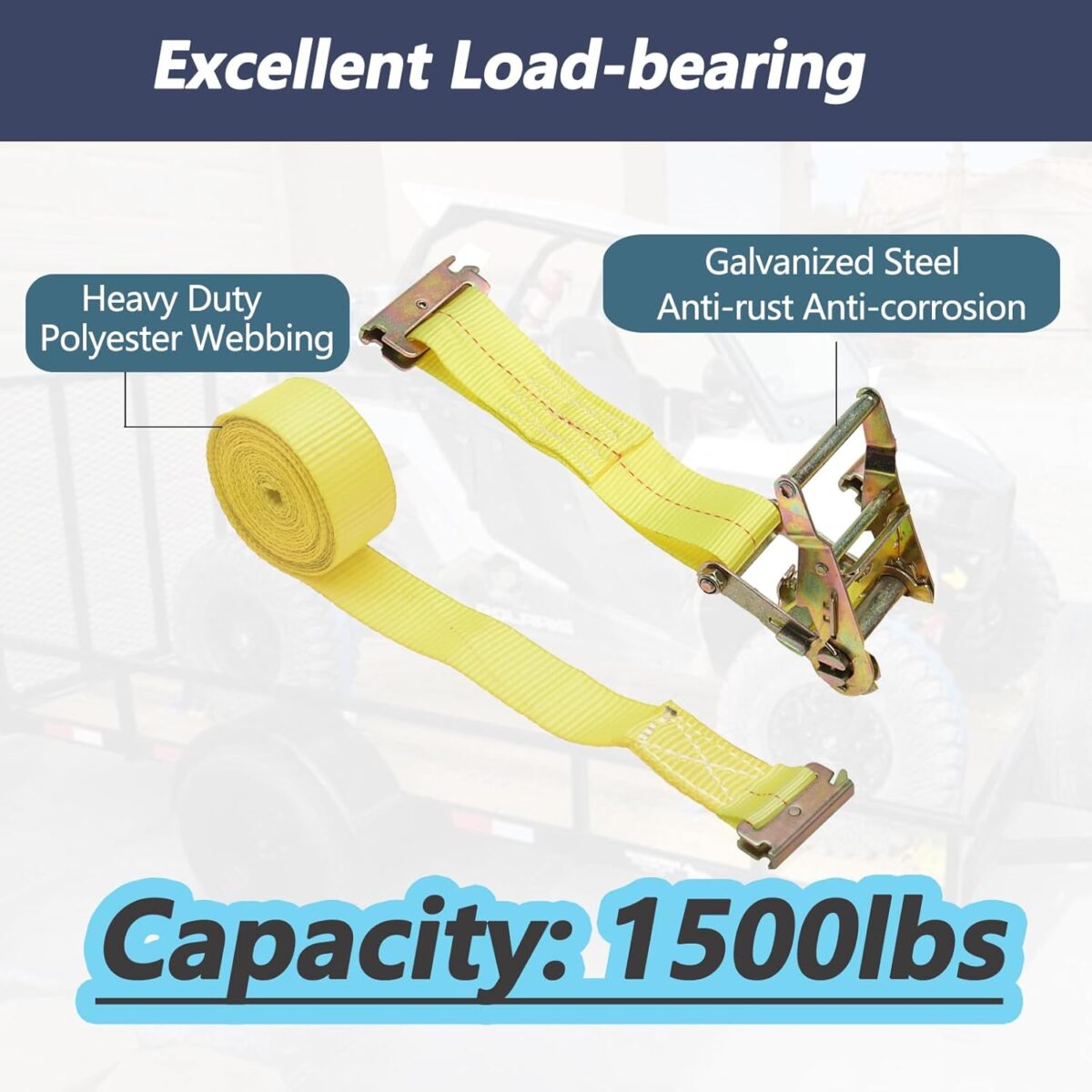
Yes, high-quality ratchet tie down straps work effectively on both open trailers and enclosed carriers, as long as the trailer has secure, rated anchor points. The key is choosing straps with versatile hook options and adequate length to reach D-rings or E-track without awkward angles. GO RHINO straps are designed with flexibility in mind, so they adapt well to different trailer setups while maintaining strong, even tension.
Inspect the webbing for any signs of discoloration, stiffness, or surface cracking, which can indicate UV or moisture damage even when stored indoors. Check the ratchet mechanism for smooth operation and the hooks for rust or deformation. If everything looks and functions normally with no visible wear, the straps remain safe GO RHINO recommends a quick visual and functional check before every use to confirm readiness.
Absolutely GO RHINO ratchet straps are strong enough to handle the heavier curb weight and higher center of gravity typical of many EVs. Their soft-loop protectors and coated hooks help prevent damage to battery trays, underbody panels, or delicate wheel finishes. The high working load limits make sure secure transport whether you’re hauling a Tesla, Rivian, or similar model across state lines.
Stiffness often comes from road grime, salt buildup, or lack of lubrication in the moving parts. Gently clean the mechanism with a damp cloth and mild soap, then apply a light spray of dry silicone lubricant to the pivot points and pawl. Avoid oil-based products, as they attract dirt after this simple maintenance, GO RHINO ratchets typically return to smooth, effortless operation.
Extreme sun in southern states accelerates UV breakdown, while northern winter salt and ice can cause abrasion or corrosion on hardware. Humid coastal areas may encourage mildew if straps are stored wet. GO RHINO straps use advanced UV-resistant and weatherproof coatings on the webbing and protective finishes on metal parts, helping them withstand varied climates longer than standard options.
Minor surface abrasion can sometimes be monitored, but any cut, tear, burn, or stitching failure in the webbing makes the strap unsafe and non-repairable according to industry standards. Hardware damage like bent hooks or worn ratchet gears also requires full replacement. For safety and DOT compliance, GO RHINO advises replacing any compromised strap rather than attempting DIY fixes.
Storage bags protect straps from dirt, sunlight, and tangling when not in use, extending their lifespan significantly. They also keep your truck bed or garage organized and make it easier to transport a complete set. GO RHINO includes heavy-duty, zippered storage bags with every kit so you can keep your straps clean, dry, and ready for the next haul without extra purchases.
Using only two straps is not recommended for safe vehicle transport, as it fails to adequately control forward, rearward, and side-to-side movement during braking, acceleration, or turns. Federal guidelines and best practices require at least four independent tie downs for automobiles to distribute forces evenly. GO RHINO kits are built around the four-strap standard to make sure full stability and compliance.
GO RHINO offers competitive pricing while delivering comparable or better durability, thoughtful protective features, and user-friendly design elements. Many premium competitors charge significantly more for similar break strengths and hook styles. By focusing on value without cutting corners on quality, GO RHINO provides excellent performance at a price that makes upgrading your hauling setup affordable for both occasional and frequent users in 2026.
Final Conclusion
Why GO RHINO Car Tie Down Straps Are the Smart Choice for Safe Hauling in 2026
Across every aspect of vehicle transport securement strength, compliance with DOT/FMCSA standards, ease of use, durability in harsh weather, proper maintenance routines, avoidance of common pitfalls, and real-world performance on long hauls GO RHINO consistently delivers professional-grade reliability without unnecessary complexity or premium pricing.
Whether you're moving a classic Mustang to a car show, transporting a heavy electric SUV across state lines, or frequently hauling on open trailers, these straps combine thoughtful design features (smooth ratcheting, protective coatings, secure hardware, and included storage solutions) with practical longevity that reduces replacement frequency and hidden costs.
In an era of heavier vehicles, stricter roadside enforcement, and more varied trailer setups, choosing tie-downs that eliminate guesswork and minimize risk is no longer optional.