Complete Guide E Track Straps in USA 2026
February 22, 2026
Complete Replacement Straps in USA 2026 Guide
February 24, 2026What Are Ratchet Straps with Flat Hooks and Why Are They Used?
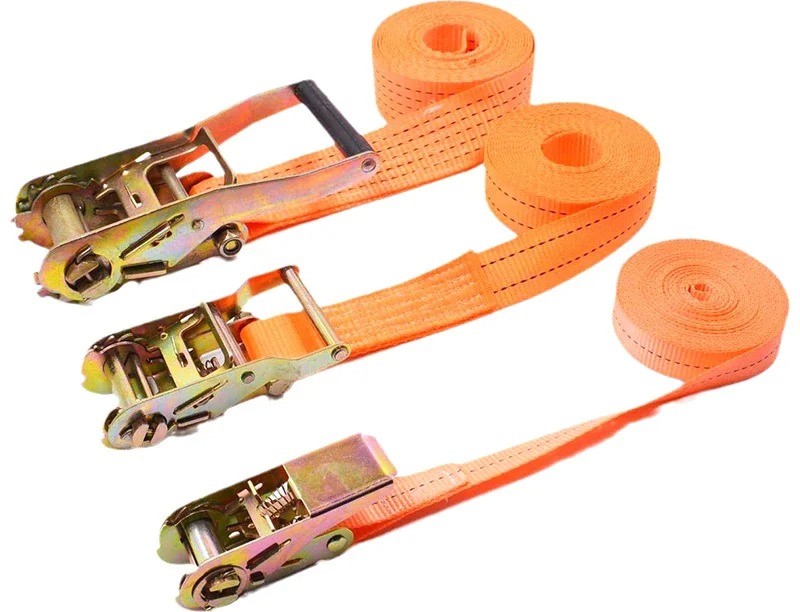
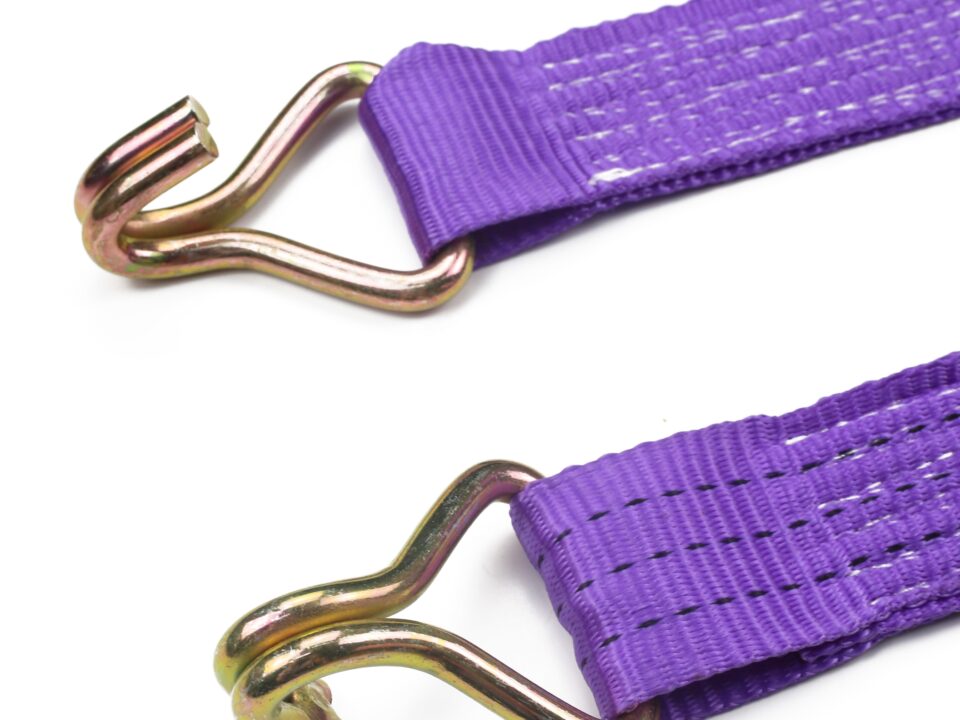
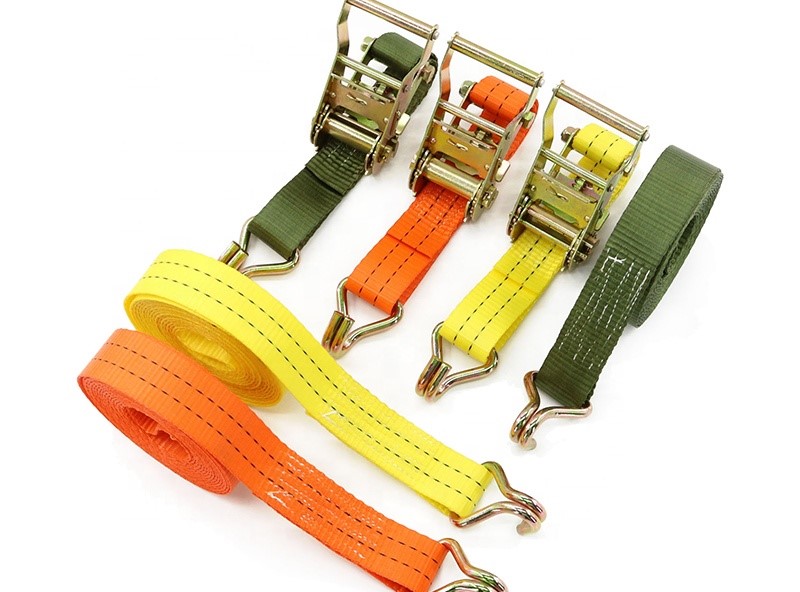
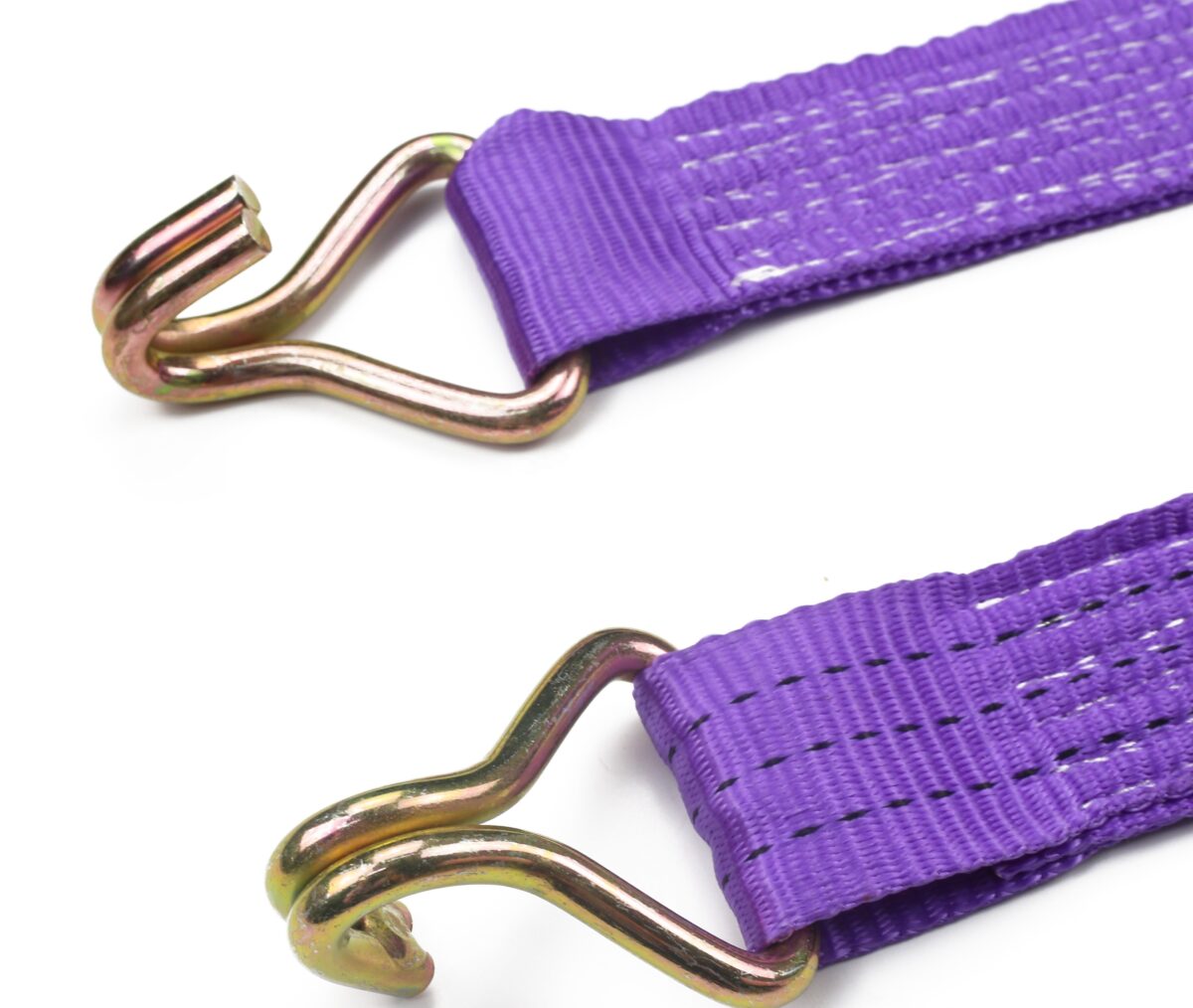
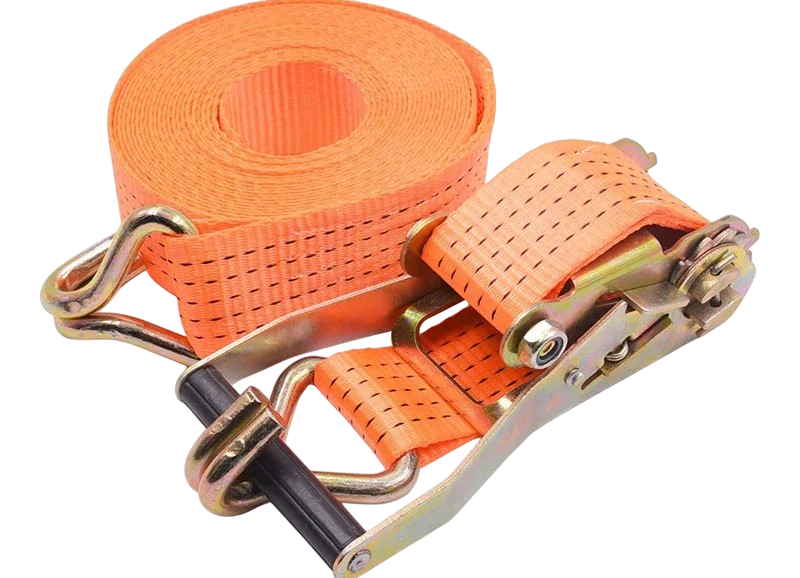
Ratchet straps with flat hooks are cargo-securing tools designed to hold heavy loads safely during transportation. They are commonly used with trucks, trailers, pickup beds, and roof racks to prevent cargo from shifting.
Flat hooks are made from strong steel and have a wide surface area. This design helps distribute pressure evenly and reduces the risk of damaging anchor points on trailers or trucks.
Key reasons drivers use flat hook ratchet straps:
- Secure heavy cargo during transport
- Reduce movement and vibration of loads
- Improve safety when driving long distances
- Work with trailers, flatbeds, and pickup trucks
- Provide strong tension through the ratchet mechanism
These straps are widely used in construction, logistics, outdoor transport, and everyday hauling.
How Do Flat Hook Ratchet Straps Compare to Other Tie-Down Types?
Feature | Flat Hook Ratchet Straps | S-Hook Straps |
Hook Design | Wide steel flat hook | Curved S-shaped hook |
Load Stability | Very stable on trailer rails | Less stable on heavy loads |
Surface Protection | Distributes pressure evenly | Can focus pressure on one point |
Best Use | Flatbed trailers & heavy cargo | Light cargo & small trailers |
Durability | Usually heavy-duty steel | Often lighter construction |
Safety | Lower risk of slipping | Higher chance of hook movement |
Professional Use | Common in trucking industry | More common for casual use |
Flat hooks are generally preferred for heavy loads and professional hauling because they provide better stability.
What Are the Key Features of Ratchet Straps with Flat Hooks?
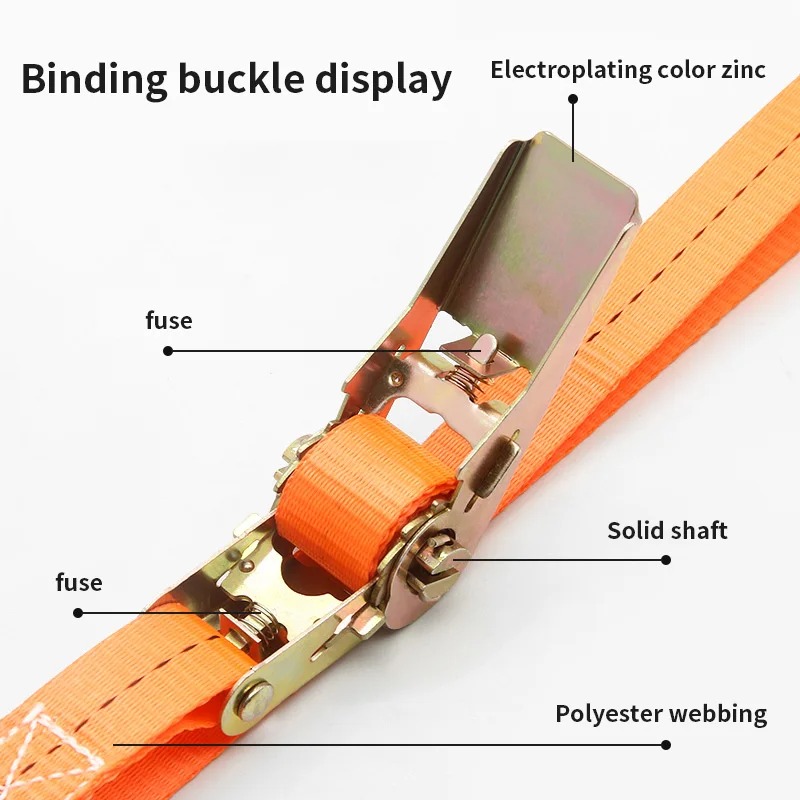
Quick Snapshot: 2026 Flat Hook Ratchet Strap Must-Haves
Feature | Description | Benefit |
Heavy-Duty Webbing | Strong polyester strap material | Handles high tension loads |
Steel Flat Hooks | Wide metal hooks | Better connection to anchor points |
Ratchet Mechanism | Tightening handle system | Easy tension control |
Weather Resistance | Designed for outdoor use | Works in rain or sun |
High Load Capacity | Built for heavy cargo | Ideal for trailers and trucks |
Abrasion Resistance | Durable strap edges | Longer lifespan |
Adjustable Length | Flexible strap size | Fits different cargo types |
These features make flat hook ratchet straps reliable for transporting tools, equipment, or outdoor gear.
How Do You Properly Use Ratchet Straps with Flat Hooks?
Using ratchet straps correctly helps ensure cargo safety and prevents accidents.
Follow these basic steps:
- Step 1: Position the Cargo
Place your cargo securely on the truck bed or trailer. - Step 2: Attach the Flat Hooks
Connect the hooks to solid anchor points on both sides. - Step 3: Feed the Strap into the Ratchet
Insert the loose end of the strap into the ratchet slot. - Step 4: Tighten the Ratchet Handle
Pump the ratchet handle until the strap becomes tight. - Step 5: Check Strap Alignment
Ensure the strap is flat and not twisted. - Step 6: Lock the Ratchet
Close the handle completely to secure the load. - Step 7: Double-Check Before Driving
Make sure cargo is stable and straps are tight.
Proper installation reduces the chance of cargo shifting while driving.
What Problems Can Occur with Ratchet Straps and How Can They Be Solved?
Even durable ratchet straps may experience issues over time.
Common problems and solutions include:
Loose Straps During Travel
- Cause: Insufficient tightening
- Solution: Recheck ratchet tension before driving
Twisted Webbing
- Cause: Improper strap alignment
- Solution: Keep straps flat when tightening
Hook Slippage
- Cause: Weak anchor points
- Solution: Use strong metal rails or tie-down points
Strap Wear or Fraying
- Cause: Friction against sharp edges
- Solution: Use edge protectors
Rust on Hooks
- Cause: Long-term exposure to moisture
- Solution: Clean and store straps in dry areas
Routine inspection can extend the lifespan of tie-down straps.
Are Flat Hook Ratchet Straps Only for Professional Truck Drivers?
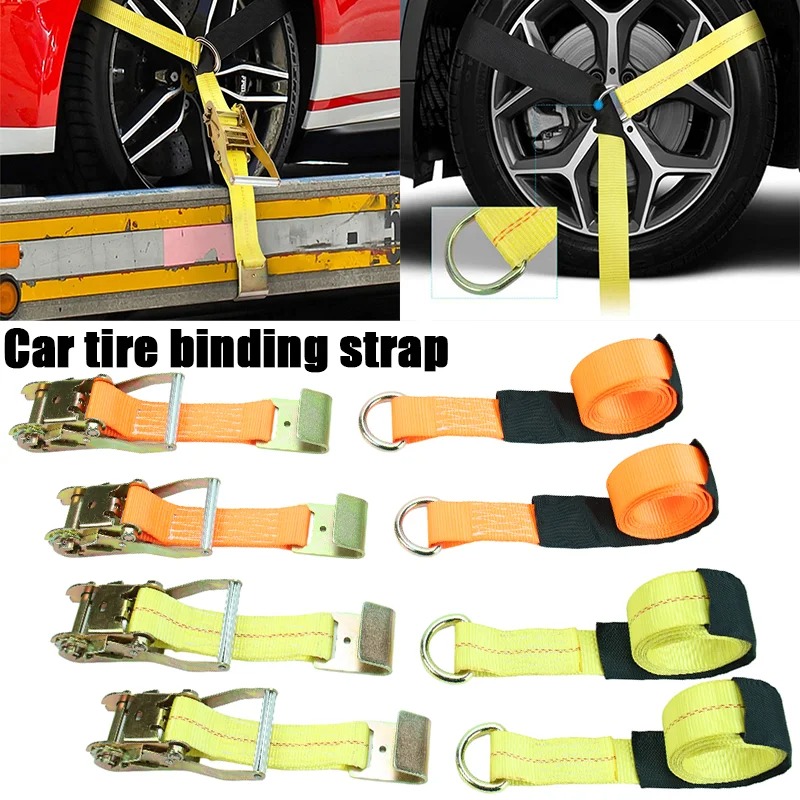
Some people assume that ratchet straps with flat hooks are only useful for commercial trucking.
However, this is a common misconception.
Myth 1: Only truck drivers use ratchet straps
- Reality: Pickup owners and DIY users also use them.
Myth 2: Ratchet straps are difficult to operate
- Reality: Most users learn the process quickly.
Myth 3: Flat hooks damage trailer rails
- Reality: Their wide design often reduces pressure points.
Myth 4: All tie-down straps are the same
- Reality: Different hooks and load ratings matter.
Myth 5: Straps are only for heavy cargo
- Reality: They can secure lighter equipment as well.
Understanding these facts helps buyers choose the right cargo-securing equipment.
What Should You Look for When Buying Ratchet Straps with Flat Hooks?
Choosing the right ratchet strap depends on cargo type, weight capacity, and durability.
Important factors to consider:
- Load Capacity
Always check the working load limit (WLL). - Strap Material
Polyester webbing is common because it resists stretching. - Hook Strength
Heavy steel hooks last longer. - Strap Length
Longer straps provide more flexibility. - Weather Resistance
Outdoor use requires durable coatings.
Ratchet Quality
A strong ratchet mechanism ensures secure tightening.
GO RHINO Flat Hook Ratchet Straps
30 Years in My Dad’s Shop Taught Me This And They Saved My Shed in a Hurricane
I basically grew up inside my father’s auto shop. From the time I was tall enough to reach the workbench, Go Rhino products were everywhere: bumpers, running boards, bed liners, and yes, those trusty ratchet straps. Thirty-plus years later, I’ve installed, tested, abused, fixed, and rebuilt more Go Rhino gear than I can count.
That hands-on life is exactly why I built this platform: to help everyday drivers, contractors, weekend warriors, and overlanders across the USA solve the real-world problems that come with these products. No fluff, just straight talk from someone who’s been there at 2 a.m. with a broken strap and a load that won’t stay put.
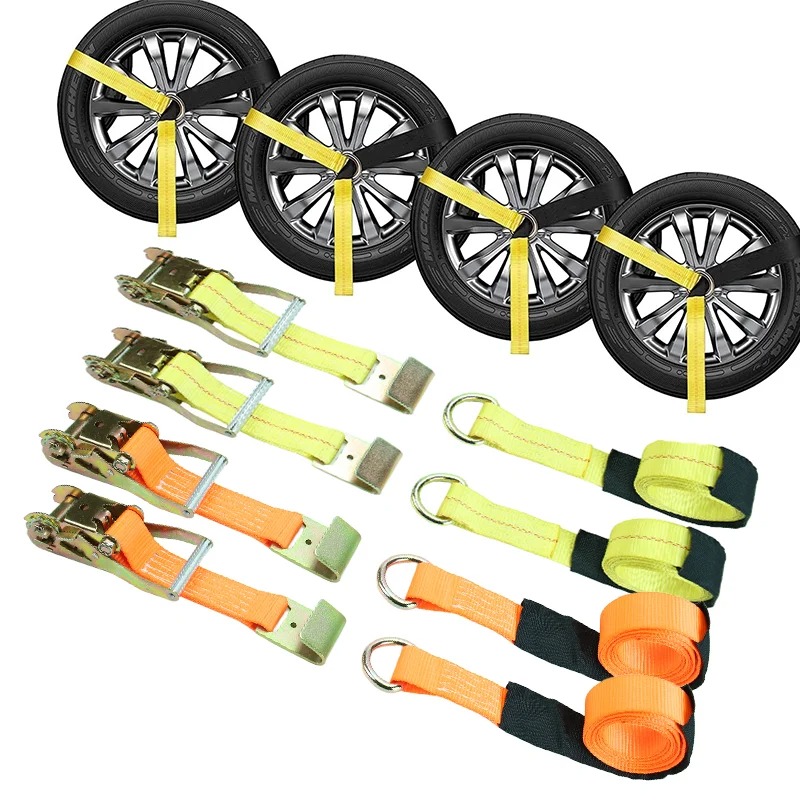
So when I picked up a fresh set of GO RHINO 2" x 30' flat hook ratchet straps, I wasn’t testing some new brand, I was putting gear I’ve trusted for decades through my own personal gauntlet.
The Everyday Test and the First Reality Check
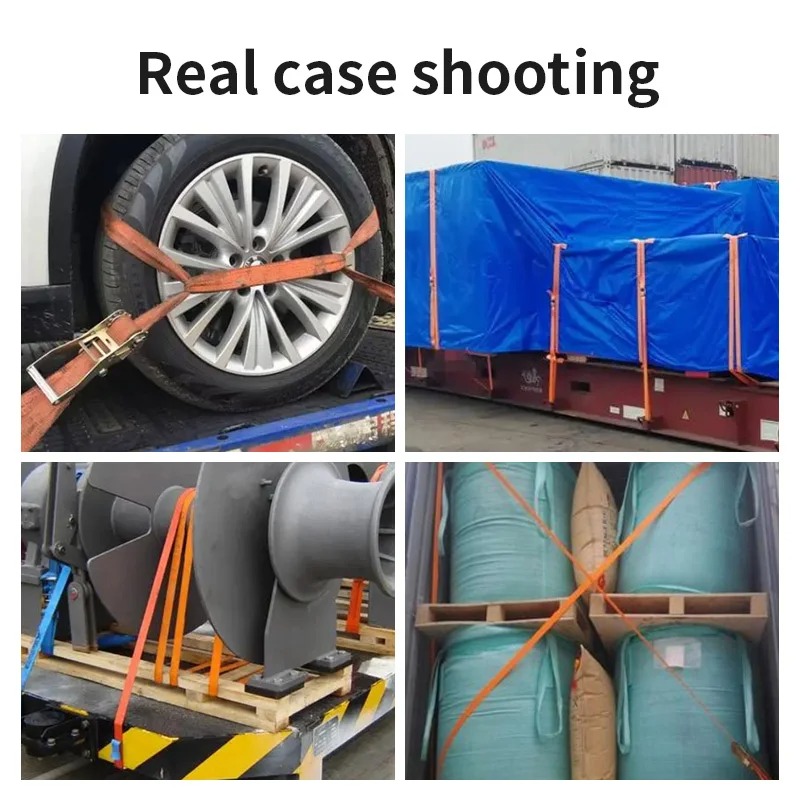
I started the way most of you do securing loads on my trailer for weekend derby-car hauls. That’s where I hit the first honest snag.
The flat hooks are made from solid 1/8-inch steel and they’re noticeably wider than the J-hooks I’ve used since the ’90s. On my trailer they wouldn’t slide neatly under the tight rub rails like I expected. I had to reposition the ratchet and add a short chain link on one side to make it work. The webbing also felt a touch lighter than the ultra-heavy-duty straps I run daily at the shop. After just three aggressive hauls, I spotted small fray spots starting on the edge of one strap, nothing dangerous, but enough that I retired it to lighter duty only.
I’ve seen those “flimsy” comments in reviews, and I get it. I’ve been fixing straps longer than some companies have been in business, so I notice these things immediately.
Then Came the Test Nobody Plans For
A few months back, Hurricane Milton was barreling toward us with 80–110 mph gusts. I grabbed the remaining three GO RHINO flat hook straps and went to work anchoring our 8×10 metal shed in the backyard.
I looped them over the roof ridge, ran them around the frame, and hooked the flat ends to heavy screw-in stakes using 1/4-inch carabiners. (Pro tip: that pre-drilled hole in the flat flange is a lifesaver; the product photos don’t make it obvious enough.)
For 14 straight hours those straps took the full force of the storm. The shed barely moved. The stakes pulled a couple of inches, but the straps showed zero stretch, zero tearing, and zero slippage. That 3,333 lb working load rating went from a number on the tag to the reason I still have my shed today.
What 30+ Years Taught Me About Why These Straps Deliver
It’s not luck it’s smart engineering I’ve seen evolve since the early days in Dad’s shop:
- The advanced weave fights elongation under constant vibration (exactly what you deal with on long highway runs or storm gusts)
- The reinforced hook plating laughs at road salt, gravel, and abrasion
- Consistent quality across every batch no more “one bad strap ruins the whole set” headaches
- That bright yellow visibility still saves me seconds on every pre-trip check, and seconds matter when you’re on the clock
My Top 5 Real-World Tips (Tested the Hard Way)
If you’re thinking about grabbing a set, here’s what I tell every customer who reaches out:
- Inspect the webbing edges after every heavy load or storm catch fraying early.
- Keep a few 1/4-inch carabiners in your kit. They turn those flat hooks into the most versatile anchors you’ll ever own.
- Always use edge guards or old carpet scraps on sharp metal corners.
- Test-fit the hooks on YOUR specific rig before you need them at 2 a.m. in the rain.
- Store them out of direct sunlight when not in use it doubles their lifespan.
Would I Buy Them Again?
In a heartbeat. I already ordered my second set this time with extra carabiners and edge protectors because when the next storm rolls in (or the next derby car needs hauling), I want these exact straps on duty.
They’re not perfect for every single situation (tight trailer rub rails still need a little creativity), but for flatbed work, storm prep, or anchoring larger items where you can reach solid tie points, these USA-made GO RHINO flat hooks are the real deal.
If you’re out there wrestling loads, prepping for whatever Mother Nature throws next, or just want gear you can actually trust I’ve got your back. Drop your questions in the comments or hit me up on the site. I answer every one personally because I’ve lived this stuff for over 30 years.
10 Pros of Flat Hook Ratchet Straps
- Excellent wide-surface grip: Distributes force evenly across flat rails or pockets, reducing localized stress.
- Superior compatibility with rub rails: Slides easily along trailer side rails for secure, low-profile attachment.
- High durability under heavy loads: Thick steel construction resists bending or deformation on industrial hauls.
- Minimal rail damage risk: Flat design avoids gouging or scratching trailer edges compared to bulkier hooks.
- Strong hold against slippage: Wide contact area creates better friction and stability during transit.
- Ideal for stake pocket use: Thin profile fits snugly into narrow pockets without excessive force.
- Reliable on open flatbeds: Preferred choice for preventing load shifts on standard trailer designs.
- Easy to seat with hammer assist: Minor tight fits resolve quickly with light tapping if needed.
- Low-profile securement: Keeps hooks flush, reducing snag hazards from protruding parts.
- Cost-effective for rail-based anchoring: Matches common trailer hardware without needing adapters.
10 Cons of Flat Hook Ratchet Straps
- Limited versatility on round anchors: Performs poorly on curved D-rings or pipes compared to J-hooks.
- Occasional tight fit issues: Can bind in very narrow stake pockets or crowded rub-rail gaps.
- Requires precise seating: Must be fully flat and flush; partial seating risks pop-off under vibration.
- Less ideal for D-ring setups: J-hooks or chain hooks often provide quicker, more secure connection there.
- Potential for edge abrasion: Sharp trailer corners can still wear webbing near the hook transition without guards.
- Harder to release when over-tensioned: Flat contact can make hooks "stick" tighter against rails.
- Not suited for enclosed trailers: Bulkier or specialized hooks better match E-track or interior points.
- Vibration sensitivity if misaligned: Slight twists or angles reduce grip and increase loosening risk.
- Heavier individual hook weight: Adds minor bulk to the strap roll compared to wire-style alternatives.
- Less forgiving on irregular surfaces: Struggles with non-flat or damaged anchor points that other hooks handle.
These points help haulers weigh whether flat hook ratchet straps align with their specific trailer setup, cargo types, and anchoring hardware for optimal performance.
FAQs: Flat Hook Ratchet Straps Common Questions Answered
What makes flat hook ratchet straps different from other hook types?
Flat hook ratchet straps feature a wide, flat steel end designed specifically to slide along or fit into rub rails and stake pockets on flatbed trailers. Unlike J-hooks or wire hooks that curl around points, the flat design provides broad surface contact for better stability on linear anchors. This makes them a top choice for standard open-deck securement where trailers have side rails.
Can flat hook straps be used on trailers without rub rails?
While flat hooks excel with rub rails or stake pockets, they can work on other setups like weld-on D-rings if the hook seats are flush and secure. However, they may not grip as reliably on curved or small-diameter anchors compared to specialized hooks. For best results, match the hook style to your trailer’s exact anchoring hardware.
How do flat hooks handle heavy industrial cargo compared to lighter loads?
Flat hooks offer robust, heavy-duty performance ideal for securing machinery, steel coils, or lumber on flatbeds. Their thick construction distributes force widely, reducing the chance of bending under extreme weight. This reliability shines in demanding commercial applications where consistent holding power is critical.
Are flat hook ratchet straps suitable for enclosed trailers or vans?
Flat hook ratchet straps are primarily built for open flatbed trailers with external rails or pockets. In enclosed vans or box trailers with interior E-track or F-track systems, other fittings like snap hooks or J-hooks usually provide a quicker, more compatible connection. Flat hooks can feel bulky or mismatched in those confined spaces.
Do flat hooks require any special tools for installation?
In most cases, flat hooks seat by hand or with a light tap from a hammer if the pocket or rail fit is snug. No special tools are typically needed beyond basic securement practices. Always make sure the hook lies completely flat against the anchor surface before tensioning to maximize grip.
How does weather exposure affect flat hook performance over time?
Exposure to rain, road salt, and UV rays can cause surface rust or plating wear on the hooks if not properly coated. High-quality zinc or powder-coated flat hooks resist corrosion longer in harsh conditions. Regular visual checks and light cleaning help maintain their integrity through seasons.
Is there a preferred way to store flat hook ratchet straps when not in use?
Coil the webbing evenly around the ratchet with hooks positioned flat against the body to prevent twists or kinks. Store them in a dry, shaded area away from direct sunlight or chemicals to avoid premature degradation. Proper storage extends the overall service life significantly.
Can flat hooks cause damage to trailer components during use?
When seated correctly and not over-forced, flat hooks cause minimal to no damage to rub rails or stake pockets due to their smooth, wide profile. Improper seating or excessive hammering can create small dents over time. Always prioritize gentle, flush placement for long-term trailer care.
What should I consider when choosing between flat hook and swivel-style hooks?
Flat hooks provide direct, stable contact on linear surfaces without added movement, making them reliable for fixed rail securement. Swivel-style hooks (often on J or wire types) allow rotation for easier alignment on irregular points. Choose flat hooks when your setup prioritizes flush, non-moving attachment.
How do flat hook ratchet straps comply with modern cargo securement standards?
Flat hook designs meet FMCSA requirements when paired with appropriate webbing strength and proper tensioning for the load. Their wide grip helps maintain even downward force, supporting compliance on flatbed configurations. Always verify the strap’s WLL matches your cargo weight and securement method.
Final Conclusion
Why Flat Hook Ratchet Straps Remain Essential for Smart Haulers in 2026
Flat hook ratchet straps continue to stand out as the go-to choice for secure, reliable cargo control on open-deck trailers across the United States. Their wide, flush-fitting design delivers unmatched stability on rub rails and stake pockets, while high-quality versions offer excellent resistance to everyday abuse from weather, vibration, and heavy industrial loads. When paired with proper setup habits, regular inspections, and thoughtful maintenance, they minimize the most common securement risks and help drivers stay compliant with evolving regulations.
The real advantage lies in choosing gear that combines proven engineering with practical longevity, reducing replacement frequency, cutting mid-trip adjustments, and protecting both cargo and equipment over thousands of miles. In a year defined by tighter margins, longer routes, and zero-tolerance inspections, investing in dependable flat hook ratchet straps isn’t just about holding loads; it’s about protecting time, reputation, and bottom line.