Go Rhino Dominator D6 Running Boards in USA 2026
February 17, 2026
1 Inch Ratchet Straps in USA 2026
February 19, 2026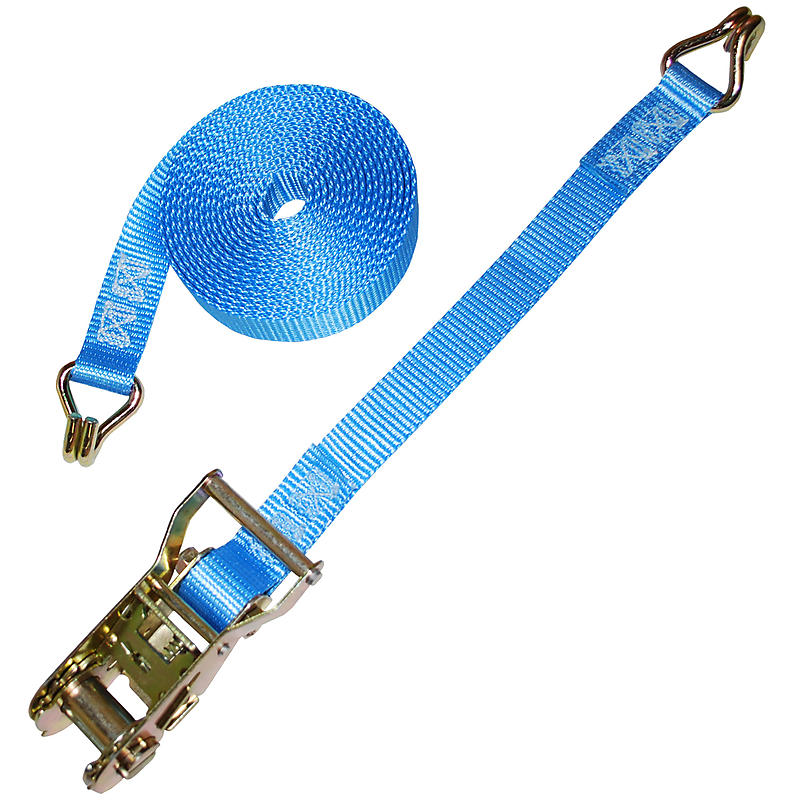
What Is a Heavy Duty Ratchet Strap With S-Hooks and Why Is It Used?
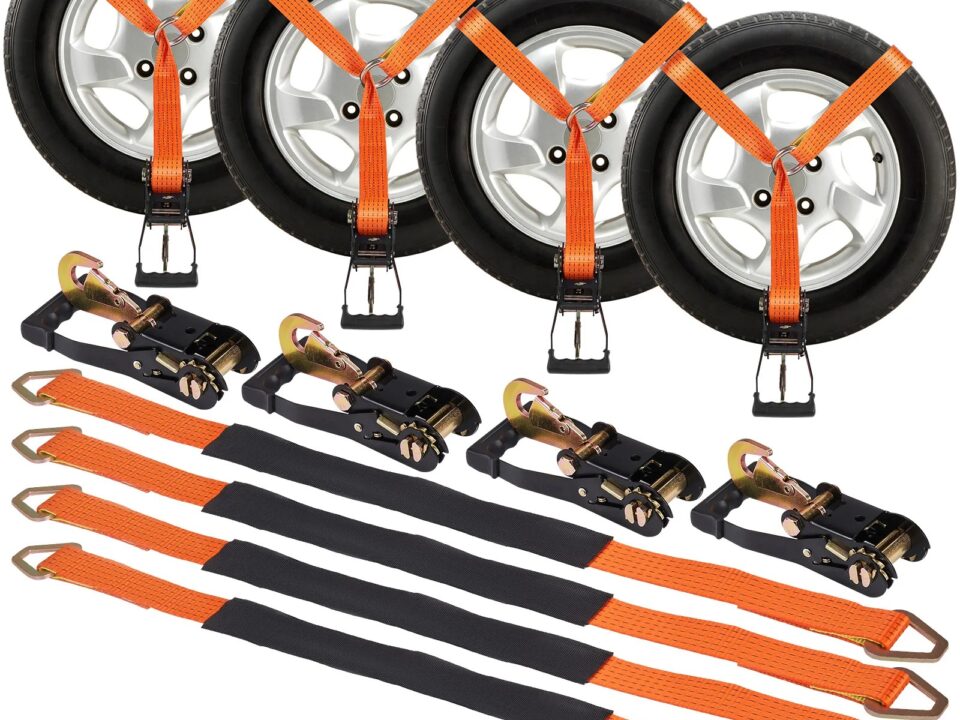
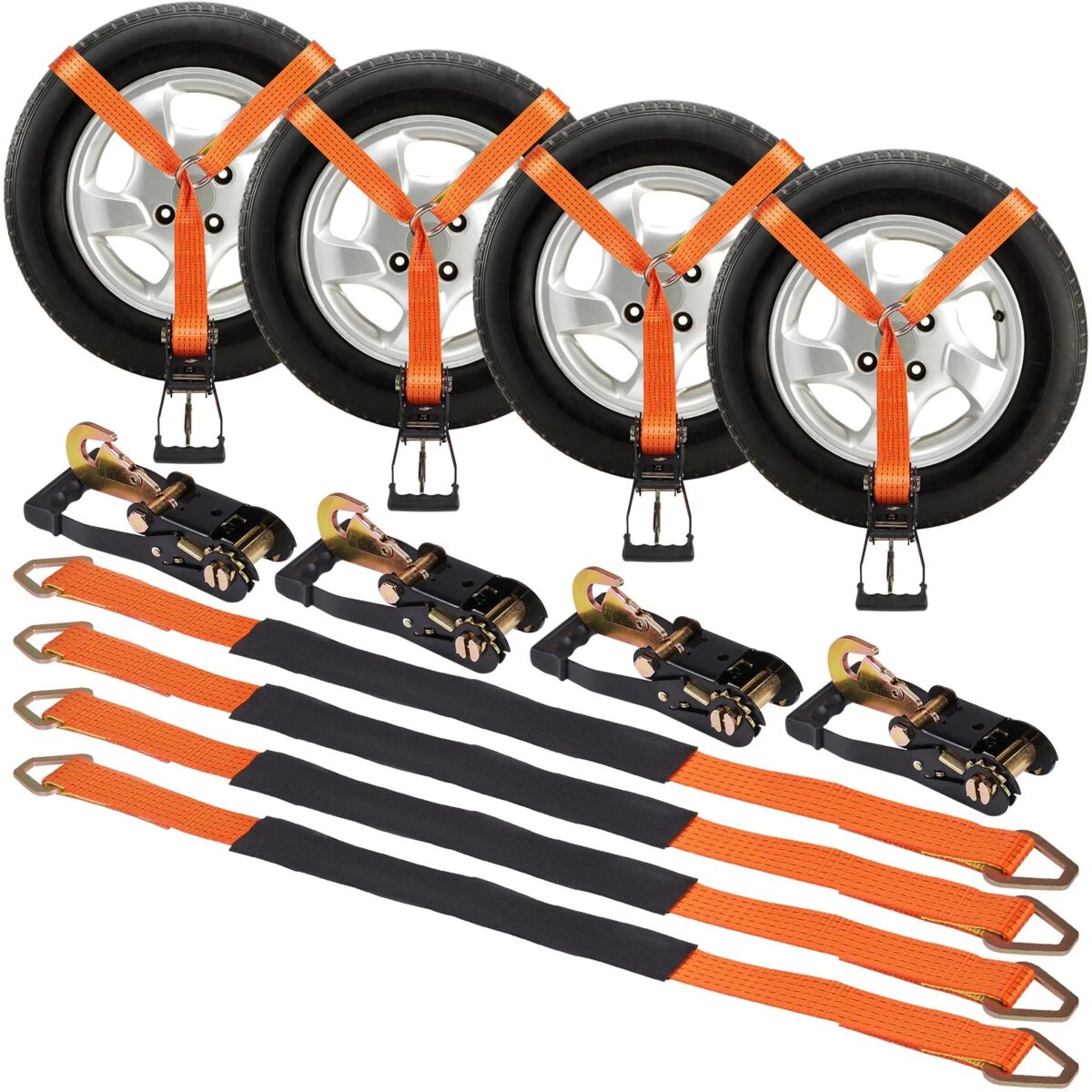
Heavy duty ratchet straps with S-hooks are strong tie-down tools used to secure cargo during transportation. They are commonly used with trucks, trailers, roof racks, and pickup beds to prevent loads from shifting while driving.
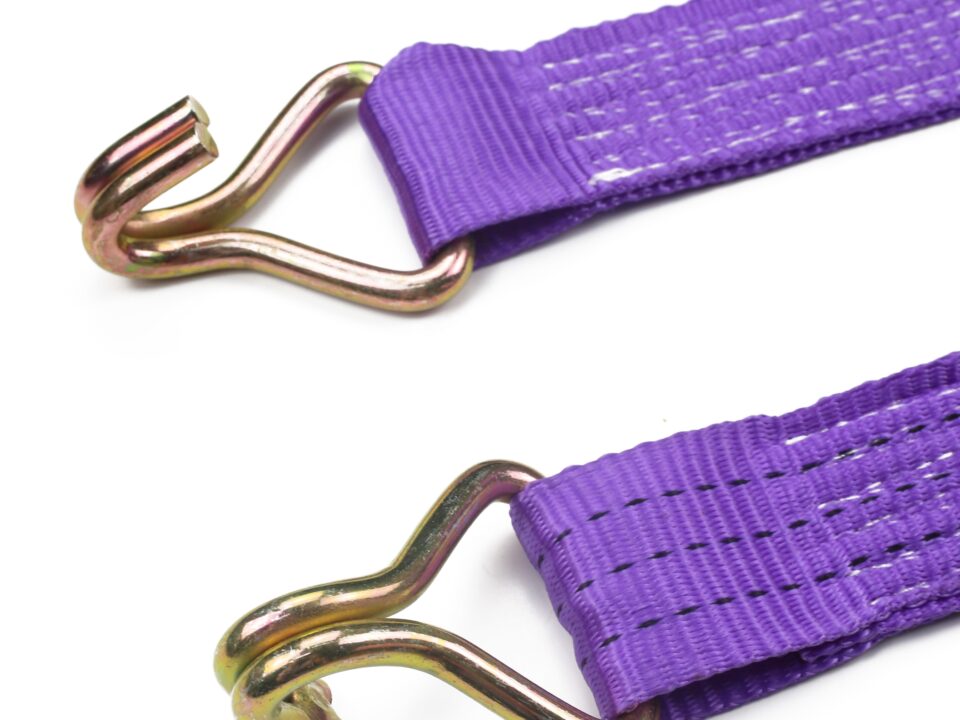
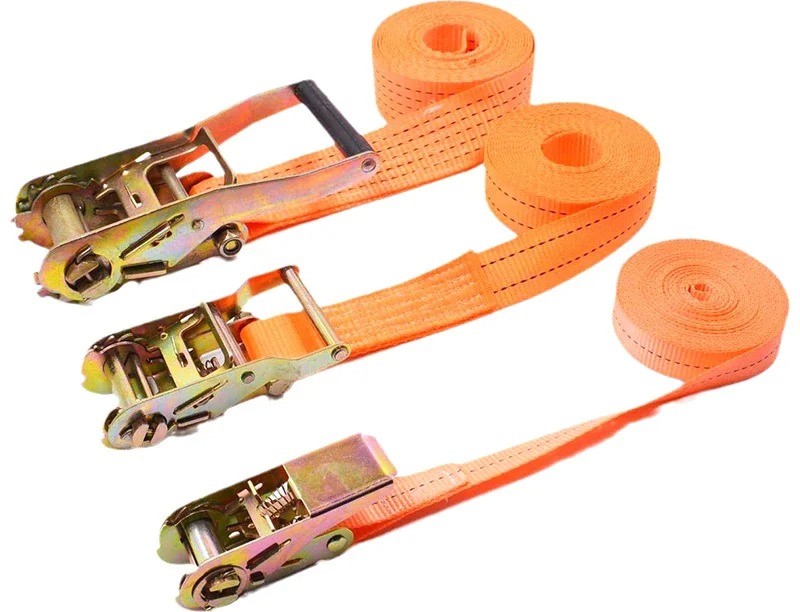
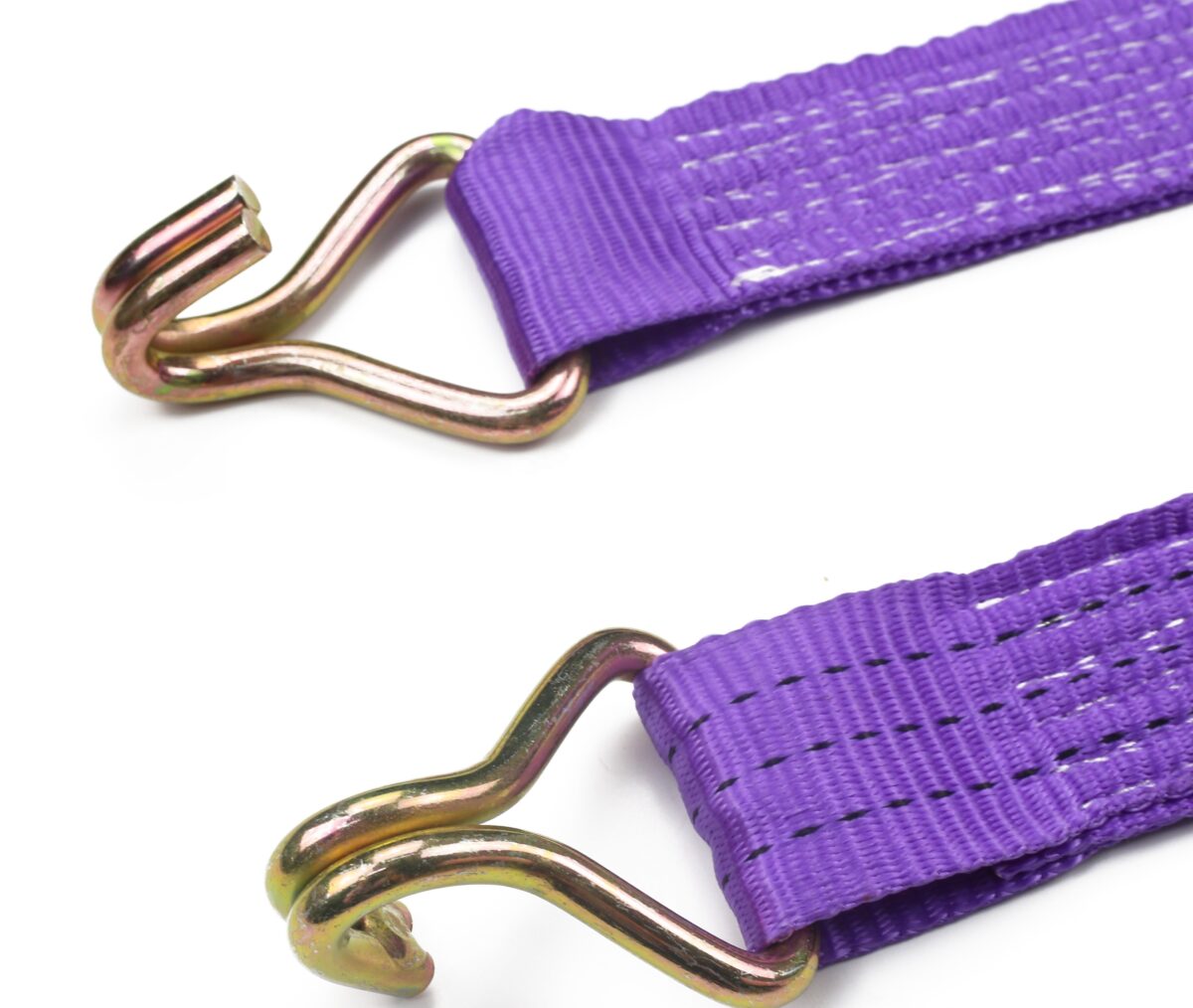
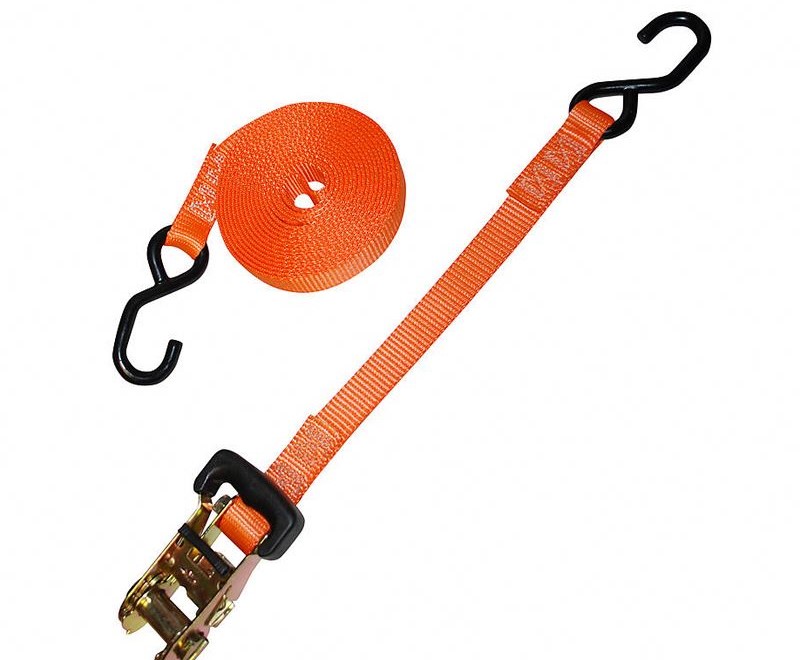
These straps usually include a durable polyester webbing belt, a metal ratchet mechanism, and two S-shaped hooks on each end. The ratchet allows the strap to tighten firmly around cargo, while the S-hooks attach easily to anchor points.
Key characteristics
- Strong polyester webbing for heavy loads
- Steel ratchet mechanism for tightening
- S-hooks for quick attachment
- Designed for trucks, trailers, and cargo racks
- Helps prevent cargo movement during transport
Common uses
- Securing furniture during moving
- Holding equipment in truck beds
- Tying down motorcycles or ATVs
- Securing cargo on trailers
Using quality ratchet straps helps improve cargo safety and road safety.
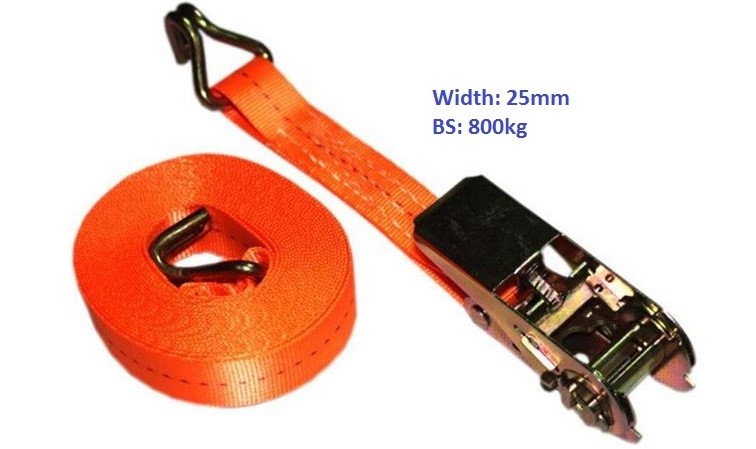
How Do Ratchet Straps With S-Hooks Compare to Other Tie-Down Straps?
Different cargo straps are available, but they work in different ways. Ratchet straps are usually preferred for heavier loads because they provide stronger tension and better control.
Quick Comparison Table
Feature | Ratchet Strap with S-Hooks | Cam Buckle Strap |
Tightening Method | Ratchet lever mechanism | Manual pull system |
Load Capacity | High load capacity | Moderate capacity |
Best Use | Heavy cargo and equipment | Light cargo |
Ease of Tightening | Very secure tightening | Limited tightening force |
Safety for Transport | Excellent for long trips | Suitable for short trips |
Risk of Loosening | Very low | Medium |
Key takeaway
- Ratchet straps are ideal for heavy loads and long-distance transport.
- Cam buckle straps are better for lighter cargo and quick tasks.
What Are the Most Important Features of Heavy Duty Ratchet Straps?
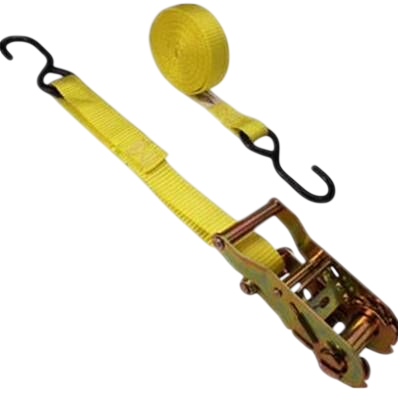
Below is a simple breakdown of important features truck owners usually look for when choosing ratchet straps.
Feature | Why It Matters | Benefit |
Polyester Webbing | Strong and weather resistant | Long durability |
Steel Ratchet Mechanism | Provides strong tension | Keeps cargo secure |
S-Hooks | Quick connection to anchor points | Easy setup |
Protective Coating | Prevents rust and corrosion | Longer lifespan |
High Load Rating | Supports heavy cargo | Safe transportation |
Reinforced Stitching | Prevents tearing | Better strength |
Wide Strap Design | Distributes pressure evenly | Protects cargo |
Compact Storage | Easy to store in vehicle | Convenient use |
These features make ratchet straps one of the most reliable cargo-securing tools.
How Can You Use a Heavy Duty Ratchet Strap With S-Hooks Correctly?

Using ratchet straps properly ensures maximum safety and prevents cargo damage.
Step-by-step process
- Inspect the strap
- Check the strap for cuts, fraying, or rusted hooks
- Ensure the ratchet mechanism moves smoothly
- Attach the S-hooks
- Connect both hooks to secure anchor points
- Make sure the hooks are facing outward
- Feed the strap through the ratchet
- Pull the strap through the ratchet slot
- Remove slack from the strap
- Tighten using the ratchet handle
- Pump the ratchet handle until the strap becomes tight
- Ensure cargo does not move
- Lock the ratchet
- Close the handle fully to lock it in place
- Check cargo stability
- Shake or press cargo slightly to ensure it is secure
Following these steps helps ensure safe cargo transportation.
What Is a Real-World Example of Using Ratchet Straps for Cargo Safety?
Many truck owners discover the importance of ratchet straps when transporting large or heavy items.
For example, during a home relocation, a pickup truck owner needed to move furniture and appliances across the city. Initially, the cargo was tied using basic ropes, but the items started shifting during transport.
After switching to heavy duty ratchet straps with S-hooks, the cargo remained stable throughout the trip. The ratchet system allowed the driver to tighten the straps securely around the load.
Lessons from real user experiences
- Strong straps reduce cargo movement
- Proper tightening improves safety
- Ratchet systems provide more control than ropes
- Secure cargo prevents damage and accidents
Many drivers share similar experiences in truck communities and moving forums, where ratchet straps are often recommended as essential cargo-securing tools.
This highlights the practical value of using reliable tie-down equipment for everyday transportation.
What Problems Can Occur With Ratchet Straps and How Can You Fix Them?
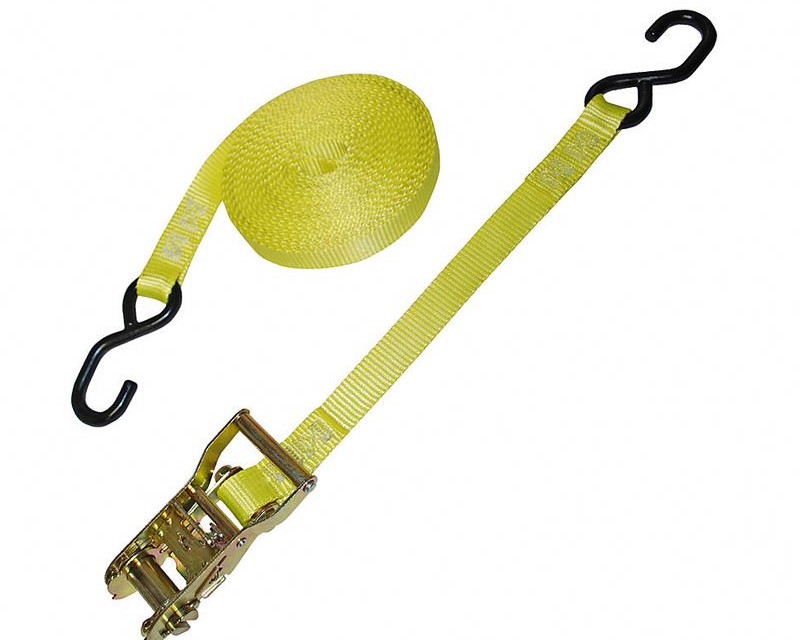
Although ratchet straps are durable, certain issues may appear over time.
Common problems and solutions
Loose straps during transport
- Cause: insufficient tightening
- Solution: tighten using ratchet mechanism and recheck tension
Strap twisting
- Cause: incorrect alignment during installation
- Solution: straighten strap before tightening
Rust on hooks or ratchet
- Cause: exposure to moisture
- Solution: clean and apply protective lubricant
Frayed strap edges
- Cause: contact with sharp cargo edges
- Solution: use corner protectors
Ratchet mechanism stuck
- Cause: dirt or debris inside ratchet
- Solution: clean and apply light oil
Regular inspection helps maintain strap performance.
Are Ratchet Straps Dangerous or Difficult to Use?
There are several misconceptions about ratchet straps.
Myth 1: Ratchet straps are only for professionals
- Reality: anyone can use them with basic instructions.
Myth 2: Tightening straps damages cargo
- Reality: proper tension actually protects cargo.
Myth 3: Ratchet straps are too complicated
- Reality: most straps can be installed within minutes.
Myth 4: All straps are the same
- Reality: load capacity and material quality vary.
Myth 5: Ropes work just as well
- Reality: ratchet straps provide stronger tension and better security.
Understanding these facts helps users choose safer cargo-securing solutions.
What Should You Consider Before Buying a Heavy Duty Ratchet Strap?
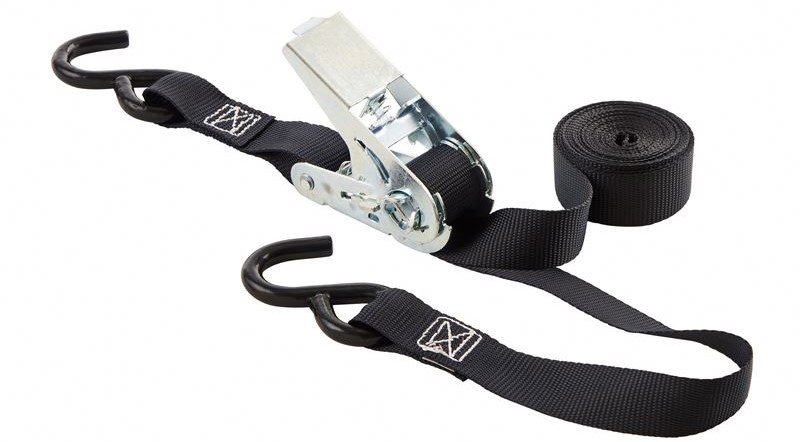
Choosing the right ratchet strap depends on several important factors.
Important buying factors
Load capacity
- Check working load limit and break strength
Strap material
- Polyester straps are more durable and weather resistant
Hook type
- S-hooks are common and easy to attach
Strap width
- Wider straps provide better load distribution
Ratchet quality
- Steel ratchets offer stronger tension
Length of strap
- Choose length based on cargo size
10 Pros & 10 Cons of 1" Heavy Duty Ratchet Straps with S-Hooks 2026 Perspective
These 1" heavy duty ratchet straps with S-hooks remain popular for securing motorcycles, ATVs, kayaks, lumber, and light trailers. Below is a balanced, analytical list highlighting key strengths and limitations based on real-world use patterns.
PROS
- Compact and lightweight: Easy to carry, store, and handle in tight spaces or crowded truck beds.
- Quick setup speed: Faster threading and ratcheting compared to wider straps, ideal for frequent short hauls.
- Lower surface pressure: Reduces risk of denting frames, forks, or delicate surfaces like fiberglass boats.
- Excellent maneuverability: Fits narrow anchor points and allows precise positioning on small vehicles.
- Cost-effective for medium loads: Lower price per strap while delivering solid WLL (typically 800–1,100 lbs).
- Fast drying after exposure: Narrow webbing sheds water quickly, minimizing mildew in wet climates.
- Less over-tension risk: Easier to achieve balanced hold without accidentally crushing suspension components.
- Versatile S-hook compatibility: Hooks attach rapidly to D-rings, rails, or loops without needing specialized fittings.
- Minimal bulk when coiled: Takes up far less room in toolboxes or under seats than 2" alternatives.
- Sufficient for hobby/DIY use: Meets DOT 50% rule for loads up to ~2,000 lbs when using 2–4 straps properly.
CONS
- Lower overall capacity: Break strength (often 4,000–6,000 lbs) trails 2" straps, limiting heavy commercial applications.
- Higher slip potential on rounded anchors: Open S-hooks can disengage under heavy vibration without adapters or soft loops.
- Less load distribution: Narrower contact area concentrates force, potentially causing webbing wear faster on sharp edges.
- Limited tension reserve: Reaches max tightness quicker; excess slack fills ratchet spool rapidly.
- More straps often required: Need 4+ for stable vehicle tie-downs vs. 2–3 with wider options for similar security.
- Vulnerability to edge abrasion: Thinner webbing cuts or frays easier without protectors on rough trailer rails.
- Reduced grip in extreme conditions: Can stretch slightly more under sustained load in heat compared to heavier weaves.
- Hook versatility trade-off: S-hooks less secure than grab hooks or flat hooks on flatbed or oversized anchors.
- Not ideal for max DOT compliance on heavy cargo: Struggles to meet higher WLL demands without multiple redundant straps.
- Faster hardware fatigue in saltwater: Standard steel components corrode quicker unless upgraded to stainless models.
This list focuses purely on inherent traits of the 1″ heavy duty ratchet strap with S-hooks format helping you decide if it matches your specific hauling needs in 2026.
Frequently Asked Questions About GO RHINO 1" Heavy Duty Ratchet Straps with S-Hooks
Yes, these straps work excellently for motorcycles thanks to their lower contact pressure and vinyl-coated S-hooks that prevent scratches on frames or chrome parts. Using four straps in an X-pattern provides stable forward, backward, and side-to-side control during highway travel. Many riders appreciate how the 1" width avoids over-compressing suspension components while still meeting securement needs for typical bike weights.
The working load limit usually ranges from 833 to 1,100 pounds per strap depending on the exact model, meaning you should calculate total capacity based on the number of straps used. For safety, always make sure the combined WLL covers at least 50% of your cargo weight per DOT guidelines. This makes them reliable for medium-duty applications like ATVs or light utility loads when applied correctly.
While standard versions handle occasional moisture well due to the durable polyester webbing, prolonged saltwater exposure can accelerate corrosion on non-stainless hardware. For frequent boat or beach use, opt for models with enhanced coatings or consider stainless upgrades. Regular rinsing after use helps maintain performance in coastal conditions.
Select a length that allows proper 30–60 degree angles when tensioned, typically 10–15 feet for most motorcycle or small trailer applications. Too short, and angles become too steep reducing holding power; too long creates excess webbing that flaps in wind. Measure your trailer width plus height to the anchor points for the best fit.
Yes, when used properly with adequate total working load limit and correct angles, they comply with FMCSA securement rules for non-commercial and light commercial loads. They carry clear WLL tags, and the 50% cargo weight rule applies. Always inspect before each trip to make sure full compliance during roadside checks.
Extended tension combined with road vibration can cause slight binding in the mechanism, especially if dirt accumulates. A quick wipe-down and light silicone spray on moving parts before use prevents this issue. Avoid over-cranking initially, as it reduces release effort significantly afterward.
Vinyl coating is highly recommended for anything with painted, powder-coated, or chrome surfaces to avoid scratches or marring during tensioning. Uncoated hooks work fine on bare metal anchors but risk cosmetic damage on vehicles or gear. The coating also adds a bit of grip to reduce accidental disengagement.
Coil them loosely and store in a dry, shaded spot away from direct sunlight to prevent UV degradation and mildew buildup. Avoid leaving them in damp truck beds or exposed to chemicals. Proper storage can double the lifespan compared to leaving them out year-round.
Yes, but do it safely by hooking one S-hook through the webbing loop of the other strap rather than hook-to-hook, which can slip under load. This creates a secure connection while maintaining strength. For very long spans, consider purchasing a single longer strap to avoid potential weak points.
GO RHINO emphasizes USA-made construction with denser polyester weaves and precision ratchet mechanisms that resist jamming and hold tension longer in varied weather. The thoughtful coated hooks and consistent quality checks reduce common failures seen in lower-cost imports, offering better long-term value for frequent users who demand reliability.
Conclusion
Are Heavy Duty Ratchet Straps Worth Using?
Heavy duty ratchet straps with S-hooks are reliable tools for securing cargo in trucks, trailers, and roof racks. Their strong webbing, ratchet tightening system, and secure hooks make them suitable for transporting heavy loads safely.
When used correctly, these straps help prevent cargo shifting, reduce the risk of damage, and improve overall transportation safety. For drivers who frequently move equipment, furniture, or outdoor gear, investing in durable ratchet straps can be a practical and long-term solution.
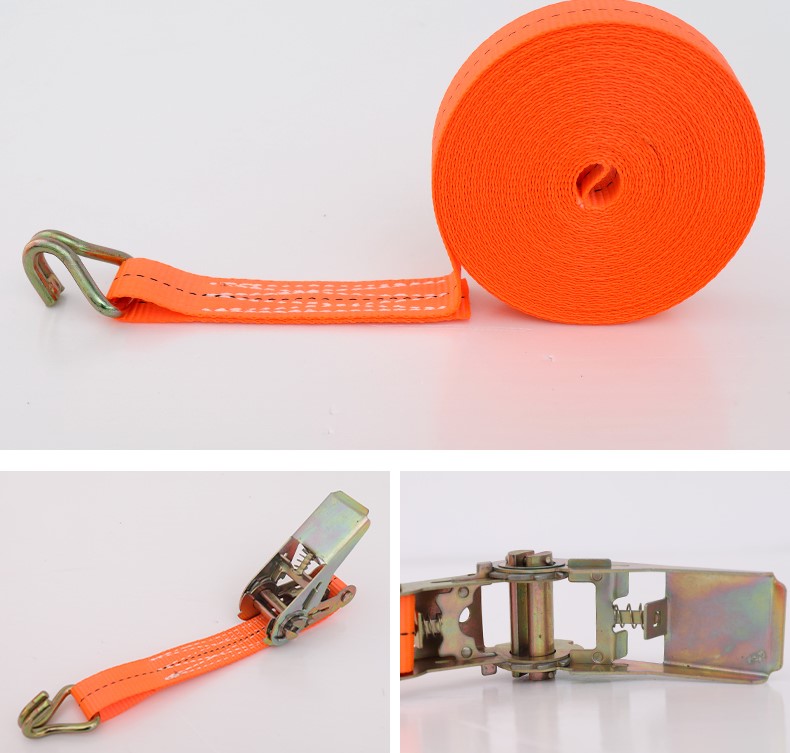
While they aren’t intended for maximum commercial loads or extreme heavy-duty applications, they consistently outperform generic imports in longevity, ease of use, and everyday dependability making them the preferred option for weekend warriors, adventure riders, and frequent light haulers who value quality without unnecessary expense.
In short, if your hauling involves frequent setups, sensitive surfaces, or mixed weather conditions, GO RHINO 1″ ratchet straps with S-hooks provide secure, scratch-free performance you can trust trip after trip.