1″ Heavy Duty Ratchet Strap with S-Hooks in USA
February 19, 2026
Best 2 Inch Ratchet Straps in USA 2026
February 19, 2026What Are 1 Inch Ratchet Straps and Why Are They Useful for Light Cargo?
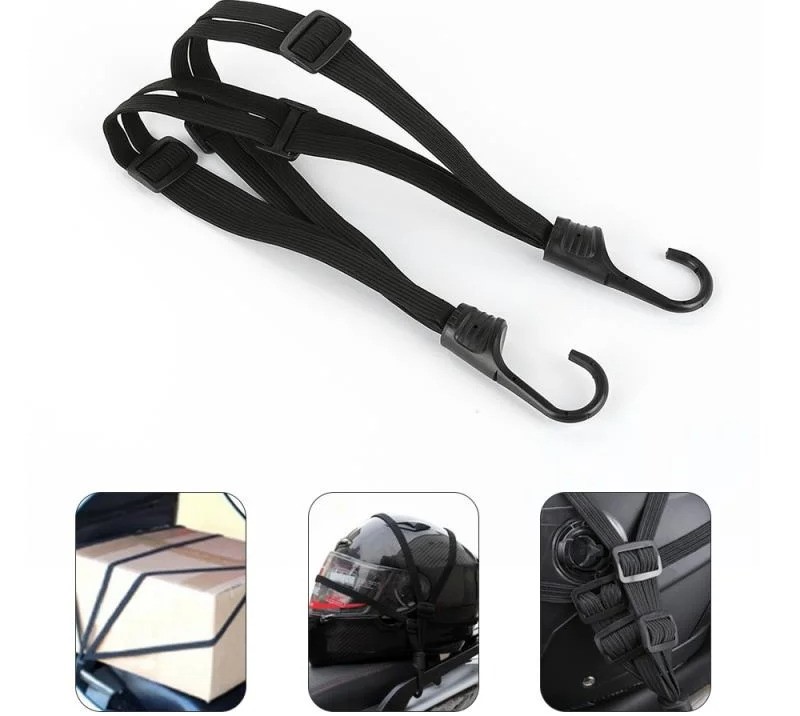
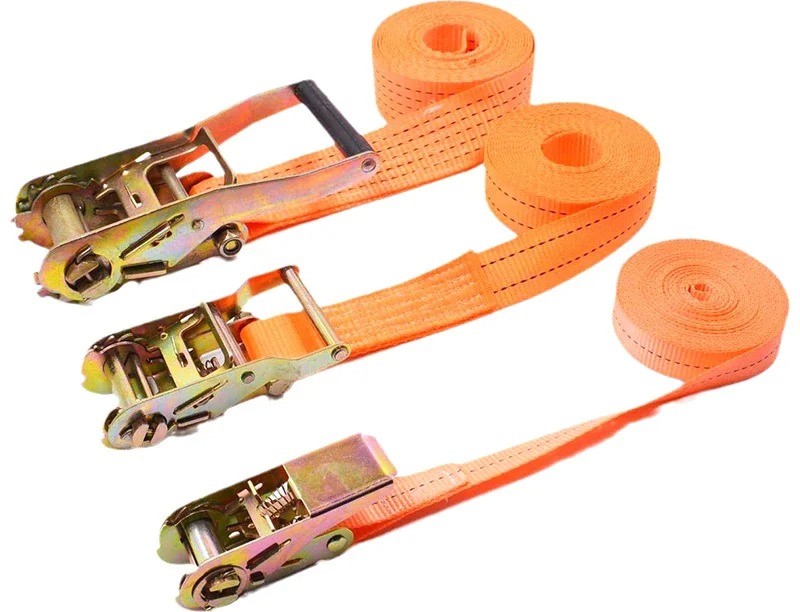
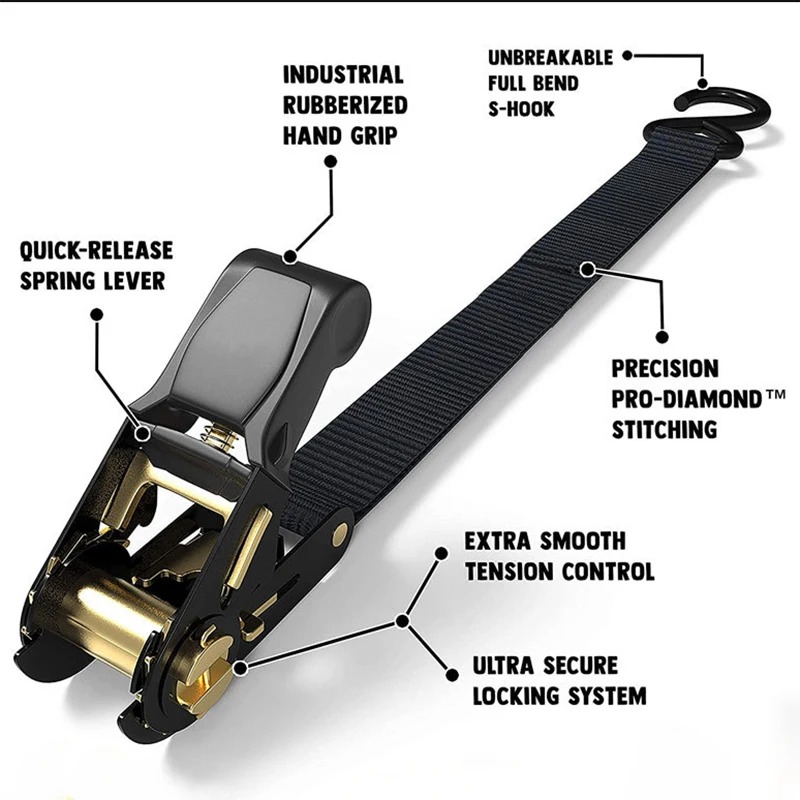
1 inch ratchet straps are cargo tie-down tools designed to secure light to medium loads during transport. They are commonly used on pickup trucks, trailers, roof racks, and moving vans.
These straps use a ratchet mechanism that allows users to tighten the webbing gradually until the cargo is secure. The locking system prevents the strap from loosening during travel.
Key characteristics
- Typical working load limit (WLL): 400–1,100 lbs depending on hardware and material.
1 inch Ratchet Straps - Made from polyester webbing for durability and weather resistance.
- Available in lengths from 6 ft to 20 ft or more.
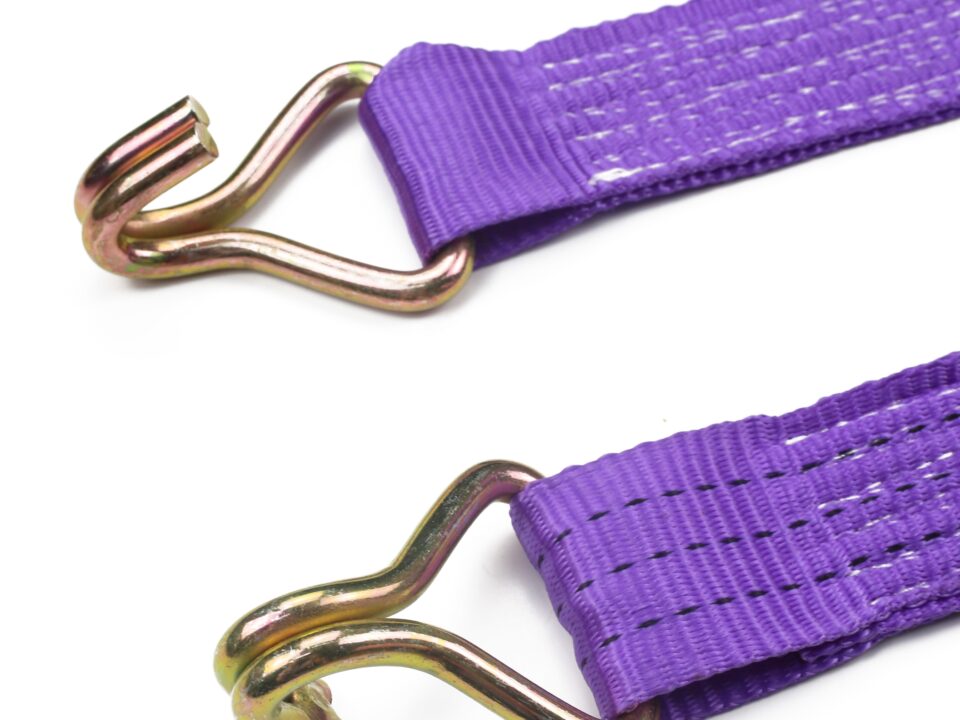
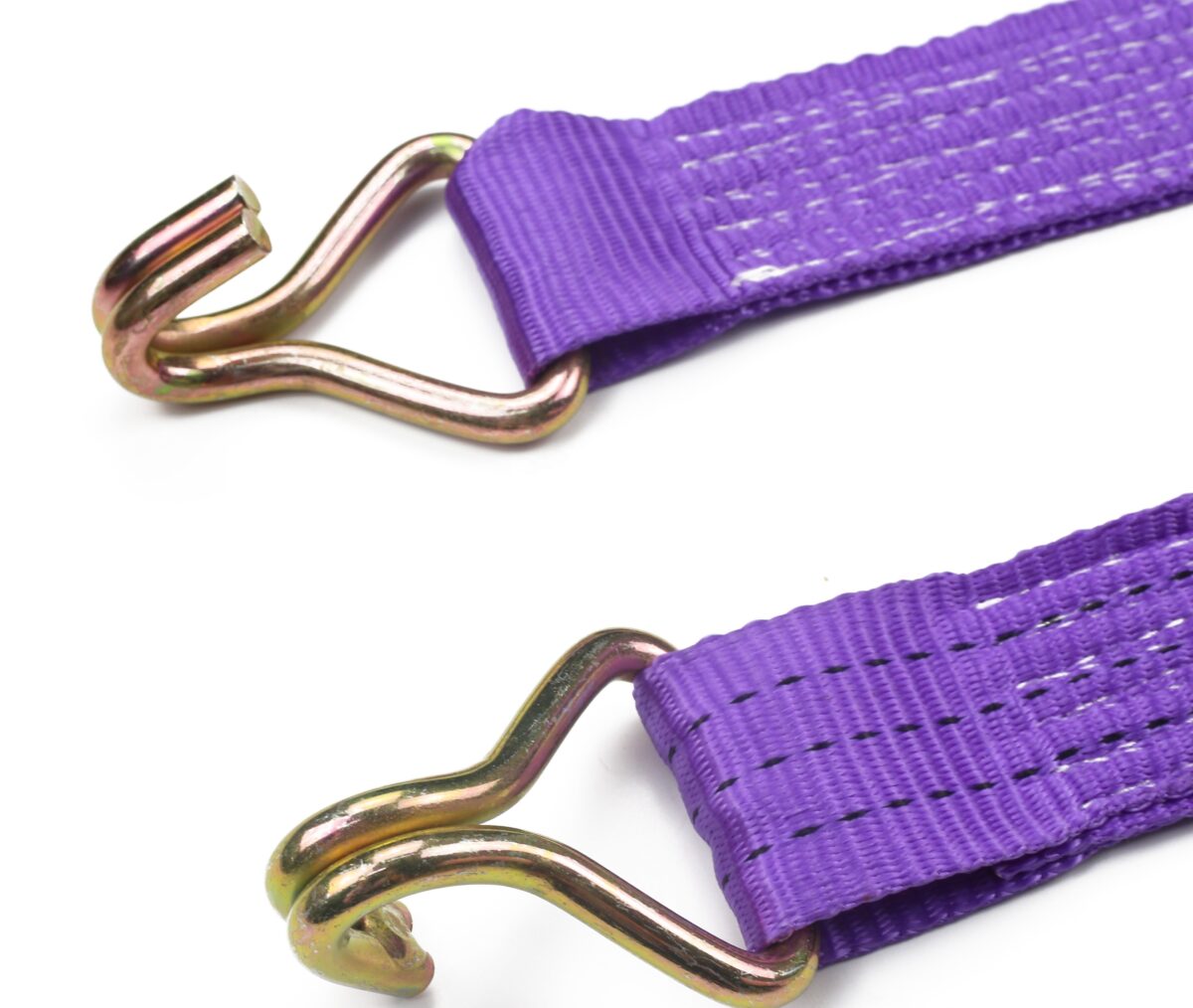
- Often include S-hooks, J-hooks, or D-ring fittings.
- Suitable for trucks, motorcycles, kayaks, furniture, and small equipment.
Common uses
- Securing motorcycles on trailers
- Transporting furniture or appliances
- Holding kayaks or paddleboards on roof racks
- Bundling boxes inside moving trucks
- Carrying DIY equipment and outdoor gear
These straps remain popular because they offer a good balance between strength, convenience, and portability.
How Do 1 Inch Ratchet Straps Compare to Other Tie-Down Options?
Before choosing a strap, it helps to compare different types of cargo securement tools.
2026 1 Inch Ratchet Straps Head-to-Head Comparison
Feature | 1 Inch Ratchet Straps | 2 Inch Ratchet Straps |
Typical WLL | 400–1,100 lbs | 1,500–3,300 lbs |
Best Use | Light-medium loads | Heavy equipment |
Handling | Lightweight & compact | Heavier but stronger |
Cargo Protection | Less risk of crushing soft items | Higher compression force |
Storage | Easy to store | Requires more space |
Price | Usually cheaper | Higher cost |
Ideal Users | Recreational haulers | Professional transport |
Setup Time | Quick and simple | Slightly slower |
This comparison shows why 1-inch straps are preferred for smaller hauling jobs.
What Features Should You Look for in Quality 1 Inch Ratchet Straps?
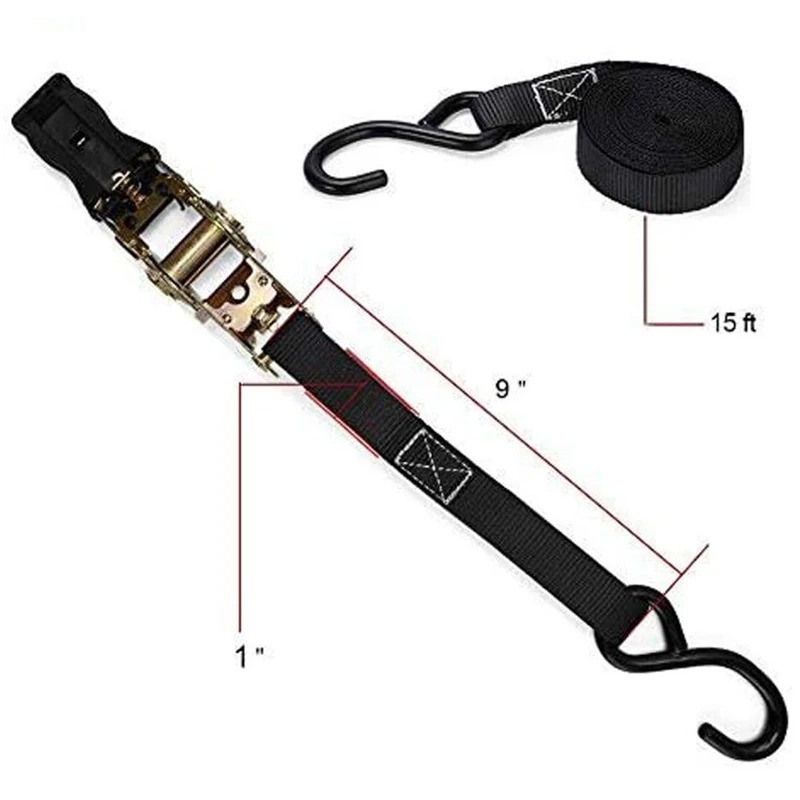
When choosing ratchet straps, buyers often focus on durability, safety, and ease of use.
Quick Comparison: Key Specs at a Glance (2026 Favorites)
Feature | Why It Matters | What to Look For |
Polyester Webbing | Strong and weather resistant | UV-protected material |
Working Load Limit | Indicates safe capacity | Minimum 400–1,100 lbs |
Ratchet Mechanism | Controls tension | Smooth and rust-resistant |
Hook Type | Determines anchor compatibility | S-hook, J-hook, or D-ring |
Strap Length | Affects versatility | 6–20 ft options |
Edge Protection | Prevents fraying | Reinforced stitching |
Storage Design | Prevents tangles | Retractable or keeper loops |
Safety Label | Confirms load rating | Visible WLL tag |
Choosing straps with these features improves reliability and safety during transportation.
How to Properly Use 1 Inch Ratchet Straps
How Can You Use 1 Inch Ratchet Straps Safely?
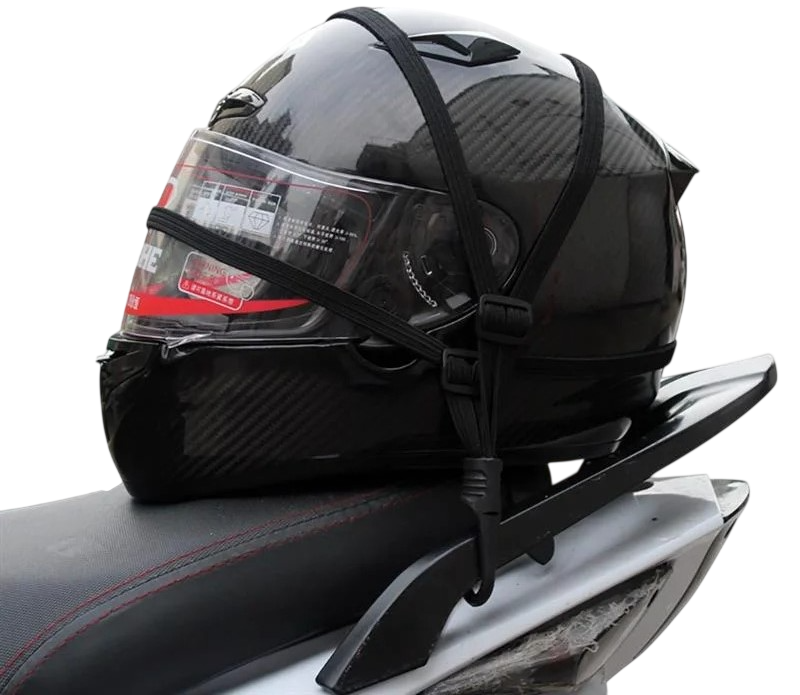
Using ratchet straps correctly helps prevent cargo movement and road hazards.
Step-by-step process
- Inspect the strap
- Check for cuts, fraying, or rust on hooks.
- Ensure the WLL label is readable.
- Attach anchor points
- Connect one hook to a secure anchor.
- Stretch the strap across the load.
- Thread the strap
- Open the ratchet fully.
- Feed the strap through the mandrel slot from the bottom.
- Tighten gradually
- Pump the ratchet handle until the cargo feels firm.
- Avoid excessive tightening.
- Secure extra webbing
- Coil or tuck loose strap ends.
- Check the angle
- Aim for about a 45-degree angle for optimal stability.
- Perform final inspection
- Ensure straps are evenly tensioned and not twisted.
Proper setup reduces cargo shifting and improves transport safety.
What Real-World Experience Shows About Using 1 Inch Ratchet Straps?
Experienced vehicle owners often rely on ratchet straps for long-distance transport.
Real-world scenario
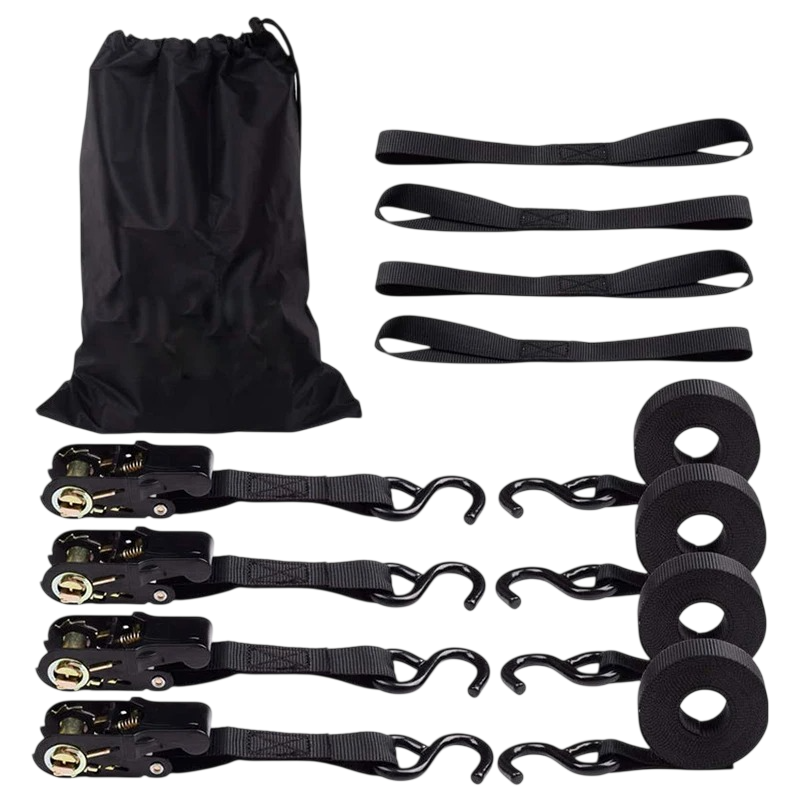
A vehicle technician shared his experience transporting a motorcycle over multiple long trips totaling several thousand miles.
What he did
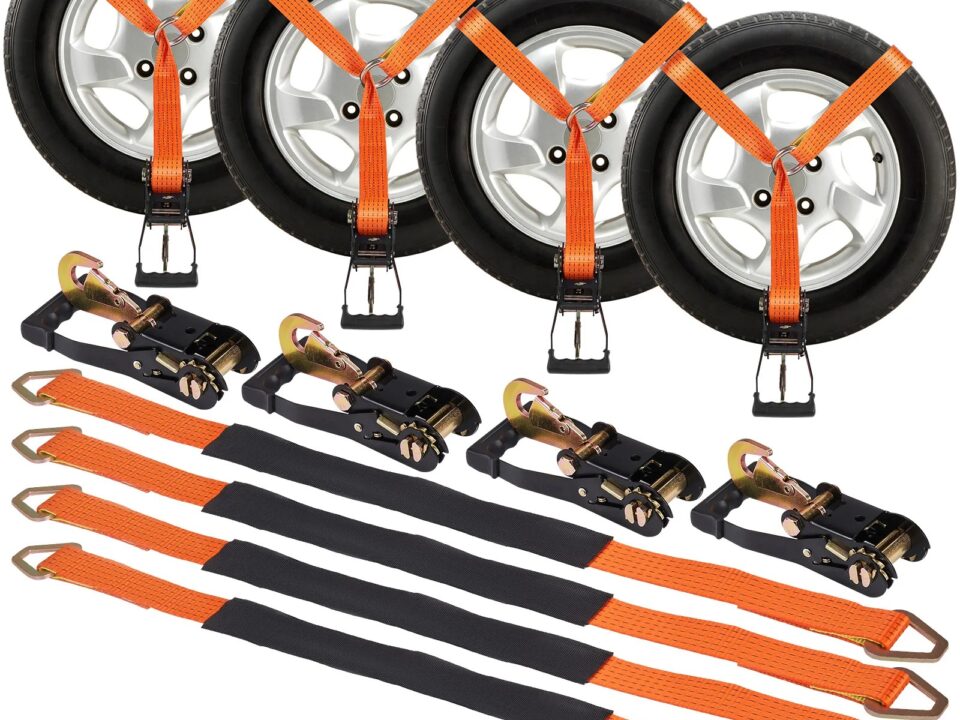
- Used four straps in a crossed pattern for stability.
- Performed a tension check at every fuel stop.
- Protected sharp edges to avoid strap damage.
Results
- The cargo remained stable throughout the journey.
- No slipping occurred despite rough roads and weather.
- Setup time decreased after gaining familiarity with the ratchet mechanism.
Lessons learned
- Proper strap positioning matters more than excessive tightening.
- Regular inspections prevent failures during travel.
- Quality straps provide consistent tension and durability.
This example highlights how experience, proper technique, and regular checks improve hauling safety.
Common
What Problems Can Occur With 1 Inch Ratchet Straps and How Can You Fix Them?
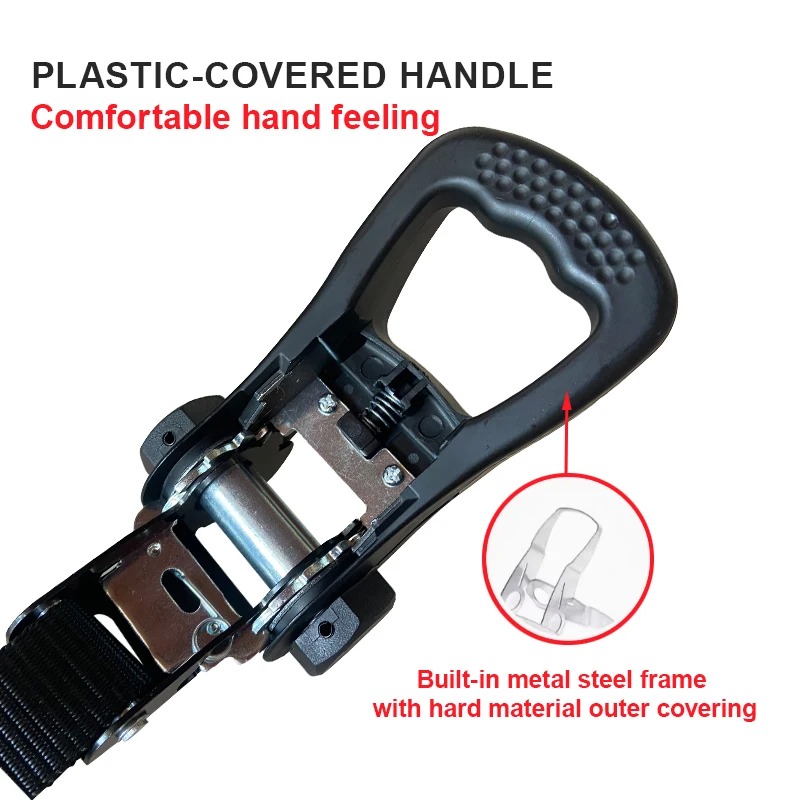
Even reliable straps may encounter issues during use.
Common problems and solutions
Problem: Ratchet mechanism jams
- Cause: Dirt or incorrect threading
- Solution: Clean the ratchet and re-thread properly.
Problem: Loose straps during long trips
- Cause: Road vibration
- Solution: Recheck tension after 30–50 miles.
Problem: Hook slipping
- Cause: Incorrect hook type
- Solution: Match hook design to anchor points.
Problem: Webbing damage
- Cause: Sharp cargo edges
- Solution: Use edge protectors.
Problem: Flapping loose ends
- Cause: Excess webbing
- Solution: Coil and secure strap tails.
These simple adjustments can significantly improve strap performance and safety.
What Are the Most Common Myths About 1 Inch Ratchet Straps?
Several misconceptions lead to improper strap use.
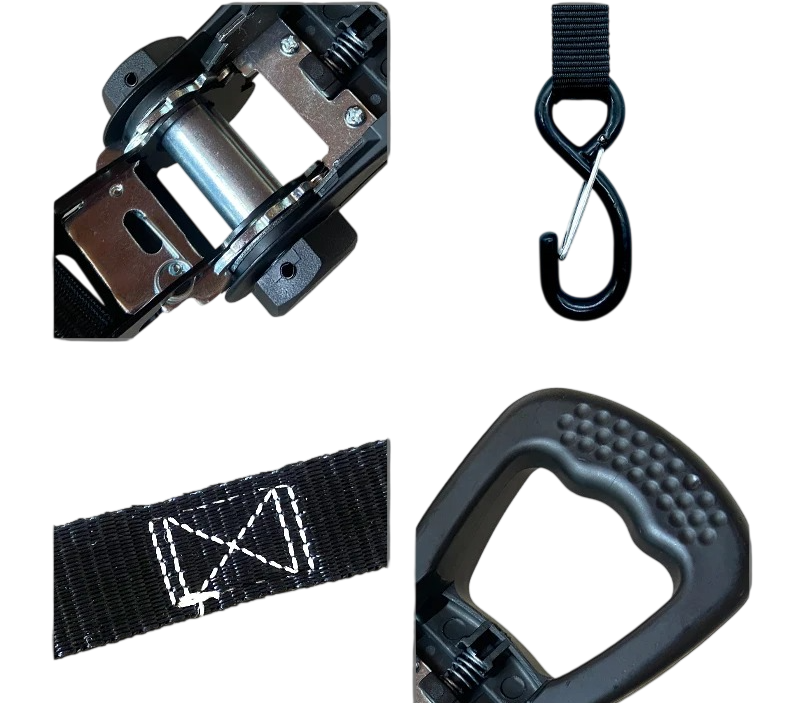
Myth vs Reality
Myth: Tightening as hard as possible improves safety
Fact: Over-tightening can damage cargo and reduce strap life.
Myth: A twisted strap loses half its strength
Fact: Minor twists have minimal impact on capacity.
Myth: 1-inch straps are too weak for real hauling
Fact: They are ideal for light-medium loads when used within rated limits.
Myth: Old straps are safe if they look fine
Fact: Visible wear or missing labels can lead to inspection failure.
Myth: All straps perform the same
Fact: Material quality and hardware significantly affect durability.
How Do You Choose the Best 1 Inch Ratchet Straps for Your Needs?
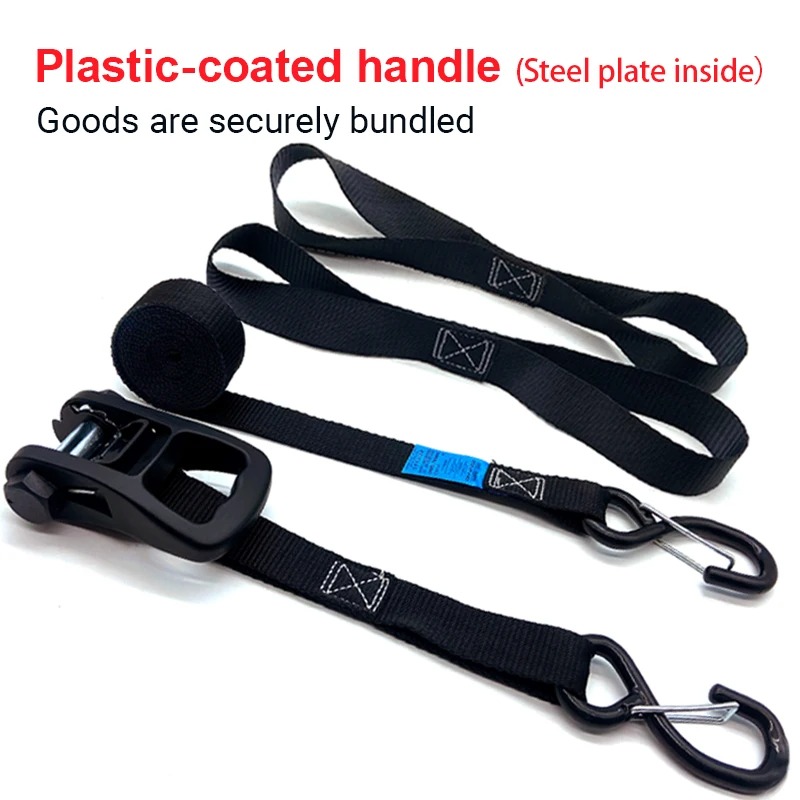
Selecting the right straps depends on your cargo type and transport conditions.
Important buying factors
- Working Load Limit (WLL)
- Strap length based on cargo size
- Hook type for anchor compatibility
- Weather resistance for outdoor use
- Ease of ratchet operation
10 Pros of 1 Inch Ratchet Straps
- Compact and low-profile design: Fits easily in tight spaces like small trailer rails or crowded truck beds without crowding anchors.
- Lightweight for quick handling: Reduces fatigue during frequent setup/teardown compared to wider straps.
- Lower material cost per strap: Generally cheaper to produce and purchase, ideal for multiple-strap kits.
- Excellent for light-to-medium loads: Perfect WLL range (typically 400–1,100 lbs) matches motorcycles, dirt bikes, kayaks, and furniture without overkill.
- Easier storage and portability: Takes up minimal space in glove boxes, tool bags, or under seats.
- Faster threading and initial setup: Narrow webbing feeds through ratchets quicker than bulkier alternatives.
- Less risk of over-compressing soft cargo: Lower max tension helps protect bike seats, padded boxes, or delicate items from crushing.
- Better maneuverability in confined areas: Ideal for securing odd-shaped gear in pickup beds or small utility trailers.
- Reduced wind resistance when trailing: Slim profile creates less drag and noise on highway drives.
- Suits recreational/DIY users: Matches hobbyist needs (hunting, camping, home projects) without needing commercial-grade bulk.
10 Cons of 1 Inch Ratchet Straps
- Lower working load limit: Caps at ~1,100 lbs max, insufficient for heavier equipment or professional hauls.
- Less surface area for load distribution: Concentrates pressure on smaller contact points, increasing cut risk on sharp edges.
- More prone to twisting under tension: Narrow webbing can spin or kink more easily during cranking.
- Reduced abrasion resistance: Thinner material wears faster against rough trailer corners or abrasive cargo.
- Limited harness in ratchet: Smaller width offers less mechanical advantage, requiring more effort for final tightens.
- Not ideal for very heavy vibration: May need frequent re-checks on long, bumpy routes to maintain tension.
- Hook and hardware are often lighter-duty: Standard fittings can bend or deform sooner under repeated max loads.
- Less forgiving on angle errors: Shallow or extreme angles reduce holding power more noticeably than wider straps.
- Harder to spot minor damage quickly: Narrower webbing makes small cuts or UV fade less obvious during inspections.
- Aggregate WLL builds slower: Requires more straps to meet FMCSA 50% rule for heavier light-medium loads.
These points provide a balanced, practical view for anyone choosing tie-downs in 2026. If you’re deciding between widths or applications, 1 inch excels in convenience for lighter tasks but trades off capacity and durability.
Yes, 1 inch ratchet straps are fully DOT-compliant when they meet FMCSA cargo securement requirements, such as providing at least 50% of the cargo's weight in aggregate working load limit (WLL) and showing no visible damage during inspections. As long as the straps are properly rated, threaded, and positioned with correct angles, they satisfy federal rules for light-duty hauling like motorcycles or household items. Always verify the WLL tag is legible and inspect before every trip to stay compliant on American roads.
For most standard motorcycles, four 1 inch ratchet straps are recommended two at the front (often to a wheel chock) and two at the rear to prevent forward, rearward, and side-to-side movement during transport. This setup provides balanced tension without over-compressing suspension components. Adjust based on bike weight and trailer design, but always make sure total WLL covers at least half the bike's weight for safe, stable hauling.
Absolutely, 1 inch ratchet straps work well for securing kayaks, canoes, or paddleboards to roof racks or trailers because their lower tension capacity helps avoid damaging delicate hulls or bows. Use bow and stern lines plus two cross straps over the body for stability, keeping angles around 45 degrees to counter wind lift. Their slim profile also reduces drag compared to wider straps during highway travel.
The primary difference lies in load capacity and application: 1 inch straps typically offer a WLL of 400–1,100 lbs and suit lighter recreational loads like dirt bikes, furniture, or ATVs, while 2 inch versions handle 1,500–3,300 lbs for heavier commercial or professional use. The narrower width makes 1 inch straps more portable and less likely to crush soft cargo, but they provide less abrasion resistance and harness during tightening than their wider counterparts.
Yes, retractable 1 inch ratchet straps are popular for quick, tangle-free storage and fast setup, especially in pickup beds or small trailers where convenience matters. They maintain reliable tension for light loads without the hassle of loose webbing, though their mechanisms may have slightly lower max WLL than traditional fixed models. Choose high-quality versions to make sure smooth retraction and durable performance over repeated use.
Select length based on your cargo and anchor points 6–10 feet suits compact truck beds or small trailers, while 12–20 feet works better for wider loads like motorcycles or furniture spanning a full bed. Measure the distance across your load plus extra for threading and angles to avoid buying straps that are too short. Longer options give more flexibility but create excess webbing that needs secure coiling after tightening.
For ultra-light items like camping gear or small boxes, cam buckle straps can be simpler and quicker since they apply gentler tension without a ratchet mechanism, reducing the risk of over-tightening delicate surfaces. However, ratchet versions provide more precise and higher tension control, making them preferable when vibration or wind could loosen a load. For most 1 inch applications involving movement, ratchets remain the safer, more secure choice.
Prolonged exposure to UV sunlight, rain, road salt, or extreme temperatures accelerates polyester webbing degradation, causing fading, brittleness, or reduced strength over time. Store straps in a dry, shaded area when not in use and inspect regularly for signs of wear like discoloration or stiffness. Quality straps with UV-resistant treatments hold up better in varied USA climates, extending reliable service life significantly.
Yes, they're excellent for bundling furniture, mattresses, or boxes inside a moving van or trailer because their moderate tension prevents shifting without denting or crushing softer materials. Pair them with corner protectors for edges and use multiple straps in a crossed pattern for stability during turns. This approach keeps loads organized and secure without needing heavier-duty options.
Gently clean soiled webbing with mild soap and water using a soft brush or cloth avoid harsh chemicals, bleach, or machine washing, which can weaken fibers or damage coatings. Rinse thoroughly, air-dry completely in shade, and inspect for hidden damage before storing or reusing. Regular light cleaning preserves strength and visibility of wear, helping maintain safe performance for future hauls.
Conclusion
Are 1 Inch Ratchet Straps Worth Using?
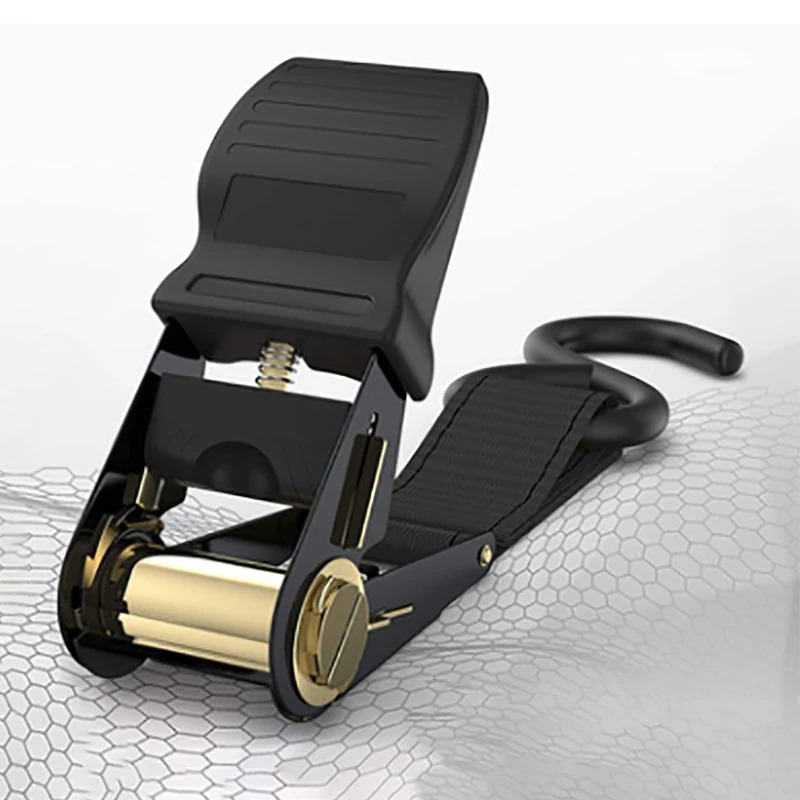
1 inch ratchet straps remain one of the most practical cargo-securement tools for light and medium-duty hauling. Their compact size, ease of use, and reliable tension control make them ideal for motorcycles, outdoor equipment, furniture transport, and everyday cargo tasks.
Although they cannot handle extremely heavy loads, proper use, regular inspection, and choosing quality straps ensure dependable performance. When selected carefully and used correctly, these straps provide a safe and efficient way to secure cargo during travel.