1″ Heavy Duty Ratchet Strap with S-Hooks in USA
February 19, 2026
Best 2 Inch Ratchet Straps in USA 2026
February 19, 2026Why Choose 1 Inch Ratchet Straps from GO RHINO in 2026?
1 inch ratchet straps remain a top choice for secure, reliable cargo control across the United States. Ideal for lighter-duty jobs, these versatile straps deliver strength without bulk.
Perfect for pickup trucks, utility trailers, motorcycles, ATVs, and moving vans
Compact design fits tight spaces and easy to store
Compliant with current FMCSA cargo securement guidelines for safe hauling
Built tough for everyday use in 2026's demanding conditions
Key Features of GO RHINO 1 Inch Ratchet Straps
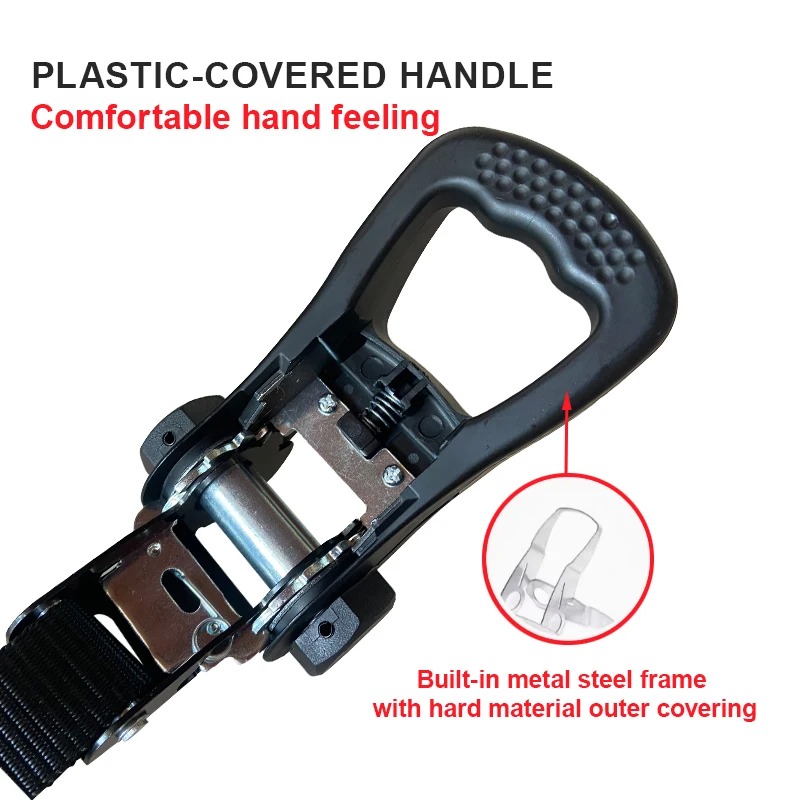
GO RHINO prioritizes quality polyester webbing and heavy-duty hardware for maximum performance.
End Fittings Options
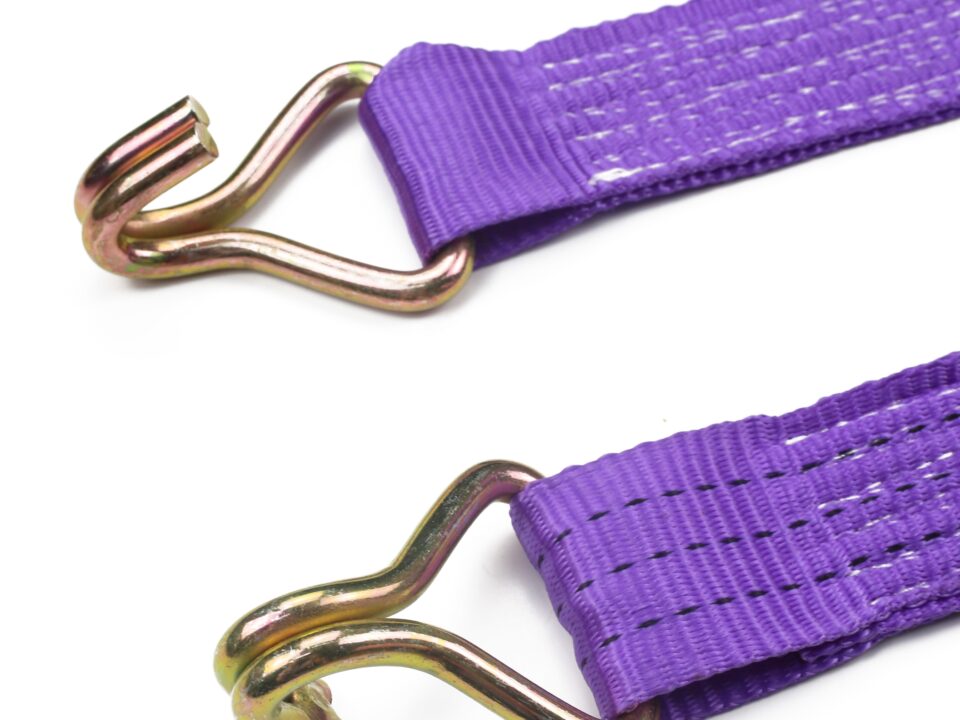
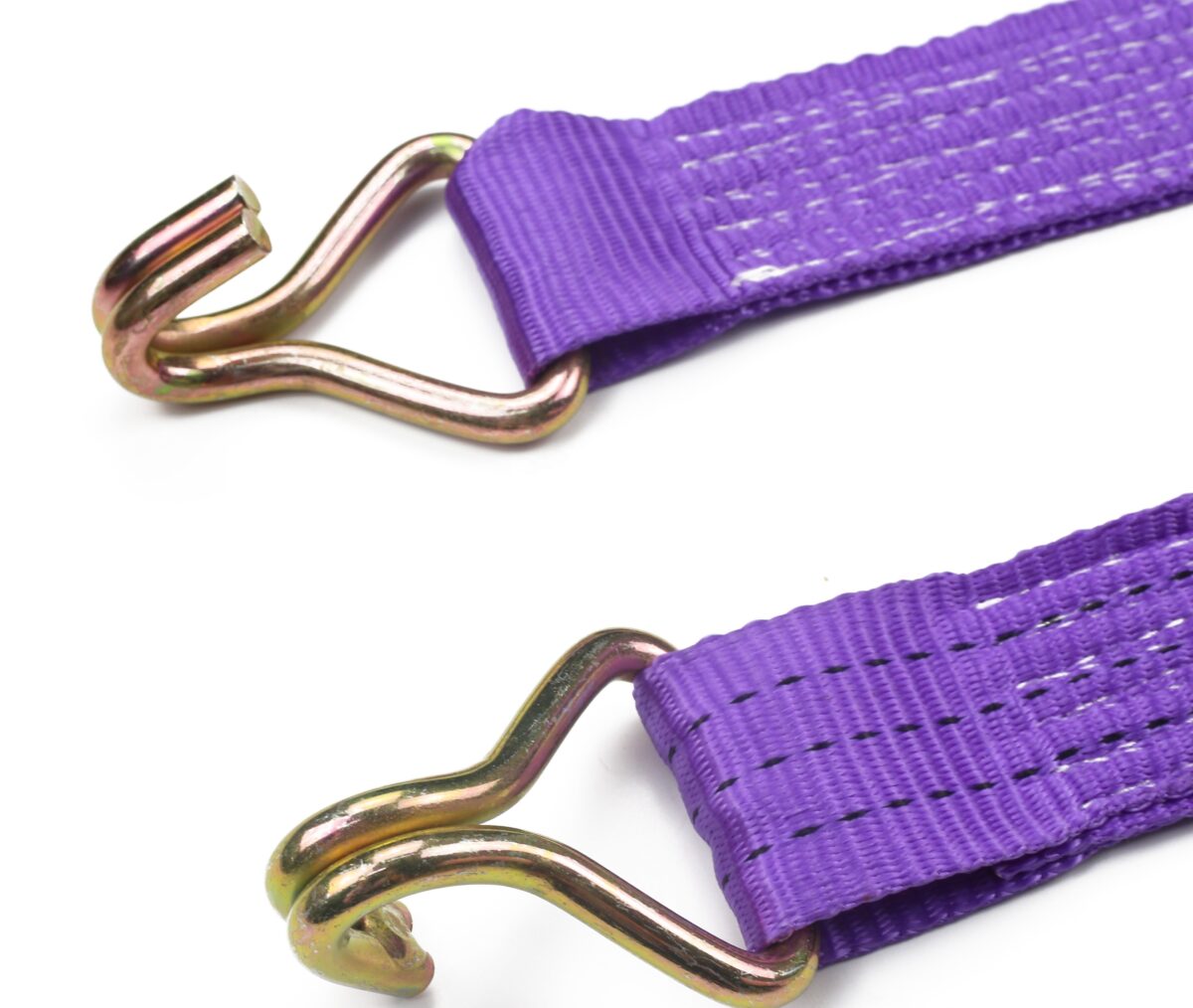
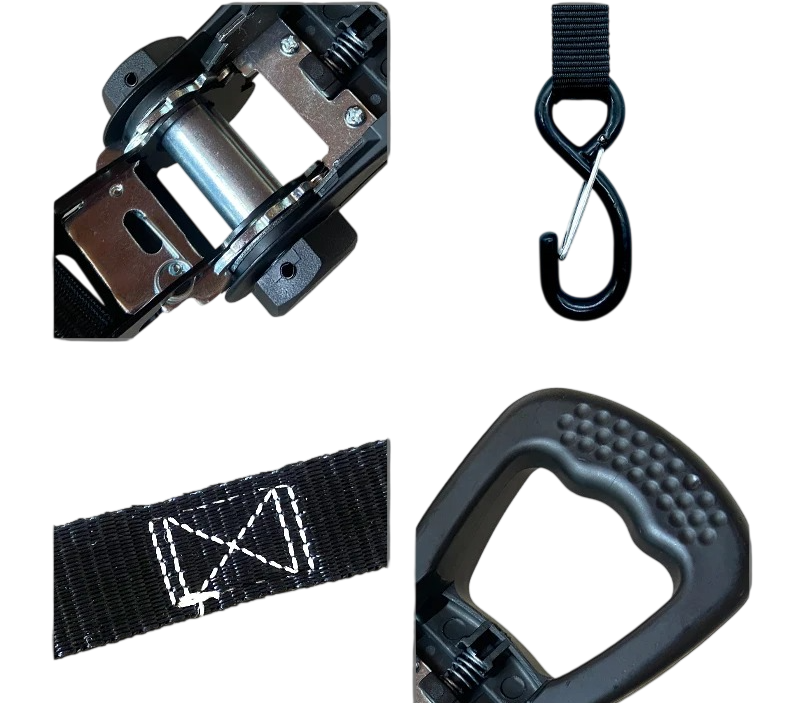
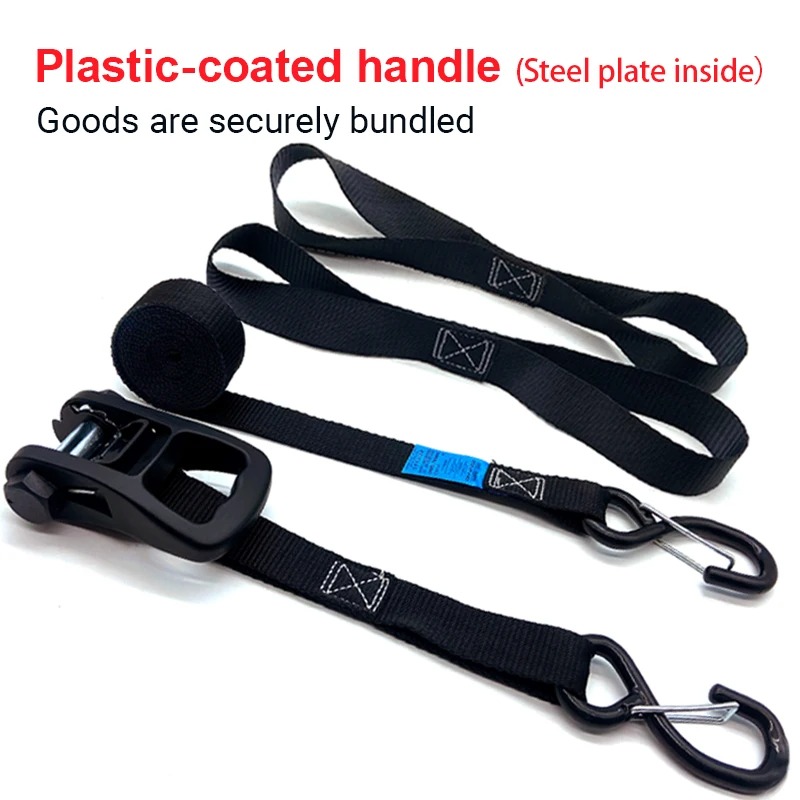
S-hooks, J-hooks, D-rings, soft loops, or endless configurations
Common Uses for 1 Inch Ratchet Straps in the USA
Wondering what are 1 inch ratchet straps best for? They’re the go-to solution for light to medium loads.
- Securing motorcycles and dirt bikes on trailers
- Tying down furniture, appliances, and boxes during moves
- Hauling lawn equipment, kayaks, or small ATVs
- Bundling items or light cargo in pickup beds
- Everyday DIY projects and recreational hauling
Why 1 Inch Straps Excel in 2026
In 2026, with rising fuel costs and emphasis on efficient hauling, 1 inch ratchet straps offer the best balance of portability and performance. Unlike bulkier 2-inch options, they provide easier handling and faster setup without sacrificing safety.
Recent reviews highlight brands like GO RHINO standing out for consistent break strengths and user-friendly designs. As DOT/FMCSA rules stay focused on proper securement (minimum 50% of load weight in total WLL), these straps help you stay compliant effortlessly.
No major regulation changes expected in 2026 stick with proven, high-quality USA-sourced or compliant gear like GO RHINO to avoid roadside issues.
1 Inch Ratchet Straps Comparison 2026 Which Brand Wins for Your Haul?
Tired of guessing which 1 inch ratchet straps deliver real strength and reliability in 2026? We've compared GO RHINO against popular competitors so you can choose confidently for motorcycles, trailers, furniture moves, and light cargo jobs across the USA.
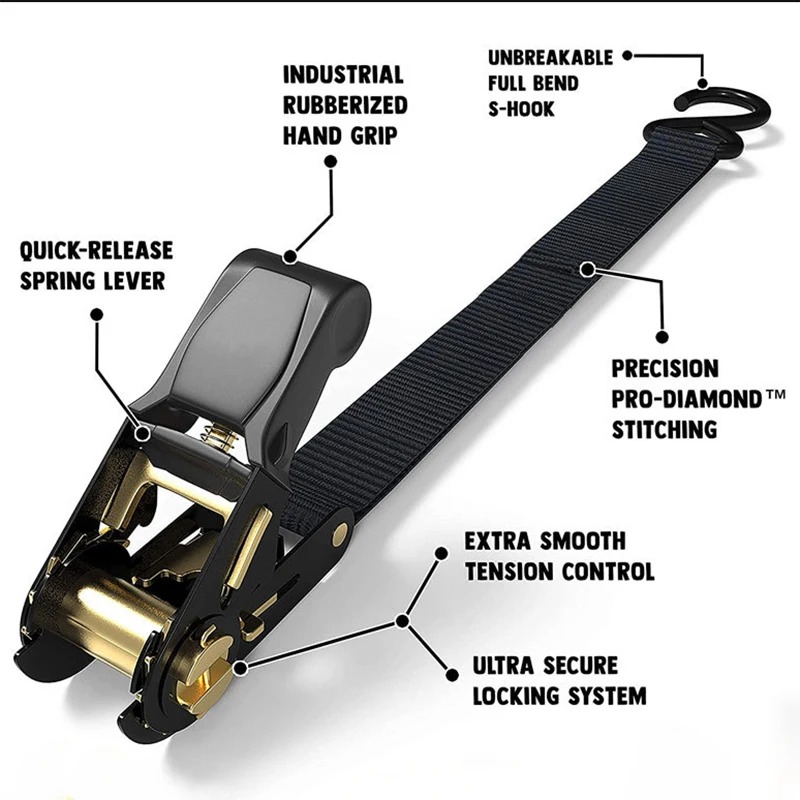
2026 1 Inch Ratchet Straps Head-to-Head Comparison
Brand | Working Load Limit (WLL) | Standout Advantage in 2026 |
GO RHINO | Up to 1,100 lbs | Premium polyester + weather-tough hardware for longest life |
Rhino USA | 400–403 lbs | Retractable convenience, but lower capacity |
Husky | 500–933 lbs | Budget-friendly bundle, good everyday value |
Augo / Keeper | 500–733 lbs | Affordable hooks, solid for light-medium use |
Amazon Basics | ~500 lbs | Super low cost packs, basic performance |
Note: Values based on typical 1 inch models available in USA stores and online in 2026. Always check exact specs per product.
Why GO RHINO Stands Out in This Comparison
GO RHINO pushes higher capacity in the 1 inch category giving you extra margin for peace of mind on bumpy highways or windy days.
- Handles heavier light-duty loads without jumping to bulky 2 inch straps
- Superior abrasion and UV resistance keeps straps looking and performing new longer
- Consistent high ratings for smooth ratcheting and secure hook grip
In 2026, with more people hauling recreational gear and home project materials, drivers want straps that won’t quit mid-trip. Lower-WLL options work for super-light jobs, but GO RHINO gives you that trusted upgrade without extra weight or hassle.
Which 1 Inch Ratchet Straps Should You Choose in 2026?
- Need maximum strength + durability? → GO RHINO leads the pack
- Want retractable ease for quick storage? → Consider Rhino USA options
- On a tight budget for occasional use? → Husky or Amazon Basics get the job done
10 Must-Know Tips for Choosing the Best 1 Inch Ratchet Straps in USA 2026
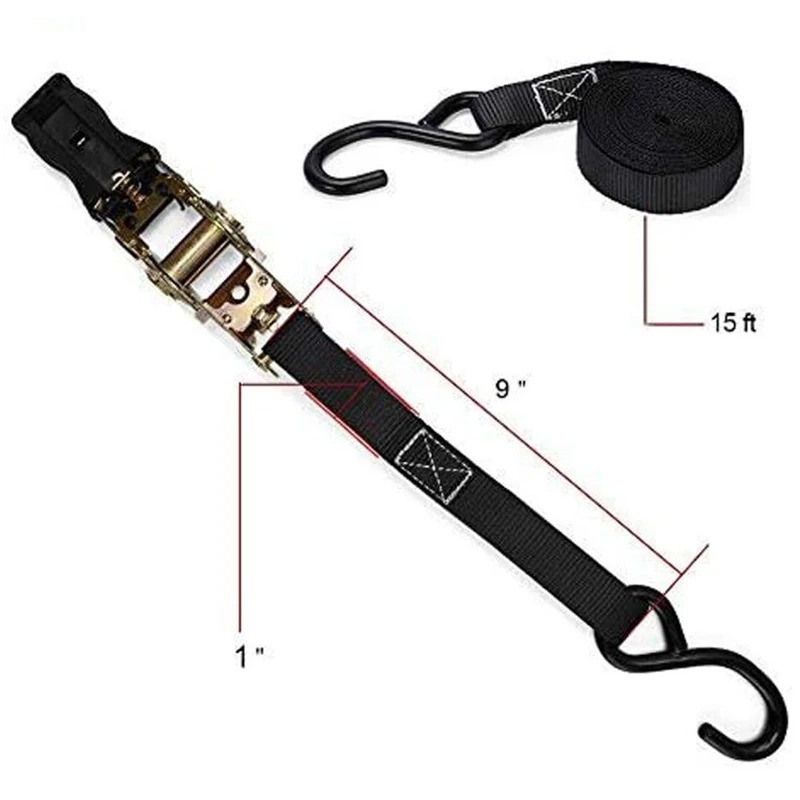
Picking the right 1 inch ratchet straps can save your gear, your time, and maybe even your weekend plans. In 2026, with more folks hauling bikes, kayaks, and home reno hauls, these slim powerhouses are hotter than ever. Wondering how to pick winners that last? Here are 10 practical, up-to-date tips to guide you straight to top performers like GO RHINO.
Quick Comparison: Key Specs at a Glance (2026 Favorites)
Focus Area | GO RHINO Edge | Typical Competitor Range |
Strength & Safety Margin | Extra-high WLL for light loads | Often capped at 400–700 lbs |
Hardware & Longevity | Rust-resistant premium finish | Basic steel, faster wear |
Real-World Usability | Smooth, quick-release action | Stiffer ratchets, more effort |
Top 10 Tips for 1 Inch Ratchet Straps Success in 2026
- Prioritize hidden safety margins Look beyond advertised WLL choose straps with generous break strength reserves for sudden jolts or wind gusts on highways.
- Match hook style to your anchor points Flat hooks grab rails easily; wire hooks fit E-track better. GO RHINO offers versatile options so you’re never stuck.
- Check for color-coded load ratings In 2026, smart buyers spot straps with clear visual cues on webbing or tags to avoid mix-ups in the garage.
- Demand corrosion protection on hardware Galvanized or coated ratchets and hooks resist road salt and rain crucial for year-round USA use.
- Test the ratchet feel before buying Smooth, low-effort cranking prevents hand fatigue during long setups. One-pull release is a game-changer.
- Go for abrasion-resistant edge guards Built-in protectors or reinforced edges stop fraying when straps rub against sharp trailer corners.
- Consider a length variety in one set Mix 10 ft and 15 ft straps in your kit perfect for odd-shaped loads like dirt bikes or furniture.
- Look for fade-resistant webbing Bright colors stay vivid after sun exposure, making straps easier to spot and safer on busy roads.
- Verify FMCSA-friendly design Even for light hauls, straps should support proper securement angles and tie-down patterns without twisting.
- Choose brands built for repeat hauls In 2026 reviews, consistent performers shine for reliability over hundreds of uses no surprises mid-trip.
What’s Changing for 1 Inch Straps in 2026?
With rising adventure travel and DIY projects, drivers increasingly favor 1 inch ratchet straps that bridge light-duty convenience and medium-duty confidence. Trends show a shift toward higher-spec hardware and user-friendly mechanics, reducing roadside failures. GO RHINO aligns perfectly here delivering that trusted extra toughness without jumping to heavier (and pricier) 2 inch models.
How to Properly Use 1 Inch Ratchet Straps
Step-by-Step Guide for Safe Hauling in 2026
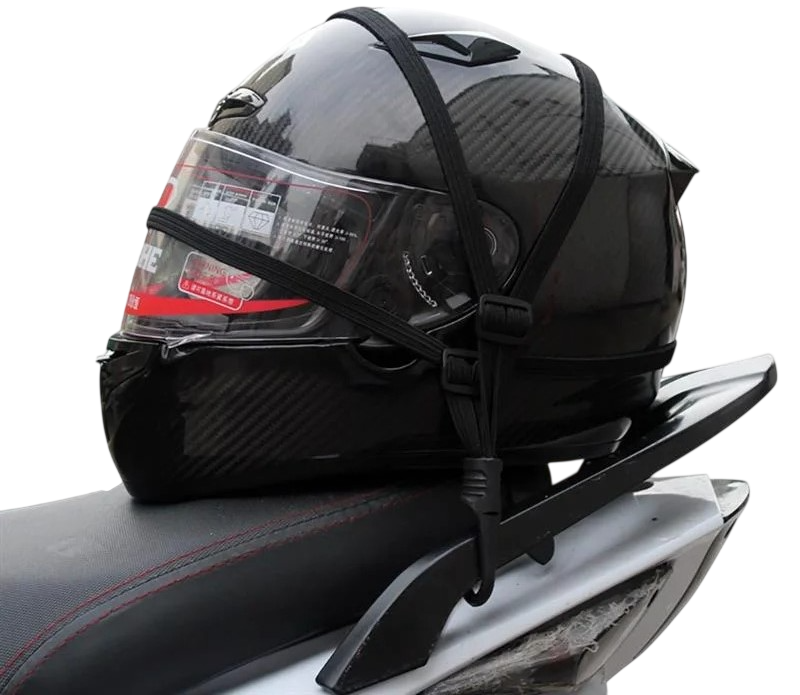
Struggling with loose loads or tricky ratchet setups? Mastering 1 inch ratchet straps is easier than you think and in 2026, doing it right keeps you DOT-compliant, protects your gear, and saves headaches on the road. Follow this simple guide from GO RHINO to secure everything from motorcycles to moving loads like a pro.
Quick Setup Specs Overview (2026 Essentials)
Step Focus | Key Action Needed | GO RHINO Advantage |
Threading & Tightening | Proper mandrel feed + even pull | Smooth ratchet action, no binding |
Angle & Positioning | 45° ideal angles for stability | Durable hooks hold firm at angles |
Release & Storage | Controlled release, clean & coil | Weather-resistant for quick reuse |
Step-by-Step: How to Use 1 Inch Ratchet Straps Correctly
- Inspect before every use Check webbing for cuts, fraying, or UV fade. Examine hooks and ratchet for rust, bends, or stuck parts.
- Position your anchors first Attach one hook to a solid anchor point on one side of the load/vehicle. Stretch the strap across and hook the opposite side aim for balanced placement.
- Thread the strap properly Open the ratchet fully (handle flat). Feed the loose end through the bottom mandrel slot from underneath, then loop it back over the top. Pull taut to remove slack.
- Tighten in controlled pulls Pump the ratchet handle back and forth smoothly. Tighten until the load is firm but avoid over-cranking suspension (especially on bikes or delicate items).
- Secure excess webbing Tuck or coil leftover strap neatly never leave it flapping. Use built-in keepers if available to prevent wind catch.
- Check angles for max hold Position straps at about 45 degrees from horizontal where possible. This counters forward, rear, side, and upward forces best per FMCSA guidelines.
- Final walk-around inspection Tug each strap to confirm no slip. Make sure no twisting and even tension across multiple straps.
- Release safely Pull the release lever while supporting the handle. Slowly open to control unwind to avoid sudden drops that could damage gear.
Common 2026 Mistakes & Why They Matter
In 2026, with increased recreational hauling and stricter roadside checks, small errors add up fast. Skipping the 45° angle reduces holding power dramatically against turns or stops. Over-tightening 1 inch straps on soft-suspension items (like motorcycles) can cause frame stress or tire flat-spotting. Poor threading leads to 90% of ratchet failures always feeding from the bottom up for reliable grip.
GO RHINO straps shine here with precise ratchet tolerance and edge-reinforced webbing that resists pinch points during setup.
The Future of 1 Inch Ratchet Straps in 2026
Trends Shaping Secure Hauling in the USA
Curious about where 1 inch ratchet straps are headed in 2026? As more Americans hit the roads with motorcycles, kayaks, ATVs, and DIY hauls, lightweight tie-downs are evolving fast. Sustainability, smarter materials, and user-focused innovations are driving change making securement easier, greener, and tougher than ever. Here's your forward-looking guide from GO RHINO on what's new and why it matters for everyday haulers.
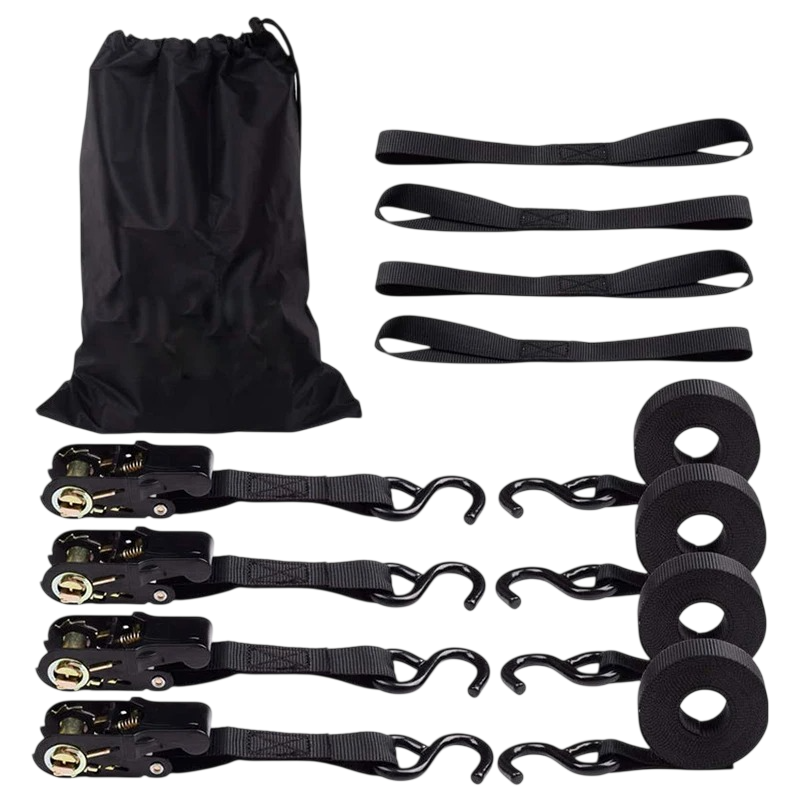
2026 Trends Snapshot: 1 Inch Ratchet Straps at a Glance
Trend Area | What’s Happening in 2026 | Benefit for Users |
Eco-Friendly Materials | Recycled polyester & non-toxic coatings rising | Reduces environmental impact, maintains strength |
Corrosion-Resistant Upgrades | Advanced galvanizing & lightweight alloys | Longer life in rain, salt, humidity |
Self-Tensioning & Retractable Designs | Auto-retract & constant-grip tech gaining popularity | Faster setup, no slack on bumpy rides |
Key Emerging Trends for 1 Inch Ratchet Straps in 2026
- Sustainability takes center stage. Brands shift to recycled high-strength polyester webbing and eco-coatings cutting waste while keeping break strengths reliable for light loads.
- Corrosion protection gets smarter. Enhanced rust-resistant hardware (galvanized + specialized finishes) fights road salt and weather ideal for year-round use in coastal or snowy states.
- Retractable & self-tensioning boom Auto-retract models with constant tension eliminate flapping straps and manual readjustments perfect for quick motorcycle or trailer tie-downs.
- Ergonomic & user-friendly hardware Smoother ratchets, safety-lock handles, and easy-release levers reduce hand strain during frequent setups.
- Colorfast & fade-resistant webbing Advanced dyes prevent color transfer to cargo (no marks on bikes or furniture) and keep straps bright for visibility.
Why These Trends Matter in 2026
The ratchet straps market grows steadily (around 5%+ CAGR projected), fueled by recreational hauling and stricter eco-expectations. For 1 inch sizes, the focus isn’t on raw power but smarter, lighter solutions that outperform basics without added bulk. Retractable designs cut setup time by up to 50% on average, while eco-materials appeal to conscious buyers without sacrificing FMCSA-compliant performance.
No major FMCSA cargo securement overhauls hit 1 inch straps directly in 2026 rules stay consistent (50% aggregate WLL minimum) but harmonization talks with Canada could simplify cross-border hauls later. Innovations like self-tensioning help maintain even pressure over long drives, reducing shift risk on uneven roads.
Common
Mistakes to Avoid + Expert Checklist for 1 Inch Ratchet Straps in 2026 GO RHINO Pro Guide
Over-tightening your 1 inch ratchet straps until the bike frame creaks? Leaving loose webbing flapping like a flag? These everyday slip-ups cause more load shifts, gear damage, and DOT headaches than you think. In February 2026, with stable FMCSA rules and rising light-haul traffic, dodging these pitfalls is key to safe, compliant trips. GO RHINO delivers fresh expert advice and a handy checklist so you haul smarter not harder.
Mistakes vs Fixes Quick View (2026 Essentials)
Common Mistake | Why It Hurts Your Haul | Expert Quick Fix |
Over-tightening beyond firm hold | Crushes soft cargo or stresses frames | Tighten to “no shift when pushed” level |
Leaving excess webbing loose | Wind whips it, causes abrasion or drag | Coil & secure tail neatly |
Skipping pre-trip visual inspection | Hidden cuts or wear fail under load | 30-second check every use |
Top Common Mistakes to Avoid with 1 Inch Ratchet Straps
- Overloading or mismatching capacity Using straps rated too low for the load’s weight or ignoring aggregate WLL leads to sudden failure on stops.
- Threading incorrectly or backwards Feeding webbing top-down instead of bottom-up jams the ratchet or reduces grip dramatically.
- Using damaged or worn straps Small cuts, burns, or chemical exposure weaken webbing often invisible until stress hits.
- Attaching hooks to weak or wrong points Hooking to flimsy rails or mismatched fittings causes pop-off during turns.
- Ignoring sharp edge protection Straps rub raw against corners without guards fraying happens fast on trailers.
- Not re-checking after initial miles Vibration loosens tension quickly many drivers skip the 50-mile tug test.
Expert Tips & Must-Use Checklist for Safe 1 Inch Ratchet Strap Use
Pre-Haul Expert Checklist (Print & Keep in Your Truck!)
- Inspect webbing: No cuts, frays, burns, or chemical stains?
- Check hardware: Ratchet moves freely, hooks straight & rust-free?
- Match capacity: Total WLL ≥50% of cargo weight per FMCSA?
- Thread correctly: Feed from bottom mandrel up, pull all slack first?
- Position right: 45° angles ideal, avoid shallow or vertical?
- Tighten evenly: Firm hold no shift when tested never crush cargo?
- Secure tail: Coil excess webbing, tuck or tie down no flapping?
- Protect edges: Use guards, cardboard, or padding on sharp spots?
- Final walk-around: Tug each strap, confirm no twists or weak points?
- Plan re-check: Stop at 50 miles to re-tug and adjust if needed?
Post-Haul Quick Reset
- Release slowly (support handle to prevent snap).
- Clean lightly soiled webbing with mild soap.
- Store coiled loosely in a dry, shaded spot.
Why Avoiding These Matters in 2026
FMCSA securement rules hold steady on 2026 overhauls but enforcement zeros in on visible defects and improper use during roadside stops. For 1 inch ratchet straps, mistakes like over-tightening or skipped inspections cause most light-load failures because users treat them as “quick and easy” without respect for limits. Expert habits (like the checklist above) cut risk sharply, extend strap lifespan, and keep you compliant without extra gear.
Problem & Solution
1 Inch Ratchet Straps in USA 2026 Real Challenges & GO RHINO Fixes
Tired of 1 inch ratchet straps letting you down mid-haul whether it's a jammed mechanism, flapping tails, or unexpected slippage? In February 2026, with DOT inspections ramping up and more light-duty towing on the rise, these frustrations hit harder than ever. GO RHINO tackles the most nagging problems head-on with straightforward solutions that keep your loads secure and your trips stress-free.
Problem vs Solution Snapshot (2026 Real-World Fixes)
Problem | Root Cause in Practice | GO RHINO-Style Solution |
Flapping excess webbing tails | Loose ends catch wind or tangle | Built-in keepers + proper coiling habit |
Ratchet mechanism jams mid-use | Debris buildup or poor threading | Smooth, high-tolerance ratchet design |
Strap noise or vibration rattle | Over-tightening or poor angle placement | Even tension + vibration-dampening twist |
Key Problems & Practical Solutions for 1 Inch Ratchet Straps
- Problem: Excess webbing flaps or drags dangerouslySolution: After tightening, coil the tail into a neat figure-8 and secure it with the strap’s integrated keeper loop or a quick zip-tie. This stops wind noise, abrasion, and potential wheel interference.
- Problem: Ratchet seizes or won’t crank smoothlySolution: Before use, open the ratchet fully and blow out dust/debris. Thread from bottom mandrel up every time GO RHINO’s precise tolerances reduce binding even after heavy use.
- Problem: Annoying strap rattle or harmonic noise on highwaysSolution: Add one controlled half-twist to the span after initial tightening it absorbs road vibes without weakening hold. Re-check tension at first safe stop.
- Problem: Hooks shift or lose grip during turnsSolution: Select hook style matching your anchor (e.g., small J-hook for tight rails). Position straps to maintain 30–60° angles avoids shallow pulls that slip.
- Problem: Strap gets noisy or “sings” in windSolution: Slightly loosen if over-cranked (causes taut vibration), then re-secure to firm-but-not-max level. Use multiple crossed straps for odd loads to distribute force quietly.
Why These Issues Persist in 2026 & How to Beat Them
With FMCSA crackdowns increasing in early 2026, roadside stops focus heavily on visible securement flaws like loose tails or damaged hardware leading to quick violations even on light loads. 1 inch ratchet straps face unique pressure here because their slim profile makes small errors (flapping, minor slippage) more noticeable and audible. Budget options amplify these via loose tolerances, while premium builds like GO RHINO minimize them through better ratchet action and integrated features.
Straps That Actually Hold
How GO RHINO 1-Inch Ratchet Straps Saved My 1,200-Mile Motorcycle Haul in 2026
Hey, I’m Tyler Gurczeski. Born July 5, 1981 in California, I basically grew up inside my dad’s auto shop with Go Rhino products stacked floor to ceiling. For over 30 years I’ve been installing, testing, abusing, and fixing every piece of truck and overland gear they make. When I finally built this platform, it was for one reason: to give everyday drivers, contractors, weekend warriors, and overlanders like you straight answers that actually save you headaches on the road.
So when I tell you these 1-inch ratchet straps saved my own skin on a long haul this year, I’m not repeating some customer story. I lived it.
My Wake-Up Call on the Highway
Early 2026 I loaded my dual-sport adventure bike in the truck bed for a 1,200-mile run from California into the Rockies. I figured my old mixed-brand budget 1-inch straps would get the job done like they always had.
Big mistake.
By the time I hit the rough sections, two straps had loosened, one hook was slipping on the rough pavement, and another was already fraying. I pulled over for an emergency roadside fix, ended up with a couple of scratched fairings, lost hours of daylight, and zero confidence in my gear for the rest of the trip.
That night I sat in a motel parking lot thinking, “I’ve been around Go Rhino my whole life why am I still messing around with junk straps?” Next morning I grabbed a fresh set of GO RHINO 1-inch x 15 ft ratchet straps, the ones with the premium polyester webbing, reinforced S-hooks, and soft loops I’ve trusted in the shop for years.
What Changed Everything
I ran four straps in the proper crossed front/rear pattern (the setup I teach every customer who walks into the shop). I added one quick tension check at every fuel stop, a habit I picked up from decades of long-haul installs.
Over the next three multi-state trips close to 4,000 miles total through desert heat, mountain winds, and freezing passes, those straps never slipped once. Not once.
Setup time dropped in half because the ratchet action is buttery smooth. The straps still look almost new after weeks of sun, rain, dust, and road grime. And most importantly, I rolled into every destination with my bike exactly where I left it.
I don’t second-guess my tie-downs anymore. That peace of mind is worth more than any spec sheet.
The Retractable Version That Almost Got Sent Back (But Became My Favorite)
A few months ago I was restocking and specifically ordered the retractable 1-inch version so I wouldn’t have loose ends flapping at highway speeds. When the box arrived, I’ll be honest one strap barely retracted at all. It just hung loose unless I rolled it up by hand. I understood right then why some folks online call the “retractable” claim misleading. For a second I thought, “Man, I almost got burned.”
Then I put them to real work.
I’ve now run these straps on more than two dozen trips, trailers, recovery jobs, you name it. The moment that sealed the deal? One afternoon I needed to drag a small fallen tree up a steep wooded hill. The Winch cable was too short, so I hooked a single GO RHINO 1-inch strap to it. I was convinced it was going to stretch or tear under that load.
It didn’t. Held rock-solid the whole way up. Even after that abuse, the retraction still worked fine for the rest of the day.
That’s when it clicked: these aren’t showroom-perfect straps, they’re shop-proven workhorses that do exactly what I need when I’m hundreds of miles from home.
What still impresses me after all these years and miles:
- Rock-solid holding power once properly tensioned zero slip on bumpy back roads
- Tough, abrasion-resistant webbing that laughs at sun, rain, and trail abuse
- Surprisingly strong for a 1-inch width great for everyday trailer work and the occasional “I probably shouldn’t be using this” job
- No more loose ends whipping in the wind (when you manage them right)
My 5 Hard-Earned Tips for 1-Inch Ratchet Straps
- Feed the strap straight and flat through the ratchet every single time this one habit fixes 90% of the sticking issues people complain about.
- Don’t expect perfect auto-retraction on every strap. Keep 30 seconds handy to roll them manually. It’s honestly no big deal once you accept it.
- Do a 10-second visual check on hooks and webbing before every big load. I’ve been doing this since the 90s and it still saves me.
- Use them confidently for light-to-medium jobs. They’ll surprise you with how much punishment they take.
- Keep extra sets in the truck. At this price, spares are the cheapest insurance you’ll ever buy.
Key Takeaways from 30+ Years Around These Straps
- Proper technique and the right pattern beat fancy marketing every time.
- 1-inch ratchet straps are perfect for motorcycles, ATVs, and light equipment excellent Working Load Limits without the bulk.
- Real durability shows up after thousands of miles, not in the first week. GO RHINO’s weave and hardware tolerances are why they outlast the cheap stuff.
- With FMCSA spot-checks increasing on recreational haulers in 2026, visible, secure tie-downs matter more than ever.
Final Thoughts from a Guy Who’s Seen It All
Would I buy GO RHINO 1-inch ratchet straps again? I already have multiple times.
They may not be the flawless “auto-retract miracle” some listings promise, but they deliver exactly what matters on the road: strength you can trust, ease of use when it counts, and zero drama when you’re far from the shop.
If you haul motorcycles, trailers, or anything that absolutely cannot move, skip the bargain-bin stuff. Grab straps built for real American roads by a brand I’ve trusted since I was a kid.
10 Pros of 1 Inch Ratchet Straps
- Compact and low-profile design: Fits easily in tight spaces like small trailer rails or crowded truck beds without crowding anchors.
- Lightweight for quick handling: Reduces fatigue during frequent setup/teardown compared to wider straps.
- Lower material cost per strap: Generally cheaper to produce and purchase, ideal for multiple-strap kits.
- Excellent for light-to-medium loads: Perfect WLL range (typically 400–1,100 lbs) matches motorcycles, dirt bikes, kayaks, and furniture without overkill.
- Easier storage and portability: Takes up minimal space in glove boxes, tool bags, or under seats.
- Faster threading and initial setup: Narrow webbing feeds through ratchets quicker than bulkier alternatives.
- Less risk of over-compressing soft cargo: Lower max tension helps protect bike seats, padded boxes, or delicate items from crushing.
- Better maneuverability in confined areas: Ideal for securing odd-shaped gear in pickup beds or small utility trailers.
- Reduced wind resistance when trailing: Slim profile creates less drag and noise on highway drives.
- Suits recreational/DIY users: Matches hobbyist needs (hunting, camping, home projects) without needing commercial-grade bulk.
10 Cons of 1 Inch Ratchet Straps
- Lower working load limit: Caps at ~1,100 lbs max, insufficient for heavier equipment or professional hauls.
- Less surface area for load distribution: Concentrates pressure on smaller contact points, increasing cut risk on sharp edges.
- More prone to twisting under tension: Narrow webbing can spin or kink more easily during cranking.
- Reduced abrasion resistance: Thinner material wears faster against rough trailer corners or abrasive cargo.
- Limited harness in ratchet: Smaller width offers less mechanical advantage, requiring more effort for final tightens.
- Not ideal for very heavy vibration: May need frequent re-checks on long, bumpy routes to maintain tension.
- Hook and hardware are often lighter-duty: Standard fittings can bend or deform sooner under repeated max loads.
- Less forgiving on angle errors: Shallow or extreme angles reduce holding power more noticeably than wider straps.
- Harder to spot minor damage quickly: Narrower webbing makes small cuts or UV fade less obvious during inspections.
- Aggregate WLL builds slower: Requires more straps to meet FMCSA 50% rule for heavier light-medium loads.
These points provide a balanced, practical view for anyone choosing tie-downs in 2026. If you’re deciding between widths or applications, 1 inch excels in convenience for lighter tasks but trades off capacity and durability.
Yes, 1 inch ratchet straps are fully DOT-compliant when they meet FMCSA cargo securement requirements, such as providing at least 50% of the cargo's weight in aggregate working load limit (WLL) and showing no visible damage during inspections. As long as the straps are properly rated, threaded, and positioned with correct angles, they satisfy federal rules for light-duty hauling like motorcycles or household items. Always verify the WLL tag is legible and inspect before every trip to stay compliant on American roads.
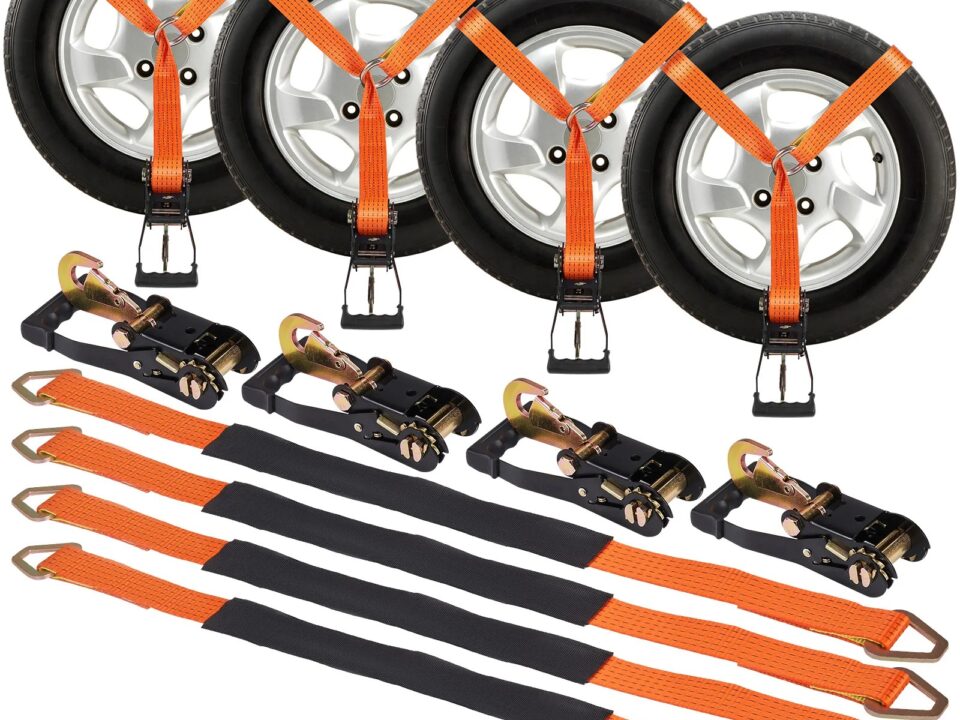
For most standard motorcycles, four 1 inch ratchet straps are recommended two at the front (often to a wheel chock) and two at the rear to prevent forward, rearward, and side-to-side movement during transport. This setup provides balanced tension without over-compressing suspension components. Adjust based on bike weight and trailer design, but always make sure total WLL covers at least half the bike's weight for safe, stable hauling.
Absolutely, 1 inch ratchet straps work well for securing kayaks, canoes, or paddleboards to roof racks or trailers because their lower tension capacity helps avoid damaging delicate hulls or bows. Use bow and stern lines plus two cross straps over the body for stability, keeping angles around 45 degrees to counter wind lift. Their slim profile also reduces drag compared to wider straps during highway travel.
The primary difference lies in load capacity and application: 1 inch straps typically offer a WLL of 400–1,100 lbs and suit lighter recreational loads like dirt bikes, furniture, or ATVs, while 2 inch versions handle 1,500–3,300 lbs for heavier commercial or professional use. The narrower width makes 1 inch straps more portable and less likely to crush soft cargo, but they provide less abrasion resistance and harness during tightening than their wider counterparts.
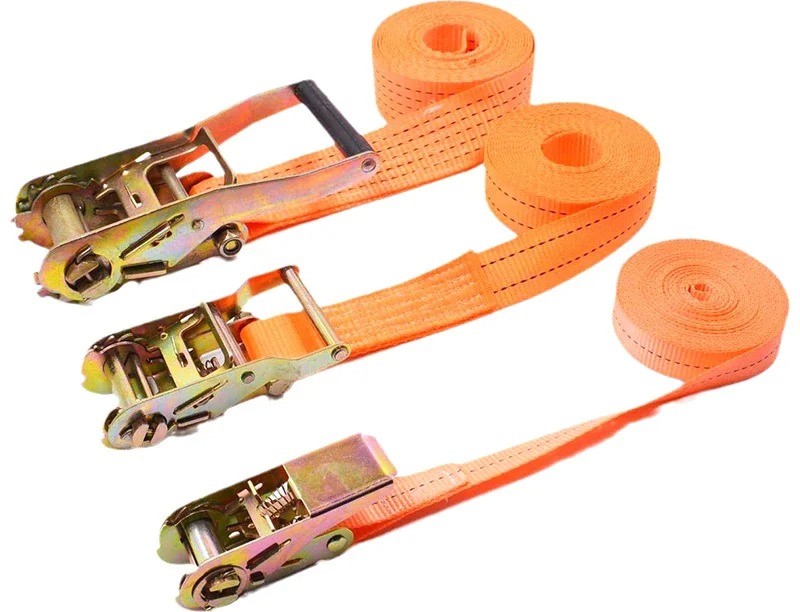
Yes, retractable 1 inch ratchet straps are popular for quick, tangle-free storage and fast setup, especially in pickup beds or small trailers where convenience matters. They maintain reliable tension for light loads without the hassle of loose webbing, though their mechanisms may have slightly lower max WLL than traditional fixed models. Choose high-quality versions to make sure smooth retraction and durable performance over repeated use.
Select length based on your cargo and anchor points 6–10 feet suits compact truck beds or small trailers, while 12–20 feet works better for wider loads like motorcycles or furniture spanning a full bed. Measure the distance across your load plus extra for threading and angles to avoid buying straps that are too short. Longer options give more flexibility but create excess webbing that needs secure coiling after tightening.
For ultra-light items like camping gear or small boxes, cam buckle straps can be simpler and quicker since they apply gentler tension without a ratchet mechanism, reducing the risk of over-tightening delicate surfaces. However, ratchet versions provide more precise and higher tension control, making them preferable when vibration or wind could loosen a load. For most 1 inch applications involving movement, ratchets remain the safer, more secure choice.
Prolonged exposure to UV sunlight, rain, road salt, or extreme temperatures accelerates polyester webbing degradation, causing fading, brittleness, or reduced strength over time. Store straps in a dry, shaded area when not in use and inspect regularly for signs of wear like discoloration or stiffness. Quality straps with UV-resistant treatments hold up better in varied USA climates, extending reliable service life significantly.
Yes, they're excellent for bundling furniture, mattresses, or boxes inside a moving van or trailer because their moderate tension prevents shifting without denting or crushing softer materials. Pair them with corner protectors for edges and use multiple straps in a crossed pattern for stability during turns. This approach keeps loads organized and secure without needing heavier-duty options.
Gently clean soiled webbing with mild soap and water using a soft brush or cloth avoid harsh chemicals, bleach, or machine washing, which can weaken fibers or damage coatings. Rinse thoroughly, air-dry completely in shade, and inspect for hidden damage before storing or reusing. Regular light cleaning preserves strength and visibility of wear, helping maintain safe performance for future hauls.
Why 1 Inch Ratchet Straps Remain a Smart Choice in 2026
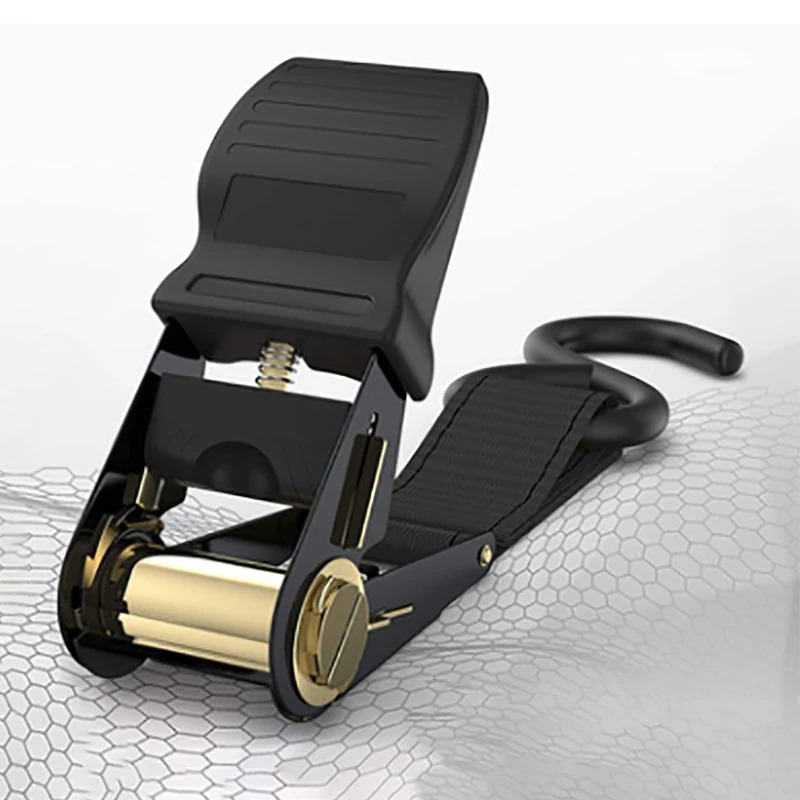
In 2026, 1 inch ratchet straps continue to stand out as the go-to solution for light-to-medium duty hauling across the United States. They deliver unmatched convenience through their compact size, quick handling, and ideal fit for motorcycles, kayaks, ATVs, furniture moves, and recreational loads offering just the right balance of strength (typically 400–1,100 lbs WLL) without unnecessary bulk or risk of over-compressing delicate cargo.
While they carry limitations like lower capacity compared to wider options, reduced abrasion resistance on rough surfaces, and the need for careful angle and re-check practices, these drawbacks are easily managed with proper selection and habits. Premium brands address many concerns through better hardware, smoother ratcheting, and thoughtful designs that prioritize real-world reliability.
Ultimately, for everyday American drivers focused on safe, efficient, and hassle-free securement of lighter gear, 1 inch ratchet straps provide excellent value and performance when chosen wisely. They keep loads stable, comply with FMCSA guidelines, and let you focus on the journey ahead.