Go Rhino SRM400 Roof Rack in USA 2026
February 21, 2026
Cam Buckle Straps in USA 2026 Best from GO RHINO
February 21, 2026What Are Axle Straps and Why Are They Important for Vehicle Towing?
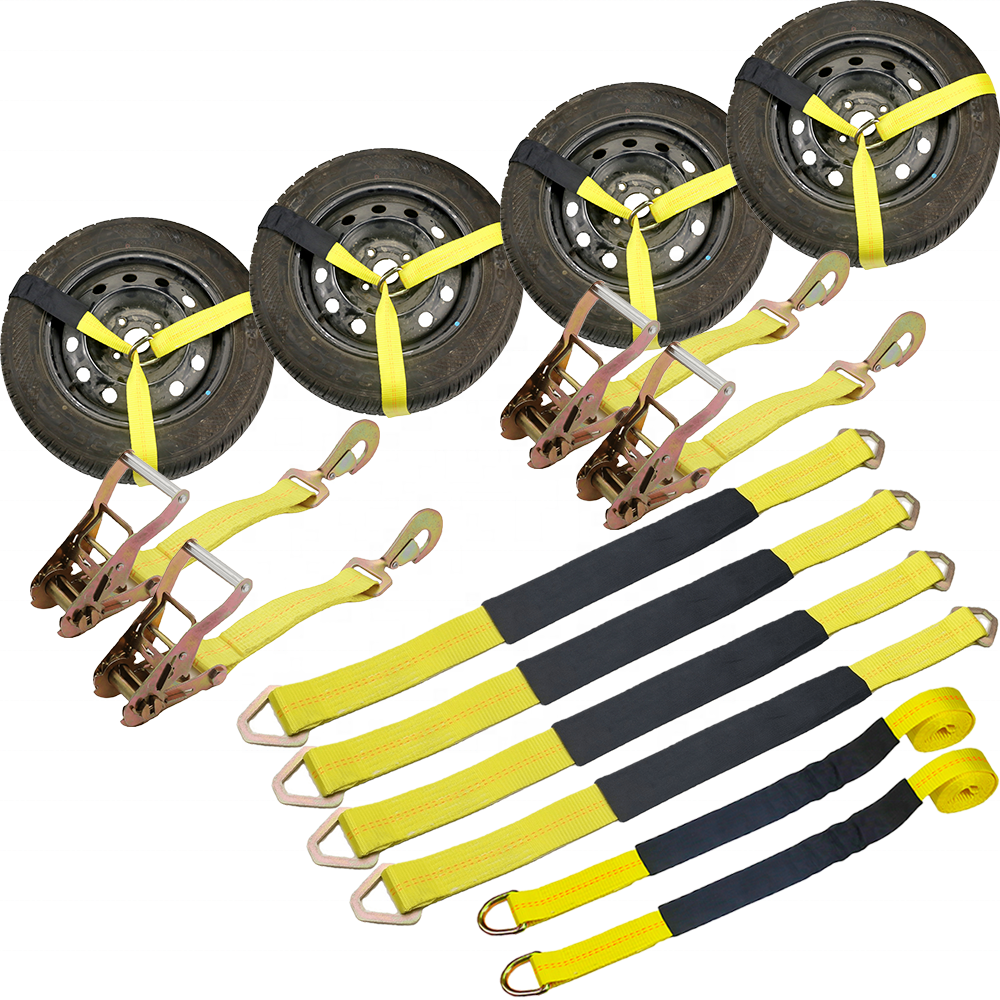
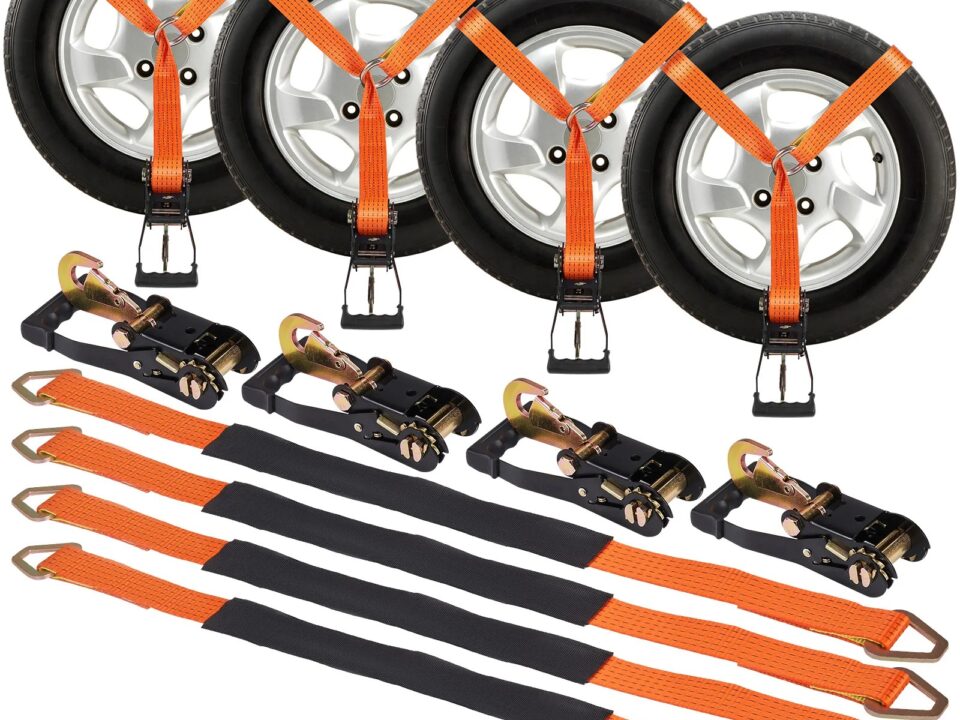
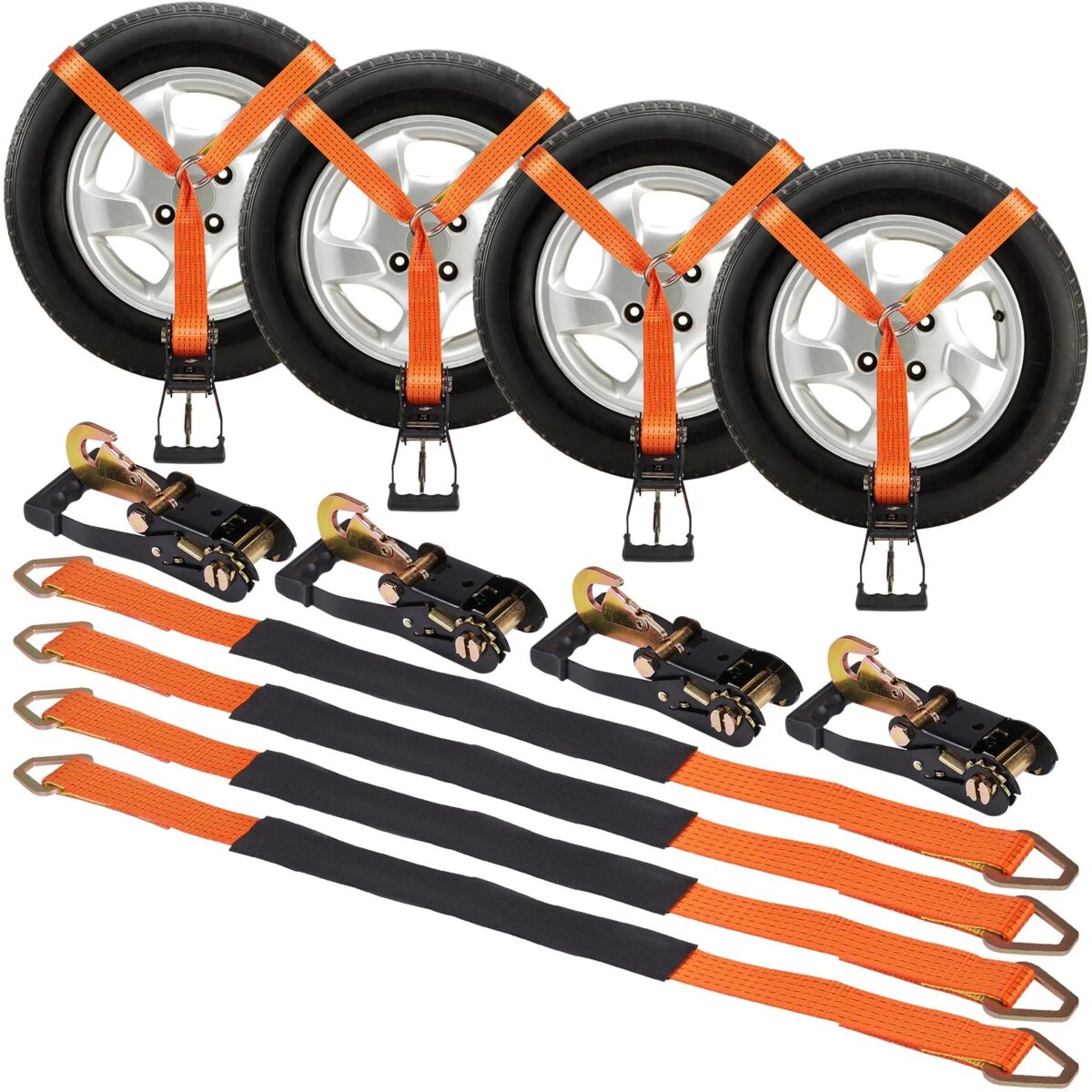
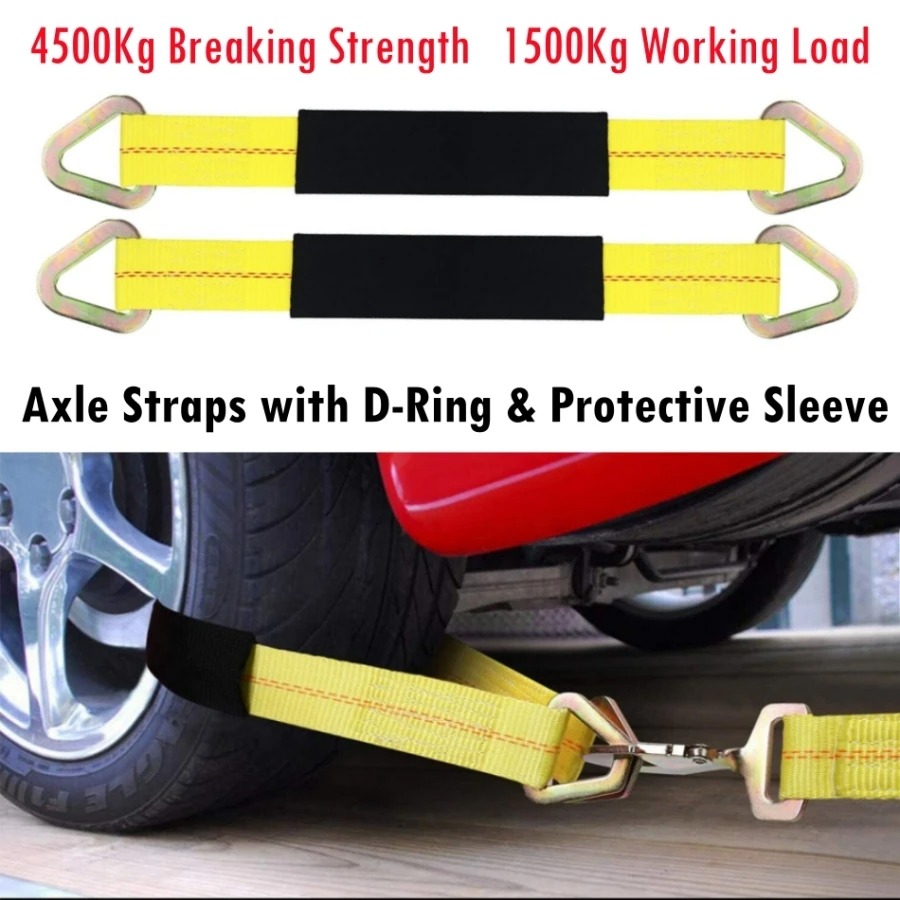
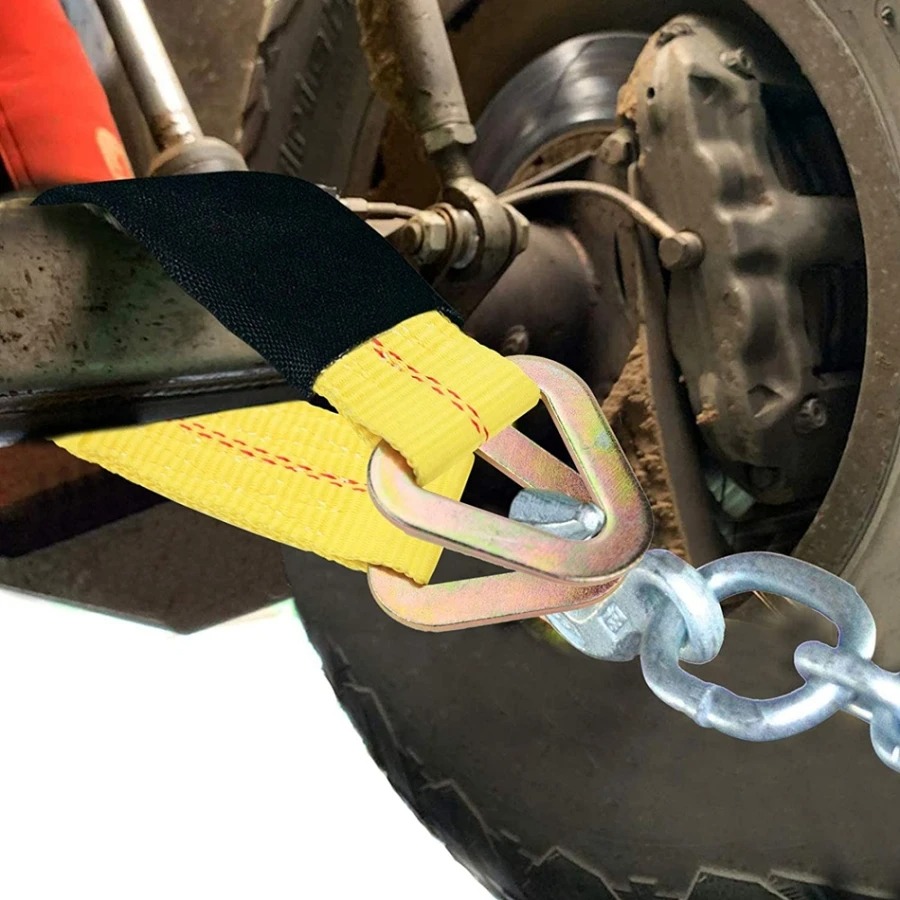
Axle straps are heavy-duty tie-down straps used to secure vehicles on trailers during transport. They wrap around the vehicle’s axle or suspension points and connect to ratchet straps or trailer anchors.
These straps create a stable connection between the vehicle and the trailer, preventing movement during transportation.
Key points about axle straps:
- Provide a low-profile tie-down point for cars and trucks
- Help secure vehicles during long-distance hauling
- Reduce risk of wheel or body damage
- Work with ratchet straps and trailer anchor points
- Commonly used by car haulers, towing companies, and motorsport teams
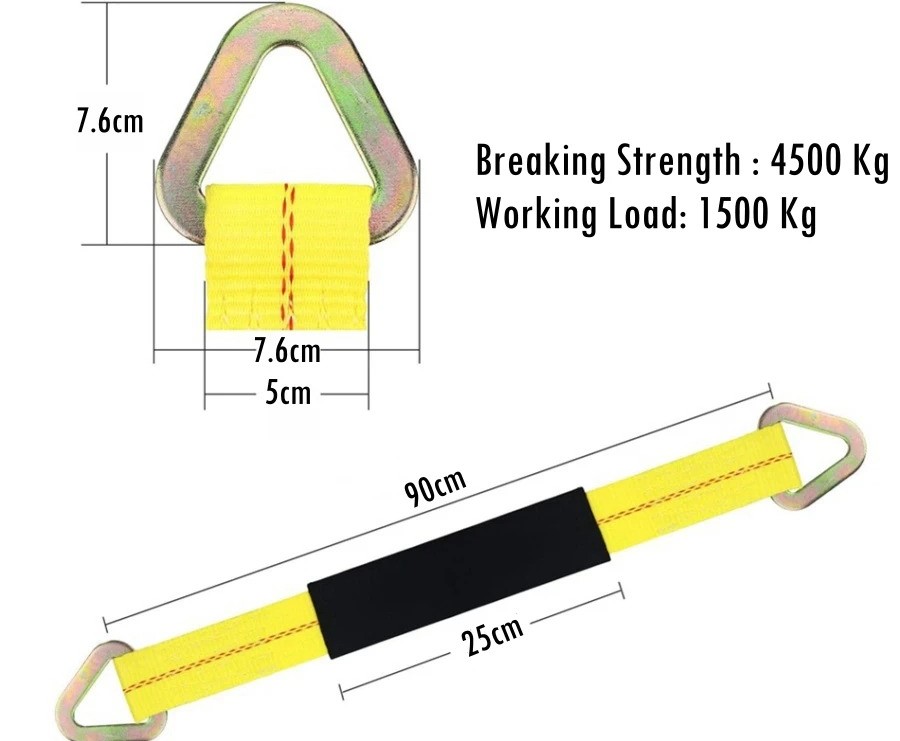
Modern axle straps are usually made from high-strength polyester webbing with protective sleeves and metal D-rings to improve durability and safety.
How Do Axle Straps Compare to Other Vehicle Tie-Down Methods?
Different vehicle tie-down methods are available for trailers. The table below shows how axle straps compare with other popular options.
Tie-Down Method | Main Advantage | Best Use Case |
Axle Straps | Strong direct connection to vehicle suspension | Low-clearance vehicles |
Wheel Straps | Simple setup around tires | SUVs and taller vehicles |
Frame Tie-Down | Very strong anchor point | Heavy trucks |
Control Arm Tie-Down | Good when axle access is limited | Modern suspension systems |
Tow Hooks | Quick attachment | Vehicles with factory hooks |
Chain Tie-Down | Extremely durable | Commercial transport |
Wheel Nets | Easy installation | Short-distance transport |
Axle straps are often preferred because they avoid contact with wheels or paint, reducing the risk of cosmetic damage.
What Are the Most Important Features to Look for in Axle Straps?
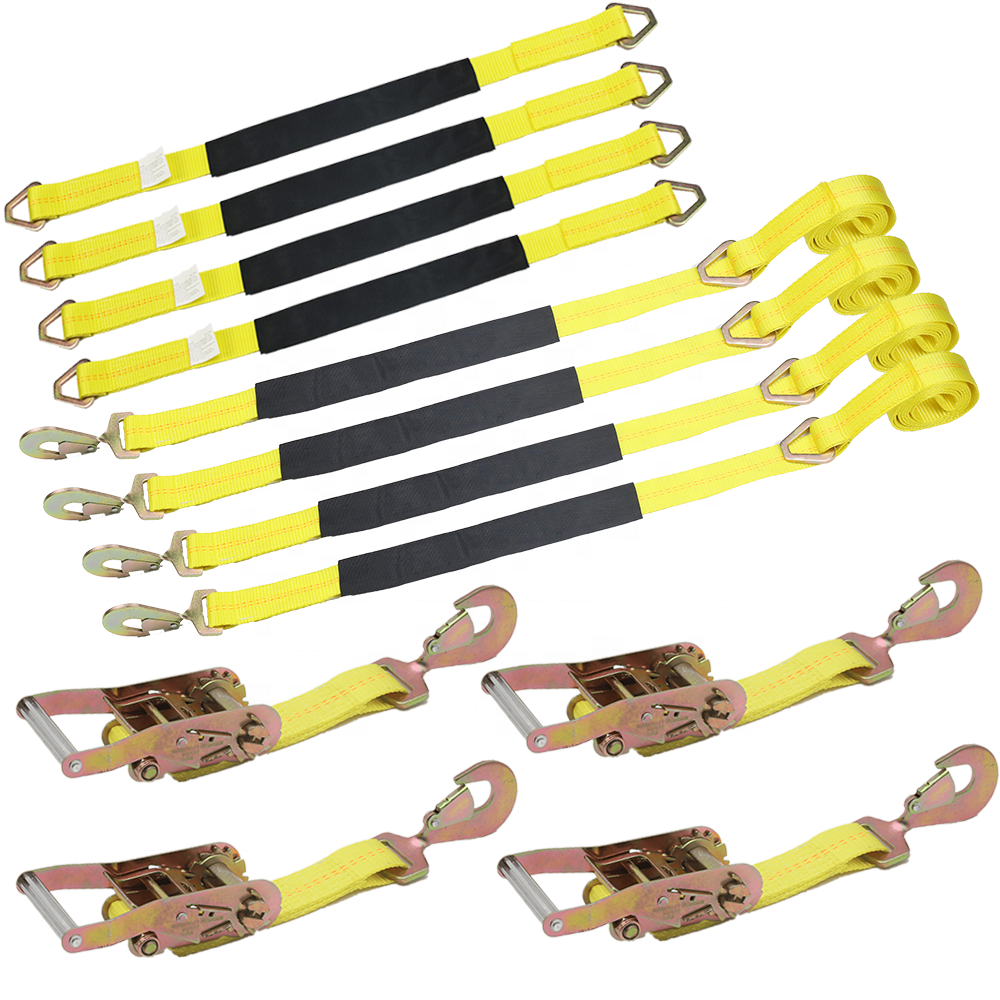
Choosing the right axle straps can make towing safer and easier. The following table highlights key features buyers should consider.
Feature | Why It Matters | Example Benefit |
Heavy-Duty Polyester | Provides high strength | Handles heavy loads |
Protective Sleeves | Prevents abrasion | Protects axle surface |
Steel D-Rings | Strong connection point | Easy ratchet attachment |
High Break Strength | Extra safety margin | Suitable for trucks |
UV Resistance | Longer lifespan | Outdoor durability |
Correct Strap Length | Proper fit on axle | Better tension control |
Clear Load Rating | Safety compliance | Prevents overload |
Anti-Slip Stitching | Better grip | Stable transport |
High-quality straps can exceed 11,000 lbs break strength, giving additional safety for long hauls.
How to Use Axle Straps
How Can You Properly Install Axle Straps on a Trailer?
Installing axle straps correctly is essential for safe vehicle transport.
Step-by-step process
- Step 1: Position the vehicle
- Center the vehicle on the trailer
- Apply the parking brake
- Step 2: Inspect the straps
- Check for cuts or fraying
- Make sure protective sleeves are intact
- Step 3: Wrap the axle strap
- Loop the strap around the axle near the wheel hub
- Avoid hot brake components
- Step 4: Connect to ratchet strap
- Attach the D-ring to the ratchet hook
- Route it to the trailer anchor point
- Step 5: Tighten evenly
- Tighten straps gradually at all four corners
- Avoid over-compressing suspension
- Step 6: Perform final inspection
- Ensure straps are not twisted
- Check tension after the first few miles of driving
Using at least four straps (one per corner) is recommended for proper vehicle stability.
What Real-World Experience Shows About Using Axle Straps?
Professional vehicle haulers often share similar experiences after switching to higher-quality axle straps.
Real-world hauling observations:
- Drivers reported faster loading times when using proper axle straps.
- Vehicles stayed more stable on highways and rough roads.
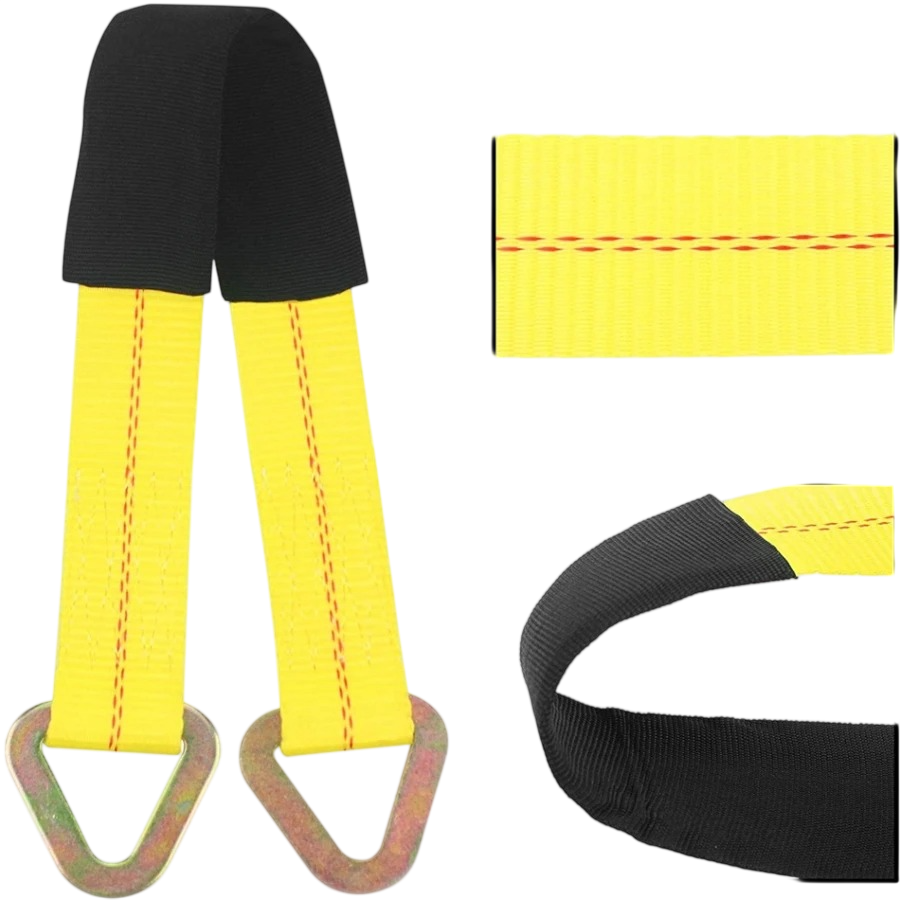
- Protective sleeves reduced scratches and axle wear.
- Fewer stops were required for re-tightening straps during long trips.
In one long-distance towing scenario described by a professional mechanic with decades of hauling experience, switching from cheaper straps to heavy-duty axle straps significantly improved towing stability and reduced mid-trip adjustments.
Axle Straps
These real-world insights highlight why many experienced haulers rely on premium-quality axle straps for vehicle transport.
What Common Problems Occur When Using Axle Straps and How Can You Fix Them?
Even experienced drivers may encounter issues with axle straps. Understanding these problems helps prevent accidents.
Common problems
- Straps loosening during long drives
- Abrasion caused by trailer edges
- Uneven tension between straps
- Difficulty accessing the axle on some vehicles
- Wear caused by heat near brake components
Practical solutions
- Re-tighten straps after the first 10–15 minutes of driving
- Use protective sleeves or edge guards
- Tighten straps in opposite pairs for balanced tension
- Use shorter straps for tight suspension layouts
- Inspect straps regularly for damage
These small adjustments can significantly improve towing safety.
Are There Common Myths About Axle Straps That People Believe?
Many misconceptions exist about axle straps.
Myth 1: Axle straps damage vehicle suspension
Reality: Properly installed straps distribute tension safely across suspension components.
Myth 2: Chains are always stronger
Reality: Modern polyester straps can provide equal strength while protecting vehicle surfaces.
Myth 3: Axle straps should not be tightened fully
Reality: Controlled tension is necessary for stable vehicle transport.
Myth 4: Axle straps are only for professional haulers
Reality: Many everyday drivers use them for trailers and motorsport vehicles.
Understanding these facts helps users choose safer towing methods.
How Do You Choose the Best Axle Straps for Your Needs?Â
When purchasing axle straps, it is important to evaluate several factors.
Key buying considerations
- Load capacity: Check the working load limit (WLL).
- Material quality: Look for durable polyester webbing.
- Protective sleeves: Prevent abrasion damage.
- Hardware quality: Steel D-rings or loops provide secure connections.
- Compatibility: Ensure straps work with your trailer ratchet system.
10 Key Advantages of Axle Straps
- Direct low-profile tie-down point ideal for vehicles with minimal ground clearance
- Even tension distribution across suspension reduces wheel/tire stress
- Excellent vehicle protection when equipped with heavy-duty sleeves
- Fast wrapping around axle quicker setup than many wheel-strap methods
- High break strength (11,000+ lbs possible) strong safety margin for heavy loads
- No contact with painted surfaces or expensive wheels when properly placed
- Works well on almost any suspension type cars, trucks, UTVs, classics
- Minimal bounce amplification compared to over-wheel strapping
- Compatible with most standard ratchet systems and trailer anchor points
- Lifetime-warranty options (like GO RHINO) provide long-term replacement confidence
10 Realistic Drawbacks & Limitations of Axle Straps
- Requires access to clean axle sections blocked by brakes or steering parts on some models
- Risk of suspension compression if over-tightened can stress bushings/shocks
- More skill needed to position correctly compared to simple wheel nets
- Sleeves can shift during long hauls if not secured properly
- Not ideal for extremely high-clearance off-road vehicles with large axles
- Potential for heat damage near brake rotors without adequate protection
- Slightly higher upfront cost than basic wheel straps or cheap imports
- Must use four straps minimum increases total hardware needed
- Harder to visually confirm even tension from ground level during checks
- Incompatible with certain trailer designs that lack strong inboard anchor points
These pros and cons reflect real-world 2026 hauling realities for everyday towers and enthusiasts using premium axle straps in USA like GO RHINO.
Frequently Asked Questions About Axle Straps in 2026 GO RHINO Edition
Yes, axle straps are fully legal and widely accepted for vehicle transport when used correctly and in compliance with FMCSA and state regulations. They must meet minimum working load limits, be properly rated, and secure the vehicle at four points with even tension. Many professional haulers prefer them because they provide a secure, low-profile connection that satisfies DOT securement standards.
Axle straps work safely on most EVs as long as you avoid high-voltage components and follow the manufacturer’s towing guidelines. Wrap the strap around a solid axle section or approved suspension point, and always use protective sleeves to prevent surface damage. Many EV owners successfully use them for trailer transport without any electrical or structural problems.
Check that each anchor point (D-rings, pockets, or welded mounts) is rated for at least the combined working load limit of your straps and matches or exceeds your vehicle’s weight. Most modern open trailers feature anchors designed for 3,000–5,000 lb loads per corner. If unsure, consult your trailer manual or have a professional verify the setup before use.
Axle straps are often the preferred choice for low-clearance vehicles because they create a direct connection below the body without lifting or stressing wheels. They eliminate the risk of rubbing or deforming expensive rims and tires. With proper protective sleeves, they also reduce the chance of finish damage compared to wheel-contact methods.
Industry best practice recommends replacing axle straps every 2–3 years with regular use, or sooner if you notice any signs of UV fading, edge wear, or stitching issues. Even straps that appear fine can lose significant strength from prolonged sun exposure and weather cycles. A good rule is to inspect them thoroughly before each season and replace them proactively for safety.
Axle straps perform well in cold weather as long as they are made from high-quality polyester webbing that resists brittleness. Avoid sudden extreme tension changes when the material is very cold, and allow straps to warm slightly before final tightening. Premium options like GO RHINO maintain flexibility and strength even in sub-zero temperatures.
If one strap fails, the remaining three should still hold the vehicle securely if you’re using a proper four-corner setup with adequate total capacity. However, the load may shift slightly, so pull over immediately and re-secure. This is why redundancy and high-quality, properly rated straps are critical for safe long-distance hauling.
On lifted or off-road vehicles, axle straps can be more challenging due to larger axle diameters and higher ground clearance. You may need longer straps (40"+) or extensions to reach properly without excessive stretching. Always make sure the strap makes full contact around the axle and avoid wrapping over sharp differential covers or exposed U-bolts.
Tow hooks and factory recovery points are excellent when available, but not every vehicle has them rated for tie-down use. Axle straps offer a universal solution that works on nearly any vehicle without relying on specific factory points. They distribute force more evenly across the suspension compared to pulling from a single tow hook.
Yes, premium axle straps typically provide significantly better abrasion resistance, higher actual break strength, integrated protective features, and longer service life. The added cost is offset by fewer replacements, reduced risk of load failure, and better protection for your vehicle’s finish. For frequent or long-distance haulers, the upgrade delivers real peace of mind and reliability.
Final Conclusion
Are Axle Straps a Reliable Solution for Vehicle Towing?
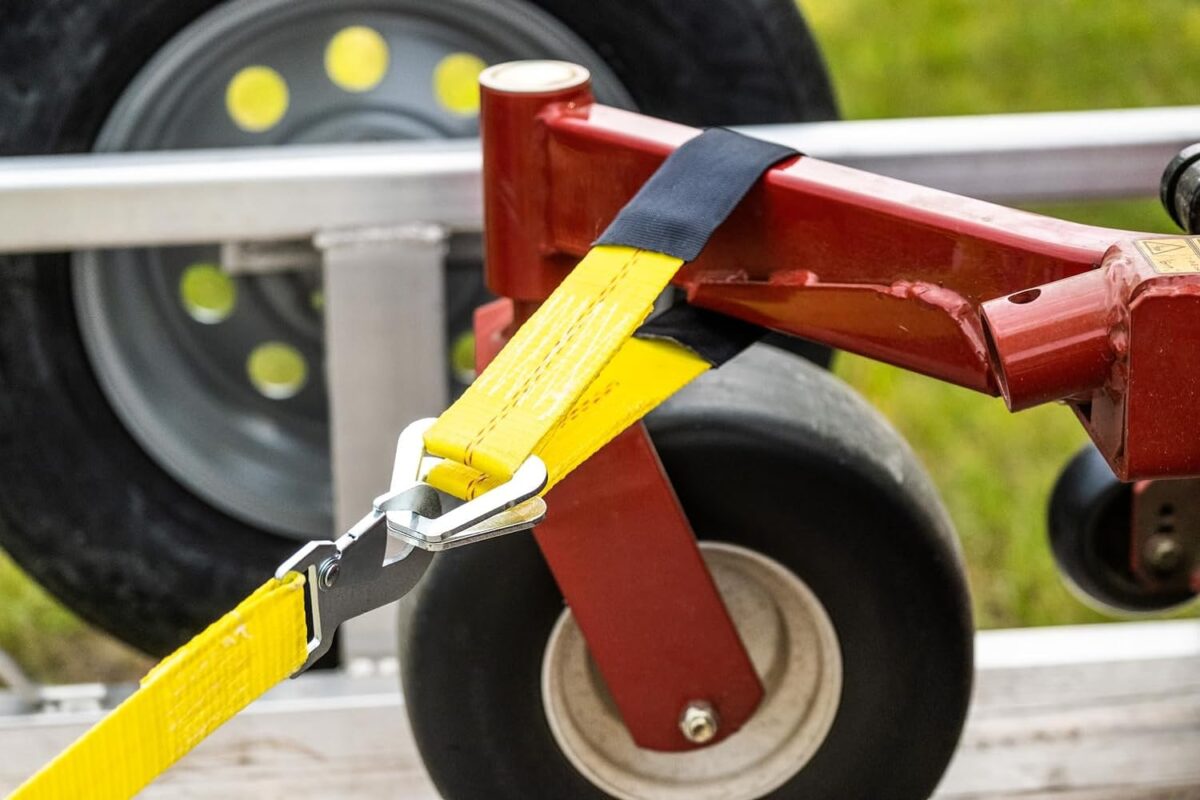
Axle straps remain one of the most reliable methods for securing vehicles during transport. They provide a strong connection to the vehicle’s suspension system and help prevent movement during towing.
When combined with high-quality ratchet straps and proper installation techniques, axle straps can deliver excellent stability, durability, and vehicle protection.
Whether you are transporting a car, truck, or off-road vehicle, investing in reliable axle straps can make towing safer and more efficient.