
Best 2 Inch Ratchet Straps in USA 2026
February 19, 2026
Go Rhino SRM400 Roof Rack in USA 2026
February 21, 2026What Is an Extra Heavy Duty Endless Loop Ratchet Strap and Why Is It Used?
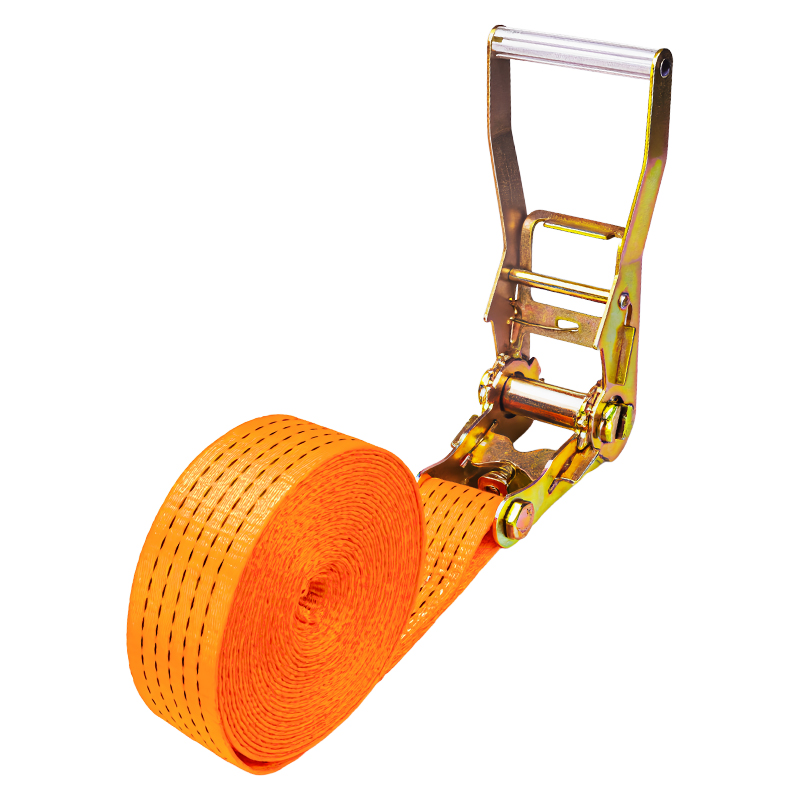
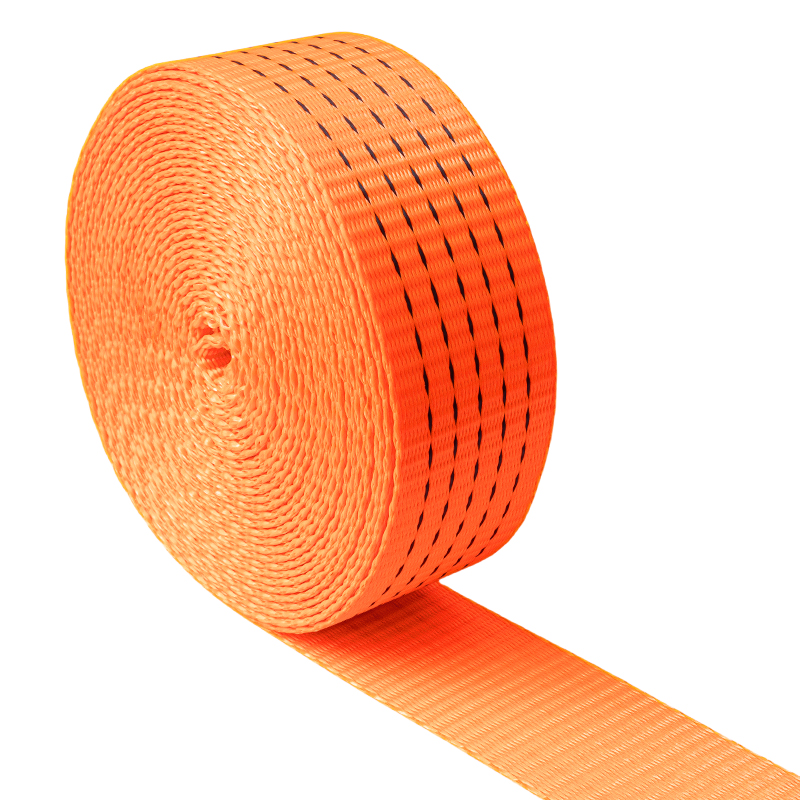
Extra heavy duty endless loop ratchet straps are specialized cargo-securing tools designed to hold large or heavy items in place during transportation. Unlike traditional ratchet straps that use two hooks, endless loop straps form a continuous loop around the cargo.
These straps are commonly used in trucking, logistics, construction, and outdoor transport where stability and strong tension are required.
Key characteristics include:
- Strong webbing material designed for high load capacity
- A ratchet mechanism that allows tight tension control
- A continuous loop design for wrapping around cargo
- Reduced risk of hooks slipping during transit
- Suitable for securing irregular or round objects
Because the strap wraps directly around the load, it creates a firm hold that helps prevent shifting during transportation.
How Do Endless Loop Ratchet Straps Compare to Standard Ratchet Straps?
Quick Comparison Table: 4″ Endless Loop vs 4″ Standard Hooked Ratchet Straps
Feature | Endless Loop Ratchet Strap | Standard Hook Ratchet Strap |
Design | Continuous loop around cargo | Two hooks attach to anchor points |
Best Use | Securing bundled or round cargo | General load tie-down |
Attachment | No hooks required | Requires anchor hooks |
Stability | Excellent for wrapping loads | Good but depends on anchor points |
Risk of Slipping | Lower when wrapped properly | Slightly higher if hooks shift |
Flexibility | Works well with irregular shapes | Best for fixed anchor loads |
Setup Method | Wrap and tighten | Hook and tighten |
What Are the Key Features of Extra Heavy Duty Endless Loop Ratchet Straps?
Feature | Description | Why It Matters |
Heavy Duty Webbing | Thick polyester strap material | Provides strong load support |
Ratchet Mechanism | Metal tension tightening system | Allows secure tightening |
Endless Loop Design | Continuous loop structure | Ideal for wrapping cargo |
High Load Capacity | Built for heavy transportation | Handles large equipment |
Weather Resistance | Resistant to moisture and UV | Suitable for outdoor use |
Compact Storage | Easy to roll and store | Saves space in vehicles |
Reusable Construction | Durable for repeated use | Long-term cost efficiency |
These features make heavy duty ratchet straps a reliable tool for many transportation tasks.
How Can You Properly Use an Endless Loop Ratchet Strap?
Using a heavy duty endless loop ratchet strap correctly helps ensure cargo safety and prevents damage during transportation.
Follow these basic steps:
- Wrap the Strap Around the Cargo
- Place the strap around the item or bundle
- Make sure the strap lies flat without twists
- Feed the Strap Into the Ratchet
- Insert the loose end through the ratchet slot
- Pull the strap until it becomes snug around the load
- Tighten Using the Ratchet Handle
- Pump the ratchet handle back and forth
- This increases tension and secures the load
- Lock the Ratchet
- Once tight, close the ratchet handle completely
- This locks the strap in place
- Check Load Stability
- Ensure the cargo does not move
- Re-tighten if necessary before travel
Proper installation ensures safe transport and prevents shifting cargo.
What Real-World Example Shows the Benefits of Endless Loop Ratchet Straps?
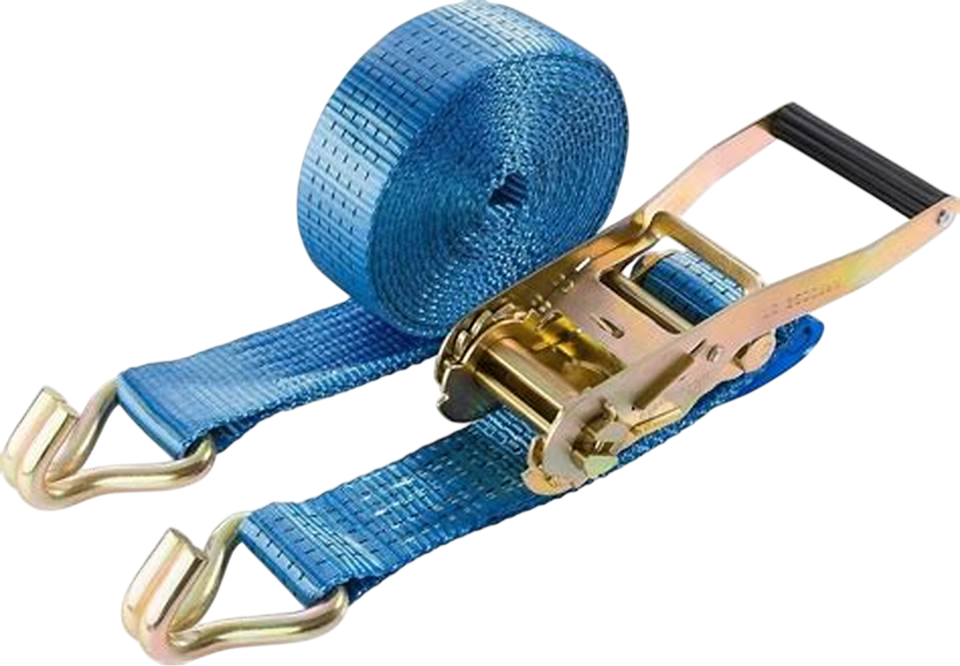
In many trucking and cargo transport communities, drivers often discuss challenges when securing large or irregular loads such as pipes, lumber bundles, or equipment.
A commonly shared scenario involves transporting cylindrical materials like metal pipes. Traditional hook straps sometimes struggle in these situations because there are limited anchor points and the load may shift during travel.
Several drivers in transport forums report switching to endless loop ratchet straps for this reason. By wrapping the strap directly around the load, the tension distributes evenly across the cargo.
One experienced transport worker explained that using endless loop straps helped stabilize stacked pipes during long-distance delivery. The strap wrapped tightly around the bundle, reducing movement and preventing the cargo from rolling.
Stories like these highlight a practical advantage: endless loop ratchet straps can improve load stability when traditional tie-down systems are difficult to use.
This real-world feedback from experienced users demonstrates how these straps can provide reliable cargo control in demanding transportation environments.
What Problems Can Occur With Endless Loop Ratchet Straps and How Can You Fix Them?
Even durable ratchet straps can develop issues if they are used improperly or exposed to heavy wear.
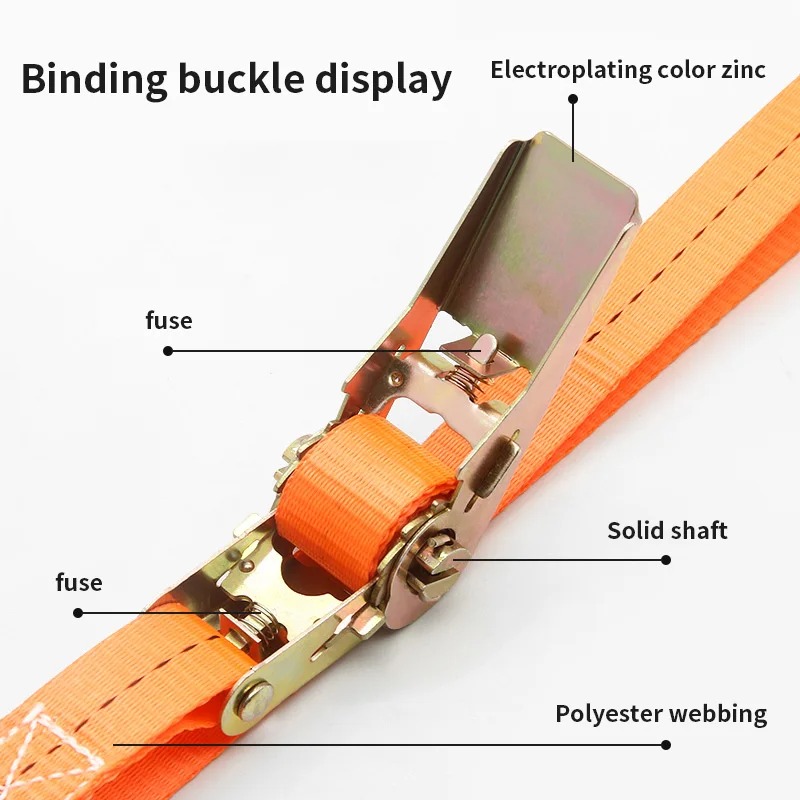
Common problems include:
Loose Straps
- Cause: Insufficient tension
- Solution: Re-tighten the ratchet mechanism
Twisted Webbing
- Cause: Incorrect wrapping during installation
- Solution: Flatten the strap before tightening
Webbing Wear
- Cause: Friction against sharp edges
- Solution: Use edge protectors
Ratchet Jamming
- Cause: Dirt or rust in the mechanism
- Solution: Clean and lubricate the ratchet
Cargo Shifting
- Cause: Uneven tension or incorrect placement
- Solution: Reposition straps evenly across the load
Regular inspection helps prevent most of these problems.
Are Ratchet Straps Only for Professional Truck Drivers?
Many people assume ratchet straps are only used in professional trucking or industrial transportation.
However, this is not entirely accurate.
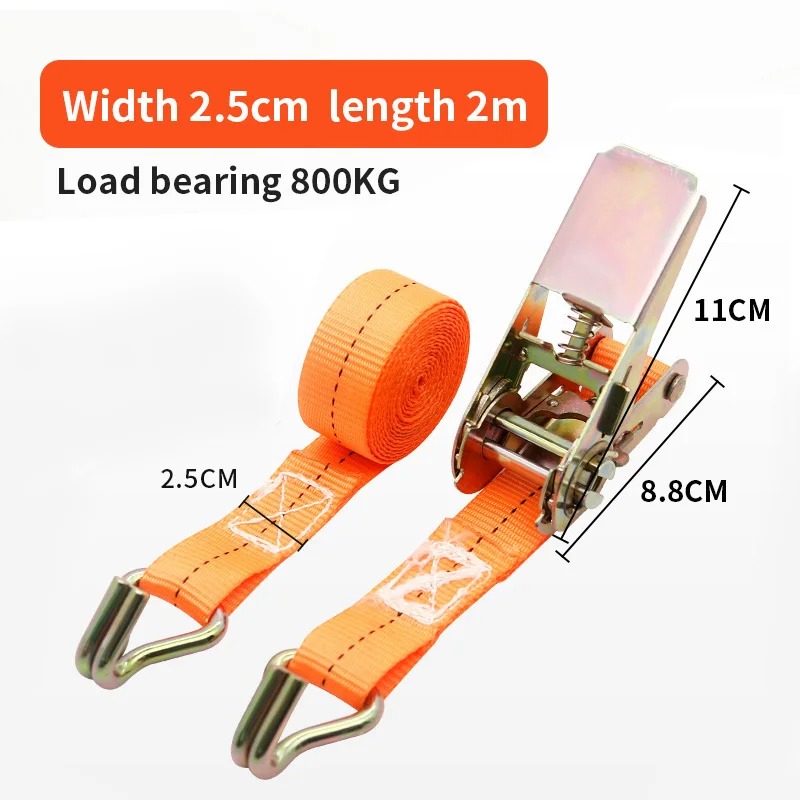
Common myths include:
Myth 1: Only truck drivers need ratchet straps
- Reality: Many everyday drivers use them for moving furniture or equipment.
Myth 2: Ratchet straps are complicated to use
- Reality: Basic operation can be learned quickly.
Myth 3: Endless loop straps are less secure
- Reality: They can actually provide excellent load stability.
Myth 4: All straps have the same strength
- Reality: Load capacity varies depending on design and material.
Myth 5: Ratchet straps last forever
- Reality: They require inspection and replacement when worn.
Understanding these facts helps users select the right strap for their needs.
What Should You Look for Before Buying an Endless Loop Ratchet Strap?
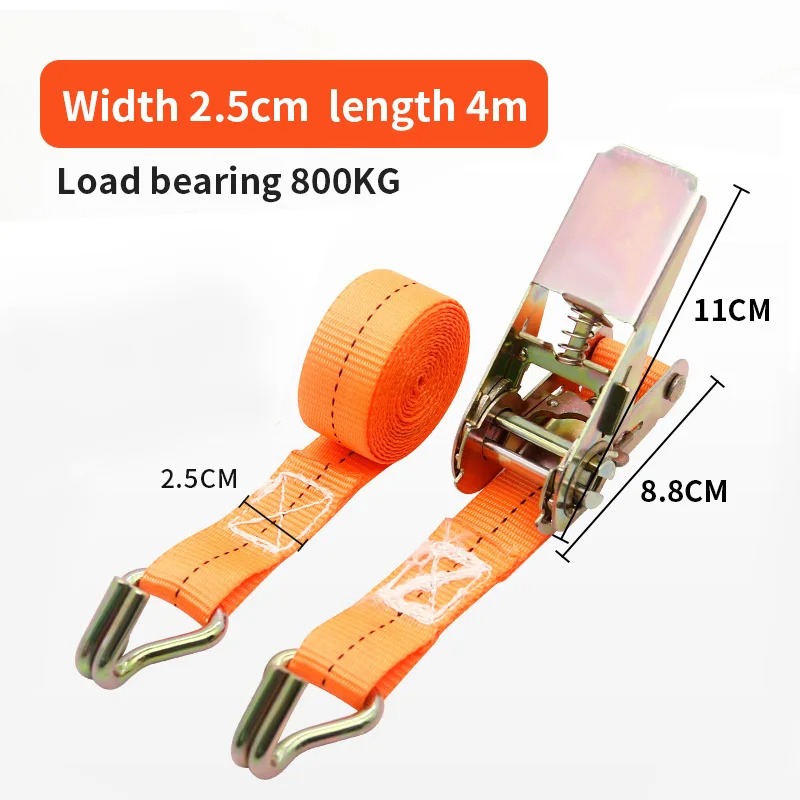
Choosing the right ratchet strap requires evaluating a few important factors.
Important buying considerations include:
- Load Capacity
Ensure the strap can support the weight of your cargo. - Webbing Material
Polyester straps often provide strong durability. - Ratchet Quality
A solid metal ratchet improves tension control. - Length of Strap
Longer straps allow greater flexibility for larger loads.
Weather Resistance
UV-resistant materials help extend lifespan.
10 Key Pros of 4" Endless Loop Ratchet Straps
- No metal hooks: Eliminates risk of scratching or denting delicate, painted, or finished surfaces on cargo.
- 360° even compression: Provides uniform pressure around the entire load, reducing shifting on irregular or cylindrical items like coils and pipes.
- No anchor points required: Wraps directly around bundles or pallets without needing trailer D-rings, winches, or stake pockets.
- Superior bundling performance: Excels at compressing and stabilizing stacked or rolled freight (e.g., lumber, steel, pipes) without slippage.
- Minimal webbing stretch: Polyester construction maintains tight tension over long hauls, even under vibration or temperature changes.
- Lightweight & compact: Easier to handle and store than chains or hooked alternatives of similar strength.
- Versatile for odd shapes: Adapts seamlessly to non-standard or asymmetrical loads where hooks would struggle.
- Lower abrasion risk: Soft webbing contact reduces wear on both strap and cargo edges compared to metal hardware.
- Faster setup on bundles: Simple wrap-thread-crank process skips hook alignment, saving time on repetitive bundling jobs.
- DOT-compliant strength: High WLL (often 5,400+ lbs) supports heavy-duty securement requirements with fewer straps needed.
10 Key Cons of 4" Endless Loop Ratchet Straps
- Slower on trailers with fixed anchors: Threading the loop takes longer than snapping hooks into built-in winch tracks or D-rings.
- Limited direct attachment options: Cannot hook directly to chains, rings, or side rails without additional hardware.
- Excess webbing management needed: Long tails after cinching must be rolled/tucked to prevent flapping or snags at highway speeds.
- Harder release on over-tight loads: Can bind inside the ratchet if excessively tensioned, requiring more effort to loosen.
- Less ideal for vertical restraint only: Better for circumferential bundling than pure downward clamping on flat loads.
- Potential for ratchet jamming: Webbing pile-up on the mandrel during cranking if slack isn't fully pulled through first.
- Higher initial cost per strap: Premium endless designs often cost more than basic hooked versions of similar width.
- Vulnerable to sharp unprotected edges: Webbing can cut or abrade quickly without corner protectors on jagged cargo.
- Less harness in very short wraps: Ratchet needs adequate webbing feed; very small loops reduce effective tightening power.
- Weather/chemical sensitivity if low-quality: Inferior polyester can degrade faster from prolonged UV, oil, or acid exposure compared to chains.
These points are drawn from practical heavy-haul realities: choose endless loops when cargo protection and bundling efficiency matter most, but pair with hooked straps for quick anchor-based flatbed work.
A 4" endless loop ratchet strap features a continuous loop of webbing without any metal hooks at the ends, allowing it to wrap fully around the load and feed back through the ratchet for cinching. This design provides even, balanced pressure without hardware that could scratch or mark cargo surfaces. It's especially useful for sensitive or high-value freight where protection is a top priority.
To choose the correct length, measure the full circumference of your load plus extra for threading through the ratchet and achieving proper tension. Add at least 2–3 feet of additional webbing to account for slack removal and safe cinching. For oversized or bulky items like coils or machinery, longer straps (30–50 ft) offer more flexibility and easier handling.
While polyester webbing resists moisture better than nylon, prolonged exposure to direct sunlight or extreme weather can accelerate UV degradation over time. Store straps in a cool, dry, shaded area like a toolbox or cab compartment when not in use. This simple habit significantly extends their service life and maintains consistent performance.
Endless loop straps excel primarily in circumferential bundling and horizontal restraint rather than pure vertical downward force. For vertical applications, they work best when combined with other securement methods or when the load allows full wrapping. Always calculate aggregate working load limits to make sure compliance with securement standards.
High-quality polyester webbing in these straps holds up well in rain, snow, and temperature swings with very little stretch or weakening compared to other materials. However, extreme prolonged exposure to chemicals or abrasives can cause gradual breakdown. Regular rinsing after harsh conditions helps preserve strength and reliability.
Focus on clear labeling of the working load limit (WLL), high-quality stitching along the edges, and a robust steel ratchet with smooth operation. Check for UV-resistant polyester webbing and avoid suspiciously low-priced options that may use thinner materials. Reputable brands like GO RHINO make sure consistent strength and durability for heavy-duty use.
No, attempting to repair cuts, fraying, or hardware issues on a ratchet strap is not recommended and can void compliance with safety regulations. Once damage appears such as significant abrasion, burns, or stitching failure the strap should be retired immediately. Always replace it with a new, certified strap to maintain safe working performance.
The number depends on the load's weight, shape, and federal securement rules, but most heavy bundles require a minimum of two to four straps placed symmetrically. Calculate the aggregate WLL to equal at least 50% of the cargo weight for direct securement. Adding more straps improves stability without exceeding individual strap ratings.
Yes, mixing endless loop straps with hooked straps or chains is common and often effective for complex loads. Use endless loops for bundling or surface-sensitive areas, while hooked versions handle quick anchor points. Make sure the combined system meets total securement requirements and distributes force evenly across the load.
With proper care, regular inspections, cleaning, and shaded storage a premium 4" endless loop ratchet strap can last several years even under frequent heavy-duty hauling. Lifespan varies based on load type, weather exposure, and handling, but consistent maintenance prevents premature wear and keeps straps reliable for demanding jobs.
Conclusion
Are Extra Heavy Duty Endless Loop Ratchet Straps Worth Using?
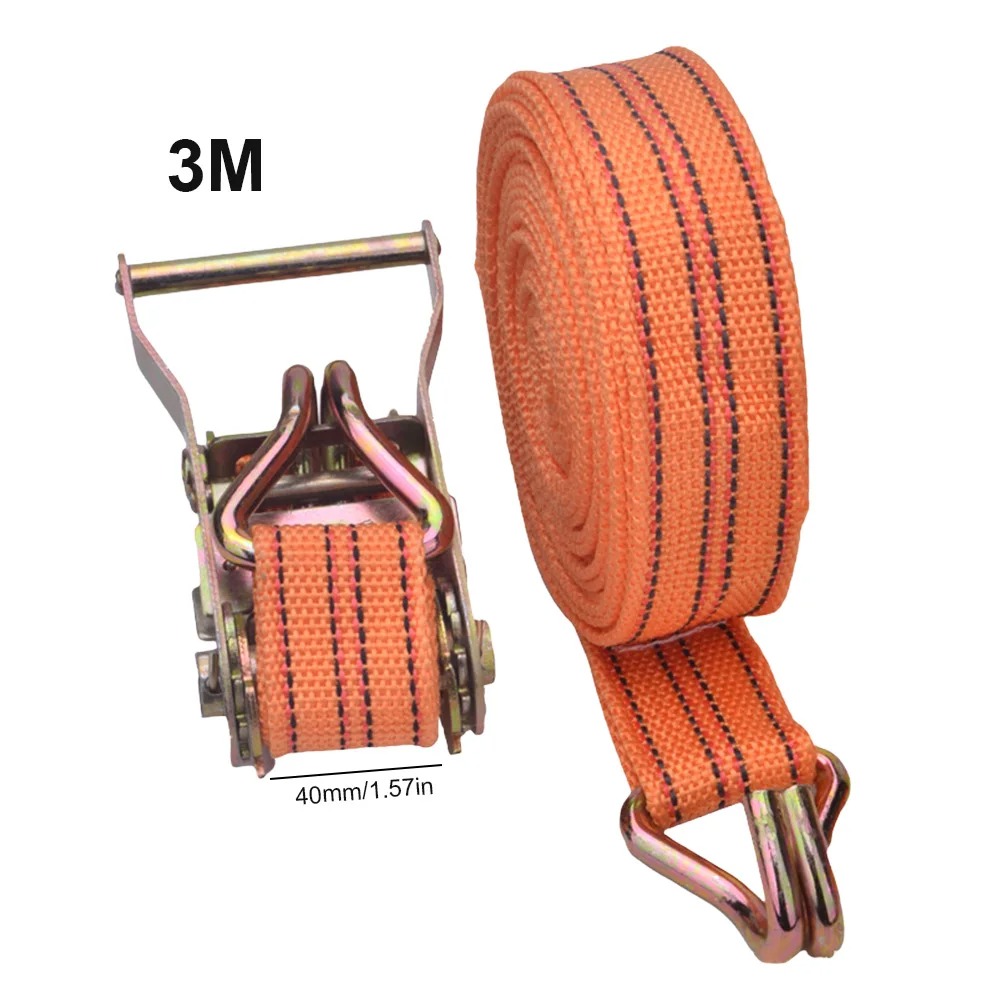
Extra heavy duty endless loop ratchet straps are practical tools for securing cargo during transportation. Their loop design allows them to wrap tightly around loads, making them particularly useful for irregular or bundled items.
When used correctly, these straps can provide strong stability, improved safety, and reliable load control for many transport situations.
Before choosing a strap, it is important to consider load capacity, material durability, and proper installation techniques to ensure the best results.