Check Your Tire Pressure at a Gas Station Go Rhino
January 10, 2026
Why Traction Control Isn’t Your Friend: How to Turn It Off
January 12, 2026How to Read Tire Size and Choose the Right Tires for Your Vehicle?
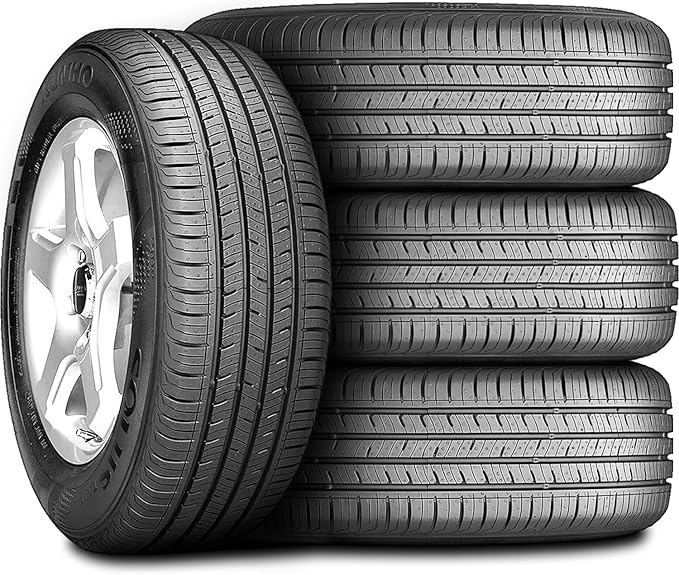
Choosing the right tire size is important for safety and performance. Many people ask how to read tire size and pick the best tires easily. Understanding the numbers and following the correct method helps you make the right decision.
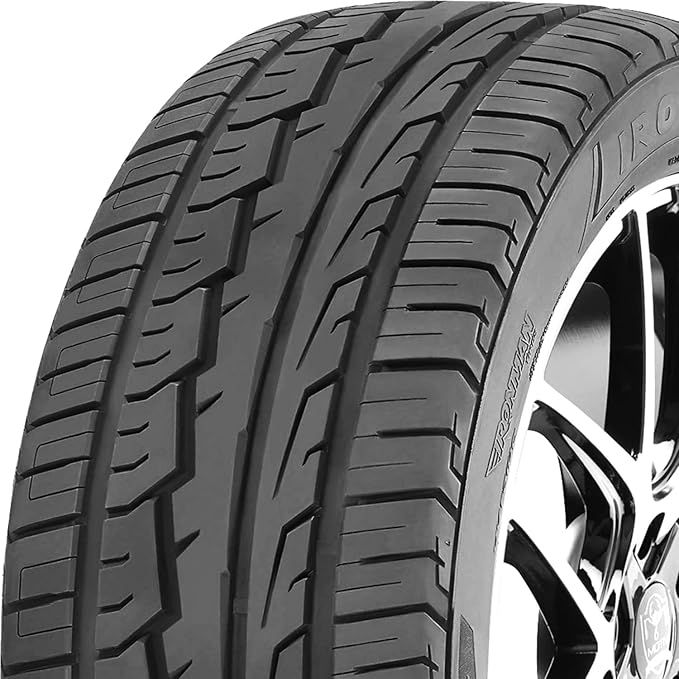
What Do Tire Numbers Mean?
Many users ask what tire numbers mean and how they help in selecting the right tire. Each number on the tire shows its size, structure, and performance limits.
Key details:
- P265/70R17 is a standard tire format
- Each part explains a specific feature
Explanation:
- P shows it is a passenger tire
- 265 shows tire width in millimeters
- 70 shows sidewall height ratio
- R means radial construction
- 17 shows rim size in inches
- 113 shows load capacity
- T shows speed rating
Why it matters:
- Ensures correct fitting
- Improves safety and control
- Prevents vehicle damage
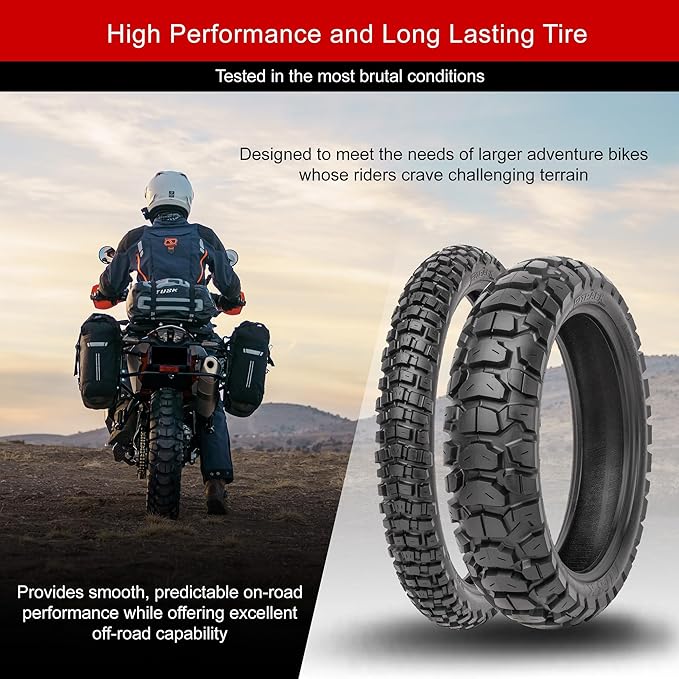
Which Tire Type Is Best for Your Needs?
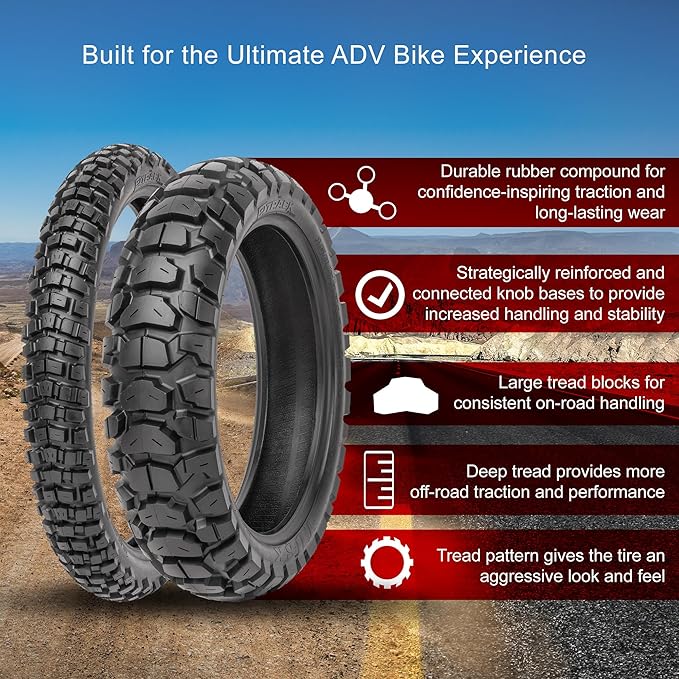
People often ask which tire type is best for daily driving or rough conditions. The right choice depends on where and how you drive.
Quick overview:
- Daily driving needs balanced tires
- Rough roads need strong grip
- Cold areas need special tires
Tire Type | Best For | Key Benefit |
All-Season | Daily driving | Balanced performance |
Off-Road | Rough terrain | Strong traction |
Winter | Snow conditions | Better control |
Details:
- All-season tires work in most situations
- Off-road tires handle mud and rocks
- Winter tires improve grip in cold weather
What Factors Should You Check Before Buying Tires?
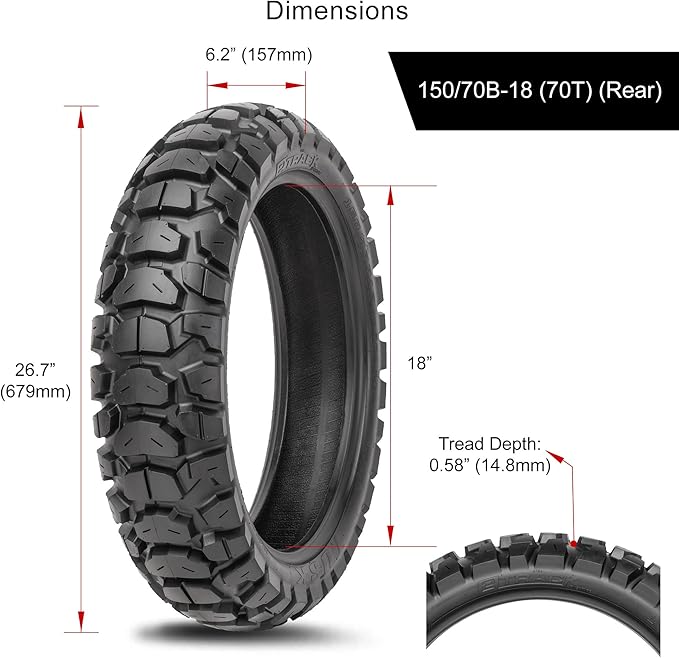
Users often ask what factors are important before buying tires. Checking the right points helps avoid problems later.
Important factors:
- Tire size must match the vehicle
- Load index should support weight
- Speed rating should match driving needs
Factor | Why Important | Result |
Tire Size | Ensures proper fit | Safe driving |
Load Index | Supports vehicle weight | Avoids damage |
Speed Rating | Matches speed ability | Better control |
Extra points:
- Always check the vehicle manual
- Replace all tires together
- Choose based on driving style
How to Choose the Right Tire Step by Step?
Beginners often ask how to choose the right tire step by step. Following a simple process makes selection easy and accurate.
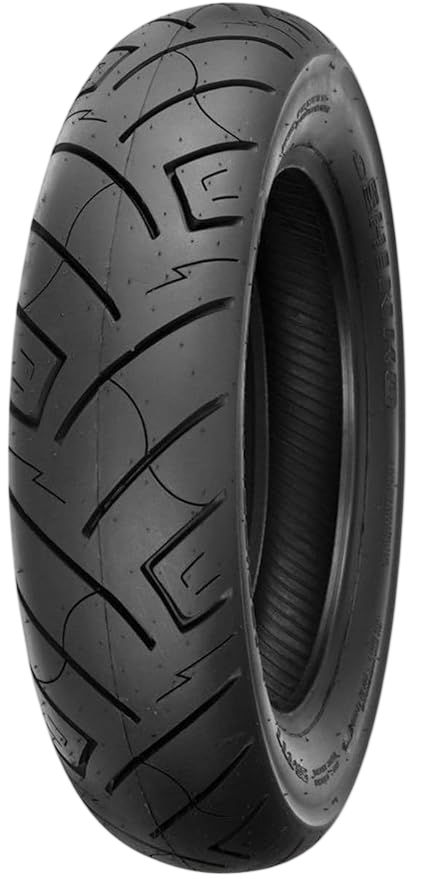
Steps:
- Check current tire sidewall
- Read vehicle door sticker
- Identify driving conditions
- Select correct size and type
- Install and balance properly
Helpful tips:
- Avoid major size changes
- Check alignment after installation
- Maintain proper air pressure
What Happens If You Choose the Wrong Tire?
Many people ask what happens if the wrong tire size is used. Incorrect tires can cause safety and performance issues.
Common issues:
- Tires may rub against parts
- Handling becomes unstable
- Fuel efficiency decreases
Problem | Cause | Solution |
Tire rubbing | Incorrect size | Use recommended size |
Poor handling | Wrong ratio | Follow specifications |
Low fuel efficiency | Heavy or large tires | Choose correct type |
Key points:
- Always confirm size before buying
- Avoid extreme size changes
- Follow manufacturer guidelines
Are Bigger Tires Always Better?

A common question is whether bigger tires always give better performance. Bigger tires are not always the best option.
Common beliefs:
- Bigger tires improve performance
- Any tire fits all vehicles
- Size does not affect safety
Reality:
- Bigger tires can reduce fuel efficiency
- Wrong size can damage suspension
- Proper size gives better balance
Final understanding:
- Correct size is more important than larger size
- Manufacturer recommendations should be followed
- Safety should always come first

How to Pick the Best Tire for Your Vehicle?
Buyers often ask how to select the best tire for long-term use. The right choice depends on correct size and usage needs.
Key considerations:
- Correct tire size
- Road and weather conditions
- Load and speed rating
- Brand quality
Best selection approach:
- All-season tires for regular driving
- Off-road tires for rough use
- Winter tires for cold environments
Call to Action:
- Check your tire size today
- Compare suitable options carefully
- Upgrade your tires for better safety and performance
Hey THERE, FELLOW TRUCK LOVERS!
If you've ever looked at your stock 2026 Toyota Tundra and thought, "This thing is great for the daily grind, but it needs to be ready for real family adventures without turning into a headache," I get it because I've been there.
I’m Tyler Gurczeski, born and raised in California back on July 5, 1981. Growing up, I spent my days in my dad’s auto shop, elbow-deep in truck accessories. Go Rhino products were always around bumpers, steps, racks and I was the kid handing tools, watching installs, and learning what actually holds up on the road. Fast-forward, and I’ve got over 30 years of hands-on experience installing, testing, and troubleshooting Go Rhino gear on everything from daily drivers to full-on overland rigs. That’s why I built this platform: to help everyday folks like contractors, weekend warriors, and family overlanders across the USA get the right Go Rhino setup without the guesswork or regrets.
A while back, I decided it was time to practice what I preach on my own 2026 Toyota Tundra. As a dad who wants to hit the trails with the kids on weekends but still commute comfortably during the week, I needed upgrades that prioritized family usability, light off-road capability, and no major mods that could mess with the warranty.
My Challenge: Make the Tundra Family-Ready and Trail-Capable
Stock, the Tundra is solid but it wasn’t quite there for easy kid access, secure gear hauling, front-end protection on moderate trails, and quick bed loading. I wanted:
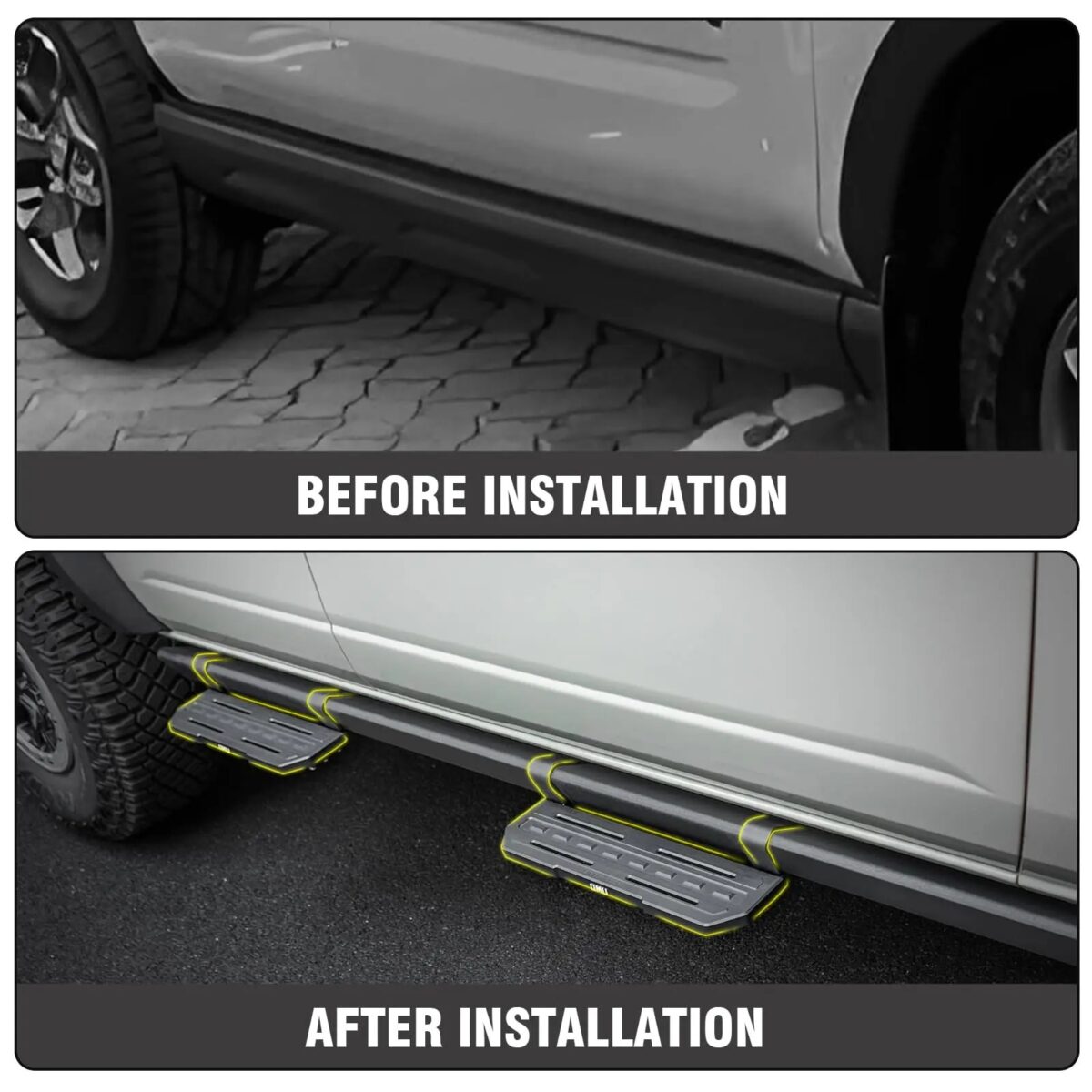
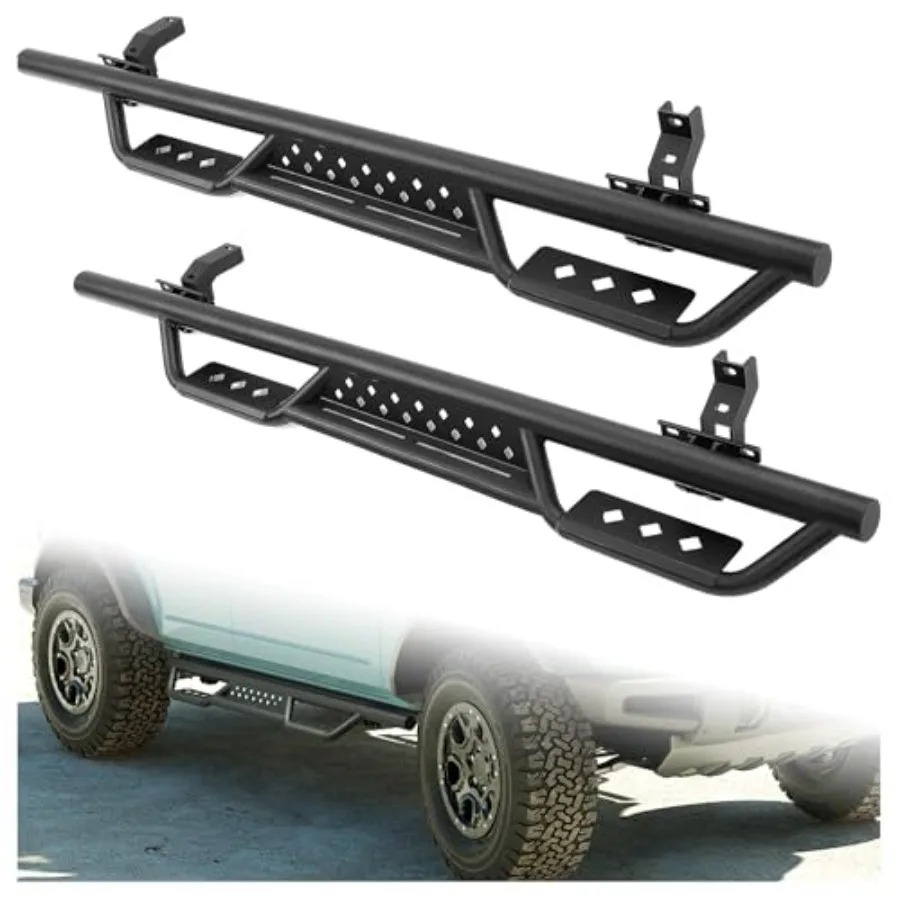
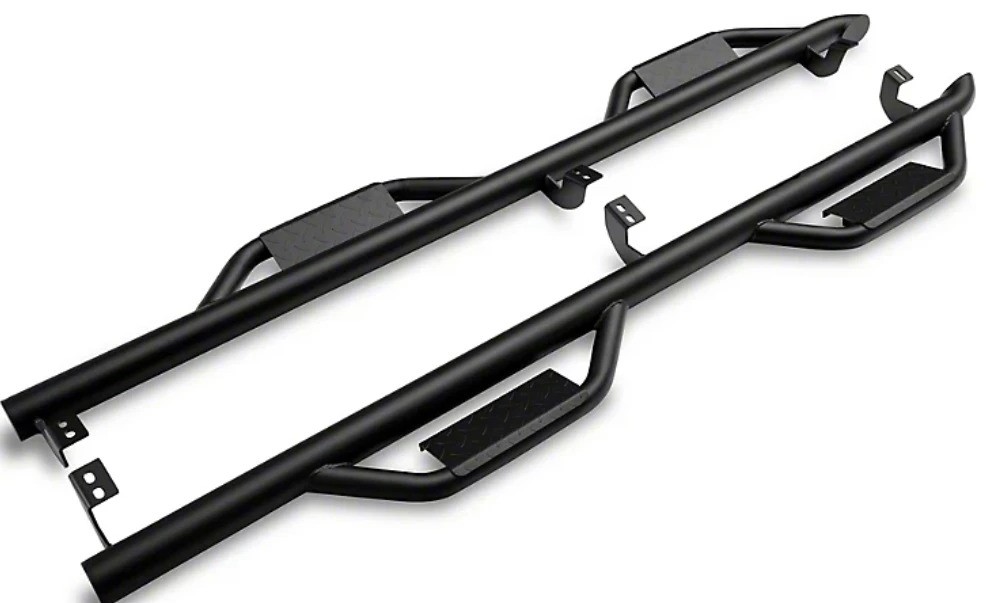
- Running boards that let the little ones hop in independently (no more lifting!)
- Low-profile roof storage for camping gear and kayaks
- Better approach angles and winch-ready front protection
- Fast rear access for coolers, bikes, and toys
- Everything bolt-on, no drilling, warranty-safe
With my background, I knew Go Rhino accessories integrate seamlessly on the newer Tundras I’ve installed hundreds of these combos over the years.
The Go Rhino Setup I Chose
I went modular, just like I always recommend: start with the foundations and add as needed.
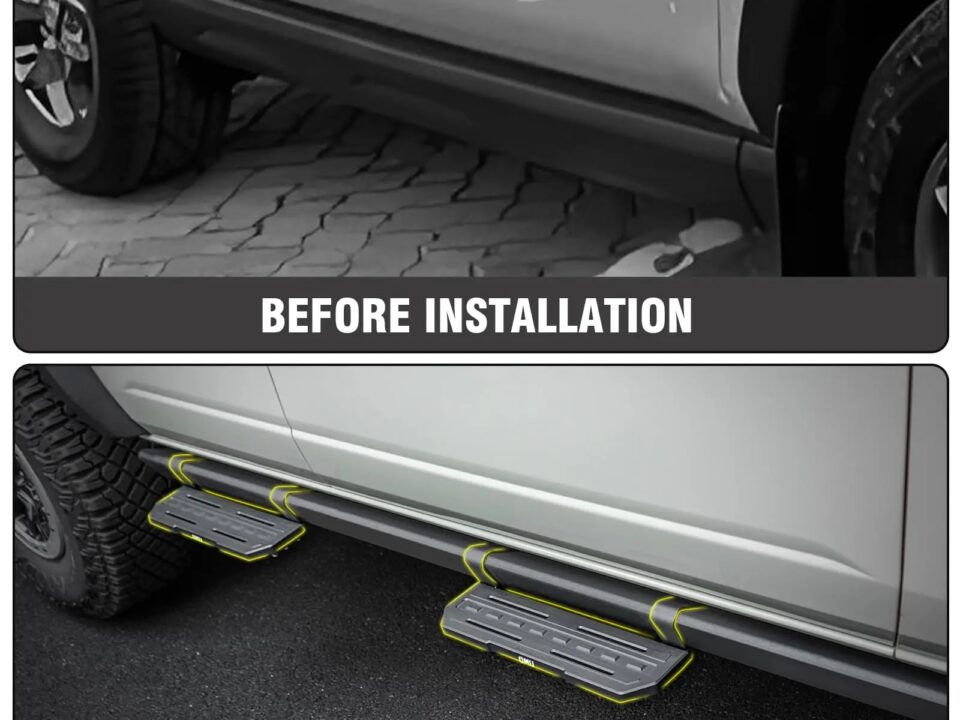
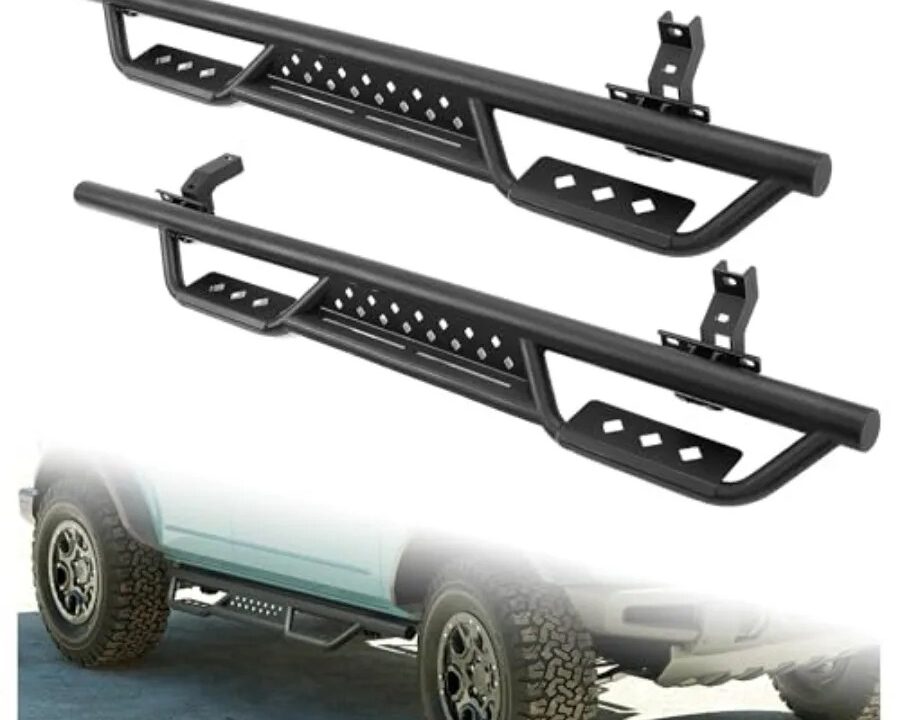
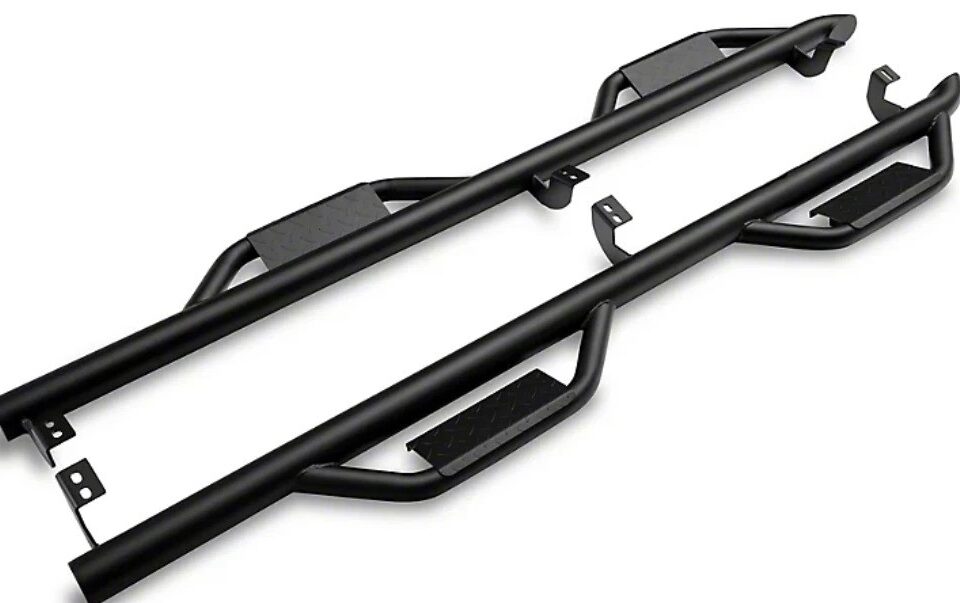
RB30 Drop Step Running Boards
Wide platform with that aggressive drop for super-easy cab entry.
Rockline Full-Width Front Bumper
Winch-ready, improved angles for trails.
Ceros Low-Profile Roof Rack
Aerodynamic, 400 lb dynamic load, no wind noise or big MPG hit.
BR20 Rear Bumper
Recovery points plus a built-in step.
DIY install? About 6 hours over two weekends with basic tools (socket set, torque wrench, thread locker). Straightforward that’s how Go Rhino designs them.
Real Results After Months of Real Use (as of early 2026)
After putting over 12,000 miles on it including coastal runs with salt exposure here’s what matters most:
- The kids now climb in and out on their own game-changer for family sanity.
- Cleared moderate trails with zero rubbing, thanks to the better angles and clearance.
- Roof rack hauls a rooftop tent plus two kayaks, no sag.
- Fuel economy? Only ~1.2 MPG drop when loaded the Ceros low-profile design is a daily-driver winner.
- Zero rust, zero rattles tough as expected.
- Looks clean and professional, so resale stays strong.
These aren’t just “cool” add-ons; they’re practical upgrades that make the truck more usable for real life.
Bonus Lessons from My Tire Upgrade Adventures
When I paired the build with more aggressive all-terrain tires (something like 285/70R17 for better clearance and looks), I leaned on my decades of experience but even I hit snags. Ordered online from a big-box spot for convenience, but they wouldn’t mount due to diameter/clearance issues with the bumpers and sliders. Wasted time, poor communication, classic headache.
Switched to a specialized shop that knows off-road setups night and day. For my trailer (perfect match for a Go Rhino bed rack), I did the tire swaps myself after watching solid tutorials. Quick, saved big money, and taught me: invest in quality tire irons, harness smart (not hard!), and always calculate overall diameter to avoid rubbing.
Key tire tips I live by now:
- Decode sizes right: 285/70R17 ≈ 32.8″ overall diameter factor in with your accessories.
- Verify fitment for your exact Go Rhino setup (bumper/slider clearance often needs 33-35″).
- Buy from trusted locals who know off-road, or DIY with prep.
- Test drive after: check full lock, trails, pressures.
Wrapping It Up: Build Smart, Adventure More
My Tundra isn’t just tougher, it’s more family-friendly, more capable, and honestly more fun. With over 30 years in the game, starting in that California shop, I’ve seen what works and what doesn’t. Go Rhino’s modular, durable designs make it easy to build a rig that fits your life whether you’re hauling tools during the week or hitting trails on the weekend.
10 Key Pros of Go Rhino Accessories
- Excellent bolt-on compatibility: Fits many popular 2024–2026 models with minimal or no drilling required.
- Family-friendly accessibility: Wide, drop-step designs make entry/exit easy for kids and shorter passengers.
- Strong anti-slip surfaces: Textured treads provide reliable grip even in wet or muddy conditions.
- Aerodynamic roof rack options: Low-profile models (e.g., Ceros) minimize fuel economy loss when loaded.
- Modular customization: T-slots and adjustable brackets allow easy addition of lights, awnings, or recovery gear.
- Solid impact absorption: Reinforced designs handle light to moderate off-road abuse effectively.
- Attractive aggressive styling: Clean, modern looks that complement newer truck body lines.
- Good weight-to-strength ratio: Lightweight aluminum options maintain handling while offering high load capacity.
- Sensor-safe designs: Updated bumpers preserve parking sensors and radar on modern vehicles.
- Established brand reliability: Decades of experience (since 1975) with consistent product evolution.
10 Key Cons of Go Rhino Accessories
- Potential for minor fitment adjustments: Some models require shimming or bracket tweaks on certain vehicles.
- Limited step width on slim versions: Narrower boards offer less foot space than full-width competitors.
- Occasional finish chipping: Exposed edges can chip in rocky or high-impact environments.
- Higher wind noise when empty: Roof racks can whistle at highway speeds without add-on fairings.
- Hardware quality variability: Some owners report needing better bolts or clips during install.
- Moderate protection level: Not as heavy-duty as ultra-thick ranch-style bumpers for extreme work use.
- Installation instructions inconsistencies: Generic guides sometimes don't match specific models perfectly.
- Visible gaps in some fits: Minor alignment issues can leave small spaces between accessory and body.
- Price vs premium competitors: Falls in mid-range; lacks the ultra-premium feel of high-end custom brands.
- Customer support response time: Mixed reports on speed of warranty or parts replacement handling.
These points reflect balanced owner feedback and real-world performance helping you decide if Go Rhino matches your needs for style, utility, and daily driving in 2026.
Frequently Asked Questions about Go Rhino Accessories 2026 Edition
Yes, Go Rhino continuously updates its product line to make sure excellent compatibility with the newest 2026 truck and SUV models, including Ford F-150, Chevrolet Silverado, Ram 1500, Toyota Tundra, and Jeep Gladiator. Most accessories use existing factory mounting points, requiring little to no drilling. Always use the official Go Rhino vehicle fit selector on their website to confirm exact compatibility for your specific trim and year before purchasing.
Go Rhino roof racks, such as the Ceros and SRM series, are engineered to handle significant dynamic loads typically between 300–500 lbs depending on the model and vehicle. Static load ratings (when parked) are often higher. For safety and optimal performance, never exceed the manufacturer’s stated limits, and always distribute weight evenly to maintain vehicle handling and stability.
In most cases, installing properly fitted Go Rhino bumpers will not void your entire vehicle warranty. Federal law (Magnuson-Moss Warranty Act) protects consumers from blanket warranty denials due to aftermarket parts. However, if an aftermarket part directly causes a failure, the manufacturer may deny coverage for that specific repair. Choose vehicle-specific designs to minimize any risk.
Go Rhino running boards feature textured, non-slip step surfaces designed to provide reliable footing even in wet, snowy, or icy weather. The aggressive tread pattern helps prevent slipping, making them a practical choice for winter driving. Regular cleaning to remove salt buildup will keep the grip effective throughout the cold season.
Most Go Rhino products are designed for straightforward DIY installation using basic hand tools and the included hardware. Many owners complete running boards, bumpers, and roof racks in a few hours. However, if you’re uncomfortable with vehicle modifications or your truck has complex electronics, having a professional shop handle the install make sure perfect alignment and functionality.
When empty, low-profile Go Rhino roof racks like the Ceros add only a minimal fuel economy penalty usually 0.5 to 1.5 MPG depending on speed and vehicle. The aerodynamic design significantly reduces drag compared to older box-style racks. Once loaded with gear, the impact becomes even less noticeable as the load would affect efficiency regardless of the rack type.
For serious off-road capability, select full-width models like the Rockline series, which offer excellent approach angles, winch mounting options, and reinforced recovery points. Consider your vehicle’s ground clearance, tire size, and intended trail difficulty. Always verify sensor-safe cutouts if your 2026 truck has advanced driver-assistance systems.
Go Rhino applies durable powder-coat finishes and uses corrosion-resistant materials like galvanized steel and aluminum to combat rust effectively. In highly corrosive areas (coastal regions or road-salt states), owners often add an extra protective layer such as bedliner spray or regular touch-up paint to extend the finish life even further.
Minor rattles after rough driving are usually easy to fix by re-torquing all mounting hardware to the specified values and adding rubber isolators or washers at contact points. Most cases resolve after the first 100–200 miles as components settle. If the issue persists, contact Go Rhino support; they frequently provide free replacement parts for such situations.
With proper care and occasional maintenance, Go Rhino accessories are built to last many years, often matching or exceeding the life of the vehicle itself. The structural components carry strong lifetime warranties, while finishes remain attractive for a long time when kept clean and touched up as needed. Regular inspections and cleaning in harsh conditions help maximize longevity.
Why Go Rhino Remains a Top Choice for Truck & SUV Owners in 2026
After exploring every angle from decoding tire sizes that pair perfectly with Go Rhino upgrades, comparing against competitors, busting myths, addressing real-world challenges, providing practical fixes, sharing success stories, weighing true pros and cons, and answering the most common questions one thing stands clear:
Go Rhino delivers a powerful combination of rugged reliability, thoughtful design, and everyday usability that continues to impress owners in 2026. While no brand is perfect (minor fitment tweaks and occasional finish maintenance come with any serious aftermarket upgrade), Go Rhino consistently shines in areas that matter most to real drivers: easy bolt-on installation, family-friendly accessibility, smart sensor compatibility, and long-term durability backed by decades of experience.
Whether you're building a weekend overlander, protecting your daily driver, or simply making life with kids and gear easier, Go Rhino offers gear that performs without constant compromise.