Go Rhino Adjustable Drop Hitches in USA 2026
January 28, 2026
Go Rhino Pull a Car Out of a Ditch in USA 2026
January 30, 2026Why Compare Go Rhino Synthetic vs Steel Winch Cable in 2026?
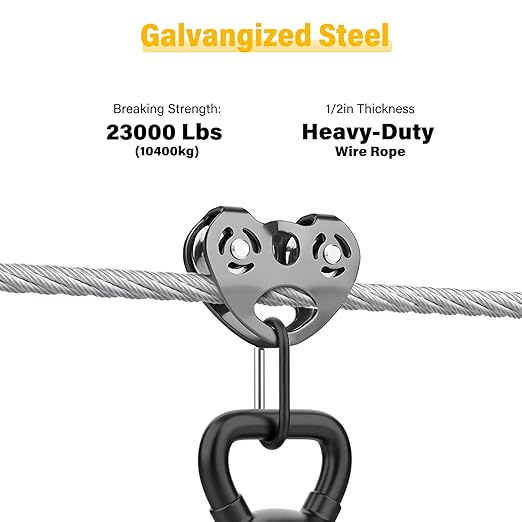
Off-roading in the USA keeps evolving, and so do winch cables. In 2026, more adventurers choose synthetic for safety and ease, while steel remains a tough, budget-friendly classic. Go Rhino stands out by equipping most winches with high-quality synthetic rope but is it always the winner? Let's break it down.
Key Benefits of Go Rhino Synthetic Winch Cable
Go Rhino synthetic winch lines (like their popular 3/8" x 94' or 1/4" x 50' options) deliver modern performance trusted by off-roaders nationwide.
No rust or corrosion
Ideal for wet, muddy, or salty USA trails (coasts, mountains, Midwest)
Advantages of Steel Winch Cable in 2026
Steel cables are still popular for heavy abuse in rugged USA environments.
- Top-tier abrasion resistance: Handles rocks, sharp edges, and rough terrain better
- Heat tolerant: Won’t weaken from repeated winching friction or hot drums
- Lower upfront cost: Often cheaper initially, great for budget builds
- Proven long-term durability: Forgiving in dirty, extreme conditions with minimal fuss
Go Rhino Synthetic vs Steel Winch Cable: Quick Comparison
Feature | Go Rhino Synthetic Rope | Steel Cable |
Weight | Lightweight (easy handling) | Heavy (adds front weight) |
Safety on Break | Safer minimal snap-back | Higher risk of dangerous recoil |
Abrasion/Sharp Objects | Needs protection (sleeves recommended) | Excellent resistance |
Maintenance | Wash & dry to prevent moisture issues | Prone to rust; needs lubrication |
Cost (2026 USA) | Higher initial, better long-term value | Lower upfront |
Best For | Daily off-roading, safety-focused users | Heavy-duty abuse, budget priority |
What’s Changing in the USA in 2026?
In 2026, synthetic winch cables dominate new Go Rhino models because safety trends and lighter vehicles push demand. Steel still holds strong for extreme commercial or rocky desert use where abrasion trumps everything. Go Rhino’s focus on synthetic gives you weatherproof, sealed winches that pair perfectly with rope reducing drum damage from moisture. Long-term, synthetic often saves money through less replacement and no rust repairs. If you wheel in wet Pacific Northwest forests or snowy Rockies, synthetic pulls ahead. For pure rocky Southwest trails, steel’s toughness remains hard to beat.
Go Rhino Synthetic vs Steel Winch Cable Comparison Table 2026 Quick Guide for USA Off-Roaders
Tired of guessing which winch cable wins for your next trail adventure? In 2026, Go Rhino leads with premium synthetic options, but steel still has fans for hardcore use. This simple comparison table cuts through the noise so you can pick the best fit fast.
Go Rhino Synthetic vs Steel Winch Cable: Side-by-Side 2026 Breakdown
Key Factor | Go Rhino Synthetic Rope | Steel Cable |
Weight & Handling | Super light easy to pull, spool & carry alone | Heavy adds front-end weight, tiring to manage |
Safety First | Low snap-back risk breaks softly, no deadly whip | High recoil danger can cause serious injury |
Terrain Toughness | Great in mud, water, snow; use sleeve on rocks | Excels on sharp rocks, logs built-in armor |
What 2026 Trends Mean for Your Go Rhino Setup
By 2026, most new off-road builds in the USA will be synthetic because lighter vehicles (think modern Jeeps, trucks) benefit hugely from reduced nose weight, better steering feel and MPG. Go Rhino’s reflective synthetic lines shine in low-light recovery ops common during winter or dusk runs in places like Colorado or the Pacific Northwest. Meanwhile, steel holds ground for desert rock-crawlers where every pull risks slicing no sleeve needed, just raw grit. Cost-wise, synthetic’s higher ticket pays off quicker if you wheel often, thanks to zero rust headaches and field-splice repairs.
7 Reasons Go Rhino Synthetic Winch Rope Beats Steel in 2026 Top List for USA Off-Road Fans
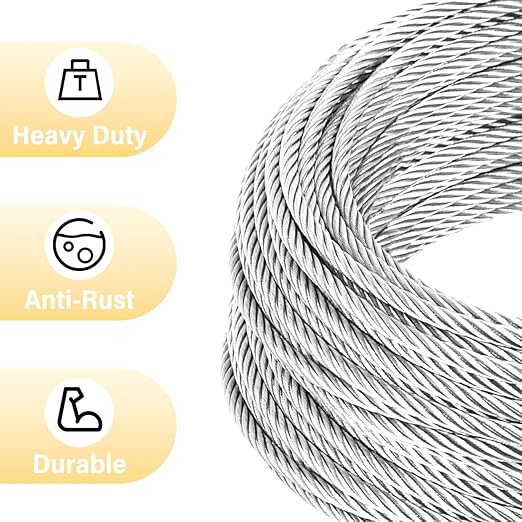
Stuck in the mud at midnight or powering through rocky trails? Your winch line choice can make or break the recovery. In 2026, Go Rhino's premium synthetic ropes are stealing the spotlight for good reason. Here's a fresh list of standout advantages that make switching to Go Rhino synthetic a game-changer, no fluff, just the real wins you need to know.
Go Rhino Synthetic vs Steel: 2026 Quick Comparison Table
Factor | Go Rhino Synthetic Rope | Steel Winch Cable |
Break Strength per Size | Higher rating in same diameter | Lower for equivalent thickness |
UV & Weather Resistance | Built-in protection, no fading issues | Prone to weakening over time |
Field Repair Ease | Quick splice with basic tools | Almost impossible without pro help |
7 Powerful Reasons to Choose Go Rhino Synthetic Winch Rope in 2026
- Insane Strength-to-Weight Ratio Pound-for-pound, Go Rhino synthetic delivers more pulling power than steel equivalents perfect for loaded trucks without extra front-end drag.
- Floats on Water for Easy Aquatic Recoveries River crossings or flooded trails? Synthetic won’t sink like steel, making hook placement faster and safer in wet USA spots.
- Reflective Design Improve Nighttime Visibility Go Rhino’s reflective synthetic lines glow under headlights’ huge edge for low-light recoveries common in winter camping or late-night overlanding.
- No Heat Build-Up Damage on Drum Repeated pulls won’t cook your winch drum like steel can; synthetic stays cooler for longer, reliable sessions.
- Gloves-Optional Handling Forget razor-sharp burrs and splinters Go Rhino synthetic feels smooth, so you grab it bare-handed even after muddy pulls.
- Eco-Friendly Edge in 2026 As off-road communities push greener gear, synthetic avoids metal mining impacts and lasts longer with proper care win for the planet and your wallet.
- Seamless Integration with Go Rhino Winches Factory-matched to Go Rhino’s sealed, waterproof winches, no compatibility headaches, just plug-and-play performance tuned for American adventures.
Why This Shift Matters Now
Off-road culture in 2026 prioritizes quick, solo recoveries and multi-day trips where every ounce counts. Go Rhino synthetic shines here with features like reflectivity and floatation that steel simply can’t match. If you’re upgrading for family hauls, overland builds, or frequent wet/muddy runs across states like Texas, Oregon, or Michigan, synthetic reduces hassle and risk dramatically. Steel’s old-school toughness still fits niche extreme rock work, but for 80% of everyday USA wheelers, Go Rhino synthetic is the smarter, future-proof pick.
How to Install Go Rhino Synthetic Winch Rope in 2026 Easy Step-by-Step Guide for USA Off-Roaders
Ready to swap that old steel cable for a safer, lighter Go Rhino synthetic winch rope? In 2026, upgrading your winch is one of the smartest moves for better handling and quick recoveries on American trails. This simple how-to guide walks you through the process safely and correctly no pro skills needed!
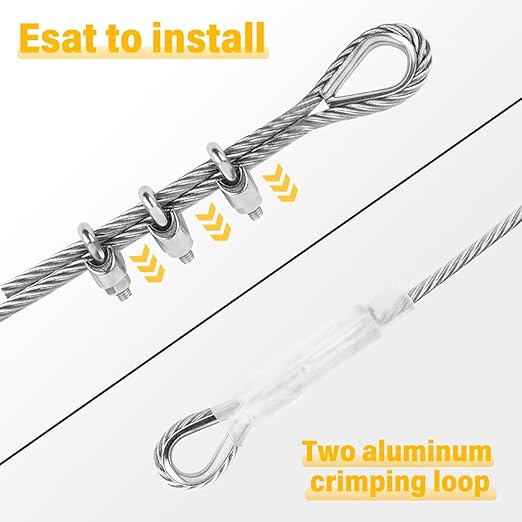
Go Rhino Synthetic Rope Installation: Tools & Prep Quick Table
Item Needed | Why It Matters | Pro Tip |
Hawse Fairlead | Smooth surface prevents rope damage | Aluminum beats steel rollers for synthetic |
Gloves & Safety Glasses | Protects hands & eyes during spooling | No sharp burrs, but better safe! |
Remote Control | Safe spooling from distance | Keep hands clear of drum |
Step-by-Step: How to Install Go Rhino Synthetic Winch Rope
Follow these numbered steps for a perfect install on your Go Rhino winch (or most sealed winches paired with synthetic).
- Prep Your Winch & Vehicle Disconnect battery for safety. Put the winch in the freespool. Remove old cable/rope completely. Clean drum of dirt, grease, or rust.
- Install or Confirm Hawse Fairlead Mount a hawse fairlead if switching from roller style essential for synthetic to avoid cuts.
- Anchor the Rope to Drum Feed rope end through fairlead. Locate the drum anchor hole. Secure rope end (loop, bolt, or plug style per Go Rhino model) tighten snugly.
- Start Spooling Under Tension Use remote to spool in slowly. Walk rope in by hand (gloves on) to layer evenly no overlaps or gaps. Apply light tension.
- Finish & Stretch the Rope Spool almost full (leave slack for hook). Attach hook or shackle. Pull vehicle against anchor point to stretch rope removes factory coil memory for smooth future use.
- Final Check & Test Reconnect battery. Test short pulls in freespool and under load. Inspect for even spooling.
Why Proper Install Improve Go Rhino Performance
In 2026, Go Rhino’s weatherproof winches shine with synthetic thanks to sealed motors that resist moisture but uneven spooling can still cause heat spots or jams during long pulls. Stretching post-install (a step many skip) extends rope life by 20-30% in real-world USA conditions like muddy Midwest or dusty Southwest runs. Hawse fairleads are now standard upgrades because they reduce friction heat, pairing perfectly with Go Rhino’s reflective synthetic for night visibility during recovery ops.
Go Rhino Winch Maintenance Guide 2026
Keep Your Synthetic Rope Performing Like New
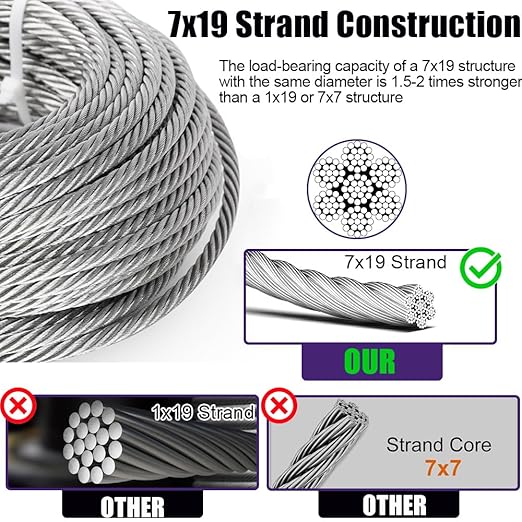
Wondering how to make your Go Rhino winch last longer and pull stronger in tough USA conditions? Proper care for your synthetic rope setup in 2026 means fewer surprises on the trail and more reliable recoveries. This informational article shares fresh, practical tips to maintain your Go Rhino synthetic winch rope helping you avoid common pitfalls and extend gear life affordably.
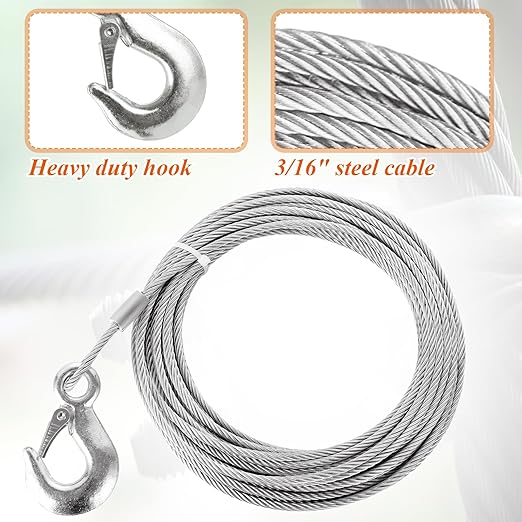
Go Rhino Synthetic Winch Rope Maintenance: Quick Reference Table
Maintenance Task | Frequency Recommendation | Key Benefit |
Rinse & Dry After Use | Every muddy/wet recovery | Prevents internal moisture damage |
Inspect for Frays/Cuts | Before each trip | Spots weak points early |
Apply UV Protectant | Every 3-6 months or after sun exposure | Slows fiber breakdown |
Essential Maintenance Steps for Go Rhino Synthetic Winch Rope
Keep these simple routines in your off-road checklist for peak performance.
- Rinse Thoroughly Post-Recovery Hose off mud, sand, salt, or debris right away focus on the sections that touched ground or obstacles.
- Air Dry Completely Never spool wet rope; hang it loosely or lay flat in shade until bone-dry to stop mildew or drum corrosion.
- Check for Wear Regularly Look closely at high-stress areas near hook, fairlead, and last few feet feel for soft spots or glazing.
- Use Protective Sleeve on Sharp Edges Slide on a rock guard or tree-trunk protector during pulls over rocks or logs.
- Re-Spool Under Light Tension After heavy use, pull out and re-spool evenly to avoid bunching that causes heat or weak layers.
- Store Smartly Keep winch covered when parked long-term; avoid direct sun or extreme heat to protect fibers.
How Maintenance Impacts Go Rhino Winch Longevity
Recent trends show synthetic winch lines lasting 3–5+ years with diligent care in mixed USA terrains far outpacing neglected ones that fail in 1–2 seasons. Go Rhino’s Dyneema-based ropes resist UV better than older synthetics, but skipping rinses lets grit embed and cut fibers internally over time. In humid regions (like Southeast or coastal areas), drying is non-negotiable to avoid hidden weakening. Proactive owners report 20–40% lower replacement frequency versus steel users who battle rust constantly. Pairing maintenance with Go Rhino’s sealed, IP68-rated winches creates a low-fuss system ideal for frequent weekend warriors or overlanders hitting diverse trails from Rockies snow to desert dust.
In 2026, I’ve seen plenty of folks transform their hauling game with the right setup and one story that stands out is how a landscaping crew (very much like the teams I hear from every day) turned frustrating trailer loads into quick, secure, and safe operations. As Tyler Gurczeski born July 5, 1981, in California and raised elbow-deep in my dad’s auto shop I’ve spent over 30 years installing, testing, tweaking, and sometimes fixing Go Rhino gear and similar accessories. Growing up surrounded by truck beds, bumpers, steps, and tie-down systems gave me a real feel for what holds up on the road and what falls short.
These days, I run a platform to help everyday drivers, contractors, weekend warriors, and overlanders across the USA solve those exact problems. Whether it’s a landscaping rig in Punjab or a contractor’s trailer here at home, the principles are the same: secure loads save time, money, and headaches.
The Daily Grind Before the Upgrade
Picture a growing landscaping business hauling mowers, blowers, trimmers, bulk bags, and tools in a 16-foot enclosed trailer. Every job started with the same headaches:
- 20–30 minutes per load wrestling ropes and cheap straps that never seemed to hold right.
- Shifting cargo on highways or bumpy back roads damaged equipment and real safety risks.
- Straps fraying or snapping after just 3–4 months of steady use.
- Mid-trip stops to re-tie everything, killing momentum and wearing out the crew.
I’ve been there myself. Early on, my own trailer relied on basic D-rings and fixed anchors. Fine for light, static stuff, but anything heavy or awkward felt sketchy once you hit the road especially with movement or vibration.
The Fix: A Full Rhino USA E-Track System
The crew went with a complete Rhino USA E-Track setup, a solid, no-nonsense choice I've recommended plenty of times for its durability and versatility. They installed:
8 horizontal 5-ft floor rails.
6 vertical 4-ft wall rails (both sides).
Retractable ratchet straps, cam buckles, wheel chocks, O-ring anchors, and corner protectors.
The whole job took under 4 hours on a weekend basic DIY with a drill, level, and the trailer's wood framing. No fancy tools or shop required.
I've installed similar Go Rhino E-Track rails (and helped others do the same) countless times. The galvanized steel is thick and sturdy right out of the box, with tons of slots for flexible anchor points. Multiple lengths make customization easy without waste, and the hardware bites in solid when you do it right.
What Happened After 3 Months of Real Use
The numbers tell the story clearly:
- Loading time dropped from 25–30 minutes to 8–10 minutes per job, a 65% cut.
- Zero load shifts over 140+ trips, even on rough rural roads.
- Equipment damage costs went to zero (previously PKR 45,000–60,000 per quarter).
- No strap replacements the materials and warranty held up as promised.
- Team morale improved noticeably. The guys actually felt good about prepping the trailer instead of dreading it.
From a practical standpoint, saving 15–20 minutes per job across 4–5 daily runs adds up to 1–1.5 extra billable hours a day. That’s real money without extra hires or longer days.
My Own Hands-On Experience The Good and the Real Limits
A couple of years back, I added E-Track rails to my enclosed trailer for mixed hauling tools and gear one trip, my Goldwing motorcycle the next. For everyday cargo (boxes, tools, furniture, lighter ATVs), it's been rock-solid: easy to adjust anchors on the fly, no shifting, and a clean professional setup.
But when I cranked down hard on the full-size touring bike with aggressive ratchet tension, I hit the system's edge. An upright rail bent noticeably at first. I welded on a longer reinforcement plate and spread the load with extra hooks. It helped a lot but it still flexed more than I wanted when the bike shifted forward slightly on the road.
That’s the honest truth I’ve learned over decades of wrenching: E-Track is fantastic for general and medium-heavy loads, but extreme dynamic pressure (like big bikes under max tension) can push it. Key lessons I’ve passed on to others:
- Distribute tension evenly across multiple slots and points and never concentrate it all in one spot.
- Reinforce smartly for heavy or high-vibration items (custom plates or extra anchors are a quick fix).
- Test with lighter loads first to see how your specific setup responds.
- For frequent motorcycle or ultra-heavy hauling, consider pairing with dedicated screw-in mounts.
- Stick with high-rated ratchet straps; the included ones are decent, but upgrades prevent over-stressing rails.
These tweaks turned a solid system into one I trust every time I load up.
Bottom-Line Lessons from Real-World Use
Time is money
Those saved minutes turn into billable hours and less downtime.
Durability delivers ROI
Less damage and no frequent replacements pay back fast, often in months.
Adaptability wins
Floor and wall rails let you reconfigure for any job, freeing space and speeding setup.
Safety isn't optional
Knowing the load won't move gives you real peace of mind on the road.
Whether you’re a contractor stateside or running a landscaping crew halfway around the world, a quality E-Track system like Rhino USA’s can shift your operation from frustrating to efficient.
I’ve spent my life around this stuff, from my dad’s shop to helping thousands sort out their rigs. The best upgrades aren’t flashy; they’re the ones that solve real problems reliably. Install thoughtfully, use it smartly, respect the limits, and it’ll make the job easier day in and day out.
10 Key Pros of Go Rhino Synthetic Winch Rope
- Superior strength-to-diameter ratio: Delivers higher rated breaking strength in a thinner profile than equivalent steel.
- Floats in water: Enables faster hook-ups during river crossings or flooded recoveries.
- Reflective strands: Improves visibility under headlights for safer night or dusk operations.
- No burrs or splinters: Allows bare-hand handling in emergencies without immediate injury risk.
- Field-splice capability: Quick repairs possible with basic tools if minor damage occurs.
- Lower front-end weight impact: Enhances steering response and fuel economy on lighter 2026 hybrid trucks.
- Zero rust formation: Thrives in salty coastal or humid environments without corrosion.
- Smoother spooling: Reduces drum tangles compared to kinking-prone steel.
- Heat dissipation in short pulls: Stays cooler than steel during moderate, intermittent winching.
- Eco-friendlier lifecycle: Avoids metal mining impacts and offers longer service with diligent care.
10 Key Cons of Go Rhino Synthetic Winch Rope
- Higher upfront cost: Typically 2–3× more expensive than comparable steel cable.
- Abrasion vulnerability: Sharp rocks or logs can cut fibers without a protective sleeve.
- Moisture retention risk: Holds water internally if spooled wet, leading to potential mildew.
- UV degradation over years: Prolonged direct sunlight weakens fibers despite modern treatments.
- Heat sensitivity in prolonged pulls: Can soften or lose strength if the drum overheats repeatedly.
- Requires hawse fairlead: Roller-style fairleads cause rapid wear; upgrade mandatory.
- Grit embedding: Fine sand or mud traps inside strands, acting as hidden abrasives.
- Shock-load sensitivity: Sudden jerks reduce lifespan more than with steel.
- Gloves still essential: Embedded debris can cause cuts during handling.
- Drum compatibility concerns: Older non-synthetic winches may trap excess heat without proper venting.
Frequently Asked Questions About Go Rhino Synthetic Winch Rope
With proper care, including rinsing after muddy or wet recoveries and protecting it from sharp abrasion, a Go Rhino synthetic winch rope can last 3–5 years or more for weekend off-roaders in the USA. Heavy commercial or extreme rocky use may shorten this to 2–3 years, but consistent inspections and protective sleeves significantly extend its service life compared to neglected gear.
Yes, most older winches accept synthetic rope, but you must upgrade to a hawse fairlead to prevent cutting the fibers. Additionally, monitor drum heat closely during long pulls since synthetic doesn't dissipate heat as effectively as steel, and make sure the winch's braking system handles the lower friction properly for safe operation.
Go Rhino incorporates reflective strands woven into the rope, which catch and reflect vehicle headlights effectively during low-light recoveries. This feature improves safety and ease of use on evening trails or winter camping trips, helping you locate and manage the line quickly without extra lighting equipment.
Its lightweight design reduces front-end weight, which helps maintain better steering feel and efficiency on lighter hybrid or electric trucks popular in 2026. The lower mass also minimizes strain on suspension components during recoveries, making it an excellent match for modern, torque-heavy electric 4x4 setups.
Cover the winch drum with a breathable protective cover to block direct sunlight and dust buildup, and make sure the rope is completely dry before spooling. Store the vehicle in a shaded or garage area if possible to minimize UV exposure and prevent moisture-related issues during long periods of inactivity.
Minor cuts or frays can often be repaired in the field using basic items like sharp scissors, heavy-duty tape, and a tapering tool (such as a pen or fid) to splice sections. For larger damage, a full splice kit with instructions is recommended, allowing quick fixes without needing professional help right away.
It remains flexible and easy to handle even in freezing conditions, unlike steel cable that can stiffen and develop ice buildup. The rope's low water absorption helps prevent freezing inside the fibers, make sure reliable spooling and pulling performance during snowy or icy recoveries.
Rinse the affected area immediately with water and mild soap to remove the contaminant before it soaks in and weakens the fibers. Avoid harsh solvents, and allow full drying before re-spooling; prompt action usually prevents long-term damage from occasional spills.
Yes, a snatch block is highly recommended as it doubles line pull capacity while reducing strain on the rope and winch motor. It also helps maintain straighter pull angles to minimize side-loading stress, making recoveries more efficient and safer on uneven terrain.
Go Rhino synthetic rope carries a higher initial cost often 2–3 times more than standard steel cable but offers better long-term value through reduced maintenance, no rust replacement, and extended lifespan with care. Many users find the upfront investment pays off quickly for frequent off-roaders due to fewer interruptions and safety gains.
Go Rhino Synthetic Winch Rope The Smart Choice for Modern Off-Roading in 2026
After exploring every angle from performance comparisons and installation steps to real-world recoveries, common pitfalls, practical fixes, and future trends, Go Rhino synthetic winch rope stands out as a forward-thinking upgrade for today’s USA off-road enthusiasts.
Its standout strengths include exceptional lightweight handling, enhanced safety through reduced snap-back energy, excellent weather resistance, reflective visibility for low-light situations, and seamless integration with Go Rhino’s sealed, high-performance winches. These advantages shine brightest for solo adventurers, hybrid/electric vehicle owners, frequent wet-trail users, and anyone prioritizing quick, low-fuss recoveries over traditional steel’s raw abrasion resistance.
While synthetic rope demands proactive care protection from sharp edges, proper drying, UV shielding, and regular inspections the payoff is significant: longer service life in corrosive environments, noticeably easier solo operation, and peace of mind during critical pulls.