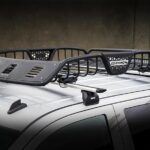
Go Rhino SR40 in USA 2026
January 8, 2026
Check Your Tire Pressure at a Gas Station Go Rhino
January 10, 2026What Is the Go Rhino SRM600 Roof Rack and Why Is It Popular in 2026?
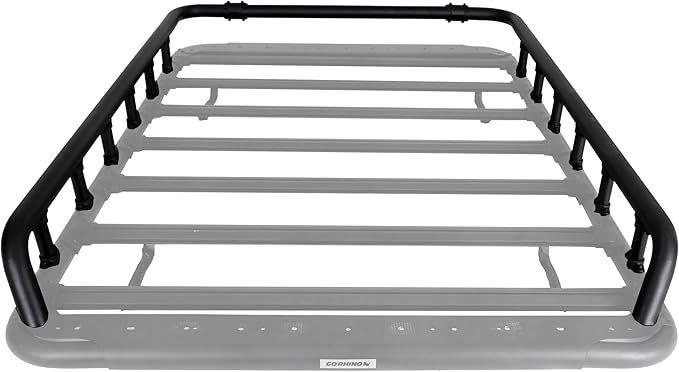
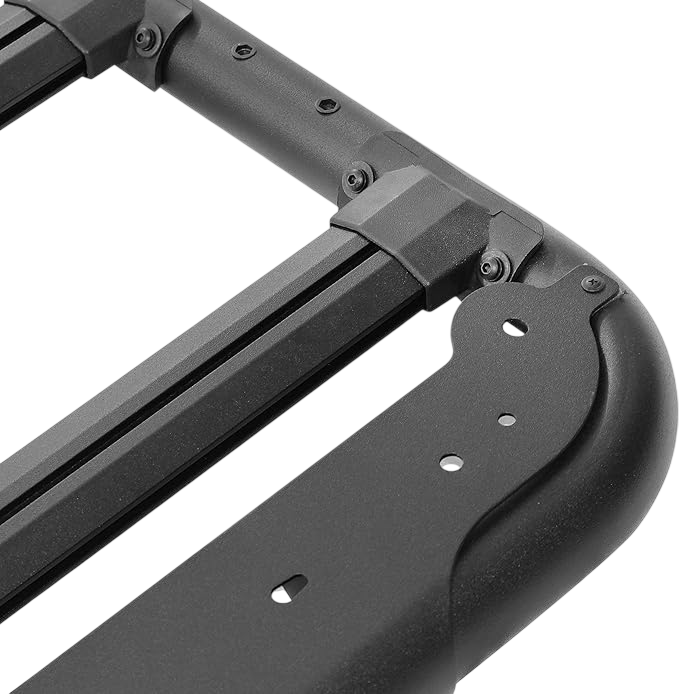
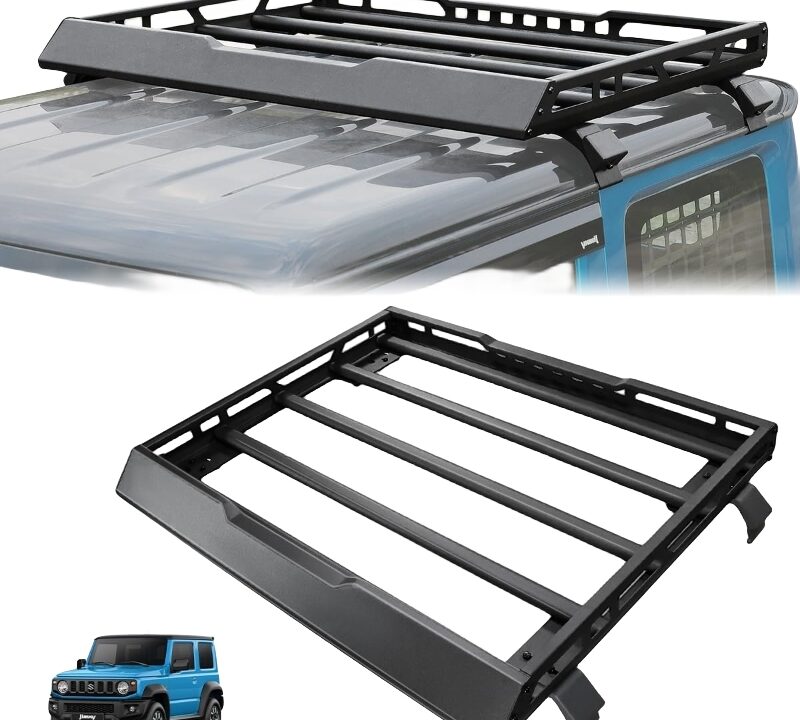
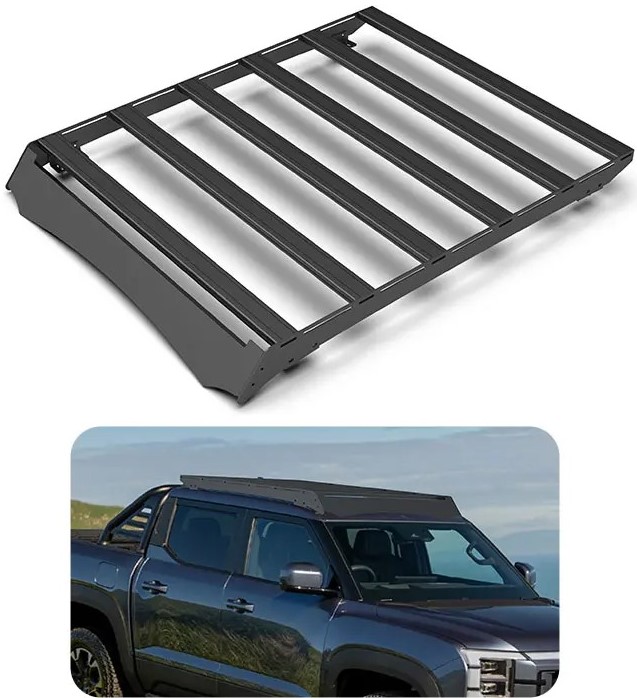
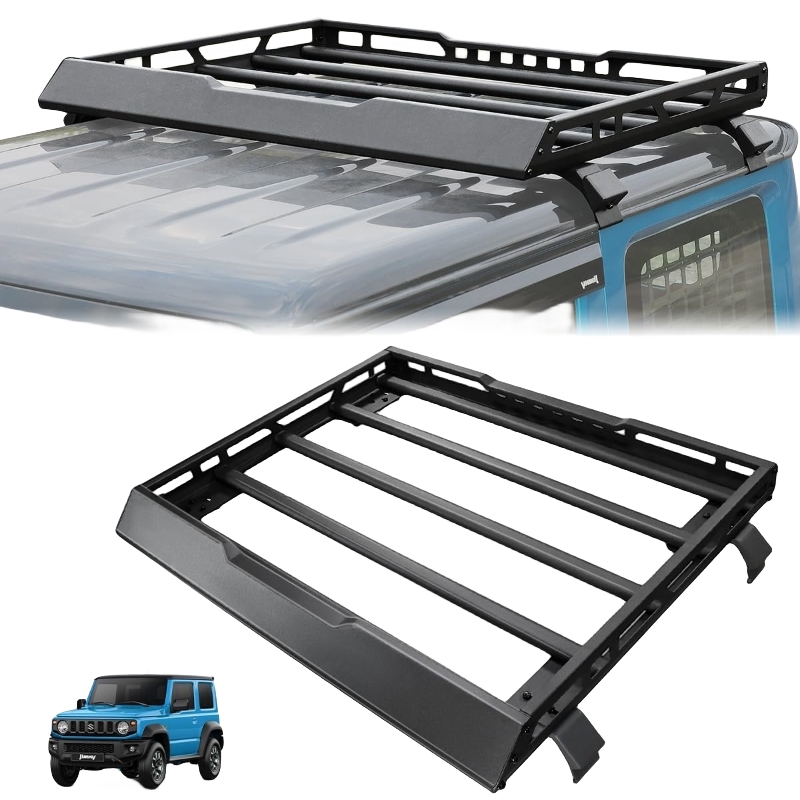
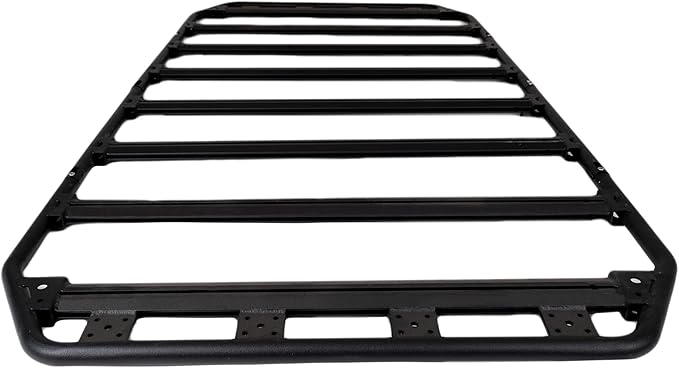
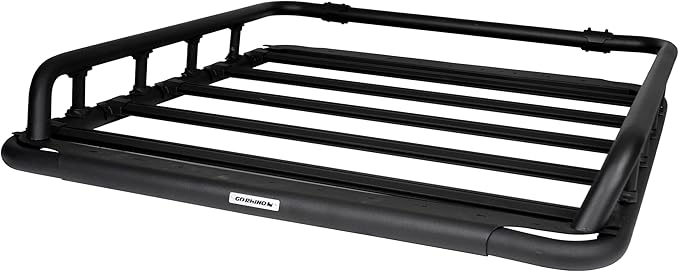
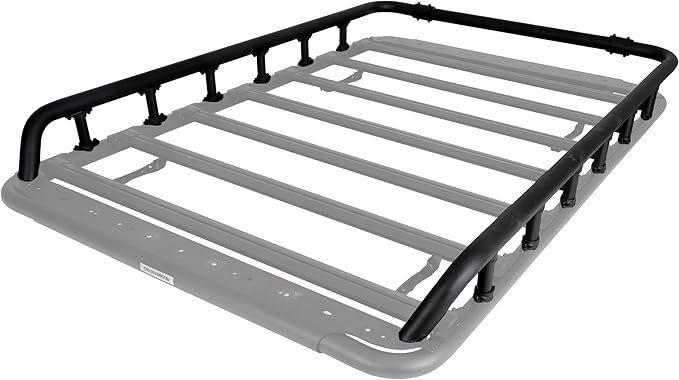
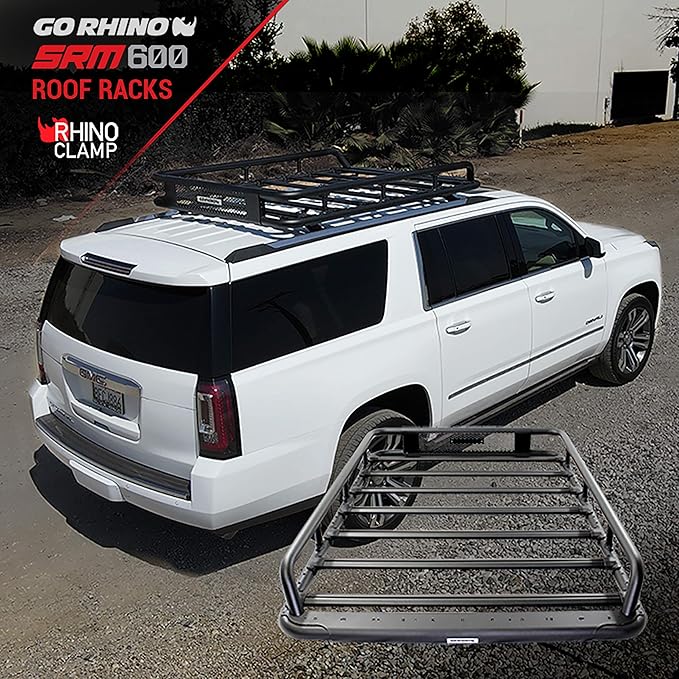
The Go Rhino SRM600 Roof Rack is a basket-style cargo rack designed for trucks and SUVs that need extra storage space for outdoor gear. It is commonly used by overlanders, campers, and drivers who travel long distances with equipment that cannot fit inside the vehicle.
In 2026, roof racks are becoming more popular because people are choosing road trips, camping, and off-road exploration across the USA. A reliable rack allows drivers to carry tents, recovery gear, fuel containers, and camping tools safely on the roof.
Key highlights of the SRM600 include:
- Lightweight aircraft-grade aluminum construction
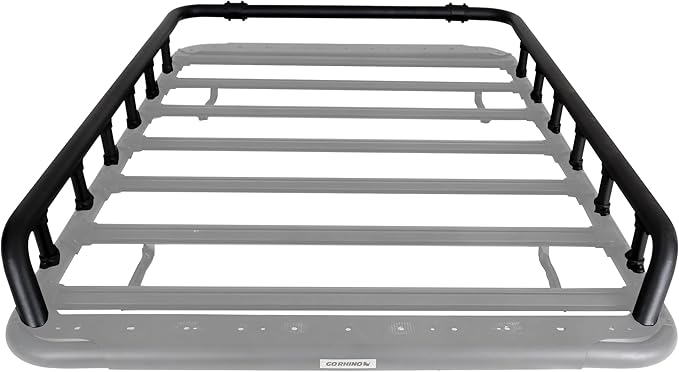
- Three-sided basket design that keeps gear secure
- Black powder-coated finish for weather resistance
- Multiple crossbars with 4-CORE accessory channels
- Compatibility with many trucks and SUVs
- Limited lifetime structural warranty
Because of its flexible mounting system and strong design, the SRM600 is often considered a practical upgrade for adventure vehicles.
How Does the Go Rhino SRM600 Compare With Other Roof Racks in 2026?
Many drivers compare roof racks before purchasing one. Basket racks, modular platforms, and low-profile systems all serve slightly different purposes.
Below is a simple comparison between some popular roof rack options.
Basket-Style Roof Rack Comparison Table
Roof Rack Model | Material | Key Advantage |
Go Rhino SRM600 | Aluminum | 4-CORE channels for easy accessory mounting |
Rhino-Rack Pioneer Platform | Aluminum | Large modular platform for gear |
Thule Canyon Basket | Steel | Expandable basket sides |
Prinsu Roof Rack | Aluminum | Low-profile modular design |
Yakima LoadWarrior | Steel | Simple basket with extension options |
ARB Base Rack | Aluminum | Lightweight platform design |
Important comparison insights:
- Aluminum racks are lighter and corrosion resistant
- Basket racks help secure loose gear
- Platform racks provide flat cargo mounting space
- Modular systems allow custom accessory setups
For users who want both cargo containment and mounting flexibility, the SRM600 sits in the middle ground.
Which Accessories Work Best With the Go Rhino SRM600 Roof Rack?
Accessories make a roof rack much more useful. The SRM600 allows many tools and outdoor gear systems to be mounted directly on the crossbars.
Below are some popular accessories used with this rack.
Accessory | Main Purpose | Ideal Use |
LED Light Bar | Improves night visibility | Off-road driving |
Quick Fist Clamps | Holds tools securely | Shovels and axes |
Rooftop Tent | Elevated sleeping setup | Camping trips |
Retractable Awning | Shade and shelter | Campsites |
Recovery Boards | Vehicle traction | Sand or mud |
Fuel/Water Containers | Extra supplies | Remote travel |
Cargo Net | Holds smaller gear | Bumpy trails |
These accessories turn a simple roof rack into a complete overlanding storage system.
How Do You Install the Go Rhino SRM600 Roof Rack Step by Step?
Installing the SRM600 is usually straightforward and does not require drilling if your vehicle already has crossbars.
Basic installation steps include:
Step 1: Prepare the rack components
- Unpack the rack frame and crossbars
- Check all bolts and mounting hardware
Step 2: Attach crossbars
- Install crossbars loosely onto the frame brackets
- Align them with mounting points
Step 3: Position the rack
- Carefully place the rack on your vehicle’s roof crossbars
- Center the rack for balanced weight distribution
Step 4: Secure mounting clamps
- Attach the included U-bolt clamps
- Tighten hardware evenly
Step 5: Final adjustments
- Check alignment on both sides
- Tighten all bolts using proper torque
Installation tips:
- Always check vehicle roof load rating
- Re-tighten bolts after the first 100 miles
- Use ratchet straps when securing cargo
What Problems Can Occur With the Go Rhino SRM600 Roof Rack and How Can They Be Solved?
Although the rack is generally reliable, users may face a few common challenges.
Possible issues and solutions include:
Loose mounting hardware
- Cause: vibration during driving
- Solution: check bolts regularly and use a torque wrench
Reduced fuel efficiency
- Cause: added wind resistance
- Solution: remove rack when not needed or use fairings
Cargo shifting during rough trails
- Cause: poor tie-down technique
- Solution:
- use ratchet straps
- secure gear at multiple points
- add rubber padding
- use ratchet straps
Height clearance problems
- Cause: rack increases vehicle height
- Solution:
- measure total height before entering garages
- remove rack for city driving if necessary
- measure total height before entering garages
Most of these problems are easy to prevent with proper setup and maintenance.
Are Common Roof Rack Myths True or False in 2026?
Many drivers hesitate to install roof racks because of common misconceptions.
Let’s review a few myths.
Myth 1: Roof racks create extreme wind noise
Fact: modern designs include fairings that reduce airflow noise.
Myth 2: Aluminum racks are weak
Fact: high-grade aluminum provides excellent strength while remaining lightweight.
Myth 3: Roof racks destroy fuel economy
Fact: most users experience only a small reduction when the rack is empty.
Myth 4: Installation requires drilling
Fact: many racks use clamp systems and factory mounting points.
Myth 5: Basket racks always loosen over time
Fact: quality racks remain stable with periodic bolt checks.
Understanding these facts helps drivers make better decisions when upgrading their vehicles.
What Should You Consider Before Buying the Go Rhino SRM600 Roof Rack?
Before buying a roof rack, it is important to evaluate a few key factors.
Important buying considerations:
Vehicle compatibility
- Confirm your vehicle has roof rails or crossbars
- Measure crossbar spacing before purchasing
Rack size options
Available SRM600 lengths:
- 55 inches – compact vehicles
- 65 inches – mid-size SUVs and trucks
- 75 inches – full-size vehicles
Load capacity
- Dynamic load: about 150 lbs
- Always check vehicle roof limits
Accessory needs
Choose a rack that supports:
- lights
- camping gear
- recovery tools
- storage containers
My Real-World Test: Pushing the SRM600 on a 2025 Overland Expedition
Last year, I bolted the 65-inch version onto my full-size SUV for a two-week adventure spanning highways, rugged forest service roads, and remote campsites across several states. I loaded it heavy just like I know you guys do:
- Rooftop tent for those epic elevated camps
- Recovery boards, hi-lift jack, and tools mounted right in the channels
- Extra fuel and water cans plus a big cooler for self-sufficiency off-grid
- Awning and LED lights for quick, comfortable base camps
It handled everything flawlessly: rock-solid at highway speeds, no issues through dust, rocks, mud splatter, or uneven terrain. Setup and takedown at campsites was fast thanks to the easy-access mounts, and I got home with zero damage or loosened gear. This rack turned my rig into a true exploration machine without cluttering the interior or hurting fuel efficiency.
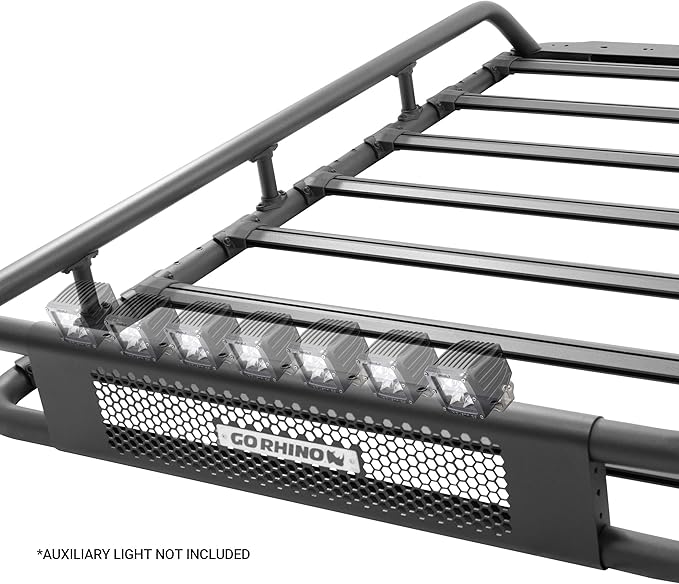
Go Rhino builds these from lightweight aircraft-grade aluminum with a tough textured black powder-coat finish, complete with 6-inch tubular sides for secure tie-downs and pre-drilled spots for lights. But the game-changer is their exclusive 4-CORE extruded channels; they accept standard 1/4-20 bolts, so you can mount pretty much anything without adapters.
What I’ve Learned After Months (and Years) of Abuse
Having worked with Go Rhino products since I was a kid in the shop, I knew the SRM600’s modularity would shine and it has. On bumpy washboard trails, branch scrapes, and heavy loads pushing the limits, it takes the abuse like a champ.
My favorite parts:
- Insane versatility: Those 4-CORE channels make mounting Quick Fist clamps, traction boards, tools, or jacks a breeze no proprietary nonsense.
- Built tough: Lightweight but rugged aluminum construction holds up way beyond expectations for serious overlanding.
- Practical basket design: The tubular sides keep gear from sliding, with plenty of tie-down points for secure loads.
That said, I’ve installed enough of these to know they’re not perfect out of the box every time. Shipping can be rough. Mine arrived with a battered box and a few chipped plastic end caps (nothing structural, but annoying). Quality control on the extruded channels varies; I had to file or deepen a handful of T-slot holes with a drill for bolts to seat perfectly. And on my wider factory crossbars (about 48 inches spacing), the included clamps needed extra careful adjustment for optimal support.
Who This Roof Rack May Not Be Ideal For
If your vehicle has very wide factory crossbar spacing or you prefer a completely bolt-on install with zero tweaks, this might not be the best fit. It’s also not the lightest option if you’re strictly minimizing roof weight for extreme fuel efficiency.
Pro Tips from 30+ Years in the Shop:
Pros
- Do measure your crossbar spacing exactly before ordering it fits best on closer setups.
- Do pre-assemble on the ground and balance the weight evenly.
- Do re-check torque on all bolts after the first 100 miles and periodically.
Cons
- Don't skip inspecting the channels right away, keep basic tools handy for minor tweaks.
- Don't overload past Go Rhino's dynamic/static ratings (always check the latest specs).
Solid Warranty Backing: It’s covered by a strong 5-year warranty on the finish and lifetime coverage on materials and workmanship when installed properly.
Key Takeaways from My Experience
After decades with Go Rhino and pushing this rack hard:
- The 4-CORE system is a huge win for custom overland setups faster and more flexible than most competitors.
- It excels on mixed terrain, giving you real self-sufficiency without compromises.
- Compatibility matters double-check your crossbars and be ready for possible small DIY fixes.
- For heavy-duty users like us overlanders, it’s a reliable upgrade if you want maximum mounting options.
In a sea of racks from Prins, Yakima, Thule, and others, the SRM600 stands out for its innovative channels and proven durability especially when you know how to install and tweak it right.
10 Pros of the Go Rhino SRM600 Roof Rack
- Offers strong limited lifetime structural warranty for long-term reliability.
- Provides multiple length options (55", 65", 75") to suit different vehicle sizes.
- Features pre-drilled holes for straightforward light mounting.
- Includes Quick Fist compatibility for secure tool storage.
- Delivers corrosion-resistant textured black powder-coat finish.
- Supports standard hardware mounting in channels for broad accessory options.
- Uses injection-molded nylon junctions for durable connections.
- Maintains front fairing design that aids airflow management.
- Allows tie-down points on slotted crossbars for easy gear anchoring.
- Fits various vehicle types with available specialized mounting kits.
10 Cons of the Go Rhino SRM600 Roof Rack
- May interfere with removable roof panels on longer models.
- Requires additional kits for vehicles lacking factory crossbars.
- Adds noticeable vehicle height, risking low-clearance issues.
- Involves potential assembly adjustments for part alignment.
- Limits dynamic load to around 150 lbs, restricting heavier setups.
- Exposes open basket design to weather without covers.
- Costs in mid-to-higher range compared to basic carriers.
- Demands periodic hardware inspections to prevent loosening.
- Increases wind resistance when fully loaded.
- Needs extra adapters for some non-standard accessories.
10 FAQs About the Go Rhino SRM600 Roof Rack
Yes, the Go Rhino SRM600 is backed by a limited lifetime warranty on structural components and a 5-year warranty on the textured black powder-coat finish. This coverage protects against manufacturing defects under normal use, giving owners peace of mind for long-term overlanding and daily driving.
The rack arrives with a durable factory powder-coat, but many owners successfully apply custom colors using proper surface prep and automotive-grade paint or bedliner. Always lightly scuff the original finish and use high-quality products to maintain weather resistance and avoid chipping.
Absolutely, the channeled crossbars and flat mounting surfaces make it easy to secure flexible or rigid solar panels with standard clamps or custom brackets. Users commonly mount 100-200W panels for off-grid charging without compromising the rack’s load rating.
It handles touchless car washes well due to its secure clamp system and smooth surfaces, but avoids brush-style washes that could snag on edges or accessories. A quick rinse and manual drying afterward helps prevent water spots on the powder-coat finish.
Yes, the universal clamp design and available vehicle-specific kits allow most owners to move the rack to a new truck or SUV with minimal additional parts. This makes it a smart investment for those who upgrade vehicles regularly.
In most cases, the aluminum construction and open design cause no noticeable interference with roof-mounted antennas or satellite domes. Positioning the rack carefully around factory shark-fin antennas usually eliminates any minor signal concerns.
No, the SRM600 is designed for DIY installation with basic hand tools and clear instructions included in the box. Most owners complete the setup in under two hours, though having a second person helps when lifting it into place.
The open three-sided structure allows snow to pass through rather than accumulate heavily, reducing extra weight in winter conditions. Regular clearing of channels and crossbars prevents ice from forming in mounting points during cold-weather use.
Yes, many owners use locking cable systems or individual accessory locks that thread through the channels to deter theft at trailheads or campsites. This added security layer is especially useful for expensive recovery gear or lighting.
Replacement crossbars, clamps, hardware kits, and even individual side rails are available directly through Go Rhino or authorized dealers. These parts support making sure the rack can be repaired cost-effectively after years of rugged use.
Is the Go Rhino SRM600 Roof Rack Right for You in 2026?
After exploring its features, real-world performance, compatibility, maintenance needs, and common challenges, the Go Rhino SRM600 roof rack stands out as a versatile and dependable choice for USA overlanders who value customization and durability without excessive complexity or cost.
It excels in providing a lightweight yet robust platform that adapts to a wide range of vehicles and adventure styles, from weekend getaways to extended expeditions. The innovative channeled design, solid warranty coverage, and broad accessory support make it future-ready for evolving trends like solar integration and modular gear systems.