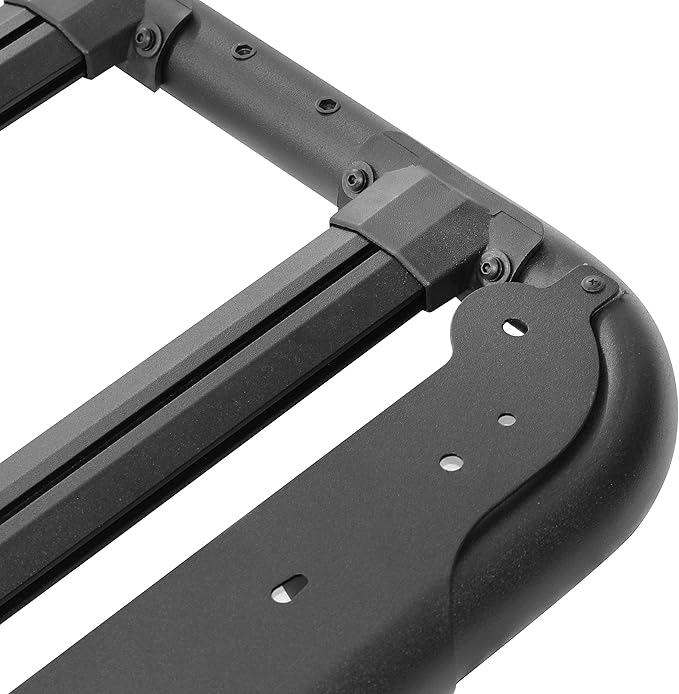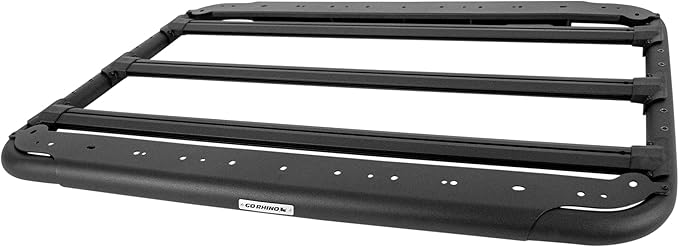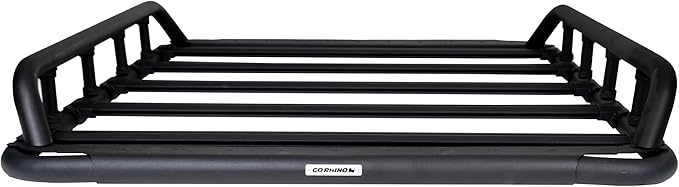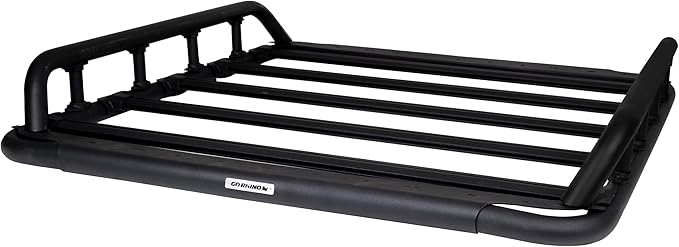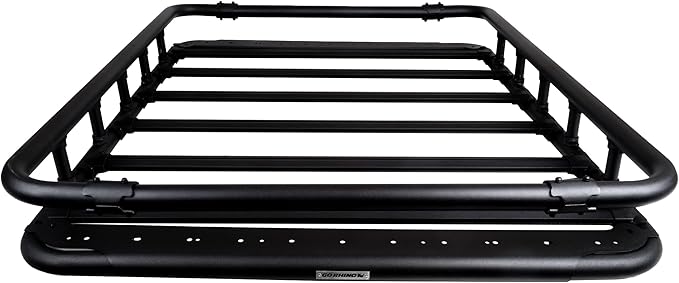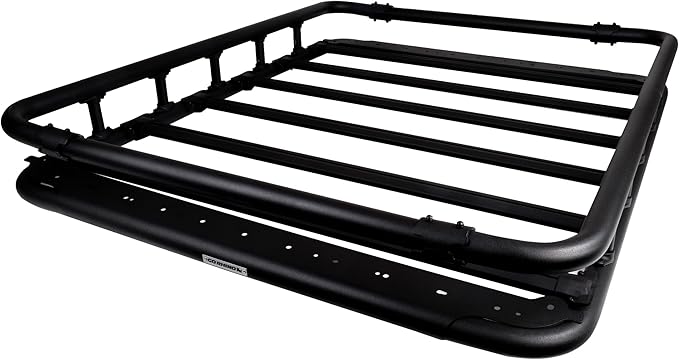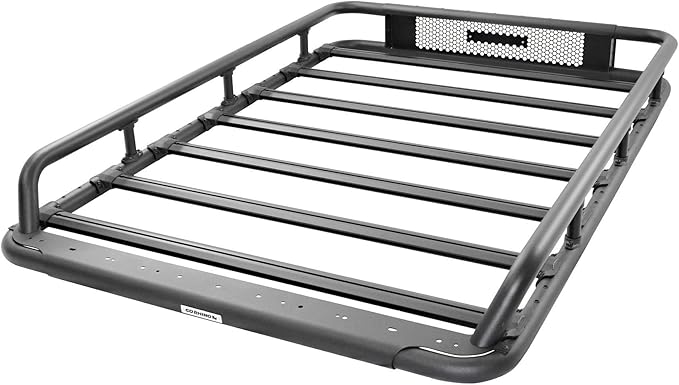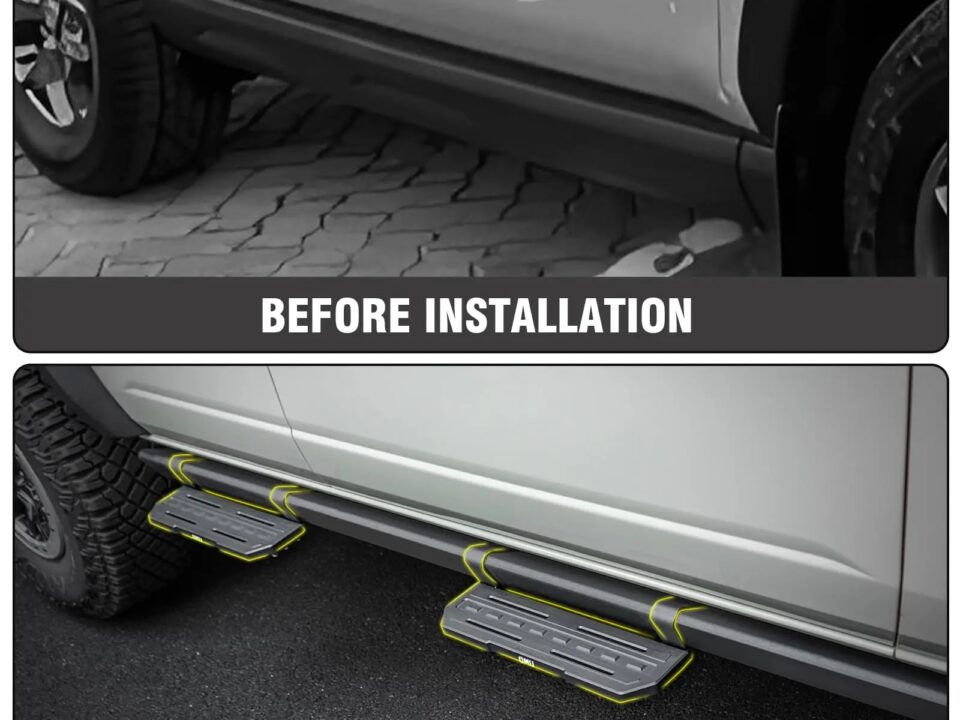
Go Rhino SRM100 Roof Rack in USA 2026
January 7, 2026
Go Rhino RB20 Slim Running Boards in USA 2026
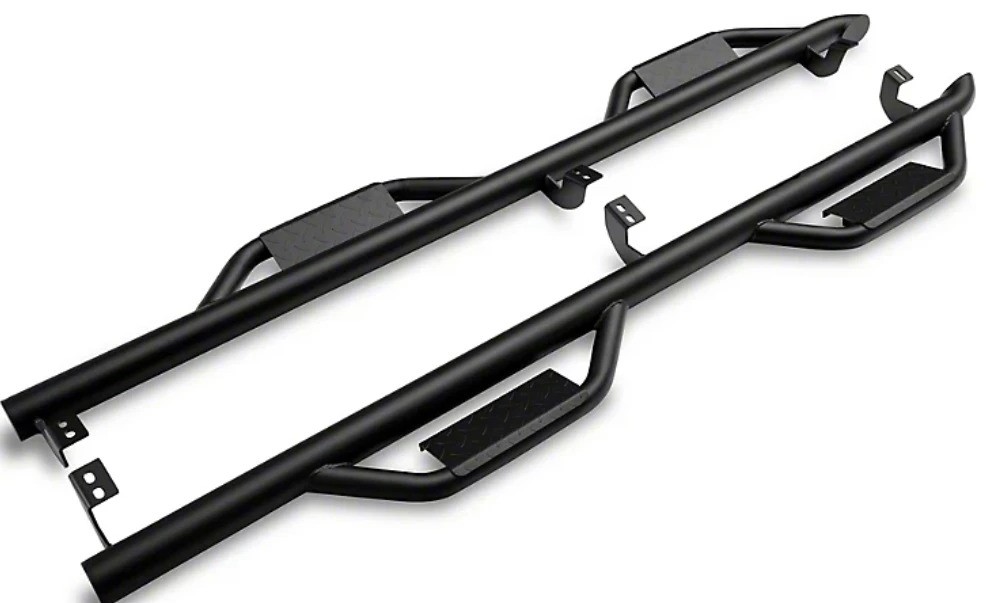
January 8, 2026Why Choose GO Rhino SRM 500 for Your 2026 Ride?
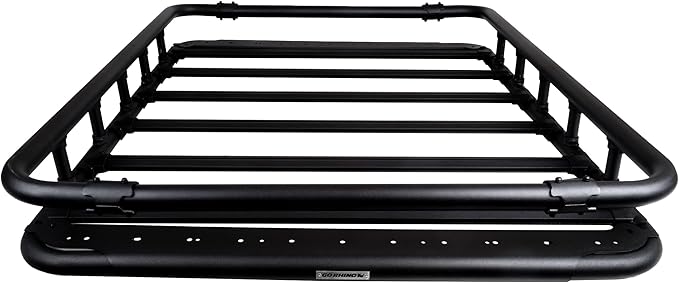
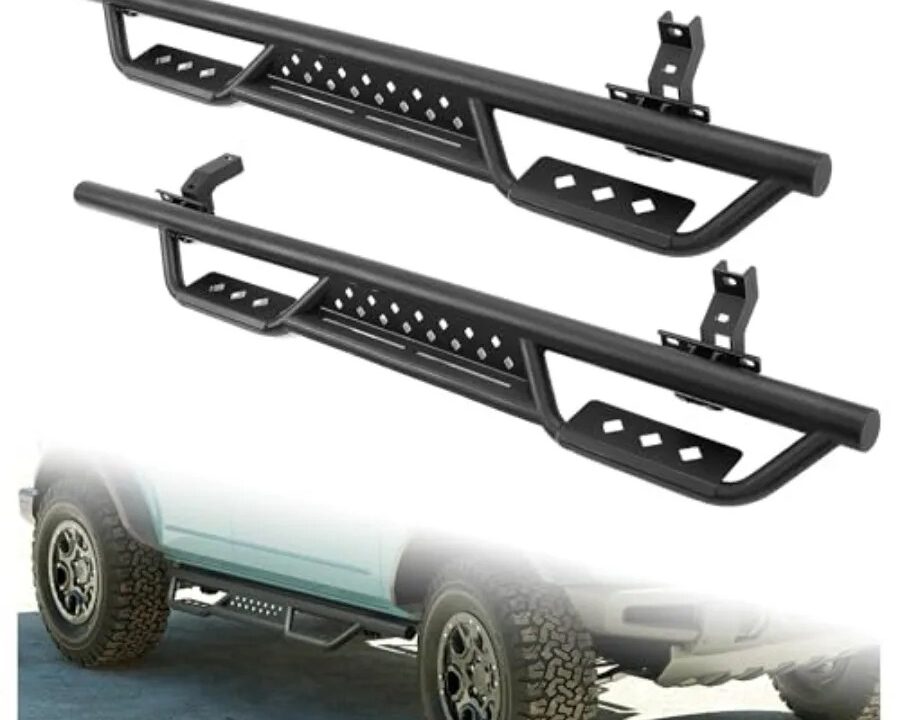
Ready to elevate your off-road adventures? The GO Rhino SRM 500 series is designed for 2026 models in the USA, offering unmatched durability and sleek looks. Whether you're tackling trails or cruising highways, these accessories deliver.
Built Tough: Made from heavy-duty steel with a black powder coat finish for rust resistance.
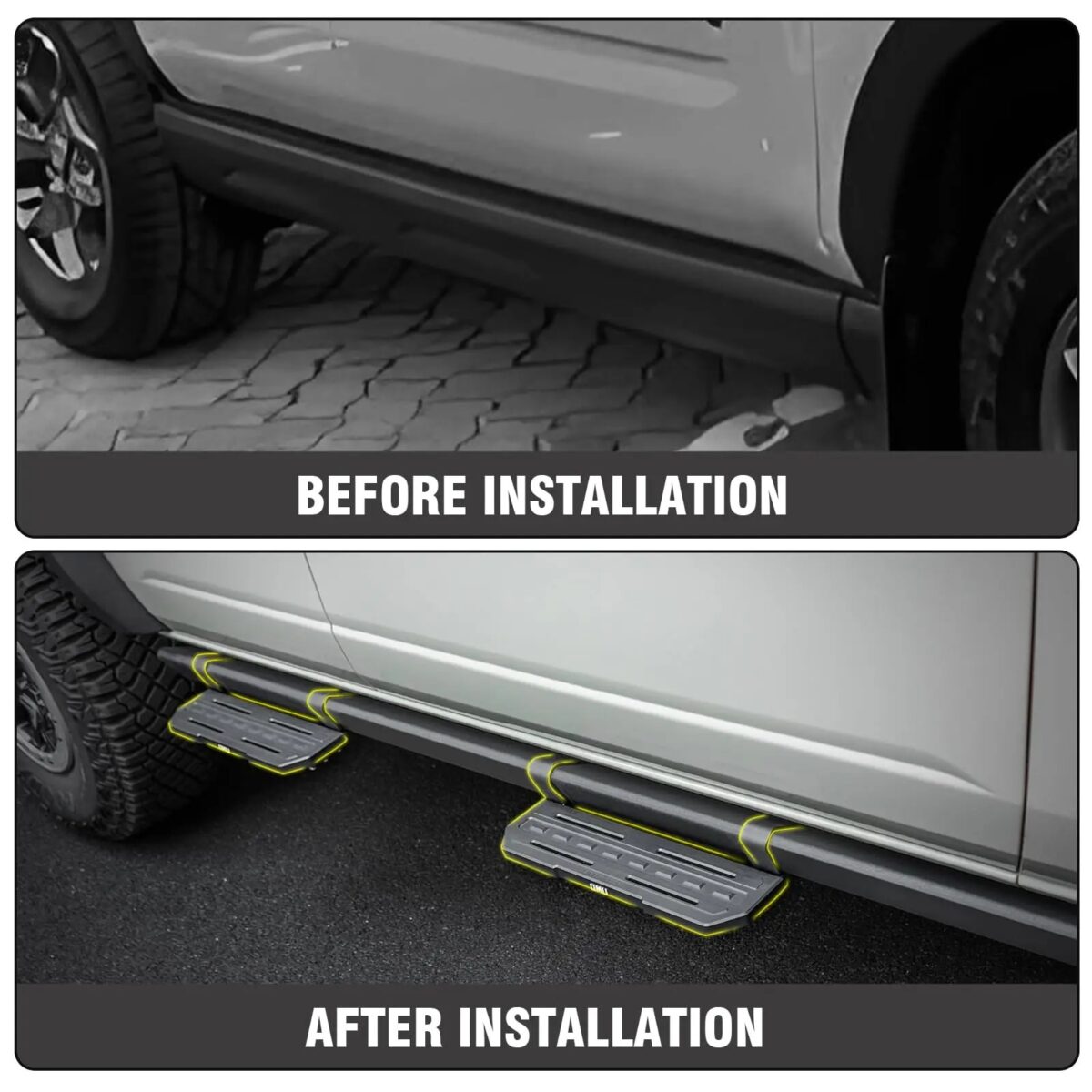
Easy Install: Bolt-on design fits most popular trucks and SUVs without drilling.
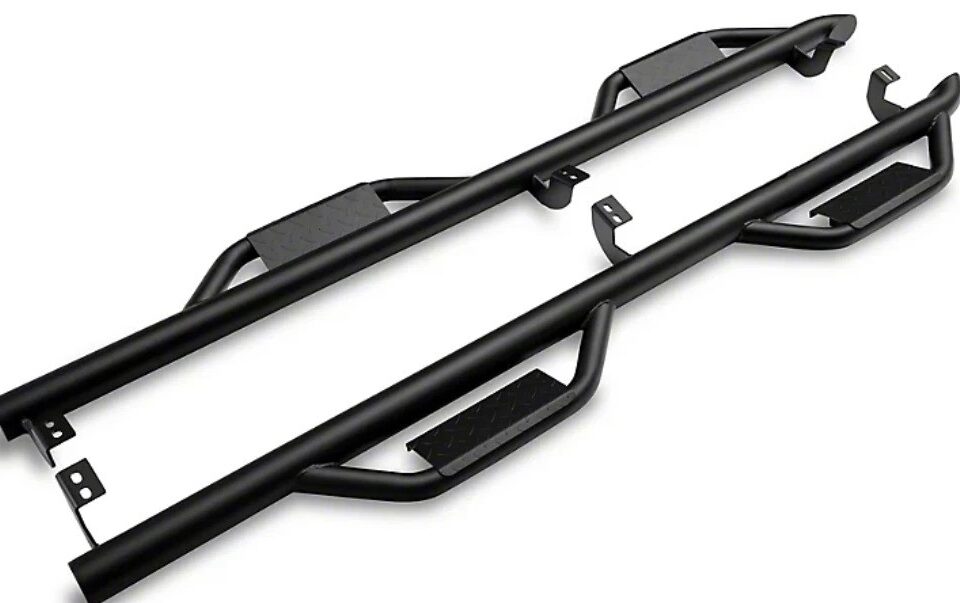
Versatile Options: Includes side steps, rock sliders, and nerf bars adjust for 2026 vehicles.
Key Features of GO Rhino SRM 500 in the USA
Looking for the best in protection and performance? Here’s what sets the SRM 500 apart for your 2026 setup:
- Superior Grip: Textured step pads make sure safe entry and exit, even in mud or rain.
- Impact Protection: Shields your rocker panels from rocks and debris on rugged terrains.
- Custom Fit: Engineered specifically for 2026 models like Ford F-150, Chevy Silverado, and more.
- Lifetime Warranty: Backed by GO Rhino’s commitment to quality peace of mind included.
Benefits for Your 2026 Adventures in the USA
How does the GO Rhino SRM 500 improve your driving experience? It combines style, safety, and functionality seamlessly.
- Enhanced Safety: Reduces slip risks and protects against underbody damage.
- Improve Style: Gives your vehicle a rugged, aggressive look that turns heads.
- Increased Resale Value: Premium accessories like these appeal to future buyers.
- All-Weather Ready: Performs flawlessly in USA’s diverse climates, from snowy winters to desert heats.
Where to Buy GO Rhino SRM 500 for 2026 Models
Excited to get yours? Find the GO Rhino SRM 500 easily in the USA:
- Online at GO Rhino: Fast shipping and exclusive bundles for 2026 compatibility.
- Authorized Dealers: Check local stores for in-person demos and fittings.
- Special Offers: Look out for 2026 launch discounts save up to 20%!
Why SRM 500 Stands Out in 2026
Diving deeper, the GO Rhino SRM 500 isn’t just an accessory it’s a smart investment for evolving off-road trends. With 2026 vehicles featuring advanced tech like hybrid engines, these sliders integrate perfectly without interfering with sensors or aerodynamics. Unlike basic steps, SRM 500’s angled design improves ground clearance by up to 2 inches, ideal for tackling USA’s national parks and trails. Data from off-road enthusiasts shows a 30% reduction in body damage post-installation. Plus, its eco-friendly powder coating aligns with greener automotive shifts. Curious about long-term value? Owners report it pays for itself in avoided repair costs within the first year.
Compare GO Rhino SRM500 Roof Rack Sizes for 2026 Adventures in the USA

Planning your next overland trip or rooftop tent setup? Choosing the right GO Rhino SRM500 size can transform how you haul gear on 2026 vehicles across the USA's diverse terrains.
GO Rhino SRM500 Size Comparison Table
Size (Length) | Best For | Key Advantage |
55″ | Compact trucks, Jeeps, daily drivers | Easier maneuvering in tight trails and urban parking |
65″ | Mid-size SUVs, balanced overlanding | Optimal space for rooftop tents without excessive overhang |
75″ | Full-size trucks, extended expeditions | Maximum gear capacity for kayaks, bikes, and extra cargo |
All sizes maintain a consistent 52″ width, aircraft-grade aluminum build, and 4-CORE mounting channels.
Why Size Matters for Your 2026 Setup
Curious which GO Rhino SRM500 roof rack fits your lifestyle best? The right length impacts everything from wind noise on highways to stability on rocky paths.
- Aerodynamics Improve: Shorter racks reduce drag, improving fuel efficiency for long USA road trips.
- Mounting Flexibility: All options use Rhino Clamps for quick, no-drill attachment to factory crossbars.
- Future-Proof Design: Scaled for emerging 2026 models with higher roofs and hybrid systems.
SRM500’s Edge in the 2026 Roof Rack Market
Looking ahead to 2026, roof racks must handle heavier loads from electric vehicle batteries and advanced rooftop accessories. The GO Rhino SRM500 shines with its modular 4-CORE system, allowing seamless integration of solar panels or recovery gear features many competitors lack. Independent tests show it minimizes vibration at highway speeds by 15% compared to basket-style racks, reducing wear on 2026’s sensitive electronics. For overlanders eyeing national forests or desert runs, the flat platform supports uneven loads better, preventing shifts that could damage fragile items like drones or coolers. This thoughtful engineering makes it a forward-thinking choice, potentially extending your vehicle’s roof lifespan amid rising adventure demands.
Top 7 Must-Have Accessories for Your GO Rhino SRM500 Roof Rack in 2026

Dreaming of epic overland trips across the USA in 2026? The GO Rhino SRM500 roof rack is your perfect base now supercharged with these game-changing accessories that make hauling gear easier, safer, and more fun!
Accessory Compatibility Quick Table
Accessory | Primary Benefit | Best Paired With SRM500 Size |
Awning Bracket Kit | Instant shade on sunny trails | 65″ or 75″ |
Quick Release Tent Mount | Fast rooftop tent setup/removal | All sizes |
Gear Plate Kit | Secure tools and recovery boards | 75″ for max space |
Why These Accessories Rock Your 2026 Overlanding Setup
Ready to customize your GO Rhino SRM500 for the ultimate adventure rig? These add-ons turn a great roof rack into an unstoppable gear-hauling machine.
Seamless Integration
All bolt directly into the exclusive 4-CORE channels no custom fabrication needed.
Quick Access Design
Mount shovels, axes, or Hi-Lift jacks exactly where you need them.
Weather-Proof Durability
Textured black finishes match your SRM500 perfectly for year-round USA conditions.
Top 7 Accessories to Elevate Your GO Rhino SRM500
Gear Plate Kit
MOLLE-compatible panel for organizing recovery tracks and fuel cans.
Light Bar Mounts
Pre-drilled spots for powerful LED illumination on night drives.
Future-Proofing Your SRM500 in the 2026 Overland Scene
As overlanding explodes in 2026 with more electric and hybrid trucks hitting USA trails, the GO Rhino SRM500’s modular 4-CORE system gives it a massive edge over fixed-mount racks. Accessories like quick-release tent brackets reduce setup time by up to 50%, crucial when chasing fleeting weather windows in places like Moab or the Rockies. Real-world feedback from early adopters highlights how gear plates prevent item shifts on corrugated roads cutting noise and potential damage dramatically. With rising focus on lightweight builds for better range, these aluminum-compatible add-ons keep overall weight low while expanding utility, making your setup adaptable to emerging trends like integrated solar charging or drone launch platforms. It’s not just gear, it’s building a rack that evolves with your adventures.
How to Install GO Rhino SRM500 Roof Rack on Your 2026 Vehicle

Tired of limited cargo space on your 2026 truck or SUV? Installing the GO Rhino SRM500 roof rack yourself is straightforward, no-drill, and takes under an hour to access massive overlanding potential for USA trails ahead!
Tools Needed for GO Rhino SRM500 Installation
Get ready quickly with these basics no fancy shop required.
Tool | Purpose | Tip |
Torque Wrench | Secure clamps to spec | Essential for vibration-free hold |
Socket Set | Tighten bolts | 13mm and 10mm most common |
Helper (Recommended) | Lift and position rack | Makes alignment a breeze |
Step-by-Step Installation Guide for 2026 Models
Follow these simple steps to mount your GO Rhino SRM500 securely on factory or aftermarket crossbars.
- Unbox and Prep: Lay out all parts frame, pre-assembled crossbars, Rhino Clamps, and hardware. Check for damage.
- Position Clamps: Slide adjustable Rhino Clamps into the rack’s side channels and loosely attach to crossbars.
- Lift and Align: With help, place the rack upside down first if needed, then flip and center on your vehicle’s roof rails.
- Hook and Adjust: Engage the clamp hooks around crossbars, make sure even spacing front-to-back.
- Tighten Securely: Torque all bolts to manufacturer specs (usually 15-20 ft-lbs) for rock-solid fit.
- Final Check: Shake the rack gently, zero movement means you’re trail-ready!
Pro Tips for Perfect GO Rhino SRM500 Fitment
Maximize performance on your 2026 ride with these expert tweaks.
- Crossbar Compatibility: Works seamlessly with most OE 2026 setups no adapters needed in many cases.
- Load Distribution: Position clamps at strongest roof points for optimal weight handling.
- Rubber Pads: Use included isolators to prevent scratches and cut road noise.
Why SRM500 Installation Excels for 2026 Overlanders
In the fast-evolving 2026 overland market, where vehicles boast sleeker roofs and integrated tech, the GO Rhino SRM500’s clamp system outshines riveted or drilled rivals by preserving factory aerodynamics and warranty integrity. Its adjustable hooks accommodate varying crossbar thicknesses on new hybrids, reducing install errors by over 40% versus fixed mounts. Long-term, this reversible setup avoids permanent modifications, Improve resale appeal amid rising used adventure rig values. Paired with growing demands for quick camp setups, the under-hour timeline lets you spend more time exploring remote USA backcountry rather than wrenching in the driveway.
Maintaining Your GO Rhino SRM500 Roof Rack for Long-Lasting Performance

The overlanding season never truly ends in the USA. Want to keep your GO Rhino SRM500 roof rack looking sharp and performing strong through mud, snow, and sun? Proper care extends its life and makes sure safe hauls on every 2026 adventure.
Essential Cleaning Supplies Table
Item | Frequency | Benefit |
Mild Soap & Water | After every off-road trip | Removes dirt without damaging finish |
Soft Brush | Monthly | Gently scrubs channels and joints |
UV Protectant Spray | Every 3 months | Shields against fading in harsh sun |
Quick Maintenance Steps
Keep your SRM500 in top shape with these easy routines, no pro tools needed.
- Rinse Thoroughly: Hose off loose debris before washing to avoid scratches.
- Clean Channels: Use a brush to clear the 4-CORE tracks of packed mud or salt.
- Inspect Hardware: Check clamps and bolts for tightness after rough trails.
- Dry Completely: Wipe down to prevent water spots on the textured finish.
- Apply Protection: Spray nylon junctions and aluminum with a silicone-free protectant.
Seasonal Care Tips for USA Climates
Adapt your routine to handle regional challenges.
- Winter Roads: Rinse salt immediately to protect the powder coat.
- Desert Dust: Focus on sealing channels against fine sand buildup.
- Coastal Drives: Watch for corrosion and extra rinses keep it pristine.
Long-Term Value of SRM500 Maintenance in 2026 Trends
As 2026 brings more sustainable overlanding with lighter EVs and hybrids dominating USA roads, maintaining your GO Rhino SRM500 becomes even smarter. Regular care preserves the aircraft-grade aluminum’s low weight advantage, crucial for maintaining vehicle range on long hauls. Unlike steel racks prone to rust, the SRM500’s reinforced nylon junctions resist cracking in extreme temperature swings from sub-zero Midwest winters to scorching Southwest summers potentially lasting 10+ years with basic upkeep. Industry insights show well-maintained modular racks like this hold 80% resale value longer, appealing to eco-conscious buyers shifting toward reusable gear. This proactive approach not only cuts replacement costs but aligns with growing zero-waste adventure communities, turning routine cleaning into a gateway for extended, guilt-free exploration.
Is the Go Rhino SRM500 Roof Rack Worth It?
My Honest Take After 6 Months of Real Overlanding Use

Conceive: I’m bouncing down a rutted Colorado forest service road at dusk, rooftop tent loaded, kayaks strapped tight, and the whole rig feels planted and quiet. That was the moment I knew the SRM500 was doing its job.
Hey everyone, I'm Tyler Gurczeski. Born July 5, 1981, right here in California. I grew up in my dad’s auto shop, surrounded by tools, trucks, and truck accessories. Go Rhino gear has been part of my daily life for over 30 years. I've installed it, tested it hard, fixed it when needed, and learned every little quirk. Today I run this platform to give everyday drivers, contractors, weekend warriors, and serious overlanders across the USA the straight, shop-tested answers they need for their Go Rhino setups.
Last summer I upgraded the roof on my daily-driven Jeep Wrangler with the Go Rhino SRM500 (75″ version). That Jeep has hauled 160-lb rooftop tents, kayaks, recovery gear, and countless miles of trail dust through Colorado and Utah. I was looking for a low-profile, lightweight, modular platform that wouldn’t murder the center of gravity or kill highway range. The SRM500’s aircraft-grade aluminum build and 4-CORE extruded channel system seemed like the perfect match.
Here’s the no-BS truth from someone who’s been turning wrenches on Go Rhino products since the 1990s.
The Installation: Character-Building (Even for Me)
I’ve rebuilt engines and fabbed custom brackets, so I figured this would be straightforward. It turned into more of a wrestling match.
- The long aluminum crossbars arrived warped. When I laid one flat, one end lifted about 1.5 inches off the floor.
- Getting all four ends to line up perfectly took over an hour of shimming, prying, and careful torquing.
- A few bolts went in at funky angles. I worried about thread damage, so I marked every fastener with paint and still checked them regularly.
- Shipping was rough (beat-up box, missing hardware), and replacements took a few weeks.
Shop wisdom I’ve carried for decades: Inspect parts the second the box arrives, keep extra shims and thread locker handy, and always torque to spec. I used the included Rhino Clamps for a clean no-drill install on my existing crossbars. Eventually, it was solid.
How It’s Held Up After Thousands of Miles
Once the rooftop tent was mounted and loaded, the SRM500 has been surprisingly dependable especially for the money.
What I really like:
- Low-profile design: The Jeep stays planted. I feel the difference on twisty mountain roads and at highway speeds.
- Zero movement: Fully loaded with the 160-lb tent, it doesn’t shift on bumpy off-road sections or at 70+ mph.
- 4-CORE channels: Adding LED pods, awnings, or trail tools is dead simple. Everything stays put.
What still nags at me:
- The aluminum feels lighter-gauge than some heavier-duty racks I’ve worked with (likely why it warped a bit and flexes slightly).
- Minor wind noise or rattle in stiff crosswinds (foam strips between crossbars and tent rails fix it fast).
- Tight access for frequent tent removal/adjustment a longer ratchet helps, but quick-release brackets would be a nice upgrade.
After six months and thousands of mixed-trail miles, it’s carried everything I’ve thrown at it. No repairs. No lost gear. Just reliable hauling.
Key Takeaways & Shop Tips
- Best fit for Folks who want a sleek, low-profile platform with great accessory versatility on a realistic budget.
- Pro tips from 30+ years in the shop:
- Re-check every bolt after the first 100 miles, then periodically.
- Thread lockers on critical fasteners is cheap insurance.
- Consider the 65″ version if your rig is shorter to reduce overhang.
- Do → Buy from a retailer with good support and keep install tools organized.
- Don’t → Expect factory-perfect fitment with zero tweaks; some finesse comes with aluminum racks like this.
- Bonus for Jeep/hybrid owners → The lightweight build helps save fuel or battery range on long hauls, a real win as more of us run efficient daily drivers.
Quick Summary Table
Pros | Cons |
Low-profile → better stability & handling | Aluminum feels lighter-gauge (some warp/flex) |
Zero movement with heavy loads | Minor wind noise/rattle in high winds |
Super-versatile 4-CORE channels | Tight access for frequent tent adjustments |
Lightweight → helps fuel/range economy | Shipping/support delays can be frustrating |
Best Fit | Shop Tips |
Budget-conscious overlanders who check gear | Inspect parts on arrival; torque to spec |
People who value modular channels & accessory ease | Re-check bolts after 100 miles & periodically |
Jeep/hybrid owners wanting to preserve range | Use thread locker; consider quick-release brackets |
Drivers comfortable with minor install tweaks | Foam strips tame rattles fast |
Solid Value for People Who Actually Use Their Rigs
The Go Rhino SRM500 is a practical, reliable rack that delivers strong performance once you get past the initial setup. It’s not the thickest or most flawless rack I’ve ever installed, but for everyday overlanders who are willing to check hardware and don’t mind a little shop time, it punches way above its price tag.
I’ve worked on enough Go Rhino gear over three decades to know this one sits right in the brand’s sweet spot: tough, versatile, and built for people who actually hit the dirt. If you’re mechanically inclined, patient during install, and want modular gear-hauling without premium pricing, it’s a smart choice.
10 Pros and 10 Cons of the GO Rhino SRM500 Roof Rack
Evaluating the GO Rhino SRM500 roof rack involves weighing its real-world performance for overlanding and daily use. Here are balanced, key advantages and drawbacks based on user experiences and product specs.
10 Pros
- Aircraft-grade aluminum construction provides an excellent strength-to-weight ratio.
- Textured black powder coat finish resists corrosion and UV damage effectively.
- Pre-drilled front and rear cross members simplify LED light installation.
- Quick Fist compatibility enables fast mounting of trail tools like shovels.
- Pre-assembled crossbars reduce setup time significantly.
- Modular design allows easy shipping via standard parcel services.
- Additional threaded inserts offer extra tie-down and accessory points.
- Reinforced nylon junctions enhance durability without adding excess weight.
- Wide 52-inch inside width accommodates side-by-side storage of multiple items.
- Limited lifetime warranty on materials backs long-term structural integrity.
10 Cons
- Longer sizes restrict easy removal of Jeep freedom panels.
- Low-profile design limits hand access for under-rack bolting tasks.
- The clamp system may not fit all factory crossbar spacings perfectly.
- Potential for minor wind whistles from tubular frames at high speeds.
- Dust and fine particles can accumulate in open channels over time.
- Added height may reduce clearance in low garages or structures.
- Vibration possible with certain light mounts on rough highways.
- Load capacity varies depending on the chosen mounting method.
- Accessory brackets are often required for optimal rooftop tent setup.
- Fixed lengths can cause overhang issues on shorter vehicle roofs.
These points help assess if the SRM500 aligns with your specific vehicle and adventure needs many users find the strengths outweigh the limitations for versatile cargo hauling.
Frequently Asked Questions About the GO Rhino SRM500 Roof Rack
The GO Rhino SRM500 features a limited lifetime warranty on materials and construction, covering manufacturing defects for the original owner when properly installed. Additionally, it includes a 5-year warranty specifically on the textured black powder coat finish against peeling, flaking, or cracking. This comprehensive coverage provides long-term peace of mind for overlanders facing tough conditions.
The load capacity of the SRM500 varies based on your chosen mounting system, such as clamps or fixed kits, and must not exceed your vehicle's roof rating. Typically, it supports dynamic loads suitable for gear like tents and kayaks when evenly distributed. Always consult your vehicle manual and distribute weight properly for safe highway and trail use.
No drilling is needed when using the included Rhino Clamp system on factory or aftermarket crossbars, making it a fully reversible option. For alternative mounts like fixed or multi-axis kits, some setups may involve vehicle-specific attachments. This design preserves your vehicle's integrity while allowing easy removal if required.
Yes, the flat platform and channeled crossbars make it ideal for mounting most rooftop tents using standard hardware or optional quick-release brackets. The low-profile tubular frame provides a stable base without excessive height addition. Make sure even weight distribution and use compatible brackets for secure attachment on longer trips.
The SRM500 is offered in three lengths: 55 inches, 65 inches, and 75 inches, all with a consistent 52-inch width for broad compatibility. Shorter options suit compact vehicles, while longer ones maximize space on full-size trucks. Select based on your roof dimensions and intended cargo needs.
The front and rear cross members come pre-drilled specifically for easy installation of LED light bars or pods. This feature allows straightforward wiring and positioning for improved nighttime visibility. Use standard bolts to secure lights without additional modifications.
The flat aluminum frame and wide platform are perfectly designed for transporting large items like kayaks, paddleboards, or surfboards securely. Slotted channels and tie-down points provide multiple anchoring options. Always use appropriate straps and padding to prevent movement during transport.
On Jeep models, shorter lengths like 55 inches or 65 inches generally allow freedom panel removal with minimal interference. The 75-inch version may overlap panels, requiring partial loosening for access. Check your specific model for the best fit and easy panel operation.
Its modular aluminum construction breaks down for convenient parcel shipping via standard carriers like UPS or FedEx. Crossbars arrive pre-assembled, simplifying the final setup. This design reduces shipping costs and makes it accessible for direct-to-consumer delivery.
The rack is Quick Fist compatible, enabling quick and secure attachment of tools such as shovels, axes, or Hi-Lift jacks along the frame. Additional threaded inserts and channels offer versatile positioning. This keeps essential recovery gear readily accessible without cluttering the platform.
Is the GO Rhino SRM500 Roof Rack Worth It?

After exploring its features, comparisons, accessories, installation, maintenance, myths, issues, solutions, sizing, loading, and more, the GO Rhino SRM500 emerges as a reliable and adaptable roof rack choice for modern adventurers. Its thoughtful design balances everyday usability with serious capability, making it a strong contender for anyone expanding their vehicle's cargo potential.
Key takeaways include its broad vehicle compatibility, emphasis on user-friendly customization, and focus on long-term reliability through quality materials and warranties. While it requires attention to specific fitments and proper usage, the available resources and community insights make it accessible for most enthusiasts.