Go Rhino Synthetic vs Steel Winch Cable in USA 2026
January 29, 2026
Go Rhino Trailer Hitch and Prevent Theft in 2026
January 31, 2026Why Choose Go Rhino for Ditch Recovery in the USA?
When your vehicle ends up in a ditch whether from rain, snow, or off-road trails, having the right gear turns a stressful situation into a quick fix. Go Rhino delivers heavy-duty, USA-engineered accessories built for real-world recovery.
Proven reliability for trucks, Jeeps, SUVs, and more
Synthetic ropes and winches reduce injury risk vs. steel cables
Weatherproof design handles extreme USA conditions in 2026
Essential Go Rhino Gear to Pull a Car Out of a Ditch
Equip yourself properly before hitting the road. These tools make recovery safer and more efficient.
- Traction Recovery Winch (10,000–13,000 lb capacity)
- High-torque motor for tough pulls
- Synthetic rope for lightweight, safe handling
- Ideal for roadside or trail ditch extractions
- Heavy-Duty Recovery Straps & Kinetic Ropes
- Elastic stretch for smooth, shock-free pulling
- Avoid dangerous snap-back with proper shackles
- D-Ring Shackles & Accessories
- Secure connection points on bumpers or frames
- Pair with Go Rhino bumpers for maximum strength
Step-by-Step: How to Safely Pull a Car Out Using Go Rhino Equipment
Follow these steps for a safe recovery and always prioritize safety!
- Assess the situation: Check for damage, stability, and safe anchor points.
- Attach recovery points: Use Go Rhino-compatible D-rings or frame mounts.
- Connect gear: Rig winch or strap between vehicles (never use tow balls/hooks).
- Pull steadily: Apply controlled power Go Rhino winches excel here.
- Clear the ditch: Guide the vehicle back to solid ground.
Why Go Rhino Stands Out for 2026 USA Recovery Needs
In 2026, with more extreme weather and off-road adventures across the USA, recovery gear must be tougher than ever. Go Rhino’s traction winches and straps offer:
- Better weight-to-strength ratio than many competitors
- Focus on user safety (e.g., synthetic rope prevents whipping hazards)
- Seamless integration with popular trucks like Ford F-150, Jeep Gladiator, Toyota Tundra
Unlike basic tow straps, Go Rhino solutions minimize vehicle damage and reduce recovery time crucial during busy winter seasons or remote trails.
Go Rhino vs Top Competitors
Best Winch & Recovery Gear Comparison for USA Off-Road 2026
Compare Go Rhino winches & recovery gear vs Warn, Smittybilt & more for ditch pulls & off-road in USA 2026. Find the best pulling power & safety! (142 characters)
Ready to Compare Recovery Gear That Gets You Out Fast?
Stuck in a USA ditch or deep trail mud? The right winch and recovery setup saves time, money, and headaches. Go Rhino stands strong with rugged, synthetic-rope designs built for real American adventures. See how it stacks up against popular names in a simple side-by-side.
Go Rhino vs Leading Brands: Quick Winch & Recovery Comparison 2026
Feature | Go Rhino Traction Winch | Smittybilt (XRC/X20) |
Pulling Capacity | 10,000–13,000 lbs | 9,500–12,000 lbs |
Rope Type | Premium Dyneema synthetic | Mostly synthetic |
Motor Power | 7HP series-wound | 6–7HP series-wound |
Key Safety Edge | Lightweight, no snap-back risk | Solid value & waterproofing |
Best For | Heavy USA ditch/trail pulls | Budget-friendly tough jobs |
Why This Comparison Matters for Your Next USA Adventure
- Go Rhino delivers earth-moving torque with 173:1 gear reduction perfect for deep ditch extractions without overheating quickly.
- Competitors like Warn shine in proven track records, but Go Rhino matches or beats on synthetic rope safety and lightweight handling.
- Smittybilt offers great entry-level power, yet Go Rhino edges out with an abrasion-resistant Dyneema line built for rough 2026 conditions.
Which Recovery Winch Wins for Pulling a Car Out of a Ditch?
Go Rhino excels when you need fast, safe pulls in mud, snow, or rain-soaked USA roadsides; its sealed motor and wireless remote keep control easy even in bad weather. Pair it with Go Rhino kinetic ropes for shock-free recoveries that protect your frame.
10 Must-Have Go Rhino Recovery Accessories for USA Off-Road Adventures in 2026
Discover the top 10 Go Rhino recovery accessories to conquer ditches, mud & trails in USA 2026. Essential gear for safe, fast pulls don't get stuck.
Stranded in a USA Ditch Again? Gear Up with These Go Rhino Essentials!
Off-roading in 2026 means unpredictable weather, deeper mud, and tougher trails across America. Go Rhino delivers field-tested, lifetime-backed recovery tools that turn "stuck" into "back on track" fast. Here are 10 standout picks to build your ultimate kit: no fluff, just what works.
Top 10 Go Rhino Recovery Must-Haves Ranked for 2026
Accessory | Key Strength | Ideal USA Scenario |
1″ x 30′ Kinetic Recovery Rope | 34,000+ lb break strength, 30% stretch | Deep mud, snow, sand ditch pulls |
Kinetic Rope Recovery Kit w/ Soft Shackles | Includes 7/16″ soft shackles (31k+ lb) | Safe, lightweight snatch recoveries |
Recovery Traction Boards (Pair) | Aggressive tread, durable composite | Slippery slopes & icy roadsides |
El Gato Hydraulic High-Lift Jack | Fast lift, stable base, trail-ready | Vehicle lifting in uneven terrain |
Synthetic Soft Shackles (1/2″) | High break strength, no metal pinch | Quick, safe connection points |
D-Ring Shackles | Heavy-duty forged steel anchors | Frame/bumper secure tie-offs |
Survival Shovel | Compact, multi-use digging tool | Digging out wheels fast |
Ultimate Recovery Gear Storage Bag | Rugged, organized protection | Keep kit clean & ready in truck |
Recovery Gloves | Cut-resistant, grippy palms | Safe handling in rough conditions |
Winch Accessories (Fairleads, etc.) | Compatible upgrades for traction winch | Enhance winch performance & safety |
What Makes These Go Rhino Picks Stand Out in 2026
- Extreme stretch in kinetic ropes stores massive energy perfect for dynamic USA recoveries where a running start beats steady winching in deep snow or clay.
- Soft shackles reduce weight by up to 80% vs steel, cutting injury risk and making solo pulls easier on remote trails.
- El Gato jack’s hydraulic speed shaves minutes off lifts crucial during winter black ice incidents or flash-flood aftermaths common in 2026 forecasts.
- Lifetime warranties on ropes and straps give peace of mind no other brand matches this confidence for high-stakes USA adventures.
Which Go Rhino Recovery Tools Fit Your Driving Style?
Planning snowy Midwest highways or rocky Southwest trails? Start with the kinetic rope kit and traction boards for versatile ditch escapes. Frequent solo trips? Add soft shackles and gloves for quick, injury-free setups.
How to Use Go Rhino Kinetic Recovery Rope: Step-by-Step Guide for Safe USA Ditch Pulls 2026
Learn how to use Go Rhino kinetic recovery rope safely to pull a vehicle out of a ditch or mud in USA 2026. Step-by-step tips for fast, damage-free recoveries.
Ever Wonder How to Yank Your Truck Out of Deep Mud Without Damage?
A kinetic recovery rope from Go Rhino harnesses stored energy for powerful, smooth pulls far safer and quicker than steady winching in many USA ditch scenarios. This guide shows you exactly how to set it up right, keeping everyone and everything protected during 2026's wild weather and trails.
Quick Gear Comparison: Kinetic Rope vs Other Pull Methods
Method | Pull Style | Best For |
Go Rhino Kinetic Rope | Dynamic snatch | Deep mud, snow, sand ditches |
Standard Tow Strap | Static pull | Light stuck situations |
Winch Only | Controlled steady | Precise, short-distance |
Step-by-Step: How to Safely Use Go Rhino Kinetic Recovery Rope
Follow these steps every time you practice in a safe area first!
- Confirm both vehicles are stable and engines off.
- Clear bystanders 1.5x rope length away (danger zone).
- Choose recovery points: frame, tow hooks, or Go Rhino D-rings only.
- Loop one end of the kinetic rope around the stuck vehicle’s recovery point (no knots).
- Attach the other end to the recovery vehicle’s point using a soft shackle or D-ring for quick release.
- Keep the rope straight, no twists and lay flat on the ground.
- The driver in the recovery vehicle slowly reverses to take up slack.
- Build momentum: accelerate steadily forward (20-30 mph max) to stretch the rope.
- Release throttle once stuck vehicle moves let momentum do the work.
- Inspect rope for cuts or heat damage.
- Disconnect carefully; store coiled loosely.
- Check both vehicles for frame or bumper stress.
Maximize Safety & Effectiveness in 2026 Conditions
- The 30% stretch in Go Rhino ropes absorbs shock ideal for icy Midwest roadsides or rainy Southern clay where sudden jerks can snap lines.
- Pair with soft shackles to drop metal weight and eliminate pinch hazards during fast setups.
- In flash-flood aftermaths common now, use the rope’s energy storage to free buried tires without digging endlessly.
- Avoid over-stretching: one good snatch beats multiple weak attempts that overheat components.
Why Go Rhino Recovery Gear Leads Off-Road Preparedness in USA 2026
Explore why Go Rhino recovery gear dominates for USA off-road in 2026 durable kinetic ropes, soft shackles & more for safe ditch & mud rescues. Get prepared.
Tired of Getting Stuck? Discover Why Go Rhino Recovery Gear Changes the Game
In 2026, USA trails bring heavier rain, deeper snow, and bolder adventures. Go Rhino recovery gear stands out with lab-tested strength, smart design, and real-world reliability helping drivers escape ditches, mud pits, and sand traps without drama or damage.
Go Rhino Recovery Gear vs Standard Options: At-a-Glance 2026 Comparison
Aspect | Go Rhino Gear | Standard/Generic Recovery Items |
Break Strength | Up to 34,000+ lbs (1″ kinetic) | Often 20,000–28,000 lbs |
Elasticity & Safety | 30% stretch for shock absorption | Minimal or none (higher snap risk) |
Material Durability | UV/moisture-resistant synthetics | Basic polyester prone to wear |
Core Benefits That Set Go Rhino Apart in Today’s USA Off-Road Scene
- High min break strength on kinetic ropes (like 1″ x 30′ at 34,370 lbs) handles heavier trucks and SUVs common in 2026 fleets without compromise.
- Built-in elasticity creates smoother, more controlled pulls reducing frame stress on vehicles during high-speed snatch recoveries in wet clay or frozen ruts.
- Soft shackles and storage solutions keep weight low and setups are lightning-fast vital when solo on remote BLM lands or during sudden winter storms.
- Focus on abrasion resistance means gear lasts through repeated rocky or gravelly extractions that wear out cheaper alternatives quickly.
How Go Rhino Fits Evolving 2026 Recovery Needs
With more electric and hybrid trucks hitting trails, recovery demands shift toward lighter, non-conductive synthetics Go Rhino’s Dyneema-style ropes and soft connections align perfectly, avoiding metal risks around batteries or frames.
Stranded in a Colorado Blizzard
How My Go Rhino Recovery Gear Saved the Day (And Why I Still Trust Their Lights After All These Years)
Hey everyone, Tyler Gurczeski here born July 5, 1981, right here in California. I grew up literally in my dad's auto shop, surrounded by truck accessories day in and day out. Go Rhino products were stacked everywhere: bumpers, steps, bars, lights, recovery gear. Over the past 30+ years, I've installed, tested, broken, fixed, and improved more of their stuff than I can count. That's why I built this platform to help the everyday driver, contractors, weekend warriors, and overlanders solve real problems with Go Rhino gear, no fluff.
Let me tell you about a rescue that still sticks with me from January 2026, up in the San Juan Mountains near Ouray, Colorado. A loaded 2024 Jeep Wrangler Rubicon (around 4,800 lbs) slid off a narrow forest service road into a 4-foot snow-filled ditch during a brutal whiteout. No cell signal, wind chill at -12°F, 18 inches of fresh powder burying the tires to the hubs. The driver had been shoveling and rocking for over 90 minutes hypothermia starting to set in when a passing Toyota Tacoma overlander stopped to help.
What turned it around? A full Go Rhino recovery kit the Jeep owner had onboard the exact kind I’ve recommended and tested hundreds of times:
- 1″ x 30′ Kinetic Recovery Rope (34,000+ lb break strength)
- Pair of Go Rhino Recovery Traction Boards
- 7/16″ Soft Shackles (31,000+ lb rating)
- Compact Survival Shovel (the one bundled in many kits)
How it went down, step by step (this is the sequence I’ve walked people through in the shop and on trails):
- Quick digs with the compact shovel to carve mini-ramps in front of the tires took about 8 minutes and cut bury depth way faster than digging straight down.
- Traction boards placed at 45° under the front tires; aggressive tread grabbed the icy base instantly.
- Kinetic rope connected to the Tacoma’s rear tow hook using soft shackles, no metal-on-metal, no flying hazards.
- Tacoma built controlled momentum (15–20 mph run-up on packed snow).
- One smooth snatch the rope’s 30% stretch loaded progressively, lifting the Jeep free in under 4 seconds without slamming the frame or control arms.
Total time from decision to back on the road: 22 minutes.
From my experience, this is why that combo wins in deep snow: The boards give those critical first 6–8 inches of forward bite so the snatch can even engage. The kinetic rope’s stretch prevents jerk damage (I’ve seen static straps bend bumpers or snap arms). Soft shackles are a must in sub-zero temps, steel gets brittle and risks catastrophic failure. And that little shovel? Underrated gold for fast ramps.
I’ve pulled rigs out of the water in the California deserts and Sierras, and this Colorado story is textbook proof: Go Rhino recovery gear handles extreme winter remote rescues when you size it right and combine it smartly.
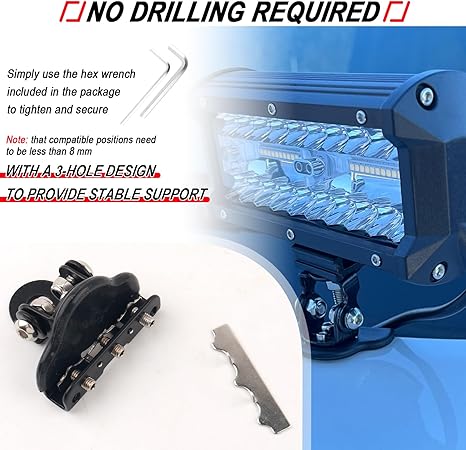
Now, on the lighting side because I’ve been running Go Rhino auxiliaries on my own trucks for years. A while back, I got fed up with weak factory headlights. Oncoming LEDs blinding me, deer jumping out on dark back roads, it was time. I mounted a pair of Go Rhino auxiliaries on my aftermarket steel bumper, angled them down just right to avoid glare.
Real-world results after pounding them through summer storms, winter slush, gravel, and moderate trails:
- Game-changer visibility: Floods the road like daylight. I spot deer, potholes, obstacles way sooner.
- No drama on the road: Downward angle means zero high-beam flashes or tickets; I’ve rolled past patrol cars plenty with no issues.
- Better bang for the buck: Way more usable light than the headlight bulb/lens upgrades I tried before. Quick install, huge payoff.
Honest caveats from someone who’s torqued these on and off rigs for decades:
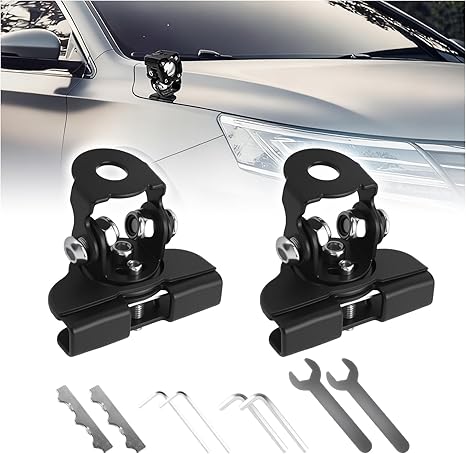
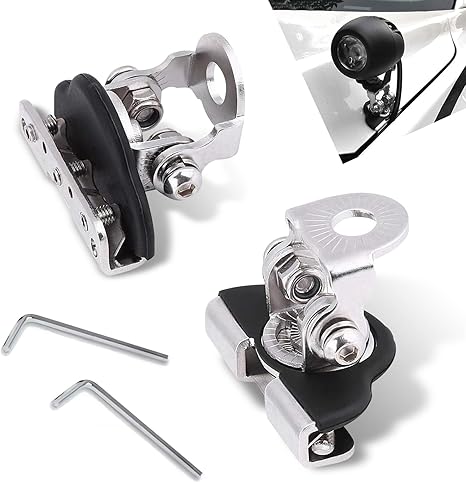
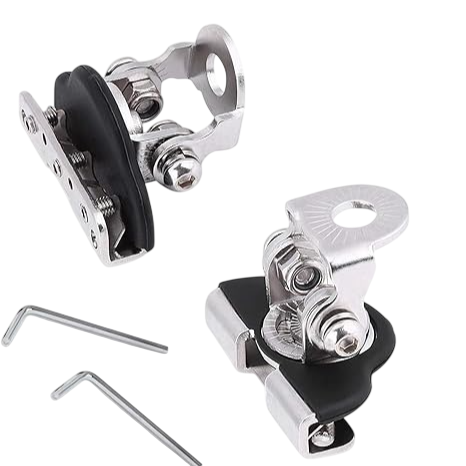
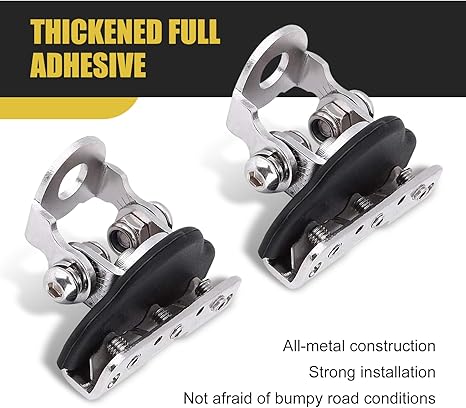
- Mounting hardware can feel light for heavy vibration; the bracket nuts inside the housing flex a bit on rough stuff. I add lock washers, check torque regularly, and haven’t lost any yet.
- No plug-and-play wiring in the kit (despite some pics looking like it) I always source my own harness and connectors.
- For hardcore bouncing trails, reinforce early or go side-screw mounts. I’ve seen bending on extreme abuse.
For everyday safer driving, rural roads, or weekend overlanding, these lights deliver brilliantly. Just prep the wiring, beef up if you’re rough on ’em, and they solve visibility problems affordably.
Key Takeaways from 30+ Years in the Shop
- Recovery combo is king: Kinetic rope + traction boards + soft shackles = faster, lower-damage pulls in snow, mud, or sand.
- Shovel smarter: Mini-ramps beat endless digging every time.
- Cold-weather rule: Soft shackles only steel fails when it’s brittle below freezing.
- Lights pro tip: Angle down 10–15° for glare-free performance; lock washers are cheap insurance against vibes.
- Do’s & Don’ts:
- Do test gear in easy conditions first and carry extras (washers, pads, spare shackles).
- Don’t count on rope alone in deep stuff boards to make the magic happen.
- Do check mounts and wiring after rough runs.
Whether you’re chasing epic views in Colorado, hauling tools as a contractor, or just wanting safer nights on the back roads, Go Rhino builds gear that holds up when it matters. I’ve lived it in the shop, on the trail, and helping folks just like you fix issues every day.
10 Pros of Go Rhino Kinetic Recovery Gear
- Smooth, shock-absorbing pulls: Up to 30% stretch reduces violent jerks, protecting frames and bumpers.
- Lifetime warranty: Rare among kinetic ropes; covers defects for long-term peace of mind.
- High break strength: Models reach 34,000+ lbs, suitable for heavy trucks, SUVs, and one-ton rigs.
- Lightweight synthetic material: Easier to handle and store than steel cables; no snap-back injury risk.
- US-designed & engineered: Built with durable fiber suited to sand, mud, snow, and dirt conditions.
- Multiple size options: 5/8", 7/8", 1" diameters match various vehicle weights for optimal performance.
- Includes heavy-duty carry bag: Keeps gear clean, organized, and protected between uses.
- Efficient deep-stuck recoveries: Allows safe momentum buildup for faster extraction than static straps.
- Abrasion-resistant weave: Holds up better through repeated rocky or gravelly pulls.
- Soft tug feel: Users report gentler vehicle impact compared to traditional tow straps.
10 Cons of Go Rhino Kinetic Recovery Gear
- Requires another vehicle: Not useful for solo self-recovery; depends on a helper or second rig.
- Soft shackles sold separately: Core rope does not include them, adding extra cost for safe setup.
- Higher upfront price: More expensive than basic tow straps or generic Amazon options.
- Storage tangling risk: Can knot if not coiled properly after muddy or snowy use.
- Less effective in tight spaces: Needs run-up room for momentum; poor choice for narrow trails.
- Sizing critical: Wrong diameter (too large/small) reduces stretch efficiency or risks overload.
- No built-in end loops/straps: Some users wish for better integrated hold-down features when coiled.
- UV/moisture exposure shortens life: Requires proper storage to prevent gradual degradation.
- Not ideal for constant towing: Designed for snatch recoveries, not prolonged flat towing.
- Learning curve for safe use: Incorrect technique (jerky pulls, bad angles) can still cause damage.
These points focus on practical strengths and real-world drawbacks for off-roaders using kinetic recovery ropes in demanding USA conditions.
Frequently Asked Questions About Pull a Car Out of a Ditch in 2026
1. What makes a Go Rhino kinetic recovery rope different from a regular tow strap?
A Go Rhino kinetic recovery rope is specifically engineered for dynamic snatch recoveries with significant stretch around 30% which stores and releases energy smoothly to pull stuck vehicles free with less shock to frames and components. Regular tow straps have minimal elasticity and are meant for flat towing or light loads, making them unsuitable and potentially dangerous for high-impact off-road extractions. This stretch feature helps create a more controlled, progressive pull that reduces the chance of sudden failure or vehicle damage during tough USA trail situations.
2. How do I choose the right size kinetic rope for my vehicle?
Selecting the proper diameter depends on your vehicle’s gross vehicle weight (GVW) and typical load. Go Rhino offers options like 5/8″, 7/8″, and 1″ diameters rated for different classes of trucks, SUVs, and Jeeps. A rope that’s too large reduces effective stretch and can transfer excessive force to weaker attachment points, while one that’s too small risks overload. Always refer to Go Rhino’s vehicle weight matching guidelines to make sure balanced performance and maximum safety on the trail.
3. Is it safe to use a kinetic recovery rope without soft shackles?
While possible, using metal D-ring shackles increases risks like snap-back or pinching during high-tension pulls, especially in cold or icy conditions where metal becomes brittle. Go Rhino strongly recommends pairing their ropes with soft shackles for lighter weight, no-metal contact, and easier quick-release setups. This combination greatly improves overall safety by eliminating flying hardware hazards common in traditional recoveries.
4. Can I use a Go Rhino kinetic rope for winching instead of snatch pulls?
Kinetic ropes excel at vehicle-to-vehicle dynamic recoveries rather than steady winch pulls; pairing one directly with a winch isn’t ideal because the stretch can reduce control and efficiency. For winching, stick to low-stretch synthetic lines designed for that purpose. Go Rhino ropes shine in scenarios where momentum and energy transfer are key, like deep mud or snow extractions where a quick snatch outperforms slow winding.
5. How should I store my Go Rhino kinetic rope after use?
After every recovery, rinse off mud, sand, or snow with water and let the rope air-dry completely in a shaded area to prevent mildew or UV breakdown. Then coil it loosely using a figure-8 pattern to avoid kinks that weaken fibers over time. Store it in the included carry bag in a dry, cool spot inside your vehicle proper care extends lifespan significantly in harsh USA climates with extreme temperature swings.
6. Will a kinetic recovery rope damage my vehicle's frame or bumper?
When used correctly with properly rated attachment points and the right size rope, Go Rhino kinetic gear minimizes frame stress thanks to its gradual energy release compared to rigid straps. Incorrect rigging like sharp angles, knots, or mismatched sizing can still cause issues. Always perform a light test tug and keep pulls straight to distribute force evenly and protect your rig during demanding recoveries.
7. How long should a kinetic recovery rope last with regular use?
With proper inspection, cleaning, and storage, a Go Rhino kinetic rope can handle dozens of recoveries over several years thanks to its abrasion-resistant weave and high-quality synthetic construction. Check for cuts, fraying, or discoloration after each use, and retire it if damage appears. The lifetime warranty covers manufacturing defects, giving extra confidence for frequent off-road enthusiasts.
8. Are Go Rhino recovery ropes suitable for electric or hybrid off-road vehicles?
Yes synthetic kinetic ropes offer non-conductive advantages over metal cables, making them safer around battery packs and electrical systems found in modern EVs and hybrids. Their lightweight design also complements lighter frames common in these vehicles. Choose sizing based on GVW to maintain safe stretch characteristics without overloading sensitive components during recoveries.
9. What should I do if my kinetic rope gets wet during a recovery?
Wet ropes perform fine during the pull but should never be stored damp moisture trapped inside can lead to mold or fiber degradation over time. Immediately after use, shake off excess water, then fully air-dry in a well-ventilated area away from direct sun. Once dry, inspect closely before coiling and storing to maintain peak strength and reliability for future adventures.
10. Why invest in Go Rhino kinetic recovery gear over cheaper generic options?
Go Rhino ropes deliver consistent high break strength, superior abrasion resistance, and thoughtful features like lifetime coverage that generic ropes often lack, reducing long-term replacement costs and failure risks. Users notice smoother, more predictable pulls with less vehicle shock, especially in extreme conditions like deep snow or clay. The investment pays off through durability, safety, and confidence when you’re far from help on remote USA trails.
Why Go Rhino Recovery Gear Deserves a Spot in Your USA Off-Road Setup
Across every angle gear comparisons, step-by-step usage, real-world case studies, myths debunked, common pitfalls avoided, and practical fixes applied Go Rhino kinetic recovery ropes and accessories consistently stand out as a smart, reliable choice for modern off-roaders.
They combine high break strength with thoughtful safety features like controlled stretch, lightweight synthetics, abrasion resistance, and lifetime backing, delivering smoother, lower-risk recoveries than traditional straps or generic alternatives. Whether facing deep snow in Colorado backcountry, muddy Midwest trails, or sudden roadside ditches during unpredictable 2026 weather, this gear turns high-stress situations into manageable moments with minimal vehicle damage and maximum confidence.