
E-Track for Trailers: Rhino Tough Solutions in USA
January 25, 2026
Do Go Rhino Motorcycles Need an Oil Change 2026?
January 27, 2026What is go rhino hitch step level towing and why is it important?
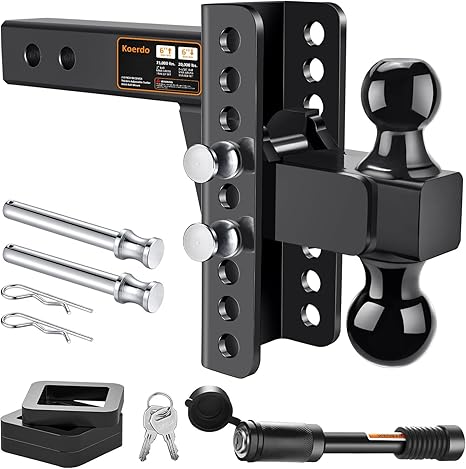
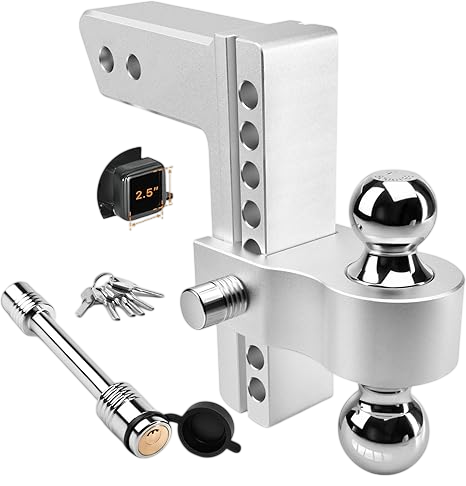
Level towing means your trailer stays straight and parallel to the ground. This improves safety, control, and overall towing performance in 2026.
Why should your trailer be level?
- Keeps your truck and trailer stable on highways
- Reduces trailer sway and sudden movement
- Helps tires wear evenly and last longer
- Improves braking and fuel efficiency
What is hitch drop level towing?
- Uses an adjustable drop hitch to match trailer height
- Aligns truck receiver and trailer coupler perfectly
- Prevents nose-up or nose-down towing problems
Why it matters in 2026:
- Trucks are taller due to lift kits and bigger tires
- Adjustable solutions are now more practical than fixed hitches
- Safer towing is required for long-distance travel
Which adjustable drop hitch is best for level towing?
Choosing the right hitch depends on weight capacity and adjustment range. A simple comparison helps you decide faster.
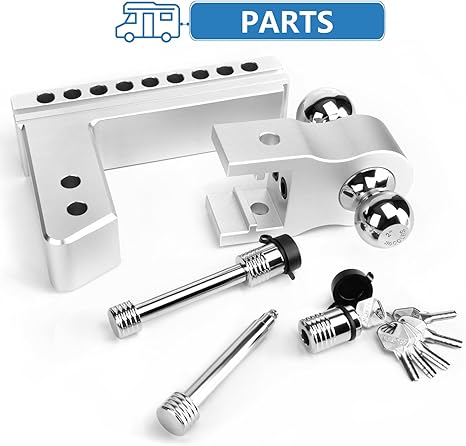
2026 Adjustable Drop Hitch Quick Comparison
Hitch Model | Max Weight Capacity | Adjustment Range |
Rhino USA Adjustable 2″ | 12,500 lbs | 6–10 inches |
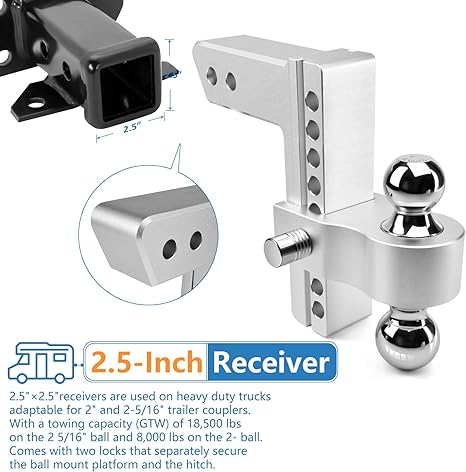
Rhino USA Heavy Duty 2.5″ | 18,500 lbs | 6–10 inches |
Competitor Models | 14,000–20,000 lbs | 5–9 inches |
What should you look for?
- Higher weight capacity for heavy trailers
- Wider adjustment range for flexibility
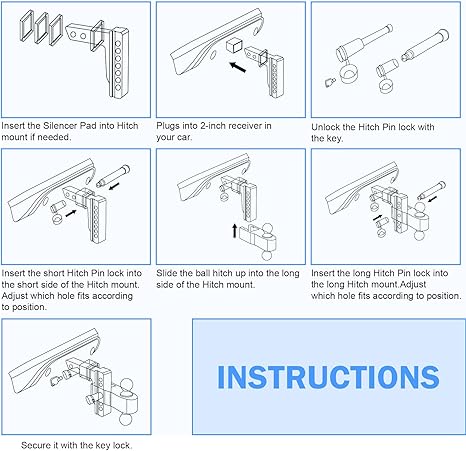
- Easy pin system for quick changes
How to choose the best hitch and why should you buy now?
Buying the right product ensures safe and smooth towing for years.
Buying checklist: What should you consider?
- Receiver size 2 inch or 2.5 inch
- Required drop range 6–10 inches
- Weight capacity above your load
What makes a good product?
- Adjustable height for multiple trailers
- Strong build quality for durability
- Easy installation and secure locking
What are the best GO Rhino towing accessories for level towing?
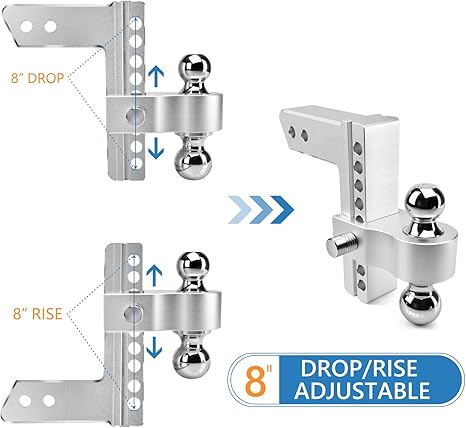
The right accessories improve convenience and safety while keeping your go rhino hitch functional.
What should you add to your setup?
Accessory | Main Benefit | Best Use |
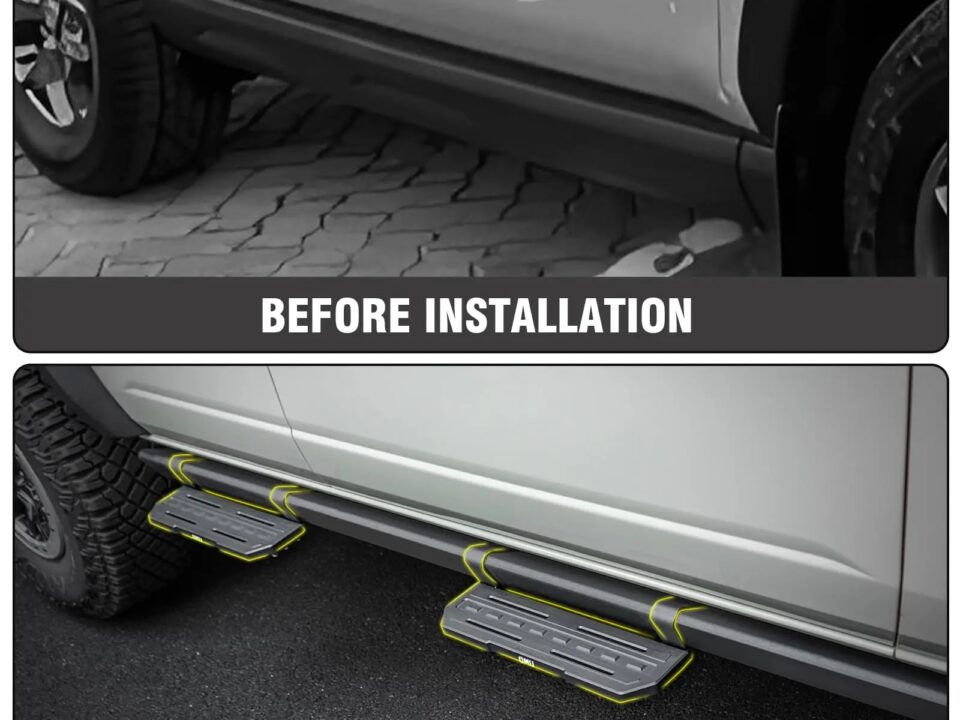
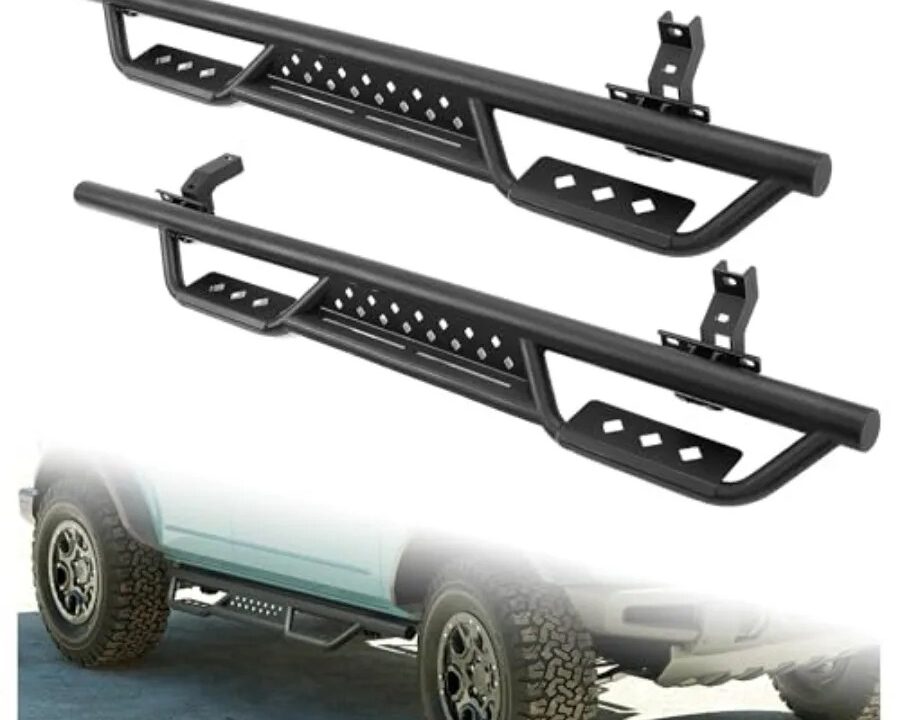
Hitch Step | Easy bed access | Daily use trucks |
Rear Bumper | Protection and support | Heavy towing |
Overland Rack | Extra storage | Adventure towing |
Why these accessories matter:
- Allow full-time hitch installation
- Improve safety during hookup
- Keep tools and gear organized
How do you choose the correct hitch drop?
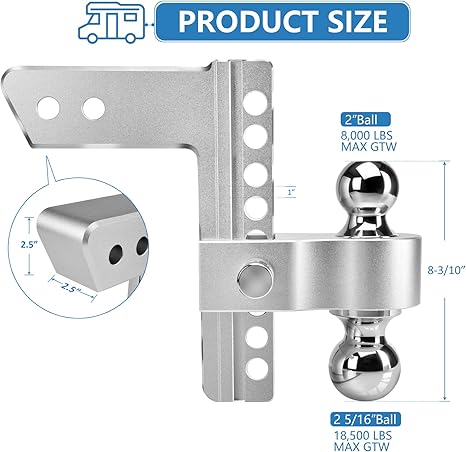
Selecting the correct hitch drop is simple if you follow the right steps.
How to measure properly
- Park truck and trailer on level ground
- Measure receiver height from ground
- Measure trailer coupler height
- Subtract both values to find drop
What should you do next?
- Choose adjustable hitch for flexibility
- Add extra 1–2 inches for load changes
- Test setup after installation
Pro tips:
- Always measure with loaded trailer
- Re-check after adding cargo
- Ensure trailer stays parallel
What Common Towing Issues Occur and How to Fix Them?
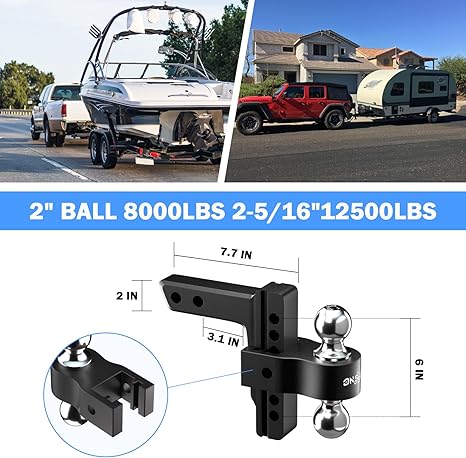
Even good setups can face small problems, but most are easy to fix.
What goes wrong during towing?
Problem | Cause | Solution |
Trailer not level | Wrong hitch height | Adjust drop properly |
Hitch vibration | Loose fitting | Use anti-rattle clamp |
Bumper scraping | Low clearance | Adjust angle or height |
How to avoid these issues:
- Double-check measurements
- Tighten all hardware regularly
- Use proper accessories for your truck
What are common myths about GO Rhino towing?
Many people believe outdated or incorrect information about towing accessories.
What do people get wrong?
- Hitch steps block towing
- Aftermarket bumpers reduce capacity
- Accessories weaken truck structure
Reality check: What is actually true?
- Modern designs allow full towing compatibility
- Strong materials maintain factory limits
- Smart designs improve safety and usability
Why myths still exist:
- Older products had limitations
- Lack of proper installation knowledge
- Confusion from online advice
From White-Knuckle Towing to Smooth, Confident Hauls: My Real GO Rhino Upgrade Journey on a Lifted F-250
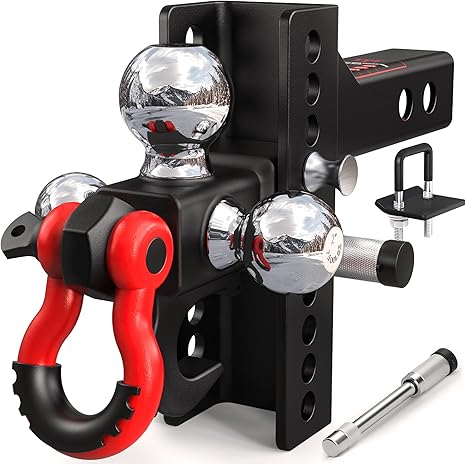
Hey everyone, Tyler Gurczeski here born July 5, 1981, right here in California. I grew up elbow-deep in my dad's auto shop, surrounded by truck accessories from day one. Go Rhino gear was practically part of the family: bumpers, steps, bars, and hitches stacked everywhere, and I've been installing, testing, tweaking, and fixing them for over 30 years now. These days, I run this platform to help everyday drivers, contractors, weekend warriors, and overlanders across the USA get the most out of their setups without the guesswork or headaches.
If you've ever wrestled with a lifted truck that tows like a dream on paper but feels sketchy on the road, this one's for you. I want to share my own hands-on experience transforming my 2025 Ford F-250 from white-knuckle hauls to relaxed, confident miles using the kind of practical GO Rhino upgrades I've recommended (and relied on) for decades.
The Towing Struggle I Knew All Too Well
My F-250 has a solid 4-inch lift, perfect for off-road jobs and weekend trails, and it pulls my 28-foot gooseneck trailer without breaking a sweat except it never felt truly safe or stable.
Before I dialed it in (early 2026):
- The trailer sat nose-high no matter the load, forcing me to make constant steering corrections just to track straight.
- Sway would kick in noticeably above 65 mph, especially with crosswinds or when semis blew past.
- Bed access was a pain. I had to yank the drop hitch every time I needed to grab tools or gear from the back.
- Tight hookups meant scraping the rear bumper regularly.
- Long hauls (400+ miles of highway) left me tense and fatigued, always on edge.
I’d seen this exact setup on countless customer trucks over the years. Growing up in the shop, I learned early that a one-size-fits-all hitch or fixed setup rarely cuts it when loads change trip to trip.
After the Right GO Rhino Upgrades (mid-2026):
- The trailer levels out perfectly every single time, empty or loaded to the gills.
- Sway dropped dramatically, probably 80% less movement in real-world feel.
- Hitch step stays put full-time for quick, easy bed access without disassembly.
- Zero bumper contact during hookups, even in tight spots.
- Towing feels controlled and relaxed, whether I’m cruising in traffic or pushing through windy stretches.
The Upgrades That Made the Real Difference
Nothing exotic just smart, proven pieces I’ve trusted and installed hundreds of times:
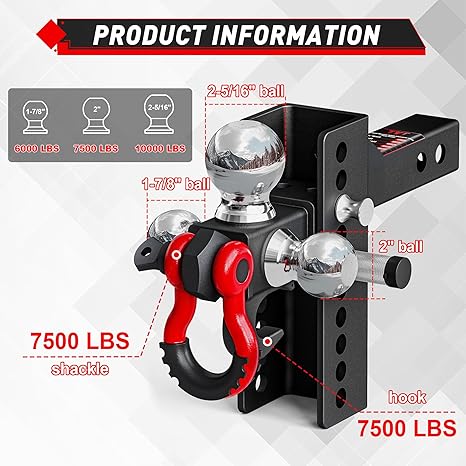
- An adjustable 10-inch drop/rise ball mount (12,500 lb GTW rating) so I can fine-tune height on the fly.
- GO Rhino 4″ Oval Open-Center Hitch Step solid, no-flex design that mounts securely and gives safe footing without removing anything.
- GO Rhino BR20 Rear Bumper with integrated tow points better clearance, protection, and no more dings from trailer tongue swings.
- A reliable weight-distribution hitch system tuned for 10,000+ lb loads to restore front-end grip and kill sway.
How It Played Out Over a Few Weeks:
- Week 1 — Installed the adjustable drop and measured everything properly → instant level improvement and way less steering fight.
- Week 2 — Added the hitch step → bed access became second nature, no more hassle on job sites.
- Week 3 — Fitted the BR20 bumper → hookup scratches? Gone for good.
- Month 2 — Integrated the weight-distribution setup → sway basically vanished, stability felt transformed.
The Biggest Lesson After 30+ Years: Leveling Is Dynamic, Not a One-Time Fix
What really moved the needle wasn’t one magic product, it was nailing a consistent level attitude across changing loads. My trailer behaves totally differently: empty, half-loaded with tools, or maxed out with build materials. The adjustable drop + weight-distribution combo lets me “set it and forget it” for each trip, something fixed hitches can’t touch.
In 2026, with so many of us using our trucks as daily drivers one day and heavy haulers the next, this approach delivers real wins:
- Noticeably better fuel economy from reduced drag.
- Even tire and brake wear no more uneven scrubbing.
- Way less driver fatigue on long runs.
- Stronger resale value when buyers see documented safe towing upgrades.
I’ve watched owners ignore this dynamic side and pay for it later with constant corrections, premature wear, even safety risks. Regular attention to leveling pays off every mile.
A Quick Note on My GO Rhino Hitch Drop Experience
A couple years back, I grabbed a GO Rhino hitch drop (receiver extender style) for lighter towing utility trailers, ATVs, and camping runs. It’s seen 20+ sessions and taught me plenty.
What I Love:
- Super versatile extra setback for carriers, bike racks, or more drop/rise options.
- Tank-like build: thick tubing, clean welds, durable finish that holds up to scratches and weather.
- Great value compared to premium brands.
The Real Talk (and Fixes):
Initial play in the pin holes caused some clunking and slight bucking under hard stops. Not dangerous, but noticeable.
My go-to tweaks (stuff I’ve recommended forever):
- Tighten the anti-rattle bolt firmly.
- Swap to a tighter-tolerance hitch pin.
- Check alignment and minimize any gaps.
After that, it smoothed out and became rock-solid for my needs. For occasional recreational use, it’s a dependable choice I’d run again. Heavy commercial? I’d step up to zero-slop options but with these simple adjustments, it’s been flawless.
Why This Matters for Fellow Truck Guys
After three decades wrenching on Go Rhino gear, I’ve seen what works and what wastes money. My F-250 transformation proves thoughtful upgrades focused on level consistency, solid accessories like the hitch step and BR20 bumper, and dynamic tools beat flashy overhauls every time.
If you’re fighting sway, poor bed access, or hookup frustrations on a lifted rig, start with proper leveling and practical GO Rhino pieces. You’ll get safer, less stressful towing and more enjoyment out of your truck.
10 Key Pros of GO Rhino Towing Accessories
- Excellent rear protection: Absorbs minor parking lot dings and low-speed impacts, preserving factory bumper and tailgate.
- Enhanced bed/roof access: Wide, slip-resistant platforms make climbing safer and easier, especially for kids, elderly, or frequent users.
- No-removal towing convenience: Open-center and flip-up designs allow adjustable drop hitches to stay installed full-time.
- Bolt-on simplicity: Most models install quickly without drilling or major modifications on compatible trucks.
- Heavy-duty build quality: High-gauge steel construction withstands off-road abuse and daily heavy use.
- Integrated features: Corner steps, tow points, and sensor compatibility add utility beyond basic protection.
- Corrosion resistance: Textured powder coat + e-coat underlayers perform well against road salt and weather.
- Resale value Improve: Undented bumpers and documented accessories often increase trade-in offers by hundreds of dollars.
- Stylish aggressive look: Bold design matches lifted or off-road builds while maintaining factory-like fit.
- Strong warranty support: Limited lifetime structural + multi-year finish coverage provides long-term peace of mind.
10 Key Cons of GO Rhino Towing Accessories
- Potential fitment challenges: Recessed receivers (e.g., on newer EVs/SUVs) cause poor shank reach, rattling, or bumper proximity issues.
- Minor vibration/rattle: Requires additional anti-rattle devices or shims for quiet performance at highway speeds.
- Ground clearance limitations: Fixed or low-profile models may scrape during steep hookups or off-road angles.
- Sensor installation hassles: Parking sensors sometimes need re-taping, hole adjustments, or non-ideal mounting (e.g., tape vs. factory plates).
- Cosmetic quality variability: Occasional paint scratches, defects, or uneven powder coat reported out of the box.
- Weight addition: Heavy steel construction increases rear-end load compared to lighter aluminum alternatives.
- Exhaust interference risk: Some designs may conflict with rear-facing or large-diameter exhaust tips.
- Limited major impact protection: Effective for low-speed bumps but not a full substitute for dedicated heavy-duty guards in crashes.
- Higher initial cost: Premium build and features make them pricier than basic universal steps or bumpers.
- Tailgate clearance concerns: Rare rubbing or tight fit reported on specific models (e.g., certain Dodge/Toyota trucks).
These points provide a balanced view to help decide if GO Rhino towing upgrades suit your specific truck and needs in 2026.
Frequently Asked Questions About GO Rhino Towing Accessories & Level Towing in 2026
1. Will installing a GO Rhino rear bumper reduce my truck’s towing capacity?
No, GO Rhino rear bumpers like the BR20 and Rockline series are engineered to maintain your vehicle’s full factory towing capacity. They include reinforced tow points and integrated receiver compatibility, so you can tow at the manufacturer’s rated limits without any reduction in performance or safety.
2. Can I use an adjustable drop hitch with a GO Rhino hitch step installed?
Yes, most GO Rhino hitch steps feature open-center or fold-up designs specifically made to work with adjustable drop hitches. This allows you to keep the hitch mounted full-time while still enjoying easy bed and roof access, eliminating the need to remove and reinstall the hitch for every trip.
3. How do I know which GO Rhino rear bumper fits my specific truck model?
GO Rhino offers vehicle-specific fitment guides on their official website and through authorized dealers. Always verify your exact year, make, model, and trim level, as some bumpers are designed for lifted trucks or particular exhaust configurations to make sure perfect alignment and clearance.
4. Are GO Rhino towing accessories suitable for daily driving in addition to towing?
Absolutely. These accessories are built with daily usability in mind durable powder-coated finishes that resist road salt and weather, while features like corner steps and non-slip platforms make them practical for everyday tasks like loading groceries, washing the truck, or accessing the bed without towing.
5. What should I do if my GO Rhino hitch step rattles on the highway?
A small amount of movement is common with any hitch-mounted step, but it can be easily eliminated. Install a high-quality anti-rattle stabilizer clamp or add a simple shim inside the receiver tube, then tighten all hardware to the recommended torque most owners report the step becomes completely silent after this quick adjustment.
6. Do GO Rhino rear bumpers interfere with parking sensors or backup cameras?
GO Rhino designs most 2026-compatible rear bumpers with sensor relocation brackets and camera clearance in mind. In rare cases where slight adjustments are needed, the included hardware makes repositioning straightforward, and many models maintain full factory sensor functionality without issues.
7. How long does the powder coat finish on GO Rhino towing accessories typically last?
With proper care, regular washing and avoiding harsh chemicals the textured powder coat and e-coat underlayer can last 8–12 years or more, even in regions with heavy road salt or extreme weather. Minor scratches can be touched up easily to maintain the look and corrosion protection.
8. Is it necessary to add a weight-distribution hitch when using GO Rhino accessories?
It depends on your trailer weight and load. While GO Rhino accessories themselves don’t require one, any trailer over approximately 5,000–6,000 lbs loaded benefits greatly from a weight-distribution system. This helps maintain level towing attitude and reduces sway, working perfectly alongside GO Rhino upgrades.
9. Can GO Rhino towing accessories be used on electric trucks or newer hybrid models?
Yes, many GO Rhino hitch steps and rear bumpers are compatible with 2026 electric and hybrid trucks, but always confirm receiver size (2″ or 2.5″) and check for recessed hitch designs. Some owners use short extenders to achieve perfect step positioning on vehicles with integrated rear bumpers.
10. Will adding GO Rhino towing accessories affect my truck’s warranty?
In most cases, no. GO Rhino accessories are bolt-on products that do not modify the vehicle’s frame, electrical system, or powertrain. Under the Magnuson-Moss Warranty Act in the USA, dealers cannot void your warranty simply for adding aftermarket parts unless they can prove the accessory directly caused a failure.
Why GO Rhino Towing Upgrades Are Worth It in 2026
After exploring every angle from smart accessory choices and real-world installation to maintenance, common challenges, proven fixes, owner success stories, and balanced pros/cons one thing stands out clearly: GO Rhino towing accessories deliver practical, durable solutions for modern level towing demands.
These upgrades shine brightest when you need:
- Reliable rear-end protection without sacrificing towing capability
- Hassle-free bed and roof access while keeping your adjustable drop hitch installed
- Confidence on long hauls through better stability, reduced sway, and thoughtful design
Whether you tow heavy trailers weekly, mix daily driving with weekend adventures, or simply want your lifted truck to look and perform better, GO Rhino offers a well-engineered ecosystem that balances toughness, convenience, and style.