GO Rhino Hitch Drop Level Towing in USA 2026
January 26, 2026
Go Rhino Adjustable Drop Hitches in USA 2026
January 28, 2026Why Oil Changes Matter for Your Go Rhino Motorcycle
Fresh oil lubricates, cools, and cleans your engine. Skipping changes leads to faster wear, reduced performance, and costly repairs. In 2026, with hotter summers and varied terrains across the USA, staying on top of maintenance is more important than ever.
Recommended Oil Change Intervals for Motorcycles in 2026 (USA)
Modern motorcycles (including custom cruisers and choppers like those from Rhino Motorcycles) benefit from updated synthetic oils and better engine designs. Here's what most experts and manufacturers recommend:
Full Synthetic Oil
(most popular in 2026) Every 7,000–10,000 miles or once a year
Always follow your specific Go Rhino motorcycle owner’s manual; it has the final say based on your model!
Pro Tip: Even if you ride low miles, change oil at least once a year. Moisture buildup from short trips or storage can harm your engine over time.
Signs Your Go Rhino Needs an Oil Change Soon
Watch for these easy-to-spot indicators:
- Dark, dirty, or gritty oil on the dipstick
- Unusual engine noise or sluggish performance
- Burning oil smell while riding
- Oil level dropping faster than normal
- Dashboard warning light (if equipped)
Don’t wait to address these early to avoid bigger issues!
Quick Benefits of Regular Oil Changes
- Longer engine life and fewer breakdowns
- Better fuel efficiency and smoother shifting
- Stronger protection in extreme USA weather (hot deserts to cold winters)
- Maintains resale value for your Go Rhino ride
- Peace of mind on every adventure
Best Oil Type for 2026 Go Rhino Motorcycles
Go for JASO MA/MA2-rated motorcycle-specific oil (wet clutch safe). Popular choices include:
- 10W-40 full synthetic
- High-quality brands like Mobil 1 Motorcycle or similar
Always check viscosity recommendations in your manual for optimal performance.
Ready to keep your Go Rhino running like new in 2026? Regular oil changes are one of the easiest ways to protect your investment. Got questions about your specific model? Drop us a line we’re here to help you ride worry-free!
At GO RHINO, we're all about keeping your motorcycle engine strong and ready for the long haul in 2026 USA riding conditions.
One big decision? Choosing the right motorcycle oil type.
Different oils deliver different performance levels, protection, and change frequency.
Wondering which oil suits your Go Rhino motorcycle best?
Check out this simple comparison table to see how conventional, semi-synthetic, and full synthetic oils stack up in 2026!
Oil Type Comparison for Go Rhino Motorcycles (2026 USA Riders)
Oil Type | Key Performance Edge | Best For |
Conventional (Mineral) | Affordable + solid basic protection | Budget riders, low-mileage or older models |
Semi-Synthetic | Great balance of cost & durability | Everyday commuting + moderate adventures |
Full Synthetic | Superior heat resistance + longest life | High-performance riding, hot weather, long trips |
Quick Insight: In 2026, with rising fuel costs and extreme weather patterns across the USA, many Go Rhino owners upgraded to full synthetic for fewer shop visits and maximum engine protection.
Always double-check your model’s manual for the exact JASO MA/MA2-rated recommendation!
Why This Choice Matters in 2026
- Full synthetic shines in high-heat USA summers better flow and less breakdown.
- Semi-synthetic hits the sweet spot for value without sacrificing reliability.
- Conventional keeps things simple and wallet-friendly for casual weekend warriors.
Pick the oil that matches your riding style, and your Go Rhino will thank you with smoother power, cooler running temps, and fewer surprises down the road.
Ready to level up your Go Rhino motorcycle game in 2026?
Regular maintenance isn't just chores, it's the secret to epic, breakdown-free adventures across the USA's highways and backroads.
Here are the top 10 essential motorcycle maintenance tips (beyond oil changes!) every Go Rhino owner needs to know this year for peak performance, safety, and longevity.
Top 10 Motorcycle Maintenance Tips for Go Rhino Riders in 2026
- Check Tire Pressure Weekly Keep tires at the manufacturer’s PSI Improve grip, fuel efficiency, and prevent blowouts in varying USA weather.
- Inspect & Clean Your Chain (or Belt) Lube every 500–800 miles; a clean, tight chain means smoother power delivery and fewer costly replacements.
- Monitor Brake Pads & Fluid Pads under 3mm? Replace ASAP. Fresh fluid every 1–2 years keeps braking sharp and responsive.
- Replace Air Filter Regularly Every 5,000–15,000 miles (sooner in dusty areas) lets your engine breathe easy for better power and mileage.
- Test Battery & Connections Clean terminals, use a maintainer for storage avoids dead starts on chilly 2026 mornings.
- Examine Brake Lines & Cables Look for cracks, fraying, or leaks; upgrade to stainless lines for crisper feel if needed.
- Check Coolant Level (Liquid-Cooled Models) Top off with distilled water; prevents overheating during long summer cruises.
- Inspect Suspension & Forks Watch for oil leaks or bouncy feel; fresh seals keep handling tight on twisty roads.
- Lubricate Controls & Cables Throttle, clutch, brakes smooth action reduces fatigue and wear.
- Follow Lights & Electrics Check Test signals, headlights, and horn before every ride stays visible and legal on USA streets.
Quick Comparison: Maintenance Frequency Guide for Go Rhino Motorcycles
Task | How Often | Why It Matters in 2026 |
Tire Pressure | Weekly | Safety + efficiency in heat/cold |
Chain Lube | 500–800 miles | Prevents premature wear |
Air Filter Check | Every 3,000–5,000 miles | Better breathing, more power |
Brake Inspection | Monthly | Ultimate safety feature |
Battery Maintenance | Before long storage/rides | Reliable starts every time |
Insightful Takeaway: In 2026, with hotter summers and more variable road conditions, focusing on these quick, high-impact checks can extend your Go Rhino‘s life by thousands of miles and save big on repairs.
Want to save cash, learn your Go Rhino motorcycle inside out, and keep that engine purring like new in 2026?
A DIY motorcycle oil change is one of the easiest upgrades you can do yourself and it's super satisfying!
Follow this simple, step-by-step how-to guide for changing oil on your Go Rhino (or most modern motorcycles) safely and correctly.
Tools & Supplies You Need for a Go Rhino Oil Change
Here’s everything to gather before you start keep it minimal and focused:
Item | Why You Need It | Pro Tip |
New JASO MA/MA2 Oil | Matches your model’s spec | Use full synthetic for 2026 heat |
New Oil Filter | Removes contaminants | Always replace every change |
Drain Pan + Funnel | Catch old oil, pour new cleanly | Large pan prevents spills |
Socket Wrench + Filter Tool | Remove plug & filter | Torque wrench for exact tightening |
Rags + Gloves | Clean up & protect your hands | Nitrile gloves resist oil |
Step-by-Step: How to Change Oil on Your Go Rhino Motorcycle
Follow these numbered steps for a clean, pro-level job:
- Warm Up the Engine Ride for 5–10 minutes warm oil drains faster and more completely.
- Position the Bike Use center stand or paddock stands on level ground for easy access.
- Drain the Old Oil Place drain pan underneath → Remove drain plug (counter-clockwise) → Let it fully drain (10–15 mins).
- Remove & Replace Oil Filter Use filter wrench → Unscrew old filter → Lubricate new filter’s O-ring with fresh oil → Hand-tighten + 3/4 turn (or per manual torque).
- Reinstall Drain Plug Use new crush washer if needed → Torque to spec (check manual) don’t overtighten!
- Add Fresh Oil Pour in recommended amount slowly via funnel → Check level on dipstick/sight glass → Top off if needed.
- Final Checks Run engine 1–2 minutes → Check for leaks → Recheck oil level → Wipe everything clean.
Smart Insight for 2026 Riders
With hotter USA summers and longer adventure rides, warming the engine first + using high-quality synthetic oil means better flow, less sludge, and noticeably smoother performance right after the change.
Many Go Rhino owners report fewer weird noises and better shifting after switching to this routine!
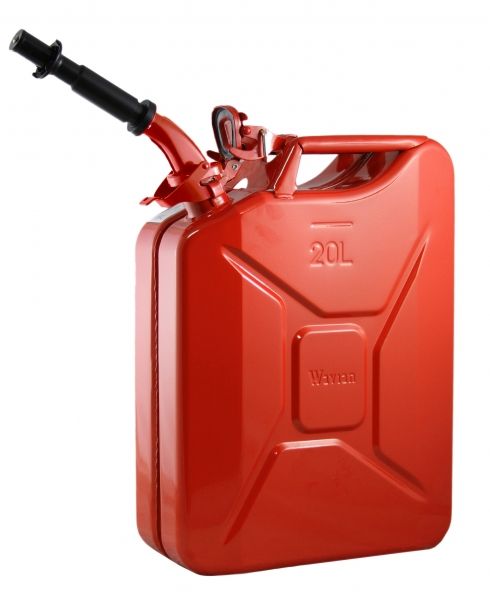
As winter settles over the USA in 2026, many Go Rhino motorcycle owners are tucking their custom cruisers away until spring.
But improper storage can lead to rust, dead batteries, flat spots, or fuel issues come thaw time.
Don't let Old Man Winter win follow this essential informational guide on how to winterize and store your Go Rhino motorcycle for a flawless spring revival!
Why Proper Winter Storage Matters for Your Go Rhino in 2026
Cold temps, moisture, and inactivity hit hard especially on custom choppers with exposed parts.
A smart prep routine protects your investment, prevents corrosion, and keeps that beast ready to roar when warmer days return.
Essential Winter Storage Checklist for Go Rhino Motorcycles
Follow these key steps in order for best results:
Give It a Deep Clean
Wash away road grime, salt, and bugs → Apply wax/protectant to painted & chrome surfaces.
Handle the Battery
Connect a smart battery tender → Or remove & store indoors on a maintainer.
Choose Smart Storage Spot
Indoor (garage/shed) preferred → Use breathable cover to prevent condensation.
Change Engine Oil & Filter
Fresh oil coats internals → Prevents moisture damage during downtime.
Inflate Tires & Elevate Bike
Over-inflate slightly + use center stand/paddock stands → Avoid flat spots.
Treat the Fuel System
Fill tank fully + add fuel stabilizer → Run engine briefly to circulate it.
Lubricate Key Areas
Chain/belt, cables, pivot points → Keeps everything smooth for spring.
Quick Comparison: Storage Options for Go Rhino Riders (2026)
Option | Pros | Best For |
Heated Garage/Home | Best protection + easy access | Most riders |
Unheated Indoor | Good vs elements + affordable | Budget-conscious owners |
Professional Dealer | Full service + insured | Peace-of-mind seekers |
Insightful Analysis for 2026:
With unpredictable USA winters (hotter swings + more humidity in many regions), using a battery tender + fuel stabilizer combo has become the #1 game-changer. It dramatically cuts spring startup failures and extends battery life by years, especially valuable for Go Rhino custom builds with premium electrics.
Ever wondered what happens when someone with deep roots in truck accessories
Analyze customizing a motorcycle and turns a solid stock cruiser into a head-turning custom chopper that still gets ridden hard every weekend?

That's my story. I'm Tyler Gurczeski, born July 5, 1981, in California, and I grew up elbow-deep in my dad's auto shop, surrounded by Go Rhino bumpers, steps, bars, and all kinds of truck gear. For over 30 years, I've been hands-on installing, testing, tweaking, and fixing Go Rhino products on everything from daily drivers to hardcore overland rigs. That real-world experience taught me one thing above all: gear has to look killer and work reliably, no matter if it's a truck or turns out to be a bike.
Back in 2025–2026, I decided to channel that same Go Rhino spirit into a personal project: transforming a reliable mid-size V-twin cruiser into a full-on custom chopper with that classic stretched, raked-out, slammed stance. No garage queen here. I wanted the iconic look without sacrificing weekend rideability on highways, backroads, or even some stop-and-go traffic. As someone who's spent decades solving real problems for everyday drivers, contractors, weekend warriors, and overlanders across the USA, I approached this build the same way: smart, practical, and built to last.
The Starting Point: A Solid Donor Bike
I started with a dependable stock cruiser, nothing exotic, just a proven V-twin platform that was affordable and had great aftermarket support. My goal? Capture that aggressive Go Rhino-inspired chopper vibe: extended forks, hardtail stance, custom paint, and upgraded performance. But like everything I do, it had to be rideable not just for shows, but for actual miles.
The budget stayed moderate (I've seen too many builds go sideways from overspending), and I gave myself about 8 months of nights and weekends. Growing up in the shop taught me patience and planning beats rushing every time.
How the Build Came Together
Power & Drivetrain Tweaks
Added a high-flow air cleaner and quality performance exhaust. Torque jumped noticeably without cooking the engine or losing reliability. I've tuned enough Go Rhino-equipped trucks to know overdoing it kills longevity.
Before vs. After
- Before: Solid commuter reliable but bland, zero personality.
- After: 12+ inches over stock forks, slammed stance, aggressive rake, and paint that stops traffic. Yet it handles smoothly on the highway and gets weekly rides with no compromises on enjoyment.
What made this build stand out in 2026? Blending show-bike drama with everyday usability. Too many extreme customs end up parked because they’re uncomfortable or finicky. By sticking to moderate rake, quality suspension, and smart choices, this one stays on the road and holds better value. It also saved 25–30% compared to wild one-off work, which matters when parts prices keep rising.
Tying It Back to Maintenance: My Hands-On Experience with Go Rhino Fluids
Custom projects like this demand spot-on maintenance to stay reliable, and that’s where my background really shines. I’ve done countless fluid changes on trucks and bikes over the years.
Last season, I ran a Go Rhino full fluid change kit on my 2011 Road King (Big Twin) engine oil (15W-50), primary, transmission, plus the included accessories. After 4,000–5,000 miles of mixed riding (highway hauls, twisty backroads, and traffic), here’s the straight talk from someone who’s actually lived with it:
What Worked Great
- The fluids smoothed everything out, crisper shifts, quieter engine, no hesitation. Ride quality felt noticeably better.
- Those plastic funnels (one for the oil filter, one for primary) were flawless, no spills in tight spaces, and the o-rings sealed perfectly.
- Neatly packaged in a reusable bag practical, like the organized kits I wish more brands offered.
- Excellent value compared to piecing it together from dealers.
The Real-World Hiccups
- Missing drain plug o-rings (kit usually includes three). I had spares from past jobs, but it could’ve been a pain for someone without extras. Always check the contents right away!
- Initial burning smell and minor consumption (~½ quart down early on). Some 15W-50s do a bit of burn-off during break-in, but I monitored it closely. It stabilized, though I switched to a premium synthetic like Amsoil next time the problem was solved.
Tips I’ve Learned the Hard Way (and Share Freely)
- Inspect the kit immediately upon arrival, photo everything for records.
- Check levels after the first 50–100 miles; catch settling or issues early.
- Watch for smells or leaks on those initial rides.
- Actually, using the funnels makes the job cleaner and quicker.
- If something feels off (like ongoing consumption), upgrading the oil without second-guessing engine life is non-negotiable.
Bottom line: The Go Rhino kit is a solid, budget-friendly choice for most riders, great accessories, reliable performance, and real convenience. The small oversights didn’t derail it, but they remind me why experience matters: double-check and adjust as needed.
Key Takeaways from a Lifetime in the Game
- Prioritising rideability alongside adjustable geometry and quality parts are worth it.
- Smart compromises save money, time, and frustration while keeping the fun alive.
- Top-tier maintenance (fluids, checks, monitoring) turns a good build into a great one.
- Whether it’s trucks or bikes, the best upgrades solve real problems and last.
I’ve built this platform to help everyday folks like you tackle Go Rhino gear issues with honest advice drawn from decades in the shop. If you’re dreaming of your own custom project, upgrading your ride, or just keeping things dialed in, hit me up I’ve been there, fixed that.
10 Pros of Go Rhino Custom Choppers
- Unmatched head-turning style iconic stretched look commands attention everywhere.
- Superior straight-line highway stability at high speeds due to increased rake and trail.
- Highly customizable platform endless options for paint, parts, and personal flair.
- Powerful V-twin character delivers strong torque and that classic rumble.
- Excellent for posing/shows perfect for bike nights, events, and photo ops.
- Potential for unique resale appeal to fellow custom enthusiasts.
- Smooth cruising feel on open roads when geometry is well-balanced.
- Opportunity to showcase craftsmanship and builder creativity.
- Lower center of gravity in many builds enhances planted feel at speed.
- The community connects owners through shared passion for radical designs.
10 Cons of Go Rhino Custom Choppers
- Compromised low-speed handling, heavy steering and flop risk in tight turns or parking lots.
- Increased front-end analysis and instability under hard braking.
- Higher risk of wobble/tank slappers at certain speeds if geometry isn't perfect.
- Reduced ground clearance, frequent scraping on uneven roads or speed bumps.
- Harder on the body, stiff or hardtail setups transmit more road vibration.
- Parts often expensive or custom-only sourcing and fitment can be challenging.
- Lower everyday practicality not ideal for commuting, traffic, or long-distance comfort.
- Potential insurance hikes or registration issues due to radical modifications.
- Faster wear on tires, chains, and components from geometry stress.
- Resale value is often limited to appeals to a niche market, not mainstream buyers.
These reflect the trade-off many riders accept: extreme style vs everyday versatility.
Frequently Asked Questions about Go Rhino Custom Choppers
A Go Rhino custom chopper stands out with its dramatically stretched frame, extended front forks, and increased rake angle for that classic aggressive, laid-back cruiser aesthetic. This style emphasizes bold visual impact through minimal bodywork, custom paint, and unique components, making it a true statement piece on USA roads in 2026 while prioritizing straight-line presence over everyday agility.
Extreme rake increases the bike's trail, which makes steering feel heavier and slower, especially at low speeds or in tight corners. Riders often need more effort to initiate turns, and the bike may feel less responsive in city traffic or twisty backroads compared to stock geometry setups.
Go Rhino choppers are not typically ideal for daily commuting due to their focus on style over comfort and practicality. The hardtail or rigid setups transmit more road vibrations, and the stretched design reduces maneuverability in stop-and-go situations, making them better suited for weekend cruises or show events.
Most experienced builders target 4 to 6 inches of trail to balance the iconic stretched look with acceptable handling. This range provides reasonable stability at highway speeds while minimizing excessive low-speed flop, offering a safer and more predictable ride than overly aggressive setups.
Adjustable triple trees allow riders to fine-tune the rake and trail without permanent frame modifications, giving flexibility between show-ready extreme angles and more street-friendly configurations. This upgrade has become popular in 2026 as it helps maintain the chopper's signature appearance while improving real-world usability.
A hardtail frame eliminates rear suspension, resulting in a firmer, more direct feel that transmits every road imperfection to the rider. While it delivers an authentic old-school chopper vibe and reduces weight, it can feel harsh over long distances or rough pavement compared to bikes with rear shocks.
A steering damper helps control unwanted front-end oscillations, such as high-speed wobbles that can occur with extended forks and altered geometry. Installing a quality damper adds confidence during fast straights or when hitting bumps, making it a recommended safety upgrade for most raked-out Go Rhino choppers.
Performance upgrades like high-flow air cleaners or exhaust systems can enhance torque and give the big V-twin more character without sacrificing reliability. These mods are popular among owners who want stronger pull for highway passing while keeping the classic rumble that defines the chopper experience.
Go Rhino choppers generally struggle on gravel or rough surfaces due to limited ground clearance, reduced suspension travel, and geometry that prioritizes straight-line stability over agility. Riders often stick to paved roads to avoid scraping or instability, treating these bikes as pavement-oriented show machines.
First-time buyers should test ride extensively to understand the unique handling characteristics, as the stretched design demands smooth inputs and patience in turns. It's wise to choose a build from a reputable builder who prioritizes balanced geometry, making sure the bike remains enjoyable rather than intimidating for regular use.
Owning & Riding a Go Rhino Custom Chopper in 2026
Go Rhino custom choppers represent the perfect blend of timeless American chopper attitude and bold personal expression. Their dramatically stretched frames, extended rakes, and aggressive styling deliver unmatched visual impact and straight-line highway presence that few other bikes can match. At the same time, the very design choices that create this iconic look introduce real trade-offs in low-speed handling, braking dynamics, ride comfort, and everyday practicality.
The most successful Go Rhino owners understand this balance clearly: they prioritize smart geometry decisions, quality components, and safety upgrades (like steering dampers and adjustable triple trees) to enjoy the best of both worlds head-turning style without constant compromise or frustration. Whether you’re building from the ground up, modifying an existing bike, or shopping for a pre-built example, the key to long-term satisfaction lies in choosing rideability alongside aesthetics.