
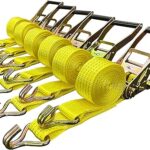
Use Go Rhino Ratchet Straps in the USA 2026
January 20, 2026
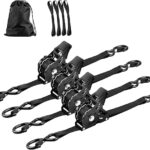
Go Rhino Retractable Ratchet Straps in USA 2026
January 22, 2026What Is a GO Rhino Tire Pressure Gauge and Why Does It Matter?
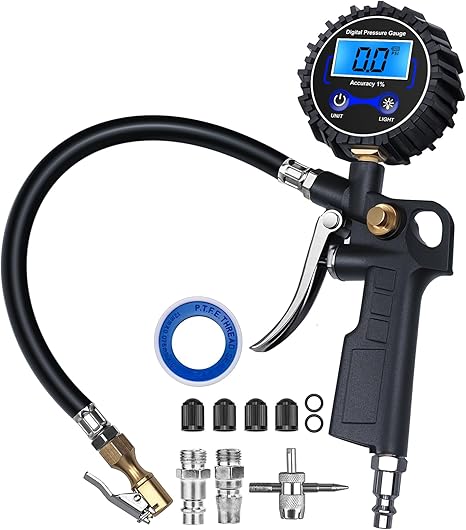
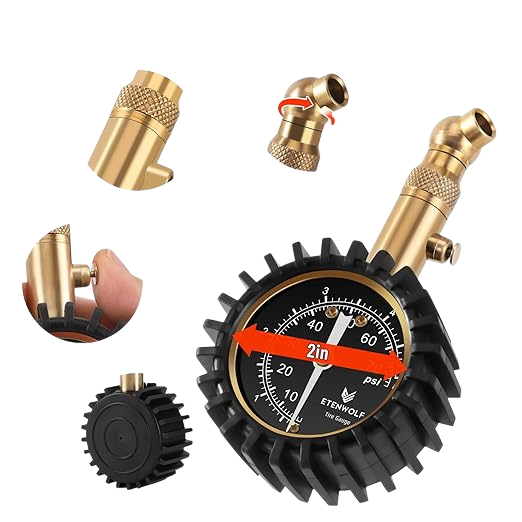
A GO Rhino tire pressure gauge from Rhino USA helps drivers check tire pressure quickly and accurately. Proper tire pressure improves safety, saves fuel, and makes tires last longer. These gauges come in analog and digital styles built for everyday cars, trucks, and off-road vehicles.
Key Features to Know:
- Solid brass hardware for durability
- Braided hoses that reach tight spots
- Clear displays for easy reading
- Multiple PSI ranges for different vehicles
Why accuracy counts:
Small changes in pressure affect how to read gas station tire pressure gauge your vehicle handles and how much gas you use. A good gauge gives you peace of mind on every drive.
Which GO Rhino Tire Pressure Gauge Should You Buy?
Choosing the right model depends on your vehicle and how to check tire pressure at the gas station you drive. Consider your needs first.
How Does the GO Rhino Tire Pressure Gauge Compare to Other Options?
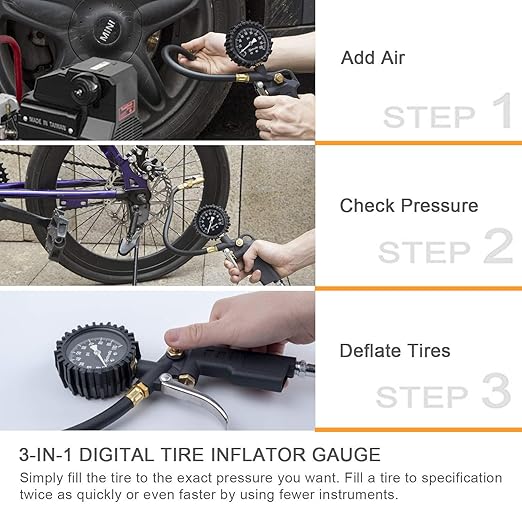
Many tire pressure gauges exist, but GO Rhino stands out for its heavy-duty feel and reliable performance. Here is a simple comparison of popular choices.
Quick Comparison Table: Rhino USA Tire Pressure Gauges
Gauge Model | Display Type | Max PSI Range | Best Use Case |
GO Rhino Heavy Duty Analog | Glow Dial | 75 PSI | Daily cars and light trucks |
GO Rhino Digital | Backlit LCD | 150 PSI | Versatile day and night use |
GO Rhino Inflator Combo | Hybrid Dial | 200 PSI | Trucks and RVs |
Basic Pencil Style | Stick Reading | 60 PSI | Quick budget checks |
Premium Competitor Digital | LCD Screen | 100 PSI | Compact storage needs |
High End Off-Road Gauge | Analog | 250 PSI | Extreme trail conditions |
What sets GO Rhino apart:
Its combination of toughness and user-friendly design makes it a practical pick for most American drivers.
What Myths About Tire Pressure Gauges Should You Ignore?
Many drivers believe old ideas that can lead to mistakes. Here we clear up some common myths.
Myth Busting:
- Myth: You can tell tire pressure just by looking at the tires. Fact: Visual checks miss small but important changes. A gauge gives exact numbers.
- Myth: Any cheap gauge works as well as premium ones. Fact: Lower quality models often lose accuracy faster over time.
- Myth: Sidewall numbers show the right pressure to use. Fact: Always use the recommended pressure listed on the vehicle door.
- Myth: Digital gauges are always more accurate than analog. Fact: Well-made analog gauges can be just as reliable without needing batteries.
- Myth: You only need to check tires before long trips. Fact: Monthly checks catch gradual changes from weather or normal driving.
What Are the Top Reasons to Choose a GO Rhino Tire Pressure Gauge?
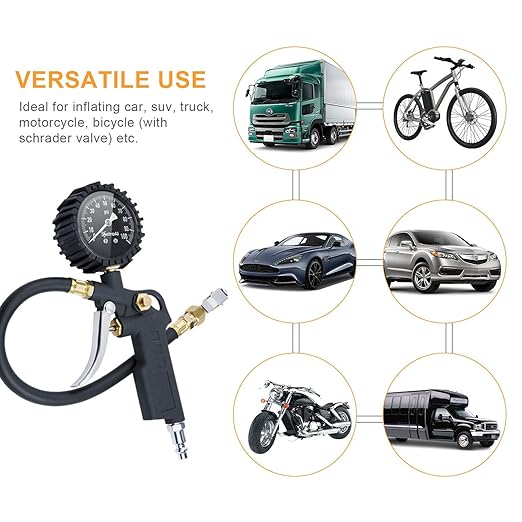
People pick these gauges for solid reasons that improve daily driving. Here are the main benefits explained simply.
Reason Number | Main Benefit | Real Advantage |
1 | Certified accuracy | Trustworthy readings every time |
2 | Flexible braided hose | Easy access to all valve stems |
3 | Durable construction | Lasts through rough daily use |
4 | Clear visibility options | Works well in low light |
5 | Wide vehicle compatibility | Fits cars to heavy trucks |
6 | Simple one-handed operation | Fast checks without extra help |
How to check tire pressure gas station these add up:
Together they create a tool that feels dependable and saves time at the gas station or before long trips.
How Do You Use a GO Rhino Tire Pressure Gauge Correctly?
Using the gauge takes only a few minutes once you know the steps. Follow this guide for the best results.
Step-by-Step Instructions:
- Park your vehicle and wait until the tires are cold.
- Remove the valve cap from the tire.
- Press the chuck firmly onto the valve stem.
- Read the pressure on the display right away.
- Compare it to the number on your door jamb sticker.
- Add or release air as needed.
- Replace the valve cap when finished.
Helpful reminders:
Always check all four tires plus the spare. Do this at least once a month for better safety and efficiency.
Â
What Problems Can Occur with Tire Pressure Gauges and how to read tire pressure gauge at gas station You Fix Them?
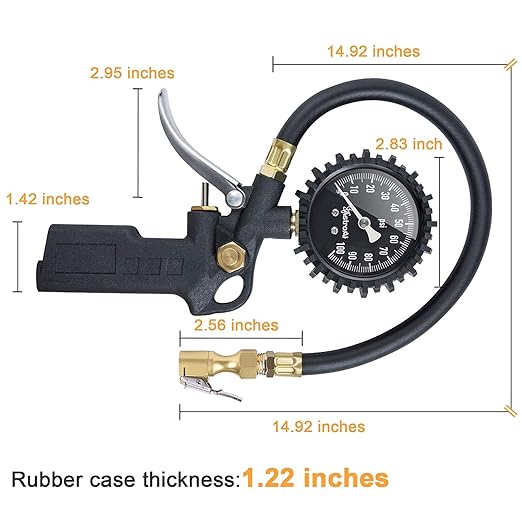
Even good gauges can have small issues from time to time. Knowing common problems helps you solve them fast.
Problems and Solutions Table:
Common Problem | Possible Cause | Simple Fix |
No reading appears | Poor seal on valve stem | Press chuck straight and firmly |
Inconsistent numbers | Dirt or debris inside chuck | Clean gently with a dry cloth |
Hard to reach valve | Short hose on basic models | Use longer braided hose models |
Hard to see at night | No backlight on basic gauges | Choose models with glow or lighted tip |
Air leaks during check | Loose connection | Hold steady until hiss stops |
Quick tip for lasting performance:
Store the gauge in a dry place and wipe it clean after each use to keep it working well.
The Everyday Tire Problems I’ve Seen (and Lived) for Years
Cheap gauges and dashboard TPMS have their limits. Here’s what I’ve dealt with personally and watched thousands of others fight:
- Fuel economy slipping easily $150–200+ extra per month on high-mileage driving from even small underinflation
- Tires wearing unevenly and needing replacement way too soon (hundreds of dollars down the drain)
- TPMS alerts that only kick in after the damage is already rolling
- Spotty, inconsistent readings from budget tools that make every check feel like a coin toss
I’ve followed enough fleet reports and DOE numbers over the years to know that a 10 PSI underinflation across tires can cut fuel efficiency noticeably and on a truck or loaded rig, those numbers add up fast.
Why I Started Using the GO Rhino 200 PSI Inflator Gauge and Why It Stayed
After trying (and tossing) plenty of other options, I picked up this analog-digital hybrid. It’s rugged, practical, and built for the kind of abuse you see in shops, job sites, and trails.
What I like about it after months of regular use on my truck (hauling gear) and family car (road trips):
- Built-in inflator and bleed valve I can fine-tune pressure right there at the tire, no extra tools needed
- Tough brass chuck, braided hose, and 360° swivel reaches even the awkward valve stems on lifted trucks or trailers
- Large, clear dial + lighted nozzle quick, no-squint reads in the dark, dust, heat, or cold
- ANSI-certified accuracy holds up through real-world conditions I throw at it
Results I’ve tracked in 2026
- Clear fuel savings easily $1,000+ a year for high-mileage users like me
- Tires wearing more evenly no premature replacements in sight
- Checks take under 4 minutes, and I trust the numbers every time
- Early catches on slow leaks that could have become bigger problems
In today’s conditions, this combo tool gives me the control that TPMS alone can’t match. It’s paid for itself fast just like the best shop tools always do.
Honest Take
The Good, the Quirks, and How I’ve Handled Them
I’m always straight about gear because I’ve installed and repaired enough to know nothing is perfect. Here’s the real picture after months of daily use:
What keeps it in my glove box
- Solid, premium feel right out of the box built the way Go Rhino stuff should be
- Long hose and bright light makes awkward stems easy, even at night
- Thoughtful extras: pressure release valve for precise bleeding, spare valve cores, tough orange pouch that’s easy to spot in the toolbox
- Consistent readings that match my TPMS closely huge upgrade from the cheap stuff
The quirks I’ve run into (and fixed)
- Battery contact issue from the stiff shipping strip slightly bending the terminals gauge was flaky on startup at first. My fix Gently bent the terminals back into place with a small tool. One-time annoyance; a thinner strip would prevent it completely.
- Some users mention occasional bleed/holding issues after heavy use (needing the release button for a stable read). Hasn’t happened to me yet, but it’s something to watch. Rhino’s lifetime warranty and customer service (email-based, so patience helps) back it up solidly.
- Runs on three LR44 coin cells easy to swap, but I’d love a USB-rechargeable version for ultimate roadside reliability.
After that quick initial tweak, it’s been rock-solid and far more dependable than the budget gauges I grew up cursing in the shop.
Key Takeaways from 30+ Years of Hands-On Work
- Check often weekly or before any long trip; seasonal temperature swings sneak up fast
- Quality pays ANSI-certified tools deliver measurable savings in fuel, tires, and downtime
- Don’t rely only on TPMS it’s a good warning system, but hands-on checks catch issues earlier, especially under load
- Do Use the bleed valve for precision, store it visibly, cross-check accuracy now and then
- Don’t Stick with inconsistent cheap gauges long-term, ignore small quirks (fix them early)
Tire pressure isn’t glamorous, but it’s one of the smartest, simplest ways to keep your vehicle running safer and cheaper. For anyone who drives seriously whether hauling for work, hitting trails on weekends, or just logging family road trips the GO Rhino gauge is the kind of tool I wish I’d had more of back in my dad’s shop days.
10 Pros of GO Rhino Tire Pressure Gauges
- Exceptional build quality: Solid brass hardware and rugged protective grips withstand drops and harsh use.
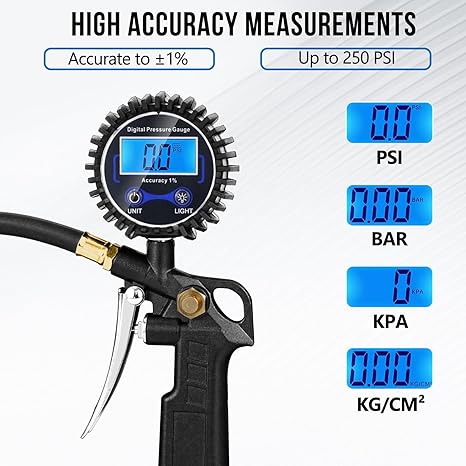
- ANSI B40.1 certified accuracy: Delivers reliable ±1.5% readings, trusted for professional and off-road needs.
- Large, easy-to-read dial: 2-inch glow-in-the-dark face provides clear visibility day or night.
- Flexible braided hose: 16+ inch length with 360° swivel chuck reaches awkward valve stems easily.
- No batteries required (analog models): Mechanical design makes sure fail-proof operation in any condition.
- Pressure lock feature: Holds reading until reset, making it convenient for awkward positions.
- Versatile PSI ranges: Options from 60–250 PSI suit cars, trucks, RVs, motorcycles, and off-road vehicles.
- Excellent customer support: Lifetime replacement policy and responsive USA-based team.
- Off-road ready: Durable for airing down/up on trails without frequent failures.
- High overall user satisfaction: Frequently praised for longevity and outperforms cheap alternatives.
10 Cons of GO Rhino Tire Pressure Gauges
- Larger size: Bulkier than compact pencil-style gauges, harder to store in small gloveboxes.
- Requires two hands for best use: Hose design makes single-handed operation tricky on some tires.
- Potential for inconsistent seal: Chuck may release air if not pressed perfectly straight.
- Glow duration limited: Dial glow fades relatively quickly in very dark conditions.
- Higher price point: Premium build costs more than basic budget models.
- Occasional accuracy drift reports: Some users note minor variances after heavy use or time.
- Not the most consistent in lab tests: Ranked below top competitors for repeatability in independent reviews.
- No digital memory function: Analog versions lack data logging or multiple-unit switching.
- Chuck alignment issues: Shorter guide posts make perfect valve connection harder than deeper designs.
- California Prop 65 warning: Some digital models contain DEHP (chemical exposure notice).
GO Rhino gauges feature ANSI B40.1 certified accuracy, solid brass hardware, and premium braided hoses that resist wear from daily use or off-road conditions. This heavy-duty construction makes consistent readings over time, unlike cheaper options that can drift or fail quickly. Their rugged design makes them ideal for cars, trucks, and RVs where precision really matters.
Yes, digital models use standard batteries for their backlit LCD screens and lighted nozzles. Most users report the batteries last several months to over a year with regular use, and many include an auto shut-off feature to conserve power. Always keep spares handy for long trips or remote adventures.
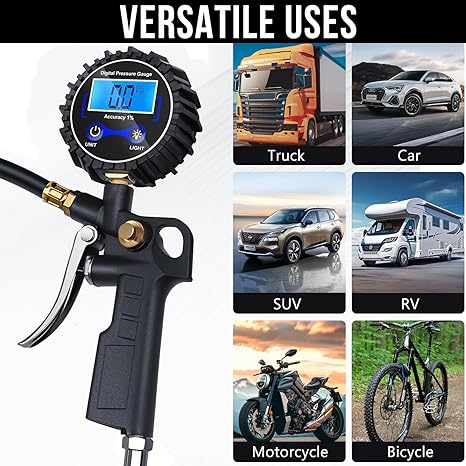
Absolutely GO Rhino offers versatile PSI ranges (like 60-75 PSI for cars/motorcycles and higher 150-250 PSI models for trucks/RVs), so one gauge often covers multiple vehicles. The 360° swivel chuck and flexible hose make it easy to reach different valve stem styles without hassle.
Rhino USA provides a no-questions-asked lifetime replacement policy on most tire pressure gauges. If your gauge ever fails or shows issues due to normal use, contact their USA-based support team for a free replacement. This strong backing reflects their confidence in the product's durability.
Analog models excel in off-road scenarios because they require no batteries and deliver instant mechanical readings even in extreme weather or dust. The large glow-in-the-dark dial remains visible without electronics, making them a reliable backup when digital options might struggle.
The door jamb sticker lists the manufacturer's exact recommended pressure for your specific vehicle load and configuration, optimizing safety, handling, and fuel efficiency. The sidewall max PSI is the tire's absolute limit, not the ideal everyday setting that always follows the vehicle specs.
Experts recommend checking at least once a month and before any long road trip. Temperature changes can cause PSI fluctuations of about 1 PSI per 10°F, so regular checks with your accurate GO Rhino gauge help catch issues early and maintain peak performance.
Yes, properly inflated tires reduce rolling resistance, which directly improves fuel efficiency and can save money at the pump over time. GO Rhino's precise readings let you hit the exact recommended PSI, preventing underinflation that quietly increases fuel consumption.
A brief hiss is normal as the chuck seals and equalizes pressure just press firmly and straight until it stops for an accurate reading. If excessive air escapes, double-check your connection or clean any debris from the valve stem to make sure it is a tight fit.
First, clean the chuck thoroughly and test on cold tires multiple times for consistency. If issues persist, take advantage of the lifetime replacement policy by reaching out to Rhino USA support. Their team will quickly send a new unit to restore your confidence in every check.
Why GO Rhino Tire Pressure Gauges Are a Smart Choice in 2026
After exploring features, comparisons, real-world use cases, common challenges, expert advice, and honest pros & cons, one thing stands clear: GO Rhino tire pressure gauges (from Rhino USA) deliver rugged, reliable performance that goes far beyond basic tools.
These heavy-duty gauges combine certified accuracy, durable brass-and-braided construction, thoughtful features like glow dials and lighted nozzles, and exceptional lifetime support all adjust for American drivers who demand consistency on highways, backroads, and trails alike. While they may require a slightly higher initial investment and careful handling for perfect readings, the long-term payoff in safety, fuel savings, extended tire life, and total peace of mind is hard to beat.

