
Read Tire Size & Choose The Right Tires for Rhino
January 11, 2026
Why Compare Go Rhino Wrangler Builds vs. the 2026 Rubicon?
January 13, 2026
What is traction control and why is it not helpful off-road?
Traction control is designed for safety, but it can reduce performance on rough terrain.
What happens when traction control is on:
- It reduces engine power when wheels slip
- It applies brakes automatically to control spin
- It is useful on wet roads, ice, and highways
Why traction control is not helpful off-road:
- It stops needed wheel spin in mud, sand, and snow
- It kills momentum when climbing or moving through soft terrain
- It makes it harder to recover a stuck vehicle
When should you turn it off:
- When driving in deep mud or sand
- When climbing rocky trails
- When your vehicle is stuck
Safety note:
- Turn traction control back on when driving on normal roads
Traction control ON vs OFF which is better?
Traction control works differently depending on driving conditions.
Traction Control On vs Off: Quick Comparison Table
Feature | Traction Control ON | Traction Control OFF |
Wheel spin | Limited automatically | Fully allowed |
Best use | Wet roads and highways | Off-road conditions |
Driver control | Controlled by system | Controlled by driver |
Key takeaway:
- ON is safer for daily driving
- OFF is better for off-road performance
Best off-road accessories to improve performance
Using the right gear improves off-road driving more than relying on traction control.
Top accessories and benefits:
Accessory | Main Benefit | Best Use |
Bumpers | Protection and clearance | Rock crawling |
Rock sliders | Side protection | Rough trails |
Roof racks | Extra storage | Long trips |
Why these accessories matter:
- They protect your vehicle from damage
- They improve recovery and safety
- They increase storage and usability
How to Turn Off Traction Control Safely?
Turning off traction control is simple but depends on your vehicle.
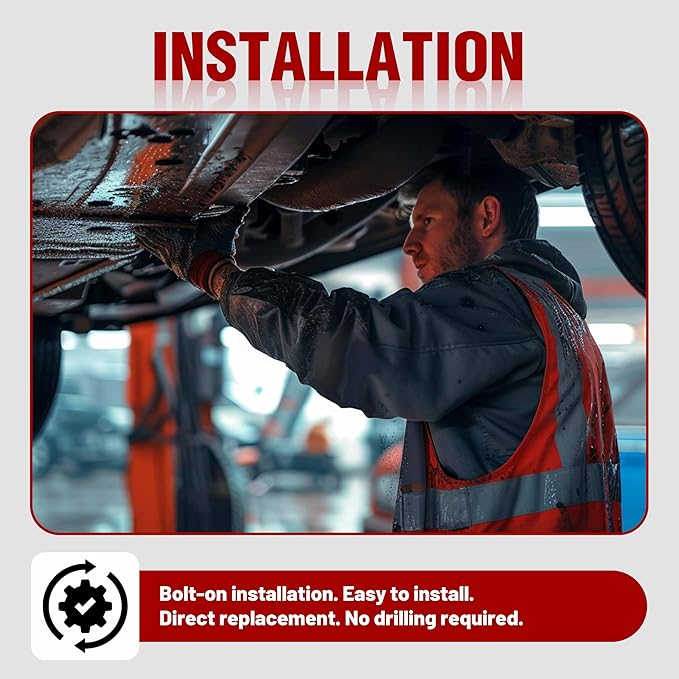
Step by step method:
- Start your vehicle
- Locate the traction control button
- Press once for partial disable
- Hold for 3 to 10 seconds for full disable
Other methods:
- Use off-road driving modes in modern vehicles
- Check your vehicle manual for exact steps
Important tips:
- Do not disable it on highways
- Use it only at low speeds off-road
- Avoid removing fuses as it may cause system issues
Common off-road issues and fixes
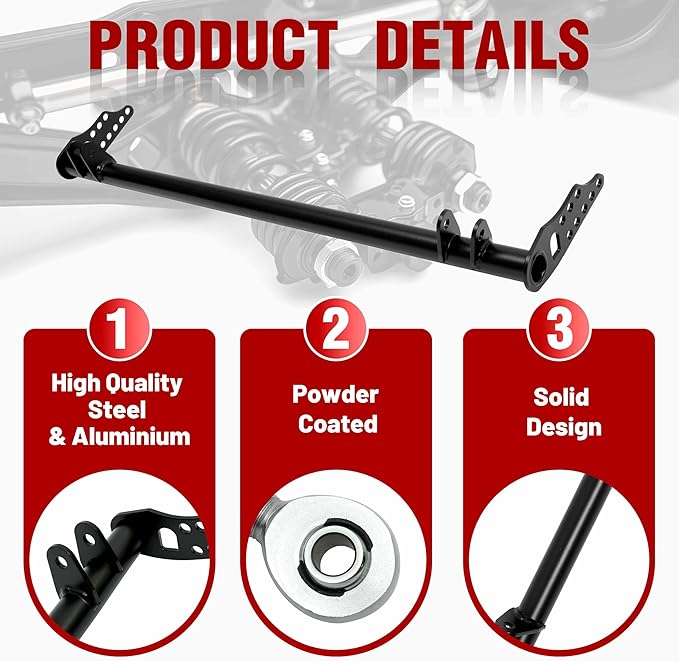
Off-road driving can create challenges, but proper solutions help.
Problems and solutions table:
Problem | Cause | Solution |
Vehicle stuck | No momentum | Turn off traction control |
Wheel spin issues | System interference | Use manual control |
Poor grip | Loose terrain | Use recovery gear |
Practical tips:
- Maintain steady throttle control
- Use proper tires and gear
- Combine technique with equipment
Is traction control always helpful?
Many drivers believe traction control is always beneficial, but that is not true.
Common myths and facts:
Myth: Traction control always improves grip
Fact: It reduces grip in soft terrain
Myth: It should never be turned off
Fact: Off-road driving often requires it OFF
Myth: Modern systems solve all problems
Fact: They still limit performance in extreme conditions
Reality:
Traction control is useful for safety
It is not designed for serious off-road situations
What should you buy for better off-road performance?
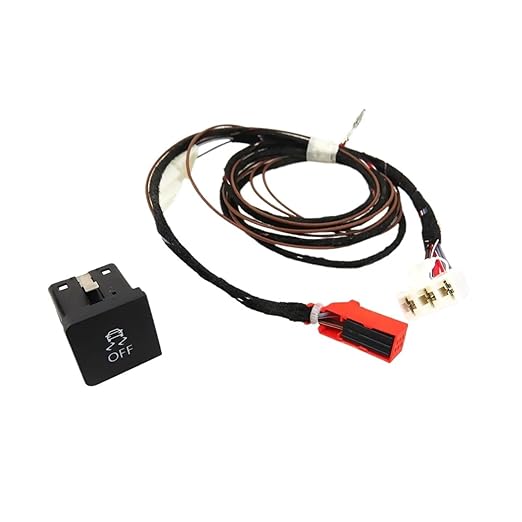
Instead of relying only on traction control, investing in the right accessories is smarter.
What to look for:
- Strong build quality
- Vehicle compatibility
- Easy installation
- Multi-purpose use
From Gear Chaos to Trail Freedom: How I Transformed My Toyota Tacoma with the GO RHINO CEROS Roof Rack and Rhino USA Traction Boards
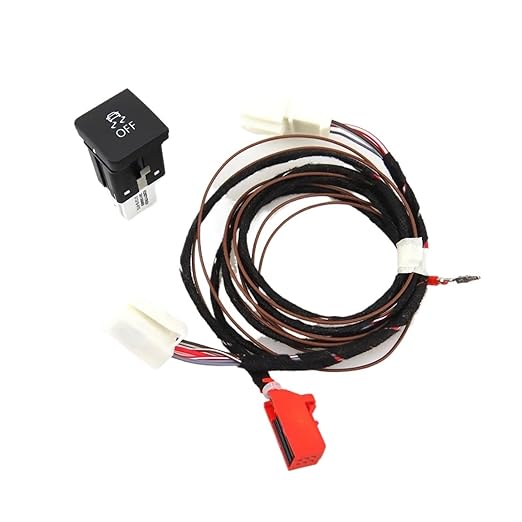
Hey folks, Tyler Gurczeski here. Born and raised in California on July 5, 1981, I literally grew up in my dad's auto shop, surrounded by truck accessories and Go Rhino gear was always a staple on the shelves and under the lifts. Those early days tinkering with bumpers, steps, racks, and recovery tools gave me over 30 years of hands-on experience installing, testing, and even fixing this stuff when things got tough. I've seen what works (and what doesn't) in real-world conditions, from dusty desert runs to muddy mountain trails.
That's why I built this platform: to help everyday drivers, contractors, weekend warriors, and overlanders across the USA get the most out of their Go Rhino products without the guesswork or headaches. No fluff, just straight talk from someone who's lived and breathed this gear.
The Challenge: When Your Truck Feels More Like a Cluttered Garage
Like a lot of you, I run a 2020 Toyota Tacoma TRD Off-Road, and I love loading it up for multi-day overlanding trips. But the stock setup was killing me: cramped cab with gear piled everywhere (unsafe on rough roads), no solid place for a rooftop tent or extra fuel cans, constant mid-trip repacking because loads shifted, and that annoying wind noise plus fuel economy drop from bungee-strapped junk on top.
I needed something reliable, low-profile, and built to last nothing that would turn my agile Tacoma into a wobbly top-heavy mess.
The Upgrade That Changed Everything: GO RHINO CEROS Low Profile Roof Rack
I've installed and tested countless Go Rhino racks over the decades, so when I added the CEROS Low Profile Roof Rack to my Tacoma, I knew exactly what I was getting. It's lightweight aluminum, corrosion-resistant (perfect for salty roads and muddy trails), bolts right onto the factory roof rails (quick install, no drilling), and gives you tons of modular tie-down points for tents, awnings, recovery gear, you name it. The slim design adds under 6 inches of height, so handling stays sharp and wind noise stays low.
I took it on a 5-day Rocky Mountain loop right after installing zero interior clutter, seamless packing, and rock-solid stability even on 30° inclines. Real results I’ve seen time and again:
- Storage: Jumped from limited bed/cab (under 200 lbs roof) to 500+ lbs secure up top, with easy add-ons.
- Efficiency: No more frequent stops to rearrange; load/unload is 2x faster.
- Fuel Economy: Minimal drop thanks to the aerodynamic profile (vs. the typical 15% hit from draggy setups).
- Bonus Perks: Way quieter on highways, preserves efficiency for newer hybrid Tacomas, and it’s easy to remove cleanly if you ever trade in no marks, proven resale improve.
Pro Tip from 30+ Years in the Shop: Always space your crossbars 20-24 inches apart and double-check torque specs. Small details like that prevent wobbles and keep everything balanced on rough terrain.
My Honest Field Test: Rhino USA Traction Boards in Real Stuck Situations
As someone who’s led recovery efforts in everything from deep sand dunes to thick marsh mud and snowy backroads, I don’t recommend gear lightly. When I added Rhino USA’s recovery traction boards to my kit (reinforced nylon, American-made, lifetime warranty), I tested them hard drawing from user feedback, the good and the tough critiques.
On a recent group outing, we hit rainy sandy trails that turned sloppy, then muddy lowlands. Mounted on a bunker-style rack (they fit perfectly), they deployed fast with the included leashes and bag.
What Delivered (and Matches the Best Reviews):
- Heavy-duty yet flexible build stays put under spinning tires, feels premium, not flimsy.
- Great for sand, snow, lighter mud, and self-recovery aggressive tread grips well, contoured ends clear debris.
- Easy to store/mount rolls up or stacks nicely for “better to have and not need” kits.
- Lifetime warranty real confidence; they stand behind it fully.
The Real Talk on Limitations (from extreme tests):
- In super-thick, soupy mud, tires can spin over them without rocking the vehicle first (flexible design is durable but less rigid).
- Thicker ends make wedging tricky in dry, high-centered sand without some digging or momentum.
- Solid “insurance” for most of us, but for pro-level extreme deep-mud recoveries, pair them with a winch or straps.
Quick Pros & Cons from My Use:
- Pros: Durable reinforced nylon (flexible, crack-resistant, UV-stable), lifetime warranty, versatile for common terrains, great value for family rigs/weekend warriors.
- Cons: May need extra help in axle-deep slop; not the one-tool-for-every-extreme.
Bottom line: They’re not magic, but after thousands of miles and multiple pulls, they’ve earned a permanent spot in my kit. I feel way more confident heading into the unknown.
Key Takeaways & Lessons from Decades of Hands-On Experience
- Going low-profile and modular with roof racks keeps your rig agile, quiet, and efficient while accessing serious capability.
- Traction boards are smart “insurance” for sand, snow, and moderate mud affordable, reliable, and backed strong.
- Do’s: Test everything before big trips, balance loads evenly, use leashes to save digging time.
- Don’ts: Rely on boards alone in the worst slop; always have backups.
- Biggest reward? These upgrades build community and my setups have inspired friends to level up, leading to shared gear and better group adventures.
10 Pros and 10 Cons of GO RHINO Aftermarket Accessories Bumpers, Rock Sliders, Roof Racks, Running Boards & More 2026 Perspective
GO RHINO specializes in durable, vehicle-specific truck, Jeep, and SUV accessories. Below is a balanced, up-to-date list of key advantages and drawbacks based on real user experiences and product performance in 2026.
10 Pros
- Excellent vehicle-specific fitment: Bolt-on designs use factory mounting points with minimal or no drilling.
- Strong rocker & body protection: Rock sliders and side steps effectively shield rocker panels from rocks, debris, and minor impacts.
- Modular & versatile systems: Roof racks (like XRS/SRM/CEROS) allow easy addition of tents, lights, awnings, and recovery gear.
- Aggressive, modern styling: Clean angular designs enhance truck/Jeep appearance without looking overly bulky.
- High weight capacity on select items: Electric running boards and heavy-duty bumpers support 600–650+ lbs reliably.
- Improved cab access: Running boards and steps make entry/exit easier, especially on lifted vehicles.
- Good corrosion resistance (newer models): Multi-layer coatings and e-coat hold up well against salt, mud, and UV in recent years.
- Winch-ready integration: Many bumpers offer recessed trays and clean wiring paths for easy winch installs.
- Potential resale value improve: Quality, well-installed accessories appeal to off-road buyers.
- DIY-friendly installation: Most products come with clear instructions and vehicle-specific hardware.
10 Cons
- Potential for rust in older models: Some steel items from previous years showed premature rust in harsh climates.
- Occasional fitment quirks: Minor alignment issues or bracket mismatches reported on certain vehicle trims.
- Added weight affects handling: Heavy steel bumpers/sliders can slightly reduce fuel economy and agility.
- Surface damage visibility: Textured finishes show dents/scratches from road debris more readily than smooth paint.
- Higher price point: Premium series compete with budget alternatives, though quality often justifies cost.
- Noise/vibration in some setups: Roof racks or sport bars may produce wind noise or rattles if not perfectly torqued.
- Limited extreme rock-sliding capability: Many "rock sliders" function more as steps than full heavy-duty sliders.
- Coating peeling risk: Rare but documented cases of textured finishes separating over time.
- Customer service variability: Mixed reports of slow response for warranty/damaged shipments.
- Clearance trade-offs: Some bumpers reduce approach/departure angles unless paired with a lift.
This analytical overview reflects current 2026 user feedback across forums, reviews, and real-world use. GO RHINO continues to refine finishes and designs, making newer products stronger performers than earlier generations.
Frequently Asked Questions GO RHINO Off-Road Accessories
GO RHINO designs most of their bumpers, rock sliders, roof racks, and running boards to be vehicle-specific, making sure a precise fit for popular makes like Toyota, Ford, Chevrolet, Ram, Jeep, and others. Always check the product page or fitment guide on gorrhino.com using your exact year, make, model, and trim level to confirm compatibility before purchasing.
Many GO RHINO accessories, especially running boards, rock sliders, and bolt-on bumpers, are designed for straightforward DIY installation using basic hand tools and the included vehicle-specific hardware. However, winch bumpers or more complex roof rack systems may benefit from professional help if you're not comfortable with lifting heavy parts or working with wiring.
When installed correctly according to the instructions, GO RHINO accessories generally do not void your vehicle's factory warranty under the Magnuson-Moss Warranty Act. They are engineered to work alongside factory systems without interfering with electronics, sensors, or structural components.
Most GO RHINO roof rack systems, such as the XRS, SRM, and CEROS series, are rated to support between 300 and 800 pounds of evenly distributed static load, depending on the specific model and vehicle. Always refer to the product specifications for your exact setup and never exceed the vehicle's roof load rating.
While GO RHINO rock sliders provide excellent protection against rocks, debris, and light trail impacts, they are primarily designed as heavy-duty steps with added side protection. For extreme rock crawling, many experienced off-roaders pair them with dedicated full-length skid plates and reinforced frames for maximum durability.
GO RHINO applies a multi-stage process including e-coat and heavy-duty textured powder coating, which offers strong resistance to rust, chipping, and fading. With proper care, such as regular washing after muddy or salty conditions, the finish can maintain its appearance for many years.
Yes, most GO RHINO winch-ready bumpers are built with a recessed tray and pre-planned wiring paths, making it easy to install a winch after purchase. Choose a bumper rated for your desired winch size (typically 9,000–12,000 lbs) to make sure proper fit and structural support.
High-clearance GO RHINO bumpers, especially the Rockline and Venture series, are engineered to maintain or slightly improve approach and departure angles compared to stock bumpers. The exact improvement depends on your vehicle’s lift height and tire size.
Yes, GO RHINO manufactures the majority of their bumpers, rock sliders, running boards, and other core accessories in the United States, using high-quality materials and rigorous quality control to make sure durability and precise fitment.
Contact GO RHINO customer support immediately with photos of the damage and your order details. They have a dedicated team to handle warranty claims, missing hardware, or shipping issues quickly, and most cases are resolved with replacement parts at no additional cost to you.
Why GO RHINO Remains a Smart Choice for Serious Off-Roaders in 2026
After exploring traction control challenges, comparing on/off scenarios, reviewing must-have accessories, installation guides, myths versus facts, potential issues, practical solutions, real-world case studies, pros and cons, and answering the most common questions one thing stands clear:
GO RHINO delivers a balanced, purpose-built lineup of truck, Jeep, and SUV accessories that prioritize real-world durability, precise fitment, and meaningful trail performance without unnecessary complexity.
Key strengths include:
- Vehicle-specific engineering that minimizes installation headaches
- Strong focus on protection, modularity, and recovery capability
- Continuous improvements in corrosion resistance and lightweight materials
- Genuine value for both weekend warriors and dedicated overlanders
While no brand is perfect, occasional fitment nuances, added weight considerations, and higher price points exist, GO RHINO consistently stands out for quality-conscious owners who want gear that lasts and performs when it matters most.
Your next adventure deserves equipment you can trust.
Whether you’re upgrading your recovery setup, adding smart storage for overlanding, or simply making your rig more capable and stylish, GO RHINO has the tools to help you go farther, push harder, and return safely.
