
Go Rhino Dominator D1 Side Steps in USA 2026
February 12, 2026
Complete Guide Go Rhino Brush Guard in USA 2026
February 14, 2026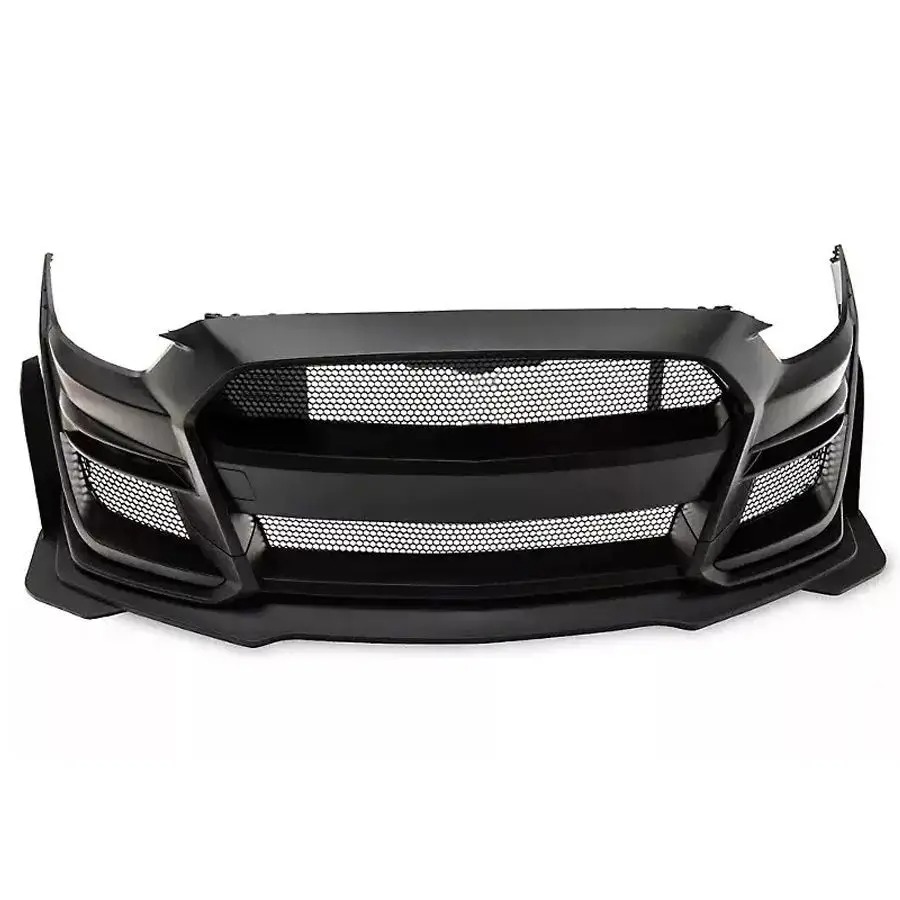
What Is a Go Rhino Front Bumper and Why Do Truck Owners Install It?
A front bumper is one of the most important protection components on a truck or SUV. A Go Rhino front bumper is an aftermarket upgrade designed to improve vehicle protection, recovery capability, and overall appearance.
These bumpers are usually made from heavy-duty steel plates and designed to handle rough driving conditions such as rocky trails, off-road terrain, or daily work environments. Many models also include mounting points for accessories like winches and LED lights.
Key Information
- Built using thick steel construction for better impact resistance
- Often includes integrated recovery points for towing or pulling
- Designed with factory sensor compatibility for modern vehicles
- Compatible with trucks like Ford F-150, Ram 1500, Silverado, and Jeep Wrangler
Why Many Drivers Upgrade
- Better protection against rocks and debris
- More aggressive truck appearance
- Additional mounting options for off-road accessories
- Improved recovery capability during off-road driving
How Does a Go Rhino Front Bumper Compare to Other Options?
Many truck owners compare Go Rhino bumpers with other aftermarket options before upgrading. The comparison below highlights some major differences.
Head-to-Head Comparison Table (2026 Models)
Feature | Go Rhino Front Bumper | Typical Aftermarket Bumper |
Material | Heavy-duty steel construction | Steel or mixed materials |
Installation | Mostly bolt-on using factory points | May require drilling |
Winch Support | Many models are winch-ready | Limited compatibility |
Sensor Compatibility | Designed for modern sensors | Not always supported |
Durability | Zinc + powder coat protection | Basic paint or coating |
Off-Road Features | Recovery points and skid plates | Limited features |
Price Range | Mid-to-premium category | Low to mid range |
Comparison Insight
- Go Rhino focuses on strength and modular design
- Many cheaper bumpers focus only on appearance
- Recovery points and winch support make Go Rhino more practical for off-road use
What Are the Most Popular Go Rhino Front Bumper Features?
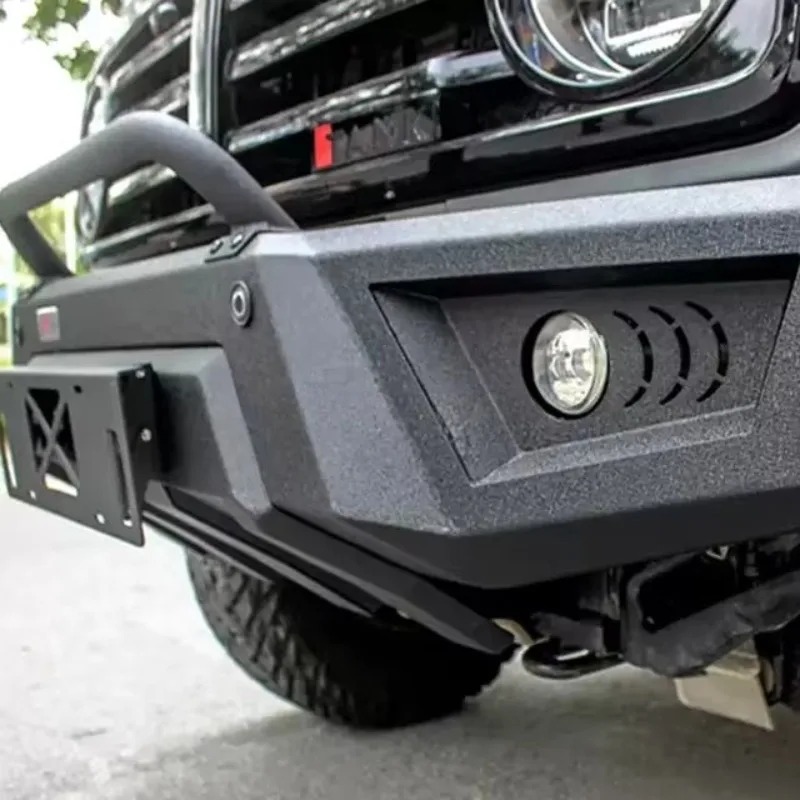
Truck owners often choose Go Rhino bumpers because of their combination of strength, functionality, and design.
Feature | What It Does | Why It Matters |
Heavy-duty steel body | Resists impact and damage | Better protection |
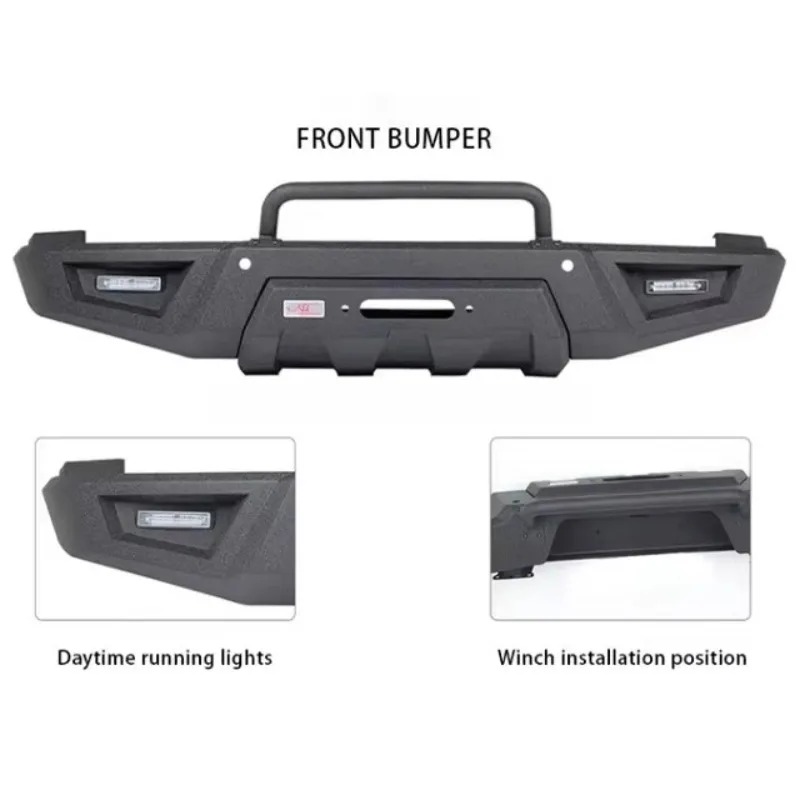
Winch mounting plate | Allows winch installation | Recovery support |
LED light slots | Supports light bars and cube lights | Improved night visibility |
Integrated recovery points | Secure pulling or towing | Off-road safety |
Sensor-safe cutouts | Keeps parking sensors working | Maintains factory tech |
Textured powder coat | Protects against rust | Longer lifespan |
Modular design | Supports upgrades later | Flexible customization |
Why These Features Matter
- Increase vehicle capability
- Improve safety during off-road travel
- Allow easy upgrades without replacing the bumper
How to Install a Go Rhino Front Bumper in 2026
How Can You Install a Go Rhino Front Bumper Step-by-Step?
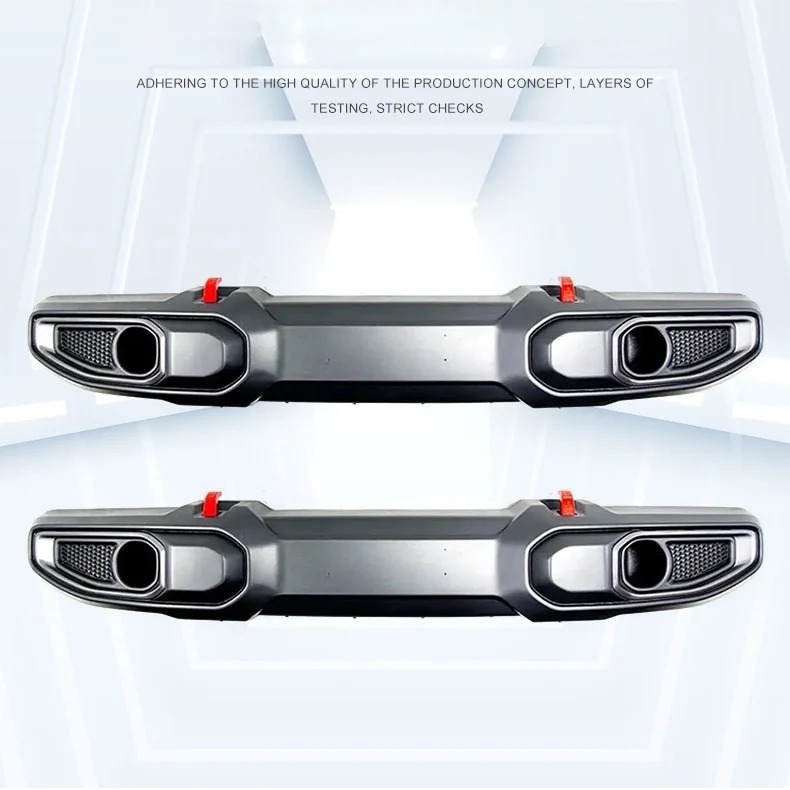
Installing a Go Rhino front bumper is usually a bolt-on process, which means it can be done using basic tools.
Tools Required
- Socket set
- Torque wrench
- Jack and jack stands
- Screwdrivers and pliers
- Optional helper (recommended)
Installation Steps
- Remove the factory bumper
Disconnect wiring and remove the original bumper bolts. - Transfer factory components
Move fog lights, sensors, and brackets to the new bumper. - Position the new bumper
Lift the bumper and align it with the frame rails. - Secure mounting bolts
Hand-tighten bolts first, then torque to specification. - Install accessories
Attach winch, light bars, or other accessories if needed. - Test all systems
Check lights, sensors, and electrical connections before driving.
Installation Time
- Light trucks: about 2–3 hours
- Heavy-duty trucks: about 3–4 hours
What Problems Can Occur with Go Rhino Front Bumpers and How Can They Be Solved?
Although these bumpers are durable, some issues can occur depending on vehicle setup.
Common Problems and Solutions
- Bumper sits too low on lifted trucks
Solution: Install frame spacers or choose a stubby bumper version. - Winch cable rubbing
Solution: Adjust the fairlead or install a roller fairlead. - Fog lights pointing too high
Solution: Adjust the light angle after installation. - Vibration noise while driving
Solution: Tighten all mounting bolts and check skid plate hardware. - Powder coat chips after heavy use
Solution: Apply textured touch-up paint to protect exposed areas.
These small adjustments usually solve most installation issues.
Are Common Beliefs About Go Rhino Front Bumpers True or False?
There are several myths about aftermarket bumpers that can confuse buyers.
Myth vs Reality
- Myth: Aftermarket bumpers ruin fuel economy
Reality: Weight increase usually causes only a small MPG change. - Myth: Sensors stop working
Reality: Modern designs include sensor-compatible cutouts. - Myth: Installation is very difficult
Reality: Most models install using factory mounting points. - Myth: Steel bumpers rust quickly
Reality: Zinc plating and powder coating reduce corrosion. - Myth: Heavy bumpers damage suspension
Reality: Most trucks handle the extra weight without issues.
Understanding these facts helps buyers make informed decisions.
What Should You Consider Before Buying a Go Rhino Front Bumper?
Before purchasing a bumper upgrade, truck owners should evaluate several factors.
Important Buying Factors
- Vehicle compatibility
• Winch capacity requirements
• Weight and suspension impact
• Sensor compatibility
• Intended usage (daily driving or off-road)
Popular Models to Consider
- BR6 series – best for half-ton trucks
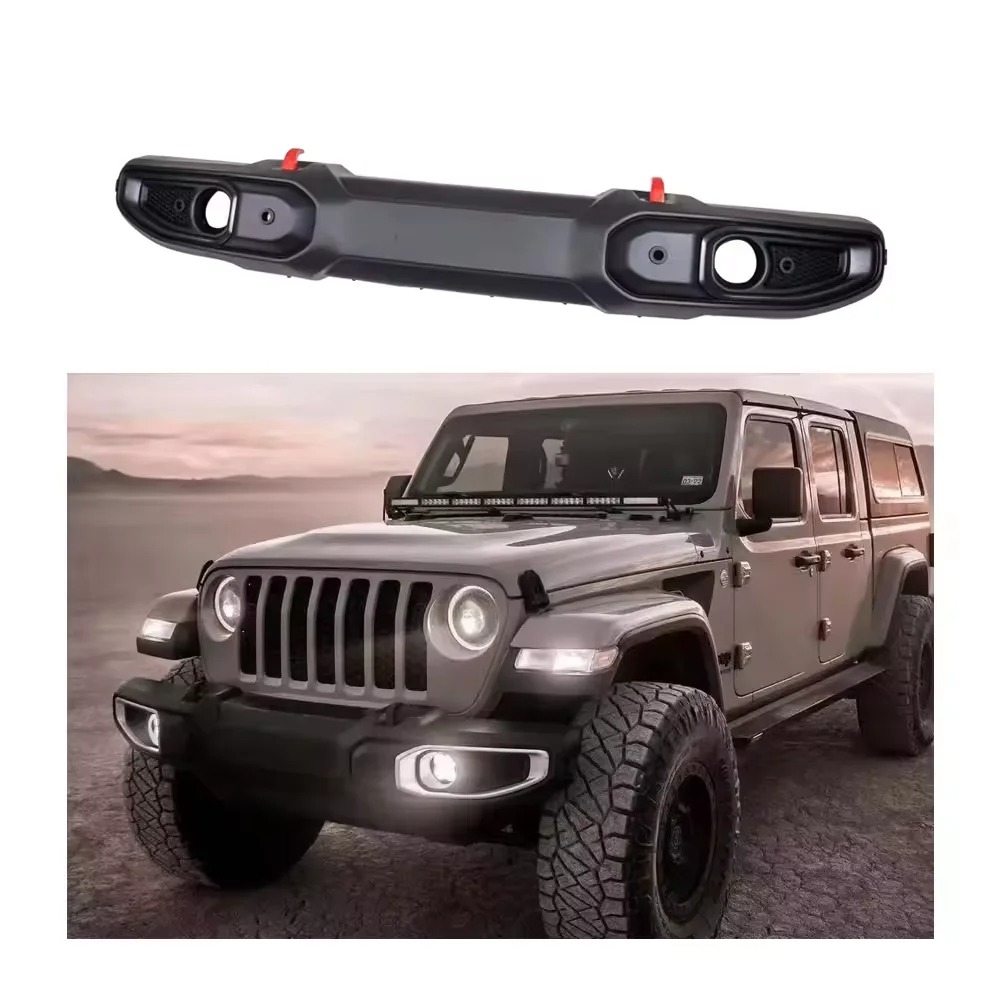
- Rockline series – ideal for Jeep off-road use
- BR11 series – designed for heavy-duty trucks
Two Real-World Go Rhino Bumper Upgrades:
My Honest Take After 30+ Years in the Game (January 2026)
I grew up elbow-deep in my dad's auto shop, surrounded by truck accessories, chrome bumpers, running boards, and stacks of Go Rhino boxes. What started as a kid helping out on weekends turned into over 30 years of hands-on experience installing, testing, tweaking, and sometimes fixing Go Rhino gear on everything from daily drivers to hardcore overland rigs.
That's why I built this platform: to give real answers to everyday drivers, contractors, weekend warriors, and overlanders across the USA who run Go Rhino products and want straightforward, no-fluff advice based on actual use.
Today, I'm sharing two fresh stories from 2026 that highlight why Go Rhino bumpers keep earning their reputation: one front-end beast on a Jeep Wrangler tackling Colorado-style punishment, and my own long-term experience with a rear bumper on a Ram 1500. Both show the same truth I've seen (and lived) for decades: these aren't just bolt-ons; they're durable investments that hold up when it counts.
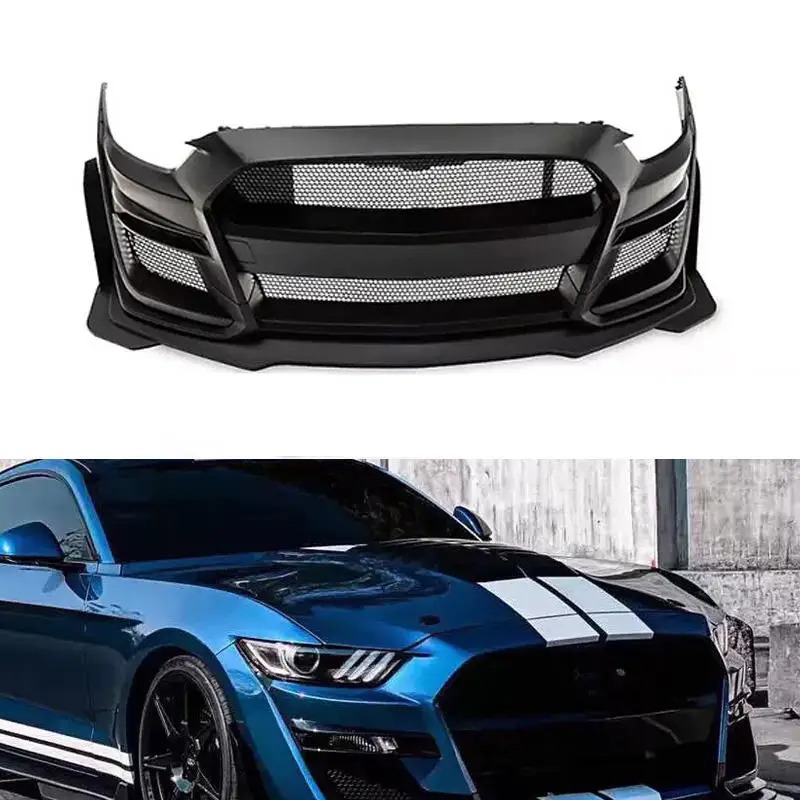
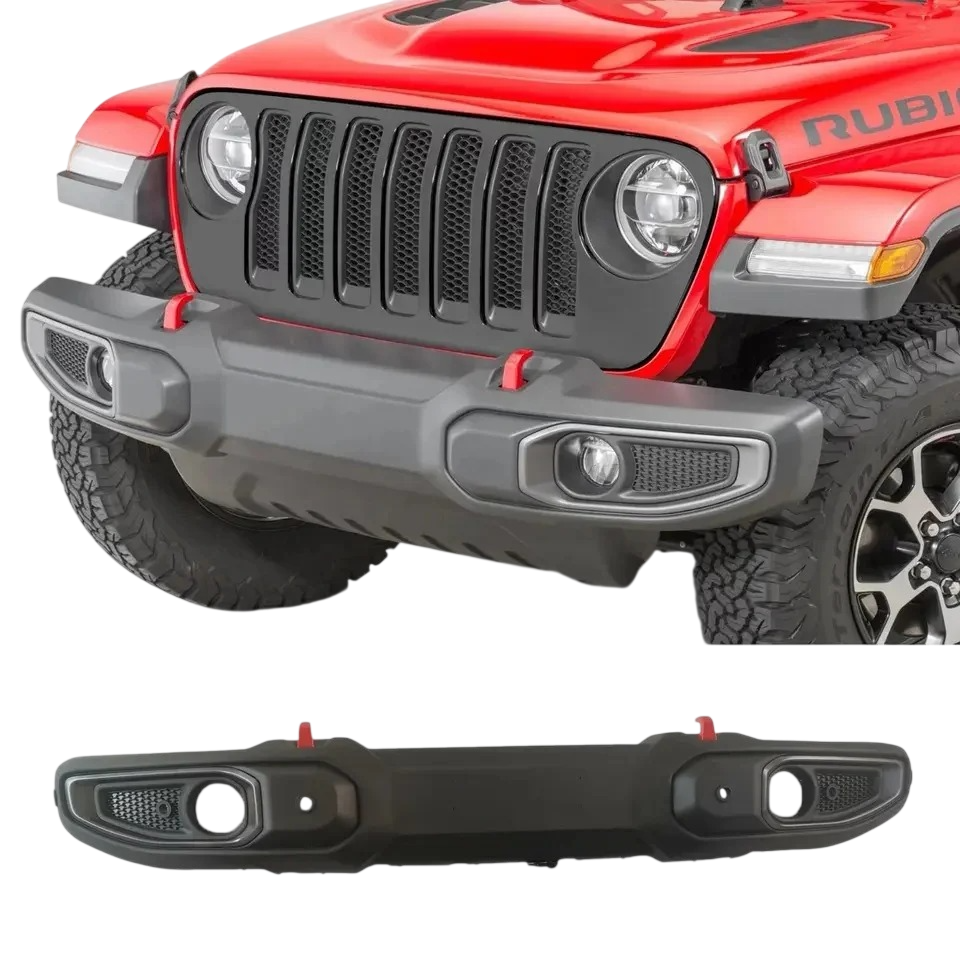
My Take on the Go Rhino Rockline Front Bumper Proven Tough on Rocky Trails
Early in 2026, I helped a fellow off-roader upgrade his Jeep Wrangler JL with the Go Rhino Rockline front bumper (winch-ready stubby with overrider bar). This guy was hitting increasingly brutal Colorado terrain deep spring mud pits, rocky creek crossings, boulder fields, and steep inclines where approach angle makes or breaks your day.
His stock bumper came back every trip looking like it'd been through a grinder: scratches, dents, the works. Time for real protection.
Why the Rockline series stands out (from my 30+ years of installs):
- Integrated recovery points no separate tow hooks needed, and they distribute loads evenly across the frame to cut down on stress.
- High-clearance design that preserves killer approach angles.
- Winch-ready plate for when you’re ready to add one.
- That textured black powder coat hides minor trail marks like magic.
Real results after several tough 2026 runs:
- Zero structural damage despite slamming rocks multiple times.
- Built-in recovery points made quick self-pulls from deep mud a breeze (saved the day twice).
- Bumper still looks sharp, the finish shrugs off abuse better than many competitors.
- Massive confidence boost; he started picking harder lines without second-guessing.
Quick expert note from decades in the shop: Go Rhino’s Rockline uses heavy-duty 3/16″ steel with fully welded seams. The integrated D-ring mounts and powder-coat formula resist chipping in abrasive environments way better than lesser options, something I’ve seen play out time and again on real trucks.
My Personal Experience
Go Rhino RB20 Rear Bumper on My 2020 Ram 1500 8+ Months of Daily Ranch Duty
Last spring, I finally swapped the factory rear bumper on my 2020 Ram 1500 Longhorn because I kept scraping it, loading ATVs, dirt bikes, and trailers on the ranch. After years of testing Go Rhino stuff, I went with the RB20 rear bumper integrated side steps, optional backup lights, and the works.
What I was after (and got):
- Aggressive but OEM-ish look.
- Full factory parking sensor compatibility.
- Plug-and-play license plate light wiring.
- Sturdy side steps (at my age, my knees appreciate them every single time).
- Tough enough for light off-road ranch roads and heavy loading.
The install straight talk from a guy who’s done hundreds:
I figured 90 minutes since I’ve bolted on front bumpers, lifts, exhausts you name it. Reality? Not even close.
The headaches:
- Instructions were rough printed manual missing pages, online PDF mismatched and vague. I spent hours cross-referencing blurry photos.
- Real time: 4–5 hours minimum (sensors + lights).
- Two mounting bolts are buried behind the bumper lip stubby ratchet, extensions, and patience required.
- Two extra brackets leftover with no explanation (common on some Ram years; they don’t apply to 2020).
- Factory-style license plate holder hits the tailgate when down a known quirk.
My fix for the plate (one many owners use):
- Ditch the plastic housing.
- Bolt a standard plate straight to the flat metal near the hitch receiver (stainless bolts for longevity).
- Angle it slightly up for readability.
Solid for 8+ months with no vibes, no issues.
The wins after living with it:
- Fit & finish turned out excellent once sorted.
- Sensors and lights transferred perfectly.
- Side steps are wide, grippy (even wet), and a game-changer daily.
- Optional backup lights? Super bright wired them to a switch for nighttime trailer backing.
- Durability holds strong: loaded heavy gear, dragged trailers on rocky roads, minor bumps powder coat still fresh.
Quick Pros & Cons After Real Use
10 Pros of Go Rhino Public Safety
- Keeps all factory sensors working
- Side steps I use every day
- Clean, aggressive look
- Bright, wide backup lights
- Heavy-duty build that takes punishment
10 Cons of Go Rhino Public Safety
- Instructions need work
- Install takes way longer than advertised
- Tricky bolts to reach
- License plate needs a tweak
Would I do it again? Yes, hands down. The practical perks (steps, sensors, protection, looks) outweigh the install frustrations. If you’re handy and can improvise a bit, it’s a winner.
Key Takeaways from 30+ Years of Go Rhino Experience
- Match the bumper to your life: Rockline for serious trails (recovery + clearance), RB20-style for daily trucks (steps + sensors).
- Budget extra install time: Even great brands have quirks; plan a full afternoon.
- Textured powder coat is gold: Hides scratches in real-world use better than gloss.
- Document your builds: Photos and notes show durability gains over time.
- Check model-specific forums: Recent 2025–2026 threads often have quick fixes for fitment issues.
If you’re eyeing a Go Rhino bumper upgrade in 2026, trust the gear that’s been battle-tested for decades. I’ve seen (and done) enough installs to know it delivers when the trail or the ranch gets rough.
10 Pros & 10 Cons of Go Rhino Front Bumpers (2026 Perspective)
Here is a clear, balanced, and up-to-date list based on real-world owner experiences, engineering features, and current model performance without repeating earlier content details.
10 Key Pros of Go Rhino Front Bumpers
- Exceptional impact absorption thanks to thick, high-strength steel construction
- Excellent long-term corrosion resistance from dual-layer zinc + powder coat system
- Frame-rail direct recovery points distribute extreme loads safely
- Full compatibility with modern parking sensors and adaptive cruise on 2024–2026 vehicles
- Modular designs (separate winch trays) simplify future upgrades or maintenance
- Aggressive styling that dramatically improves front-end aesthetics
- Bolt-on installation using mostly factory mounting points
- High winch capacity options (up to 16,500 lbs on heavy-duty models)
- Improved driver confidence on narrow or technical trails
- Strong warranty coverage for structural integrity and finish longevity
10 Real Drawbacks & Limitations
- Added front-end weight can slightly reduce fuel economy (0.5–1.5 mpg typical)
- Higher purchase price compared to basic steel or plastic aftermarket options
- Potential minor fitment adjustments required on heavily lifted vehicles
- Full-width designs reduce approach angle on extreme rock crawling
- Heavy models (especially BR11) require two people or equipment for safe lifting
- Powder coat can chip from direct rock strikes or very aggressive trail use
- Limited factory color-matching options for non-black finishes
- Increased wind noise at highway speeds on some full-width models
- Added complexity when relocating or extending factory fog light wiring
- Slightly reduced ground clearance on stock-height vehicles with full-width versions
Frequently Asked Questions About Go Rhino Front Bumpers 2026 Edition
Go Rhino front bumpers generally add between 80 and 160 pounds depending on the model and whether a winch is included. For most half-ton trucks, this weight increase is noticeable but manageable, while heavy-duty models handle the extra mass with almost no impact on suspension performance. The added weight is strategically distributed to maintain good vehicle balance.
In most cases, installing a Go Rhino front bumper does not void your entire vehicle warranty. Under the Magnuson-Moss Warranty Act, manufacturers must prove that the aftermarket part caused a specific failure before denying coverage. Go Rhino bumpers use factory mounting points, which minimizes risk to unrelated systems.
Yes, newer Go Rhino designs for 2024–2026 model years feature precise cutouts and radar-transparent zones that preserve full functionality of adaptive cruise control, forward collision warning, and automatic emergency braking. No recalibration is typically required when using the correct sensor-safe version.
Go Rhino front bumpers sit in the mid-to-upper price range among quality aftermarket options, often costing more than basic steel bumpers but less than ultra-premium custom-fabricated units. The combination of heavy-duty materials, winch integration, and long-term corrosion protection justifies the investment for serious users.
While Go Rhino bumpers come standard with a durable textured black powder coat, many owners successfully have them professionally repainted or custom powder coated to match their vehicle. The thick zinc under-layer provides excellent adhesion for custom finishes, though this may affect the warranty on the factory coating.
The dual-protection system of zinc plating beneath the powder coat makes Go Rhino bumpers highly resistant to corrosion from road salt and freezing temperatures. Many owners in northern states report excellent finish retention after multiple winters with only minimal touch-up needed on high-impact areas.
Most owners experience little to no increase in wind noise with properly installed Go Rhino bumpers. Full-width models on higher-speed highway driving may produce a slight additional hum compared to the factory bumper, but it remains minimal and rarely bothersome for daily commuters.
With normal use, including occasional off-road adventures and winter driving, a Go Rhino front bumper commonly maintains its structural integrity and good appearance for 10+ years. The finish may require occasional touch-ups after heavy trail use, but the core steel construction rarely shows signs of failure.
Most Go Rhino front bumpers come equipped with integrated, frame-rail mounted recovery points or D-ring shackles as a standard feature. These are engineered to handle high-load pulls safely, so no additional aftermarket recovery points are necessary in the vast majority of cases.
Minor shipping-related imperfections such as light scratches or small coating chips can usually be touched up easily with matching textured black spray paint. Go Rhino’s customer support is responsive. Contact them with photos and your order details, and they will often provide replacement parts or guidance at no additional charge for verifiable manufacturing issues.
Conclusion
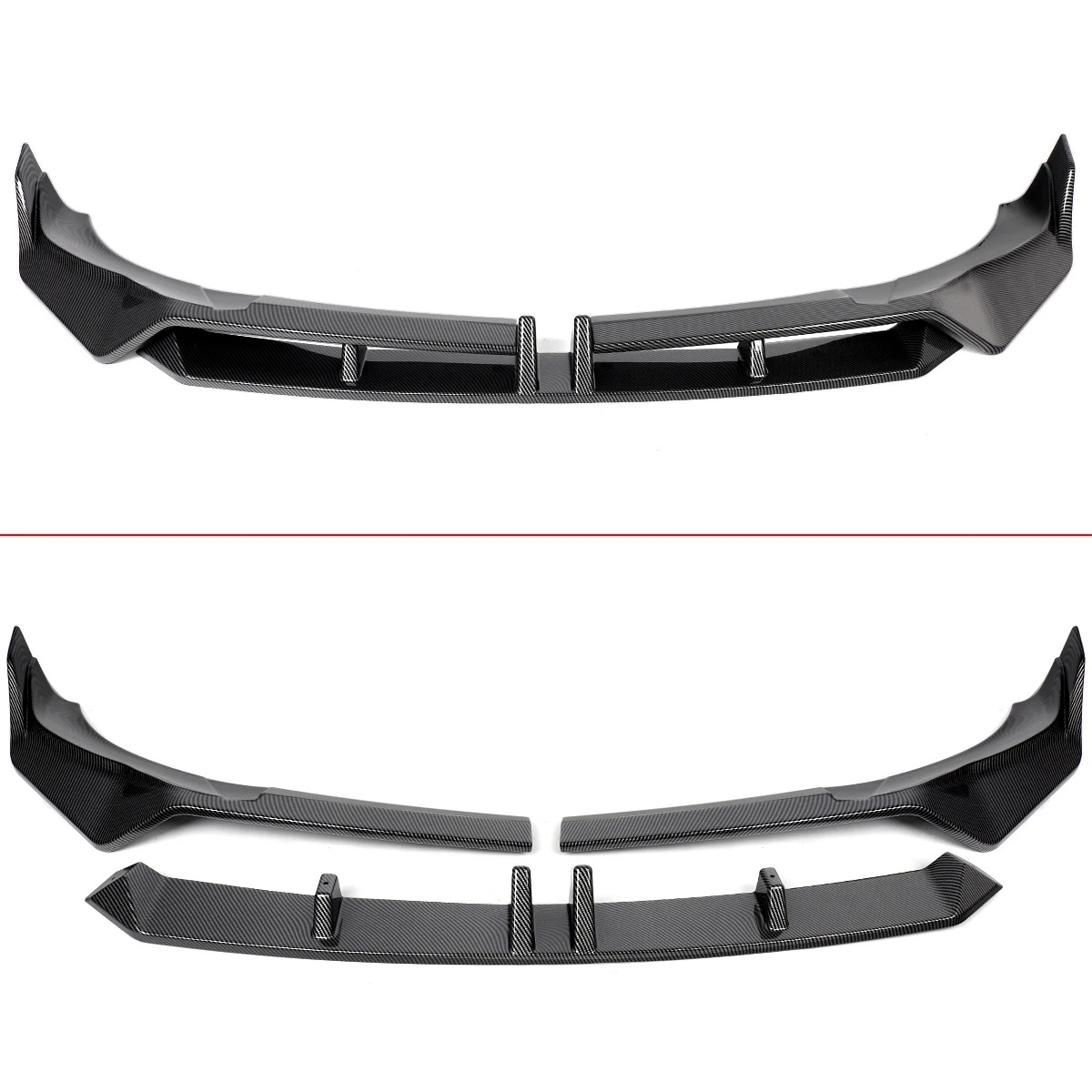
Upgrading to a Go Rhino front bumper can significantly improve both the appearance and durability of a truck or SUV. These bumpers provide stronger protection, support recovery equipment, and offer flexible accessory mounting options.
Although they may cost more than basic aftermarket bumpers, their heavy-duty construction and practical features make them a worthwhile investment for drivers who want reliable performance both on and off the road.
